Wanderer in der Gebirgsschlucht bei Gewitter — History & Analysis
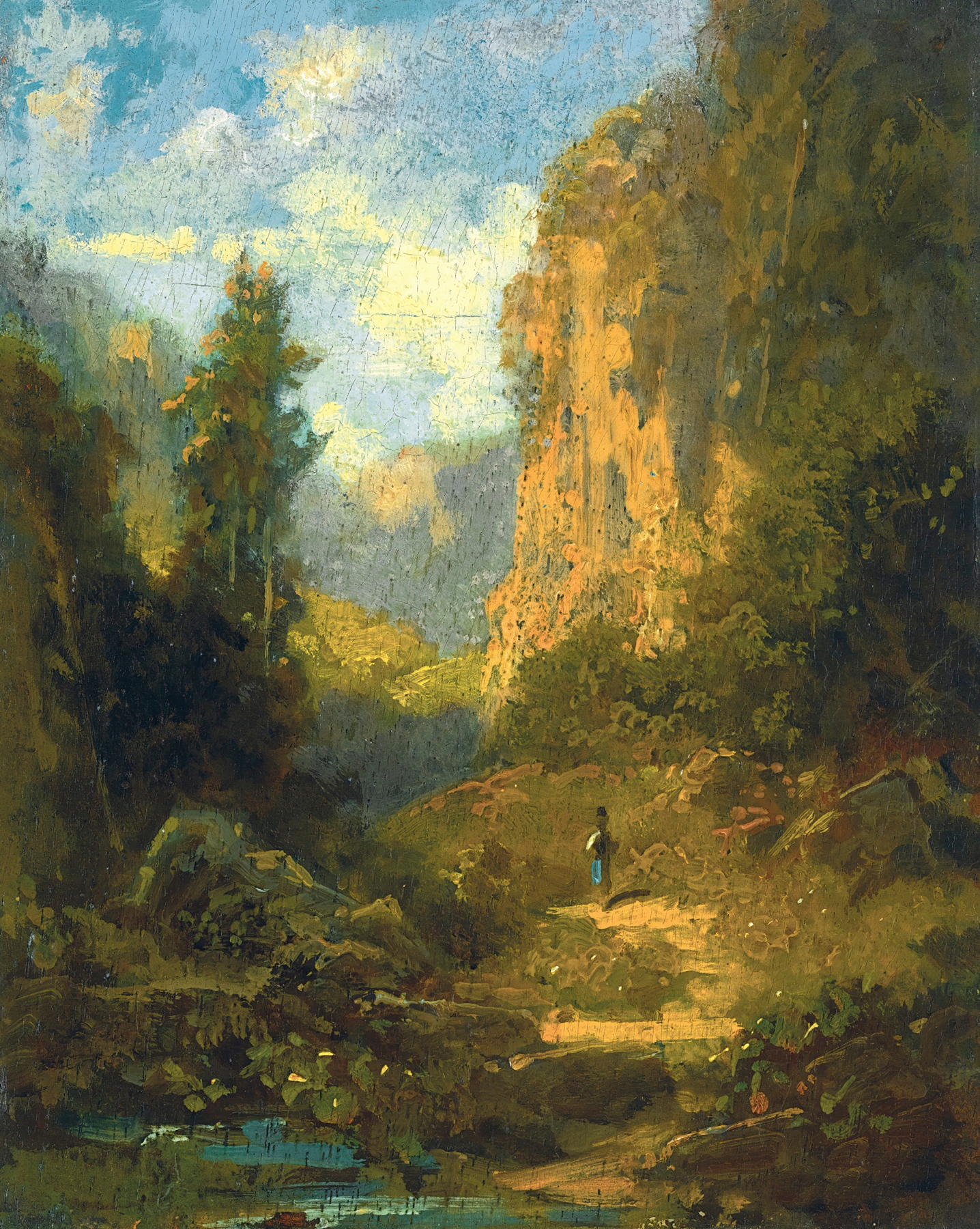
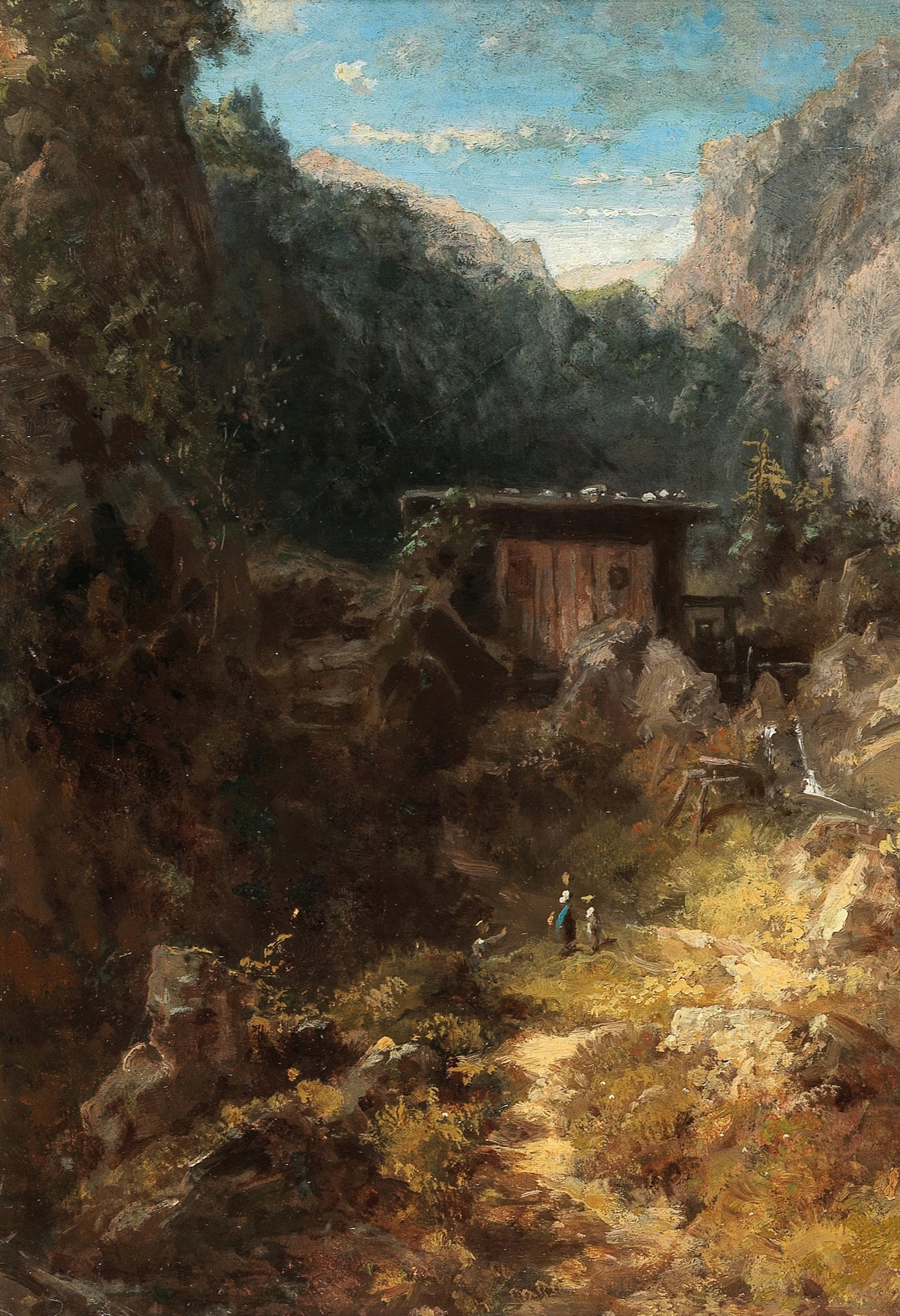
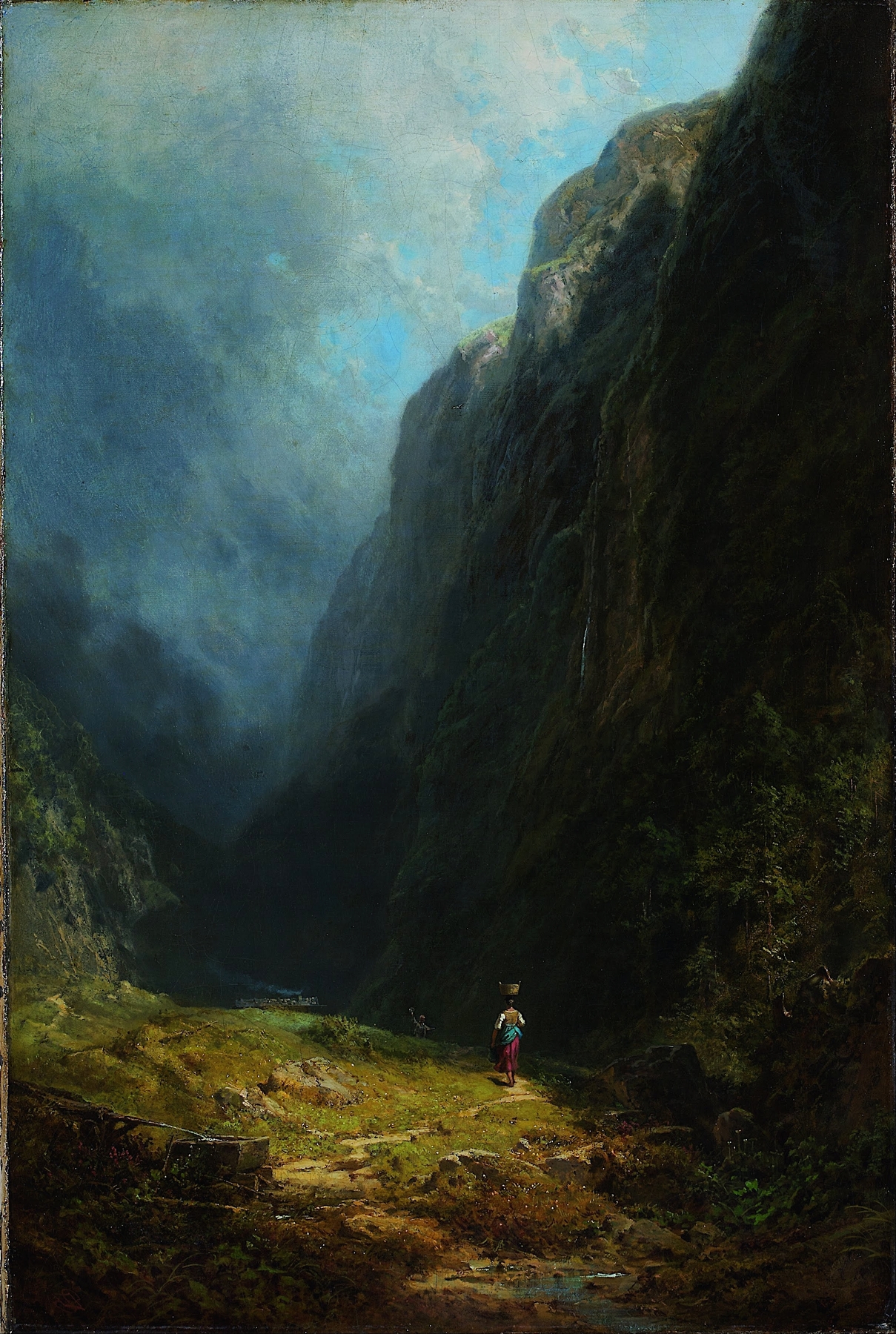
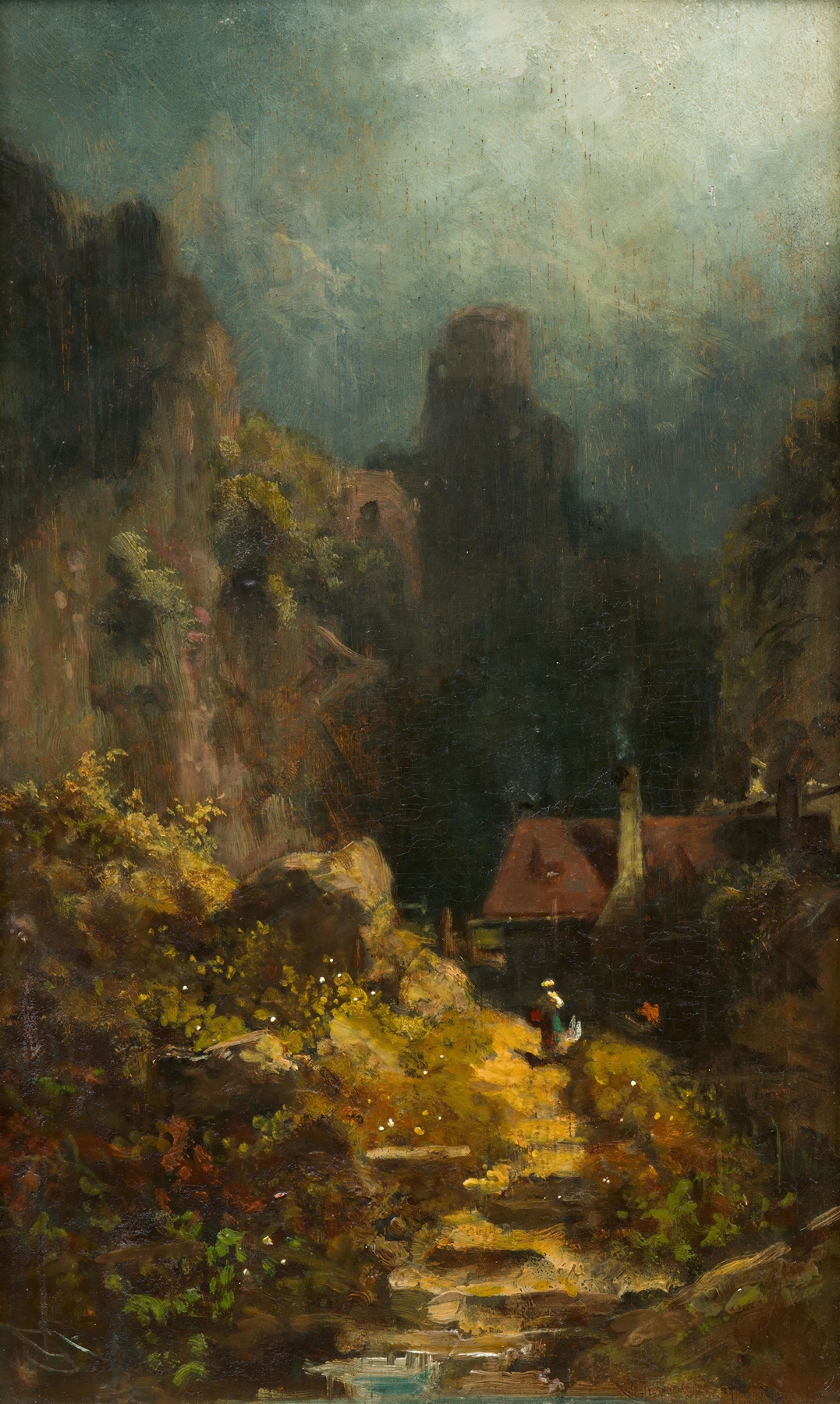
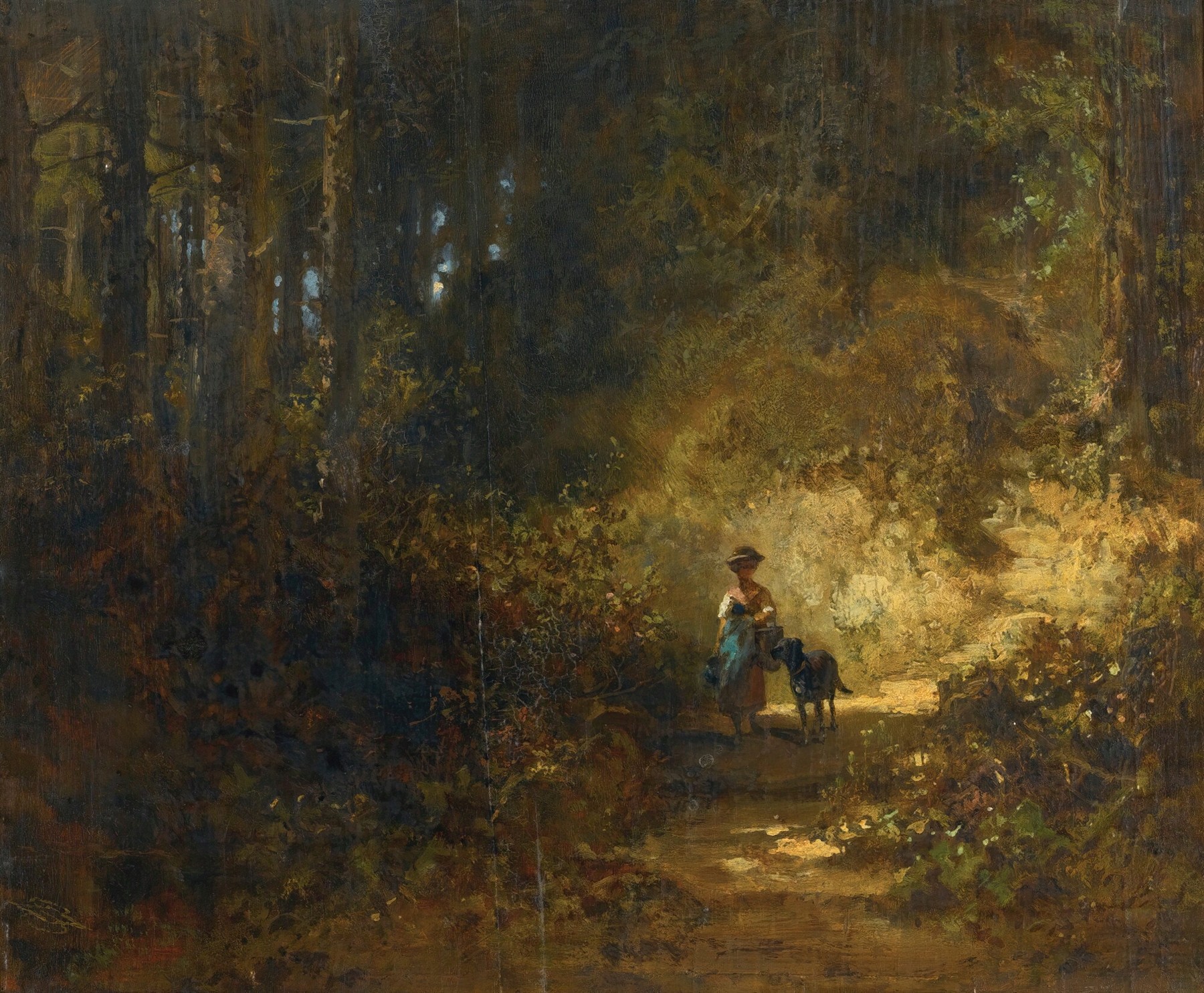
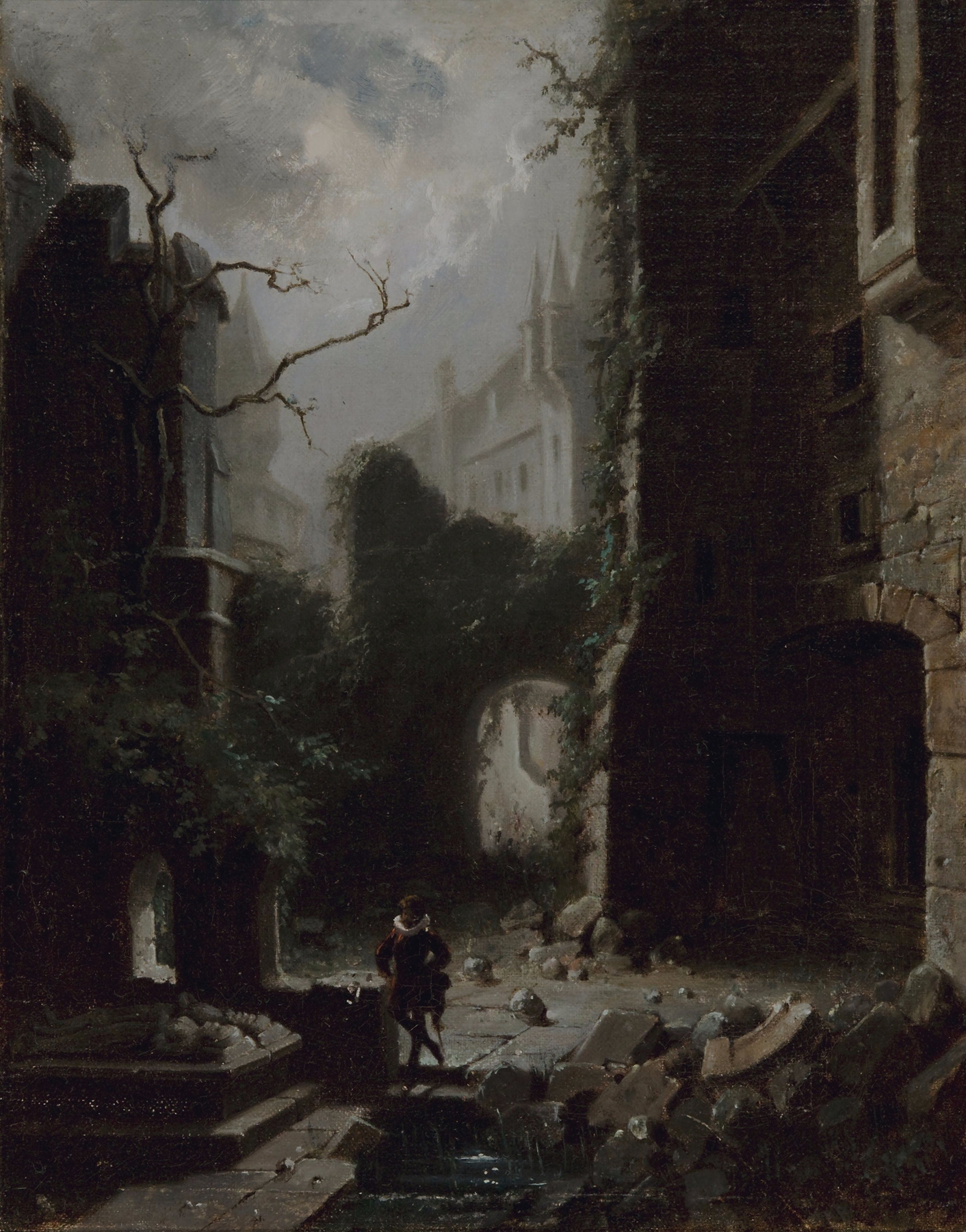
“Every brushstroke is a heartbeat remembered.” In the vastness of nature, where the tempest brews and shadows loom, there dwells an indomitable spirit of hope. It whispers that even in the darkest moments, light can still break through. Look to the center where a solitary figure stands at the precipice of a rugged gorge, dwarfed by towering cliffs and tumultuous skies. The artist’s palette dances with deep blues and grays, capturing the stormy atmosphere, while flecks of bright color in the figure's clothing offer a vivid contrast.
Notice how the light, caught in the crevices of the rock faces, highlights the contours of the terrain, guiding the viewer’s eye through the mountainous landscape. Each stroke conveys a raw energy, yet there's a profound stillness in the wanderer's pose, suggesting contemplation amid chaos. Consider the emotional tension conveyed through the juxtaposition of the wanderer's vulnerability against the imposing mountain range. The storm, with its swirling clouds, symbolizes life’s uncertainties, while the figure’s steady stance embodies resilience and an unwavering quest for inner peace.
The overall composition draws the viewer into a dialogue about solitude, nature's grandeur, and the hope that persists even when surrounded by turmoil. Carl Spitzweg painted this work in 1860, during a time of personal and societal upheaval in Germany. As a leading figure of the German Romantic movement, he focused on the themes of nature and individual experience in his art. At this time, he was gaining recognition for his ability to meld idyllic landscapes with human emotion, reflecting the tensions of a changing world and the search for solace amidst it all.