
Wapen van Johann Tscherte — History & Facts
In a world filled with noise, the profound stillness of this artwork invites introspection, urging viewers to explore the depths of serenity. Look to the central emblem, where a finely detailed coat of arms emerges amidst a rich, subdued palette. The intricate lines and meticulous shading reveal Dürer's command over woodcut techniques. Notice how the gentle interplay of light and shadow caresses the surface, lending a three-dimensional quality to the heraldic design, as if it were alive and breathing within the confines of the paper. Beneath the surface, the coat of arms embodies both identity and legacy, a juxtaposition of personal history and broader societal themes.
The careful arrangement of symbols suggests a narrative of nobility and honor, entwined with the weight of expectation. Each element, from the crest to the ornate borders, speaks to the fragility of human achievement in the face of time’s relentless passage. Created around 1516 to 1520, this piece emerged during a pivotal period in Dürer's life, marked by his travels throughout Europe and his growing reputation as a master printmaker. The art world was evolving, with the rise of the Renaissance igniting new ideas and forms of expression.
Dürer, influenced by these shifts, distilled his observations into this emblematic work, capturing the essence of a moment where personal identity meets the collective consciousness of an era.
More Artworks by Albrecht Dürer
Browse all →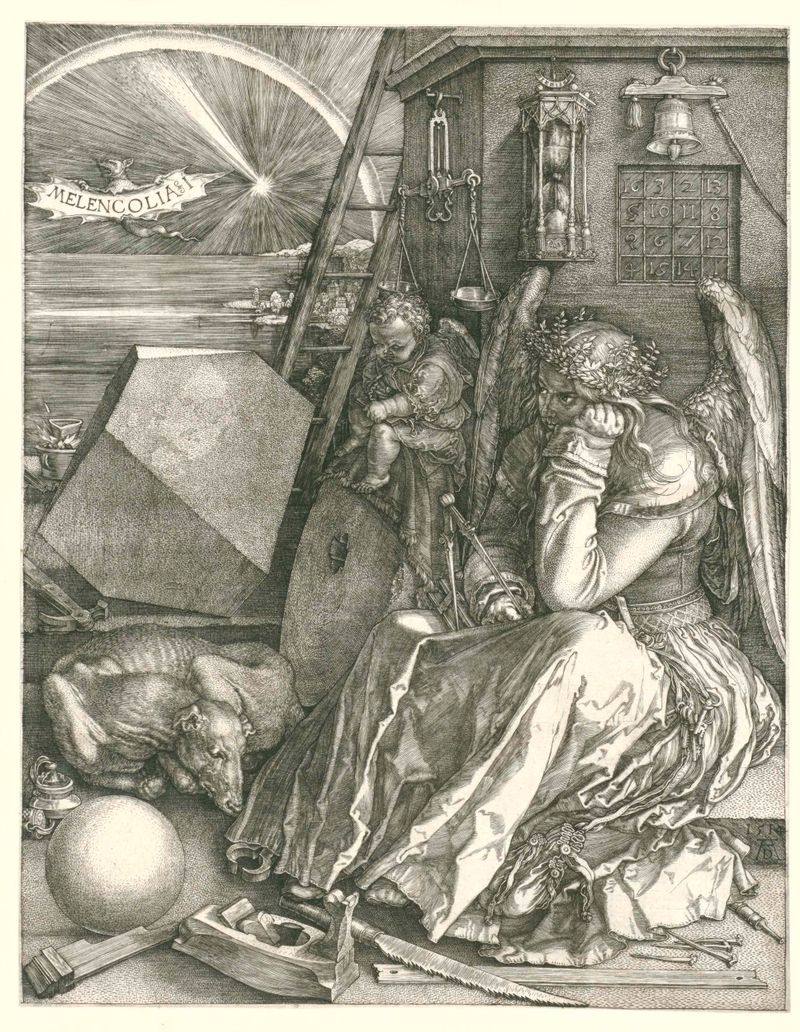
Melancholia
Albrecht Dürer
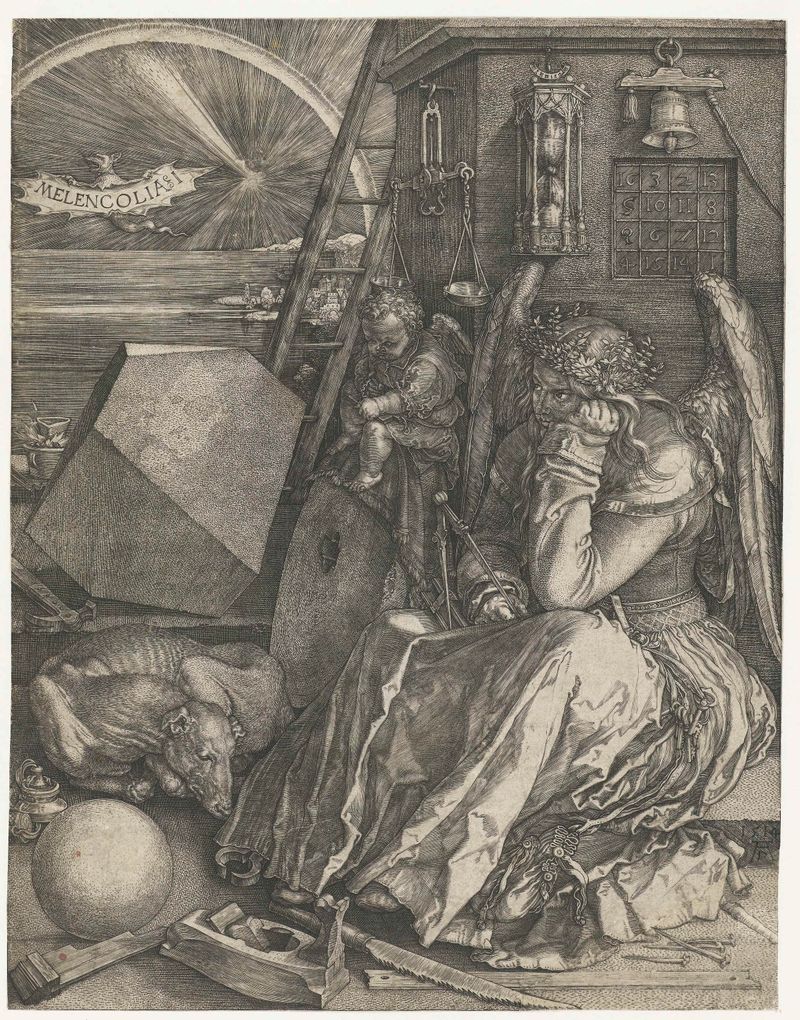
Melancholie
Albrecht Dürer
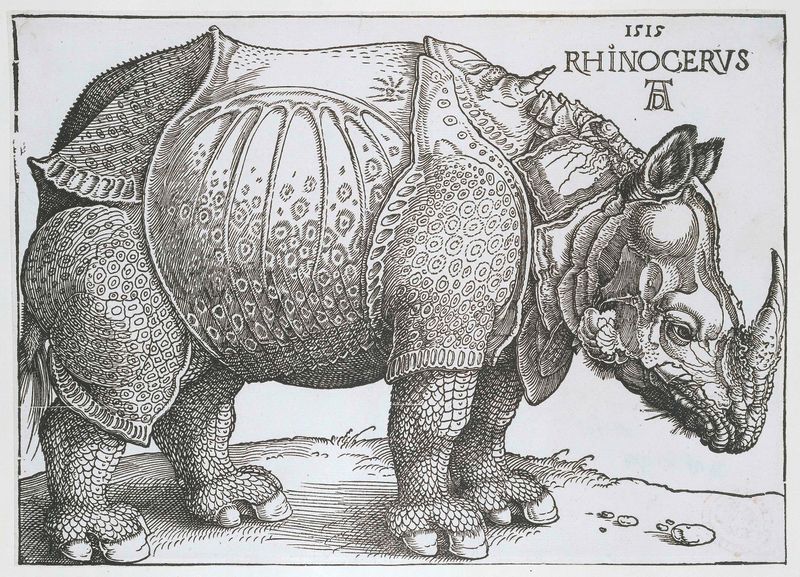
Neushoorn
Albrecht Dürer
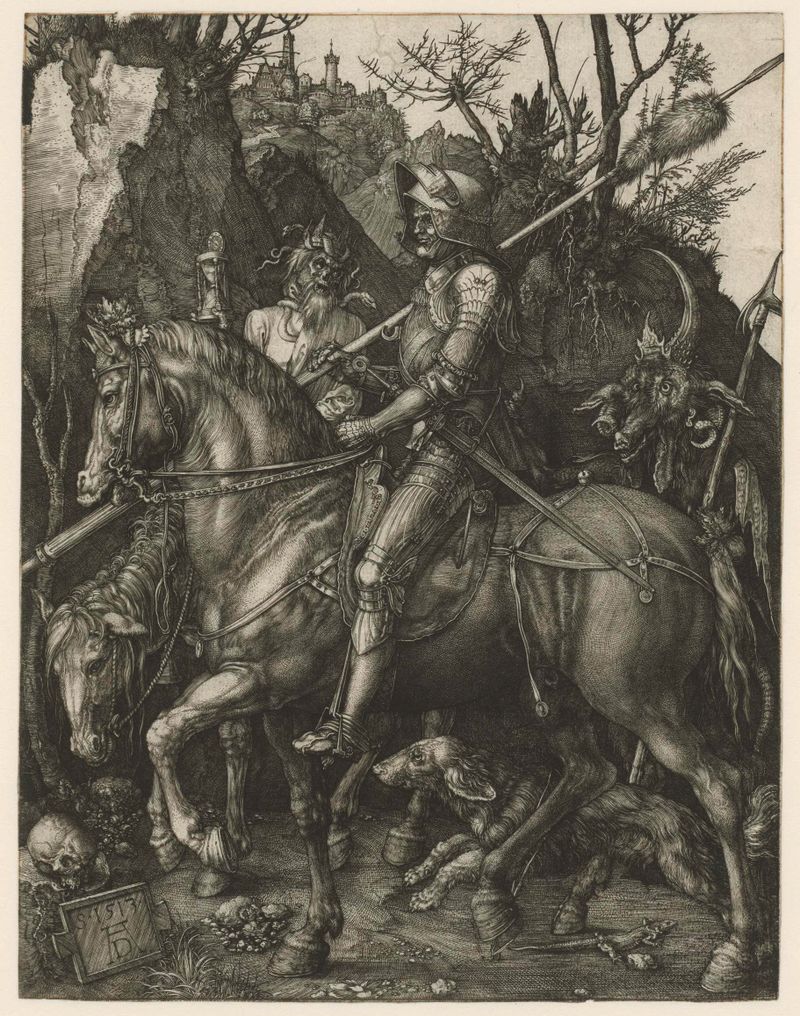
Knight, Death, and the Devil
Albrecht Dürer

De vier ruiters van de apocalyps
Albrecht Dürer

De vier ruiters van de apocalyps
Albrecht Dürer
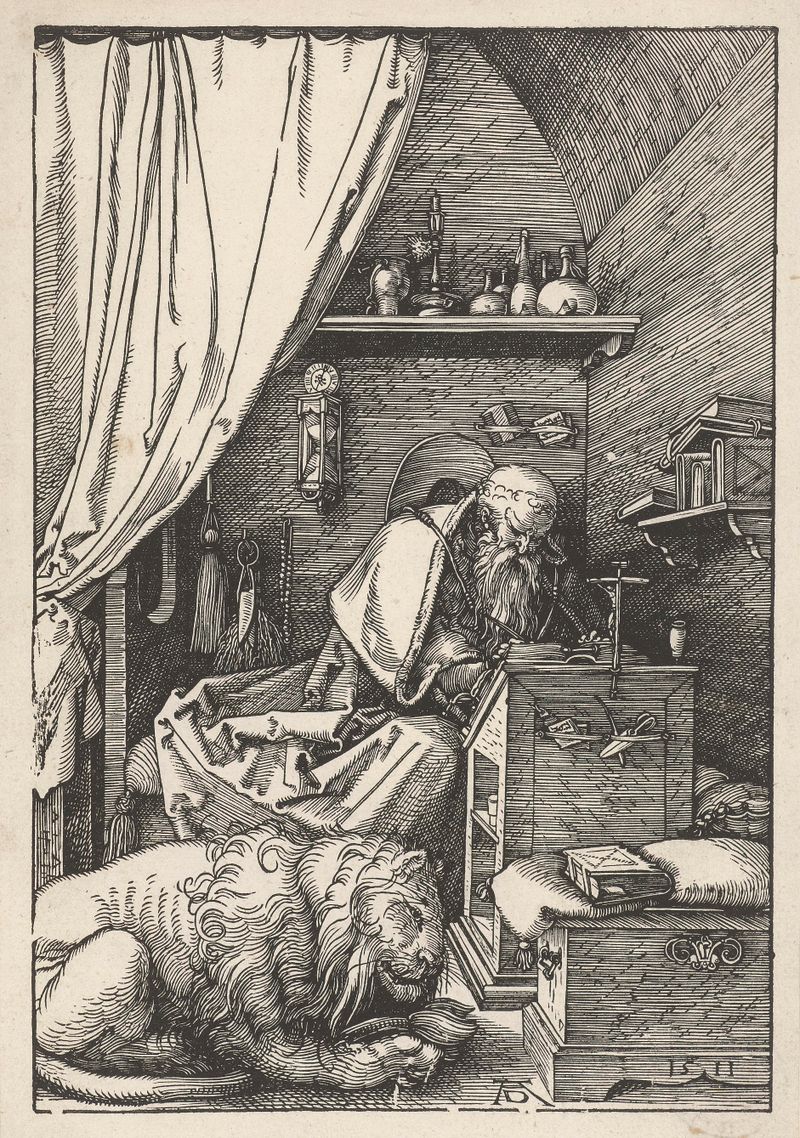
De Heilige Hiëronymus in zijn studeervertrek
Albrecht Dürer
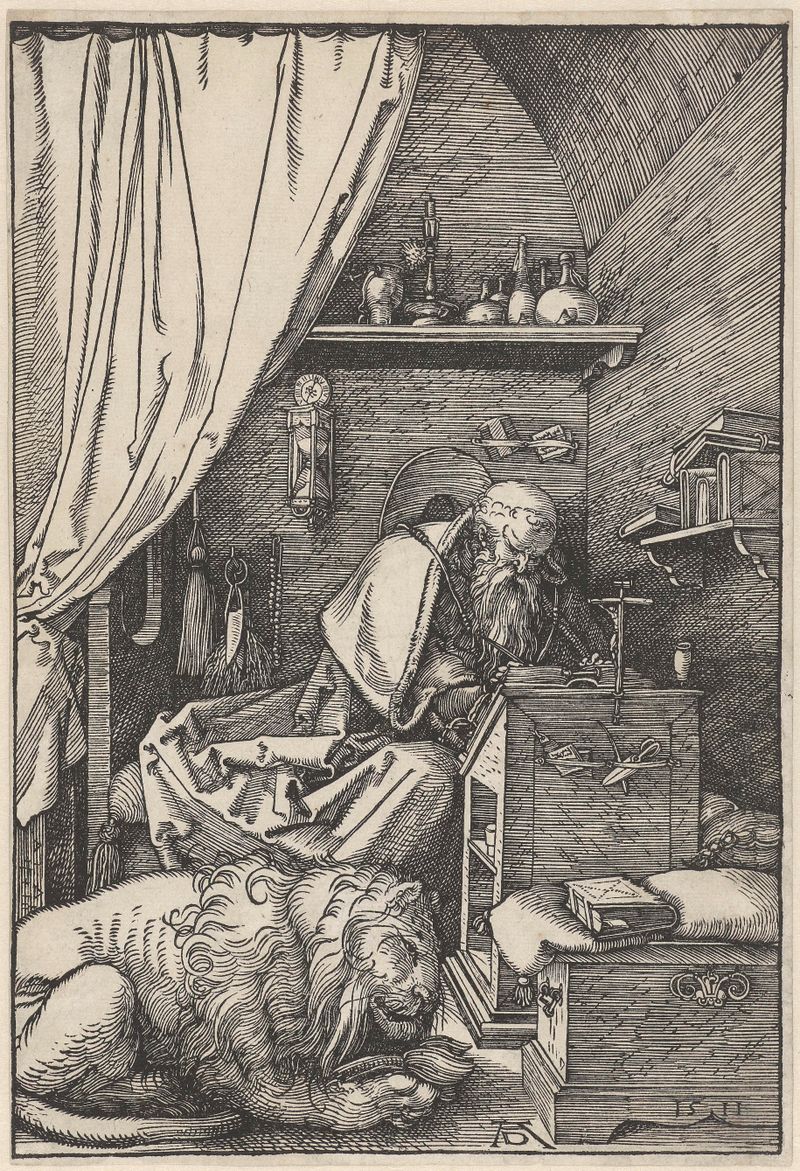
De Heilige Hiëronymus in zijn studeervertrek
Albrecht Dürer
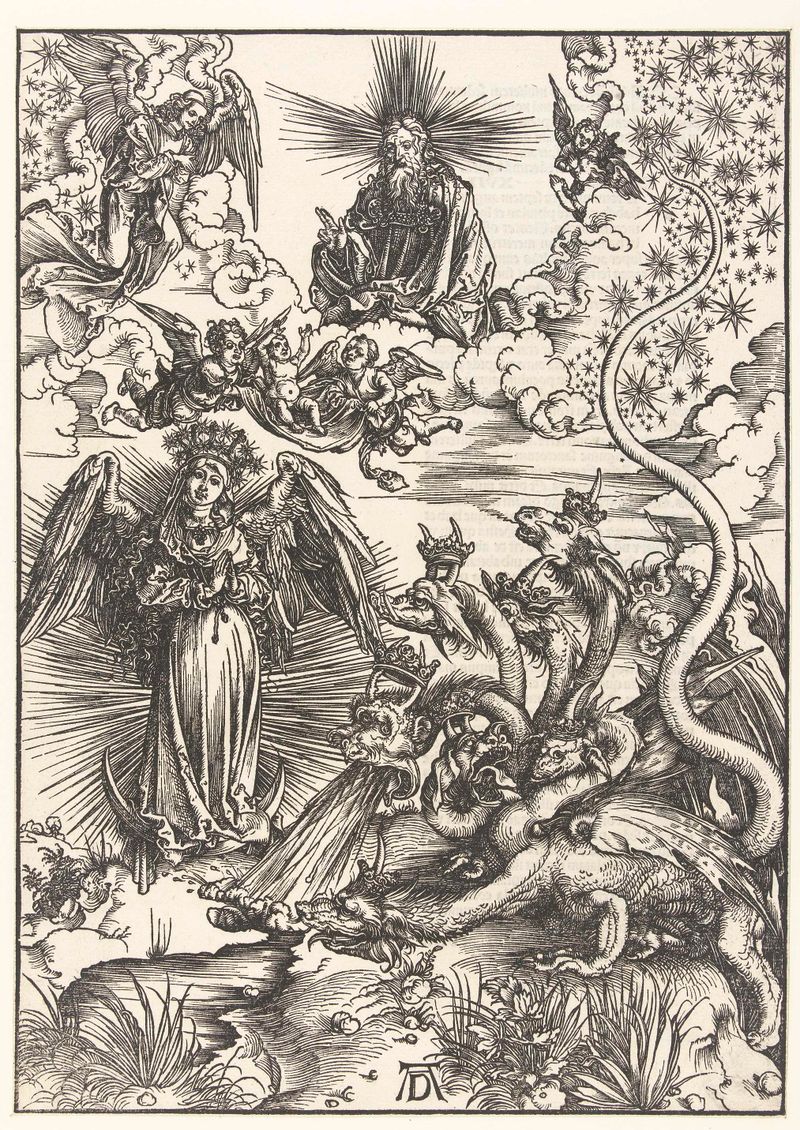
De apocalyptische vrouw en de zevenkoppige draak
Albrecht Dürer
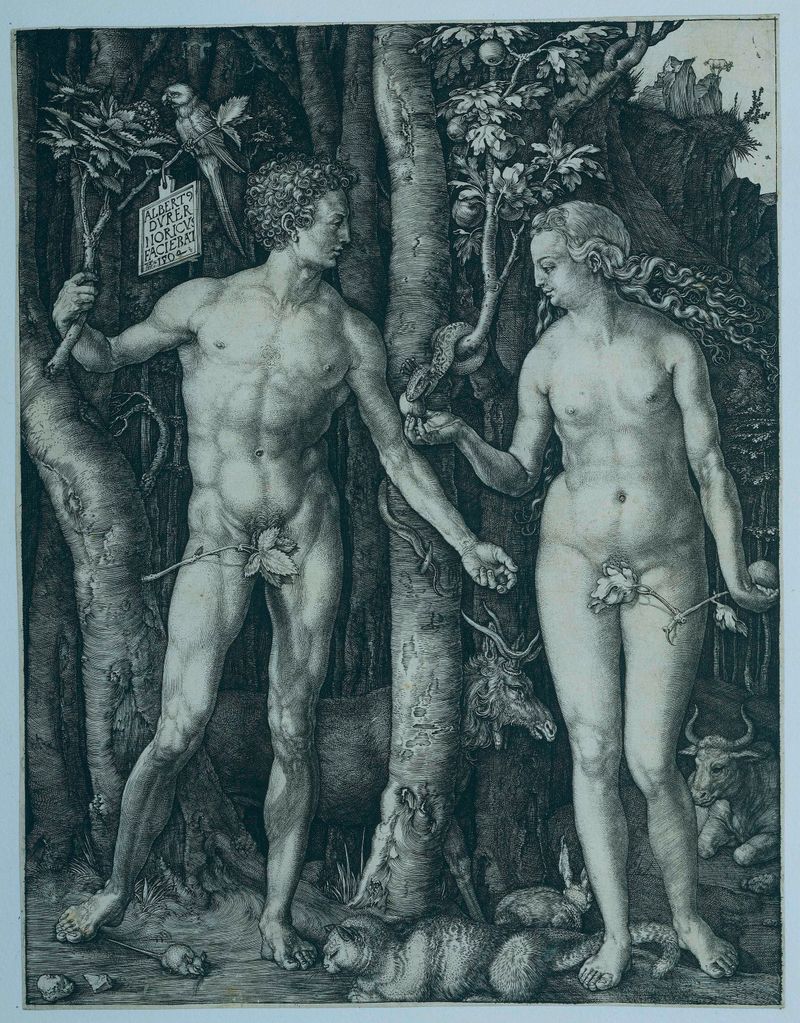
Adam en Eva
Albrecht Dürer





