
Wapenschild met vrouw en wildeman — History & Facts
Did the painter know this moment would outlive them? In Wapenschild met vrouw en wildeman, Albrecht Dürer captures a fleeting encounter brimming with layers of fear and intimacy, forever suspended in the delicate balance between the known and the unknown. Focus first on the woman at the center, her gaze piercing the viewer, drawing you into her world. Notice how her delicate fingers grip the edge of the shield with a mixture of strength and vulnerability, the intricate details of the armor reflecting a muted yet vibrant palette. The wildeman, a chaotic presence to her left, stands in stark contrast; his wild hair and rough features evoke nature's untamed spirit, the interplay of light and shadow emphasizing the tension between civility and savagery in this arresting composition. At a deeper level, the pairing of the woman and the wildeman serves as a metaphor for the dualities of human existence—fear versus safety, enlightenment versus ignorance.
The shield she clutches symbolizes protection, while the wildeman embodies primal instincts that can be both alluring and threatening. Each gaze shared between them reveals a compelling story of trust and trepidation, hinting at the complex dynamics of their relationship. Dürer painted this work in 1503, during a time when the artist was deeply engaged with exploring human emotion and intricate symbolism. Living in a period marked by the Renaissance’s rise, he sought to illuminate the complexities of human nature through detailed craftsmanship and emotive themes, making this piece a significant reflection of his evolving artistic vision.
More Artworks by Albrecht Dürer
Browse all →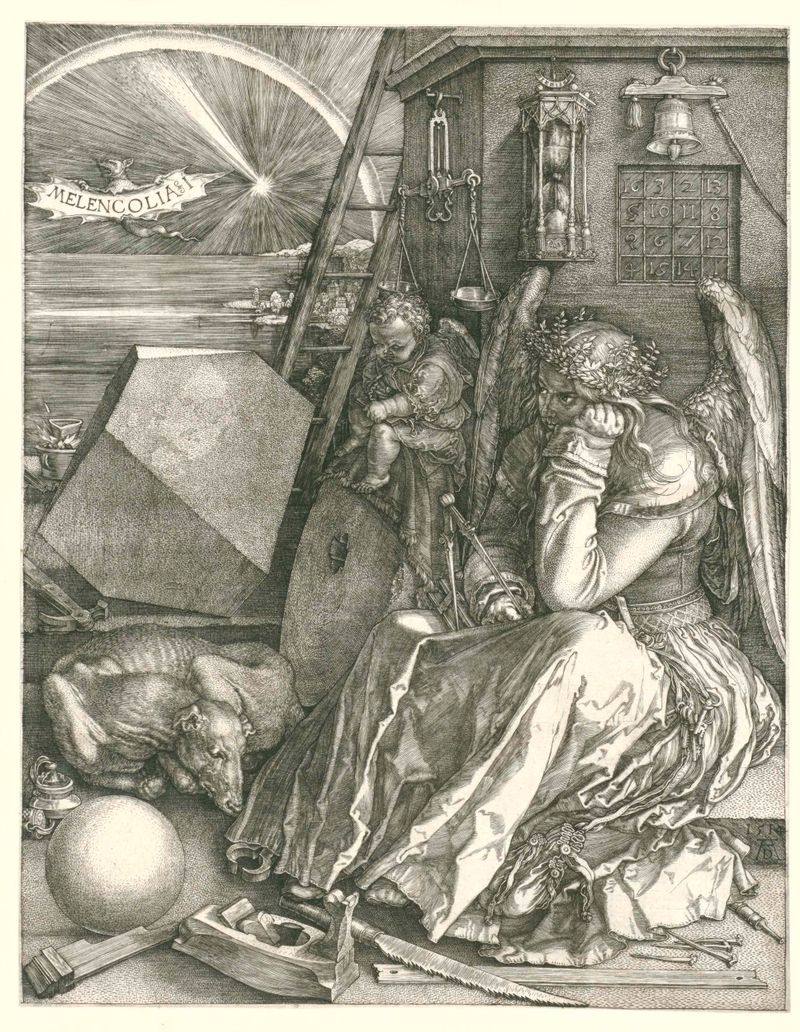
Melancholia
Albrecht Dürer
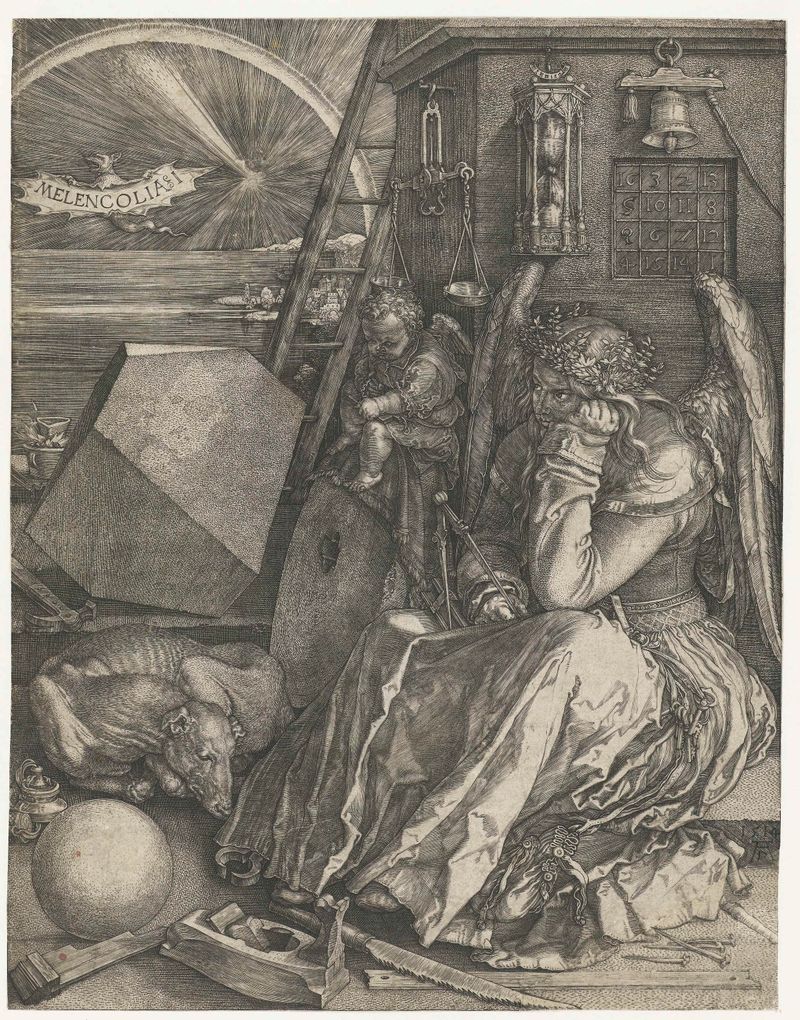
Melancholie
Albrecht Dürer

Neushoorn
Albrecht Dürer
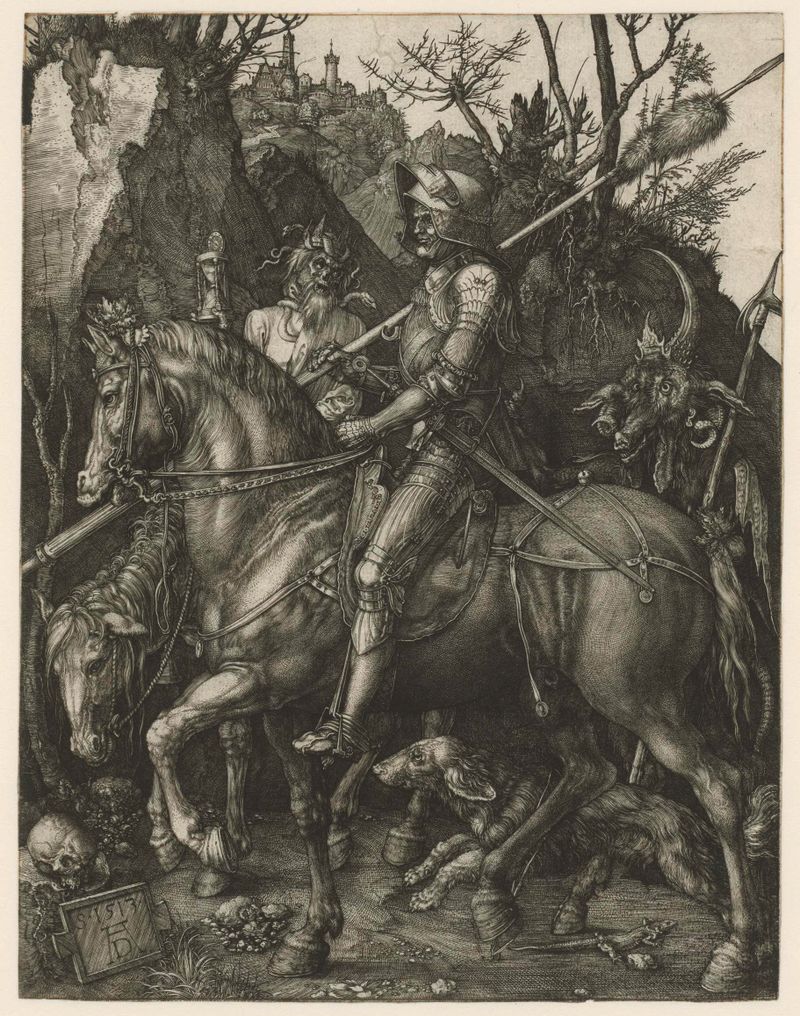
Knight, Death, and the Devil
Albrecht Dürer

De vier ruiters van de apocalyps
Albrecht Dürer

De vier ruiters van de apocalyps
Albrecht Dürer
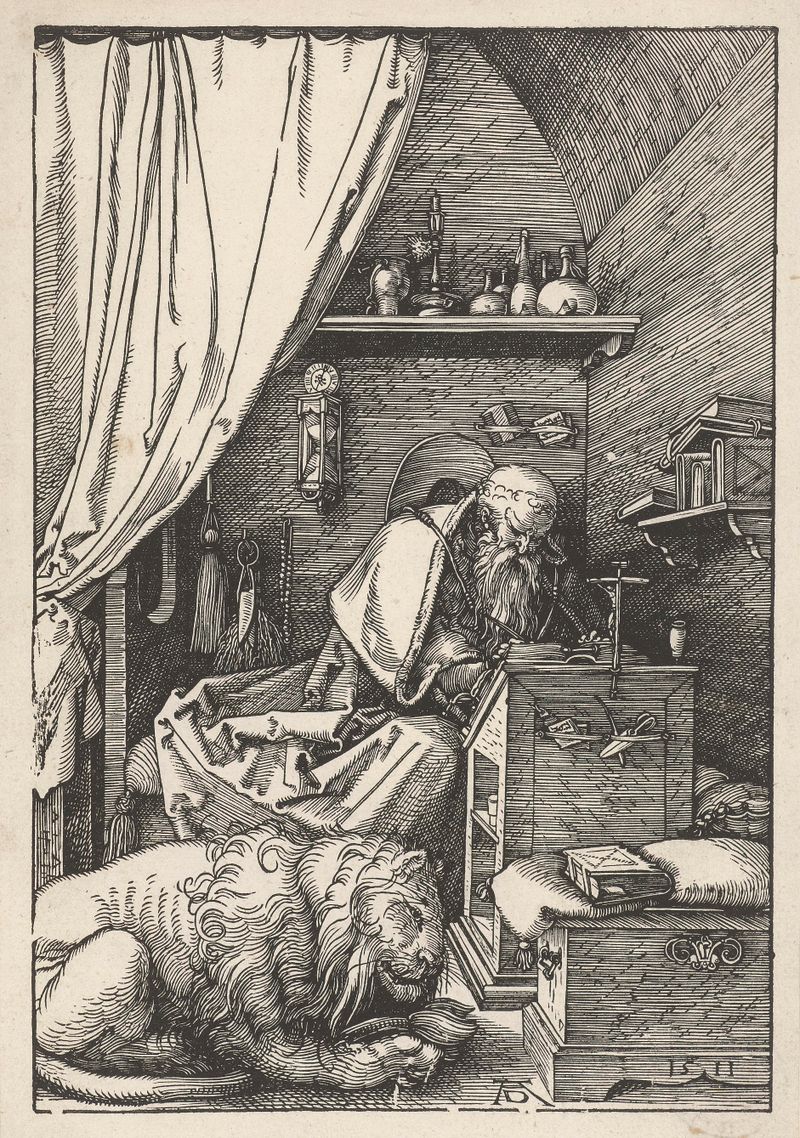
De Heilige Hiëronymus in zijn studeervertrek
Albrecht Dürer
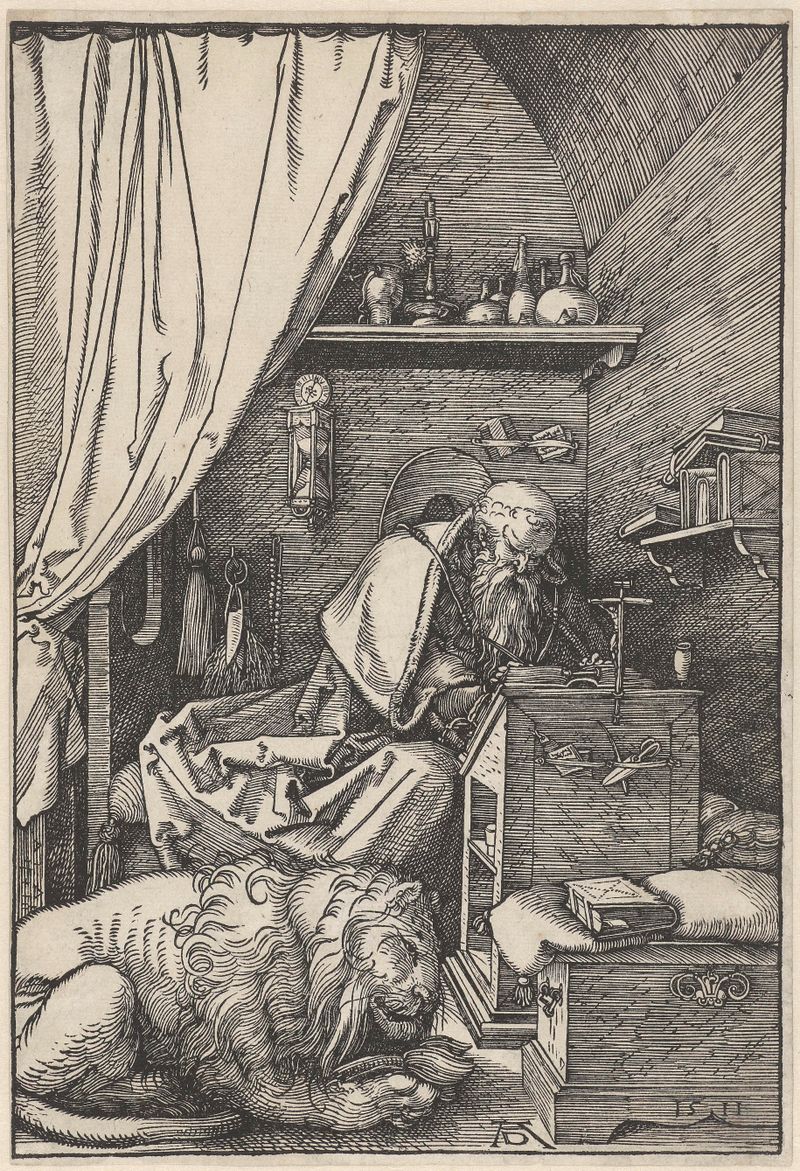
De Heilige Hiëronymus in zijn studeervertrek
Albrecht Dürer
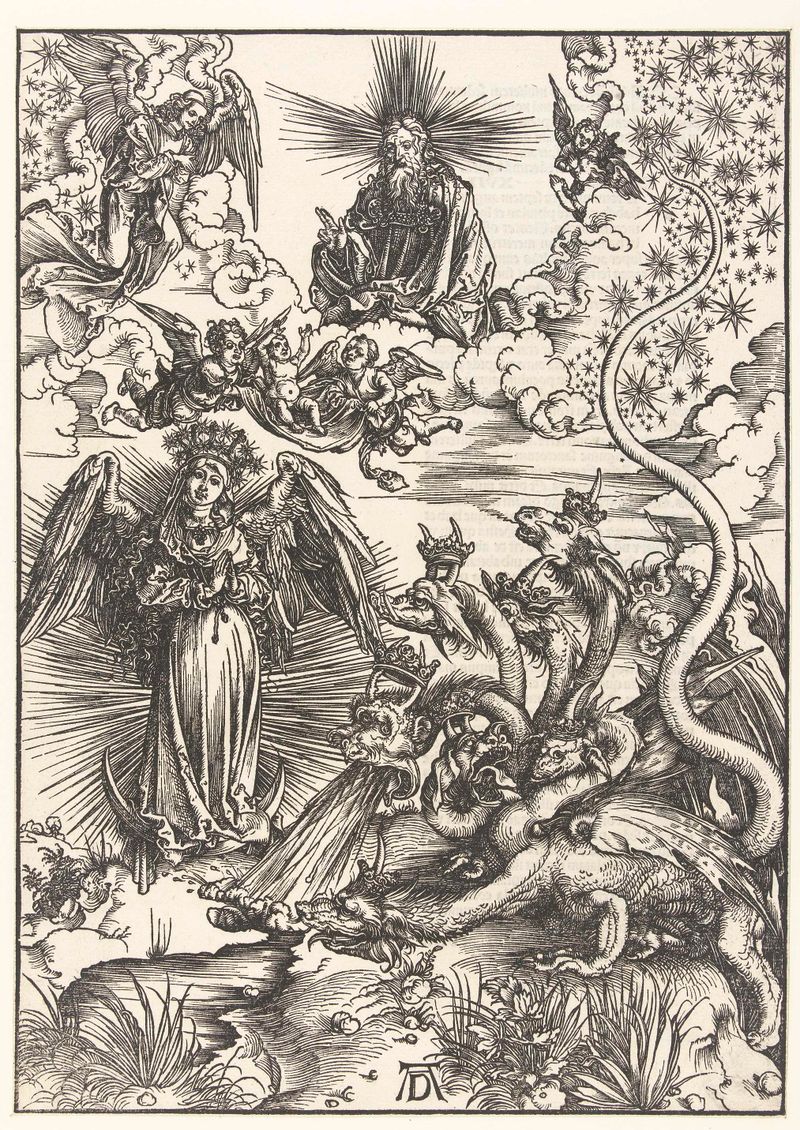
De apocalyptische vrouw en de zevenkoppige draak
Albrecht Dürer
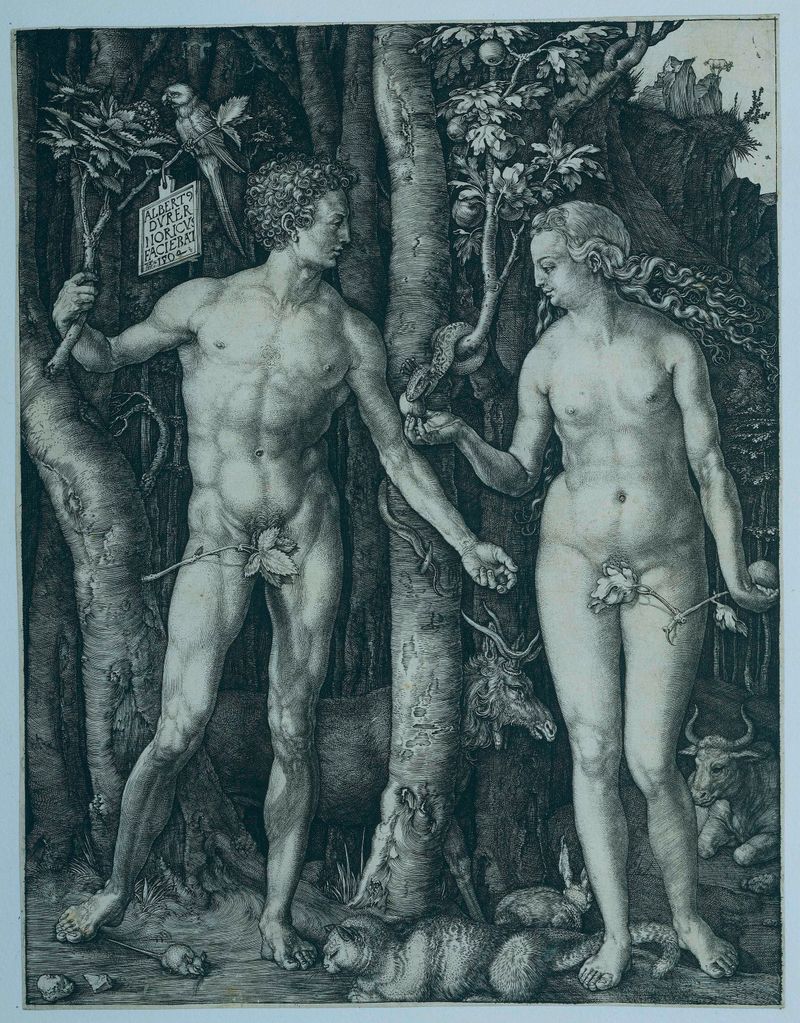
Adam en Eva
Albrecht Dürer




