Discover insights about this artwork
Washington Street, Indianapolis at Dusk — History & Facts
In the twilight of existence, where light meets shadow, faith emerges in the interplay of colors and forms. It is an invitation to gaze deeper, beyond mere representation, to the essence of life that unfolds in the ordinary. Look to the left, where the warm hues of sunset bleed into the deepening blue of the sky, hinting at the day's surrender. The silhouettes of buildings rise like sentinels, their outlines softened by the encroaching dusk.
Notice how the brushwork captures the fluidity of light reflecting off the streets, inviting your eyes to follow the gentle curves of Washington Street, leading you into the heart of the painting. The artist’s deft use of palette and texture evokes an ethereal atmosphere, urging the viewer to embrace both the beauty and the transience of the moment. This artwork encapsulates a fragile tension between stillness and movement, a contrast rooted in the fading light. The warm glow that lingers suggests a serenity, a calm before the night, while the darkening surroundings evoke a sense of mystery and anticipation.
In this delicate balance, one can sense a deeper emotional current, a quiet faith in the continuity of life and the promise hidden in the coming dark. During the period of 1892 to 1895, the artist painted this work while immersed in the American Impressionist movement, striving to capture the fleeting effects of light and atmosphere. Living in Indiana, Steele was influenced by the natural beauty around him and the emerging art scene, which sought to break away from traditional realism. He found solace in these moments, reflecting not just the world he observed but his own search for beauty and truth amidst the changes of the era.
More Artworks by Theodore Clement Steele
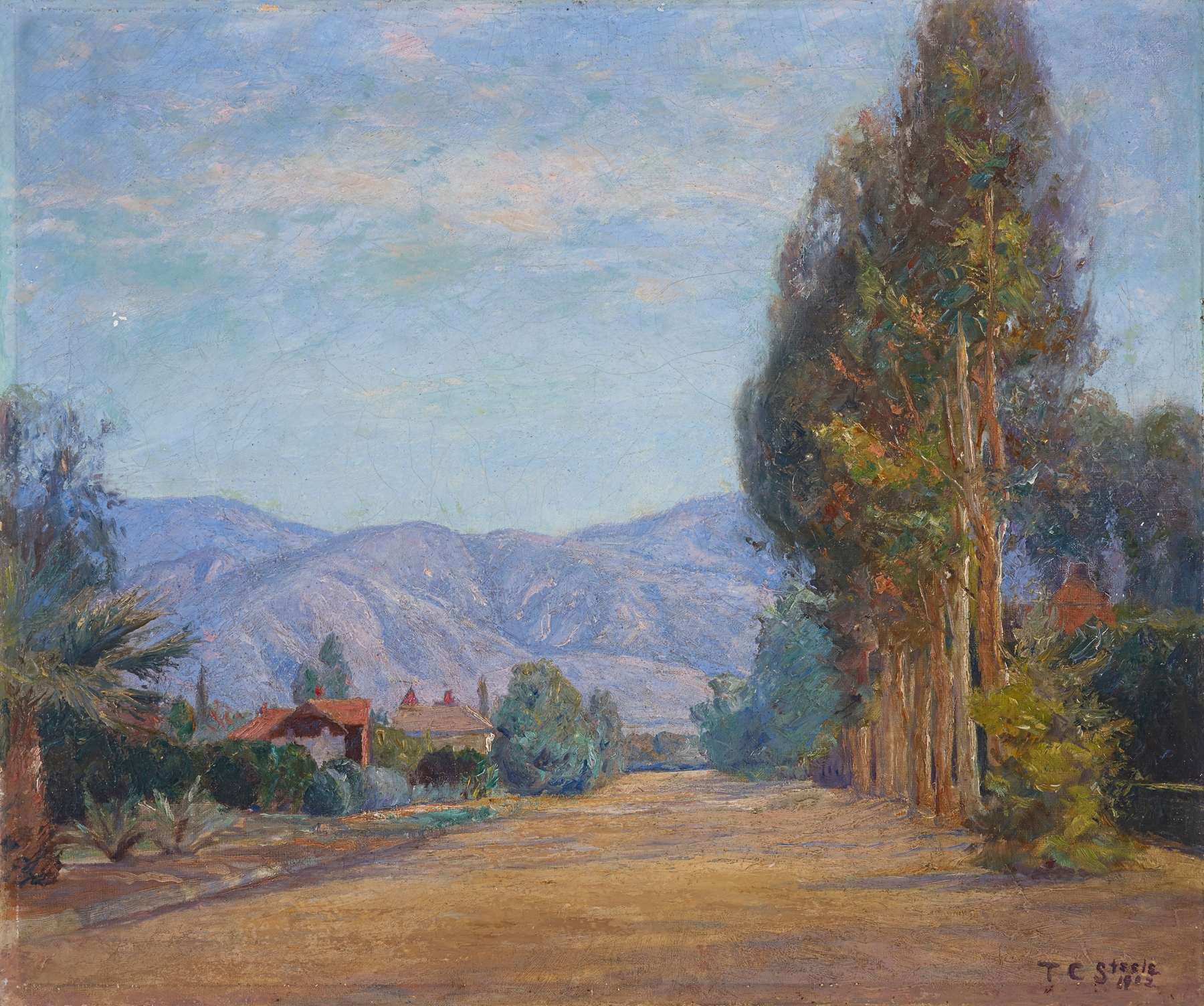
Hills Near Redlands, California
Theodore Clement Steele
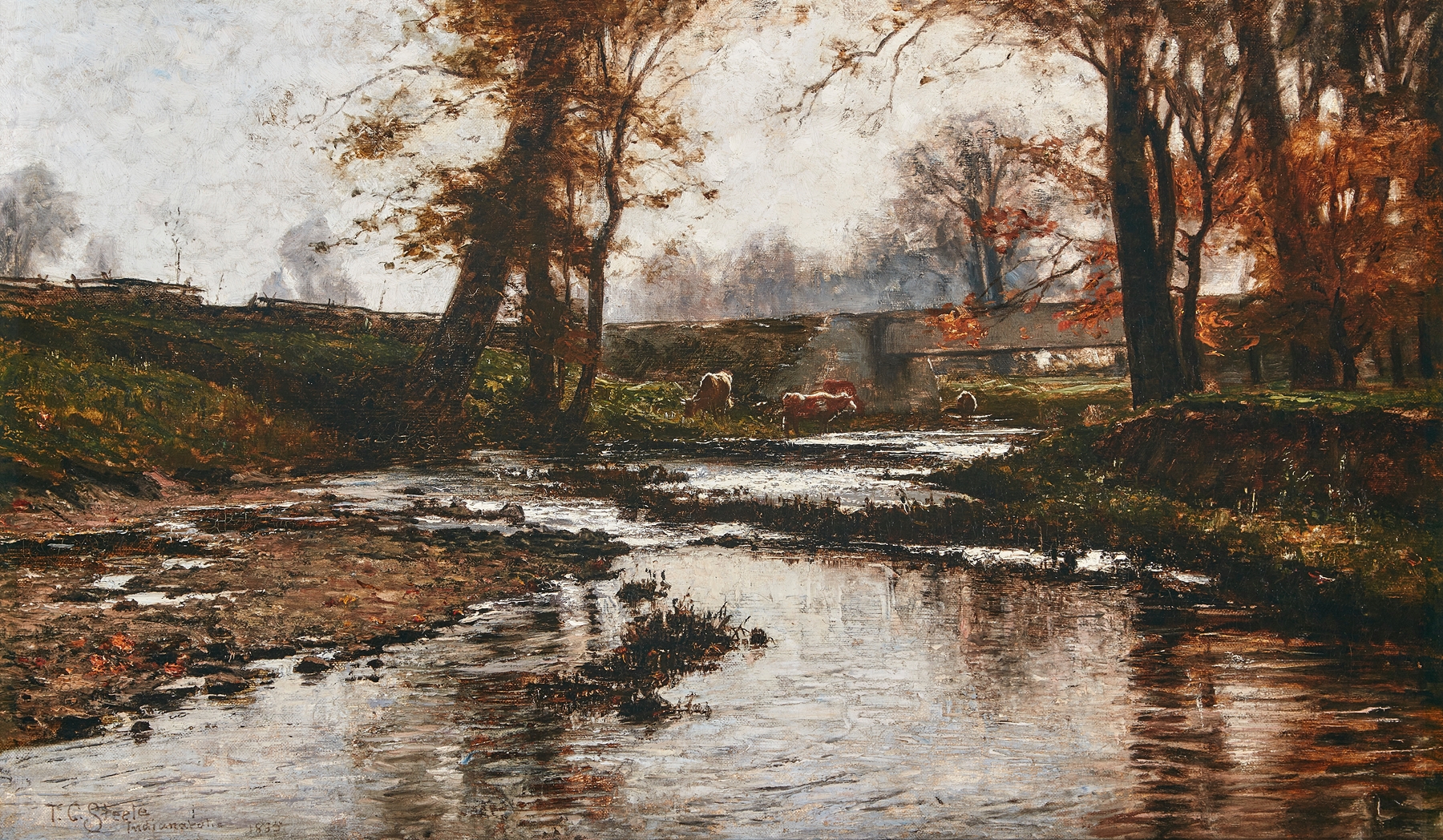
Pleasant Run
Theodore Clement Steele
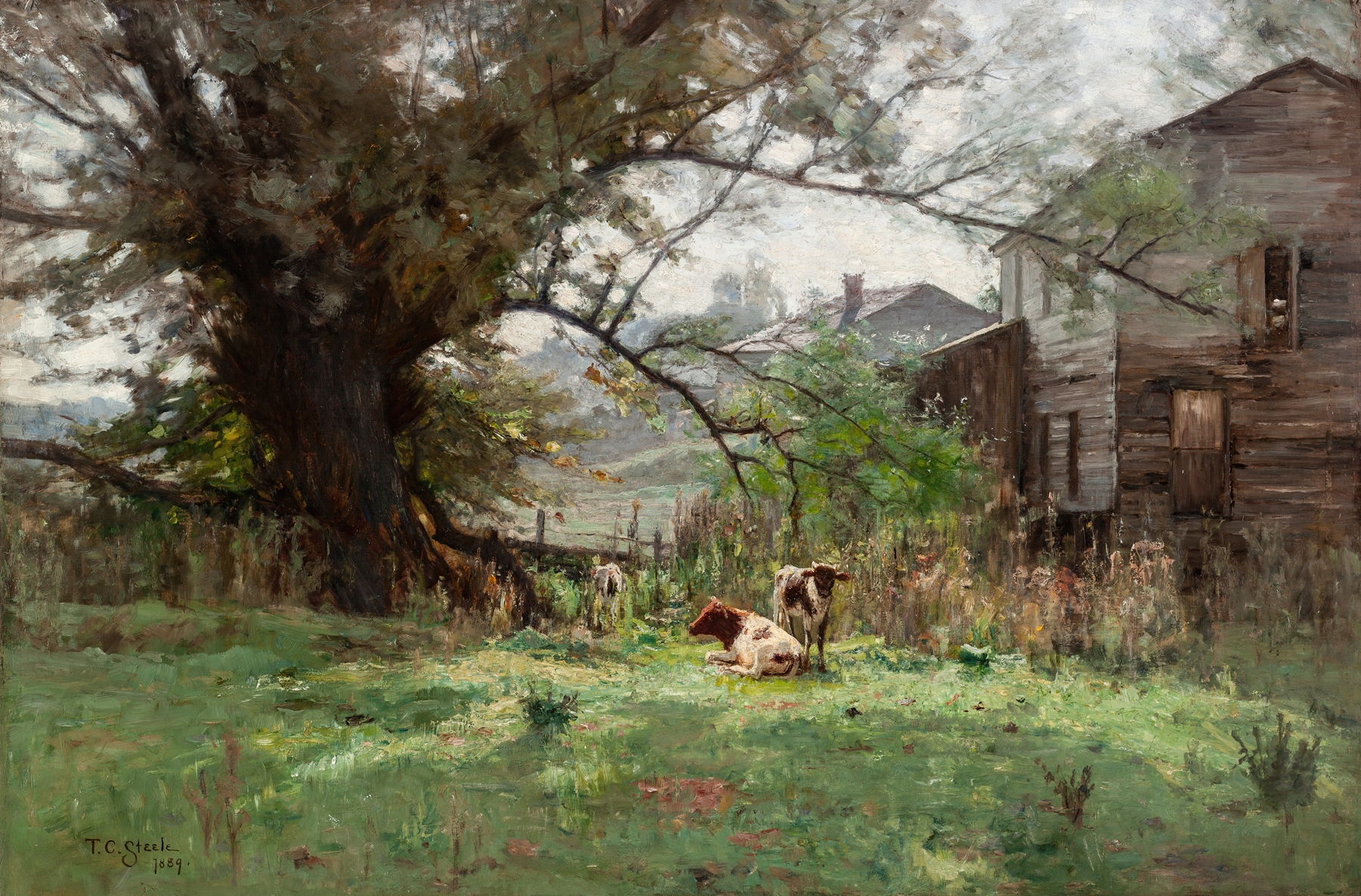
Morning–Old Schofield’s Mill
Theodore Clement Steele
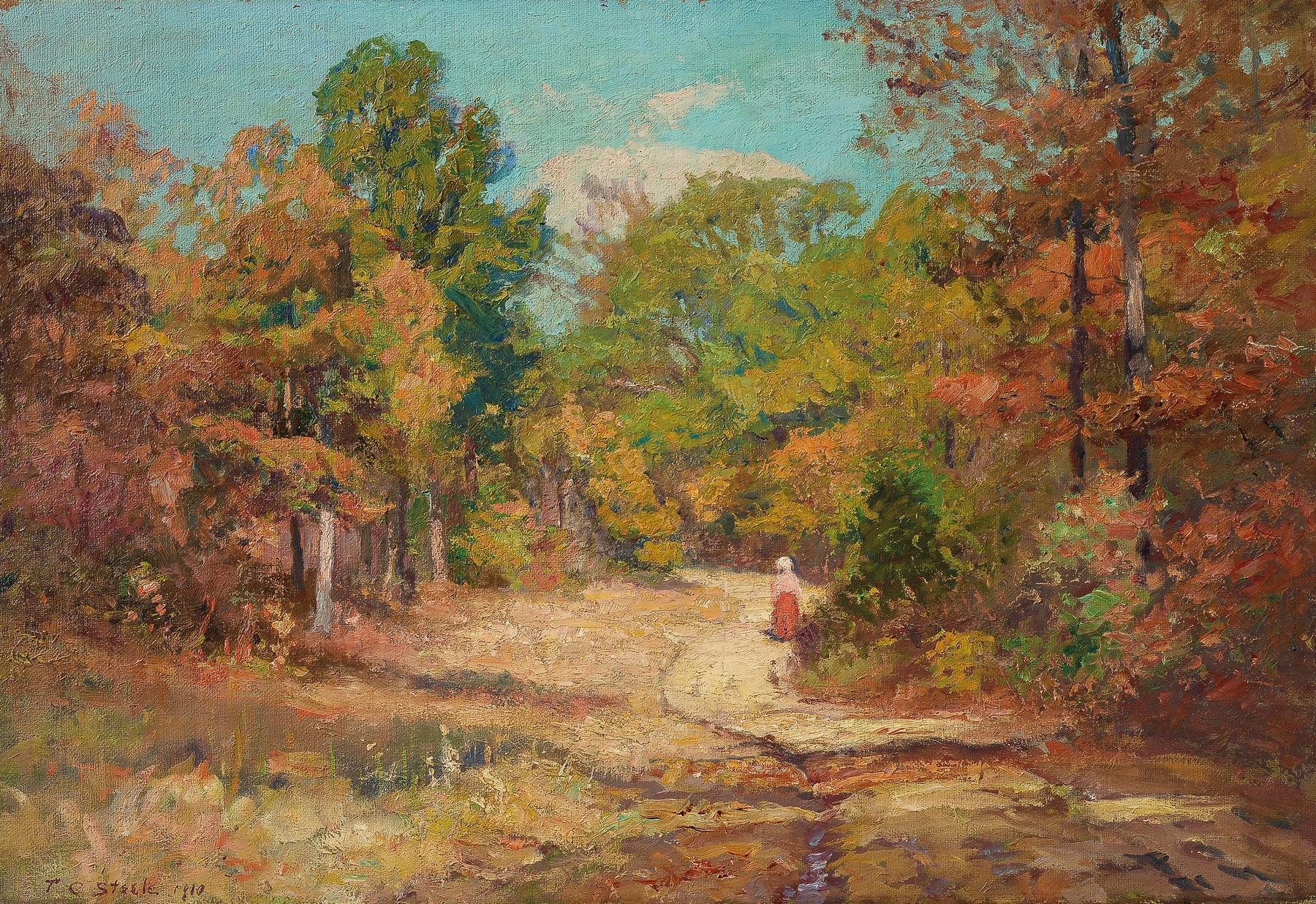
On the Road to Belmont
Theodore Clement Steele
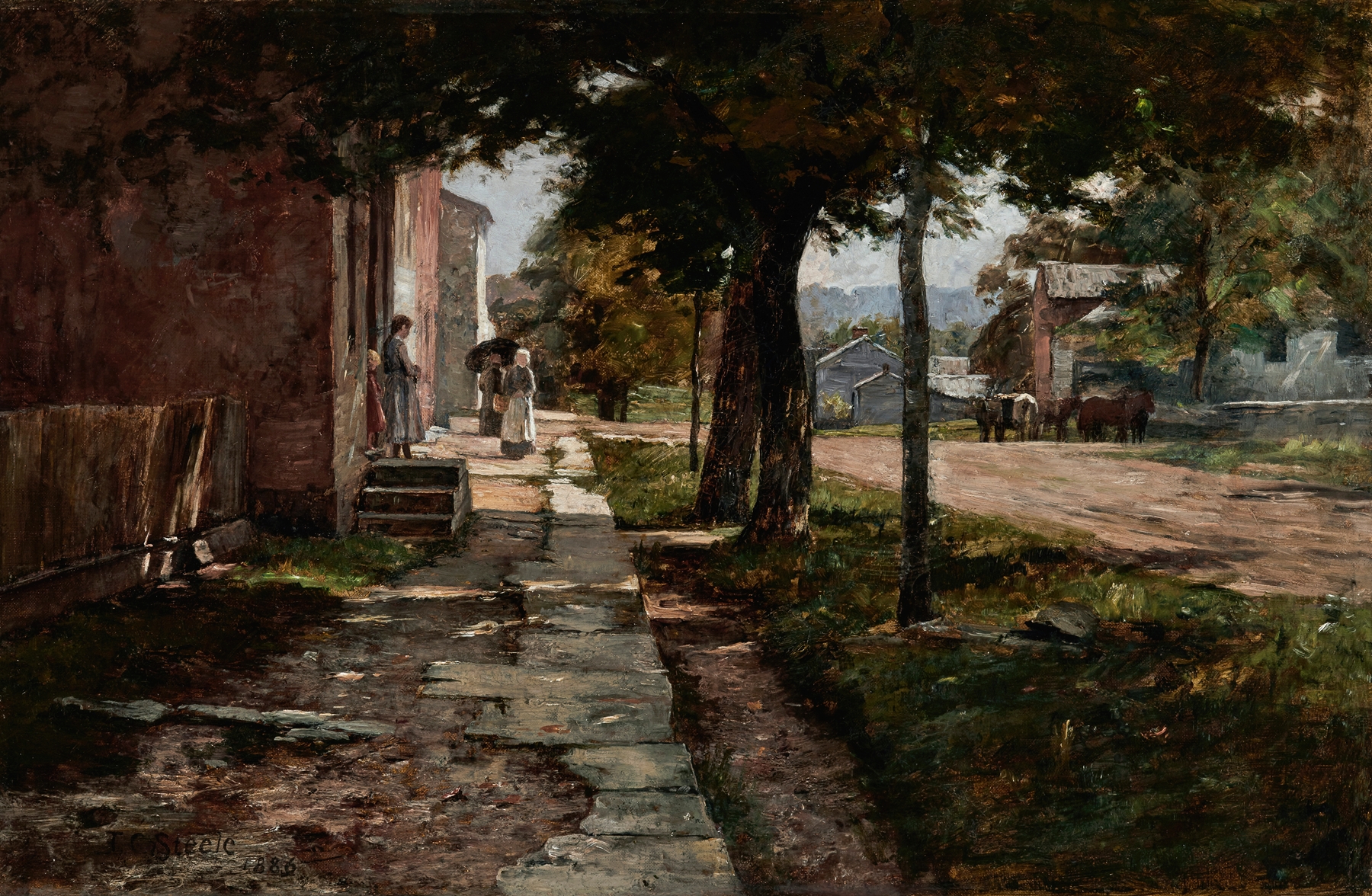
Street in Vernon
Theodore Clement Steele
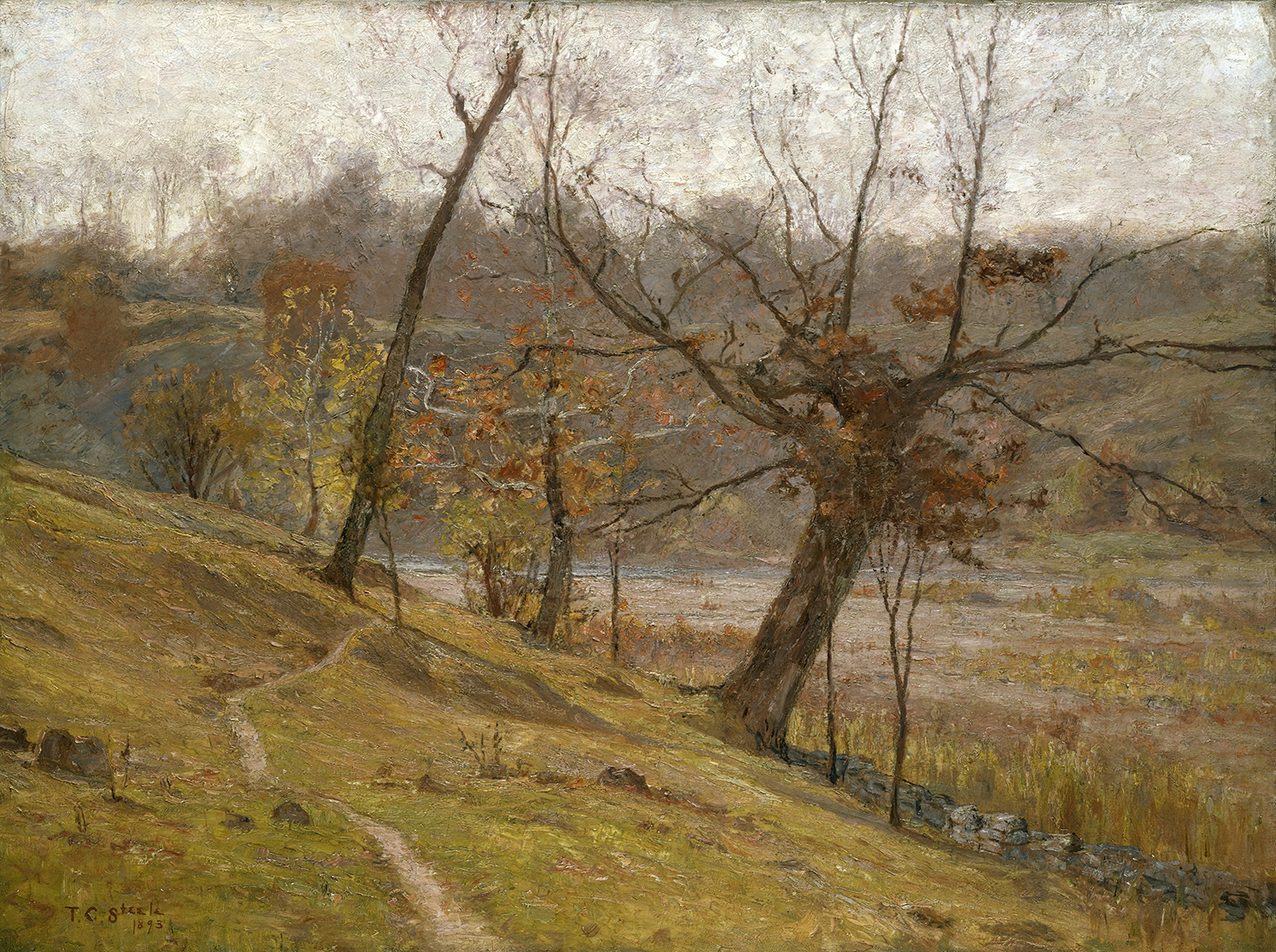
The Bloom of the Grape
Theodore Clement Steele
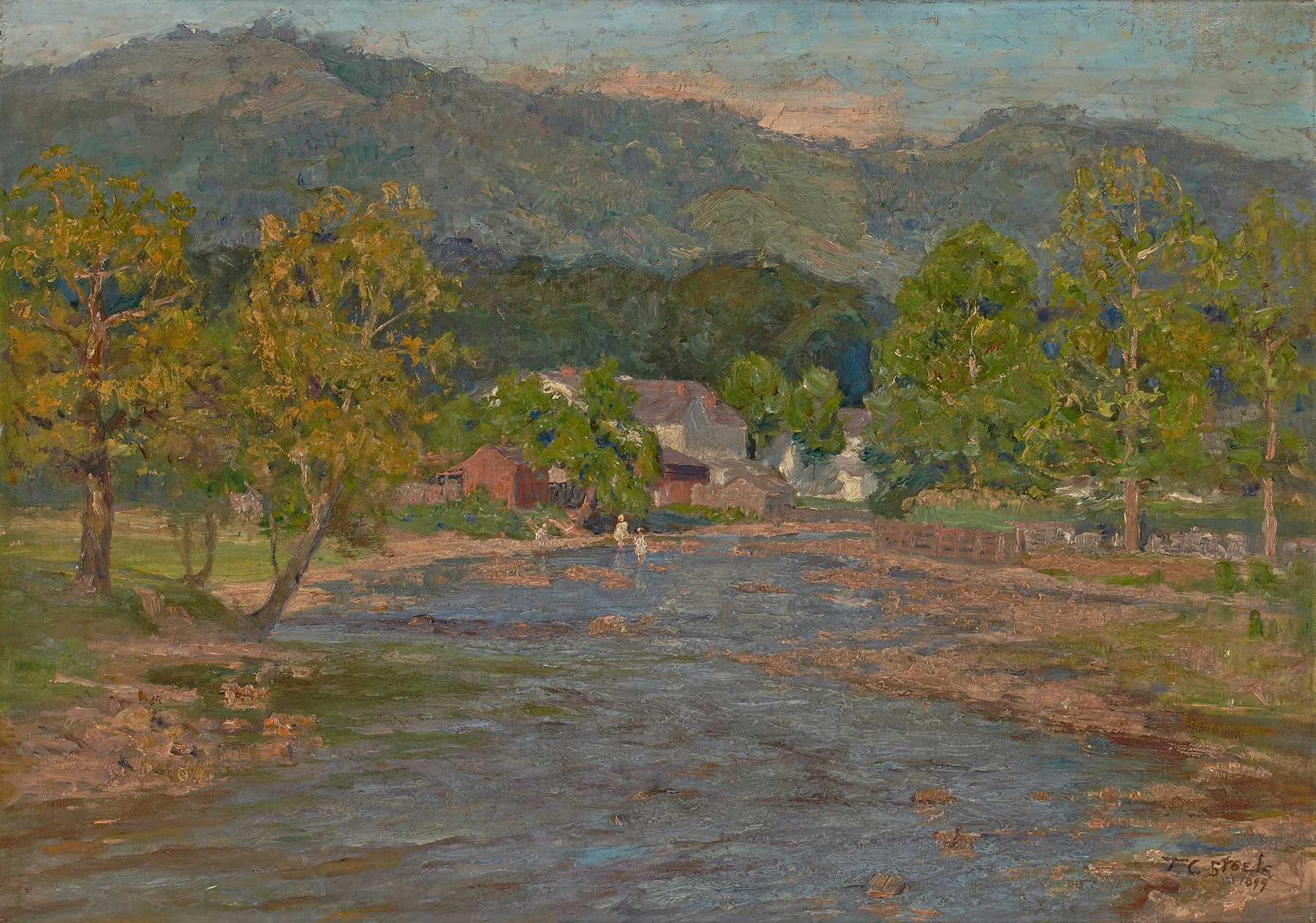
Landscape
Theodore Clement Steele
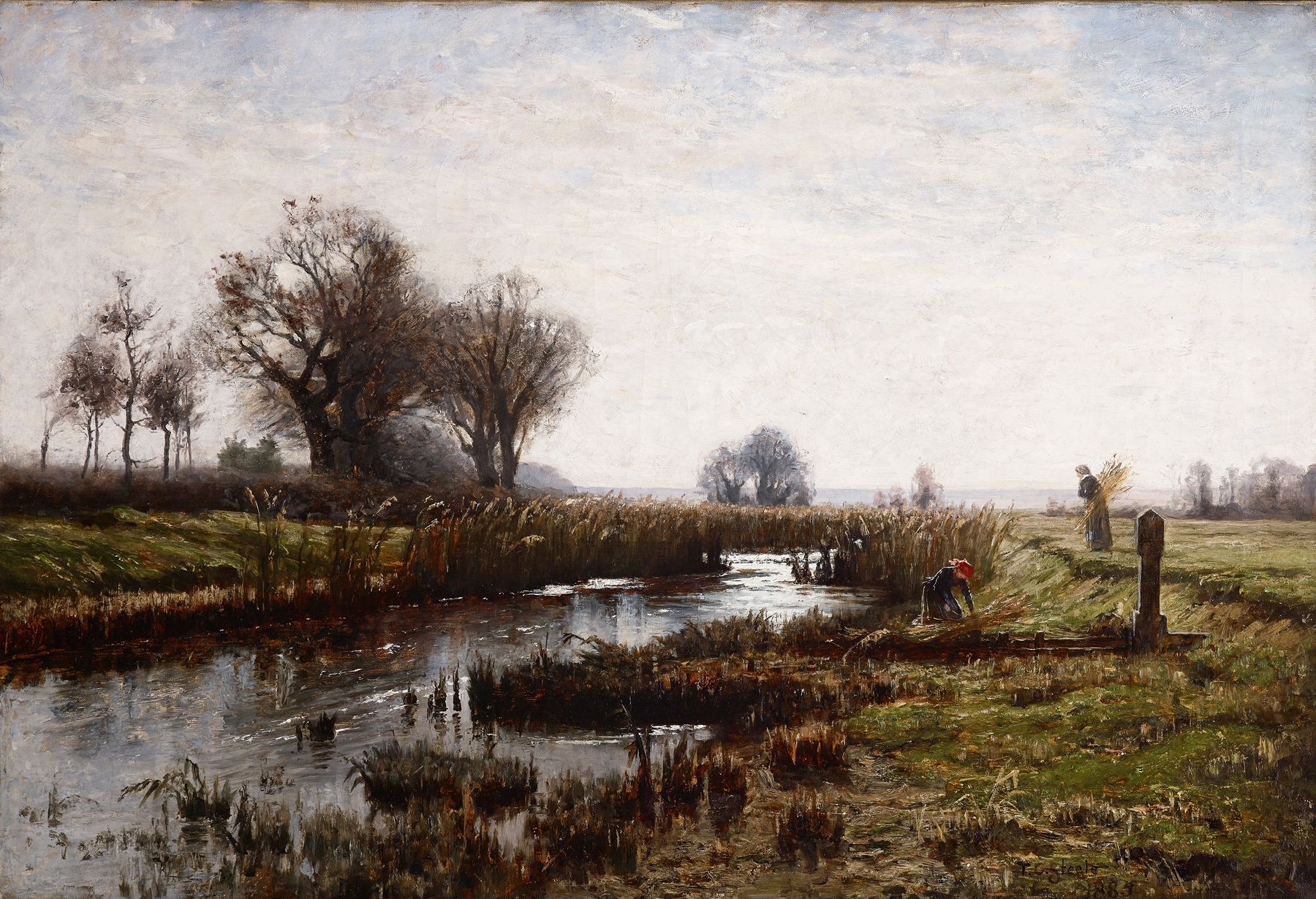
Late Afternoon, Dachau Moor
Theodore Clement Steele
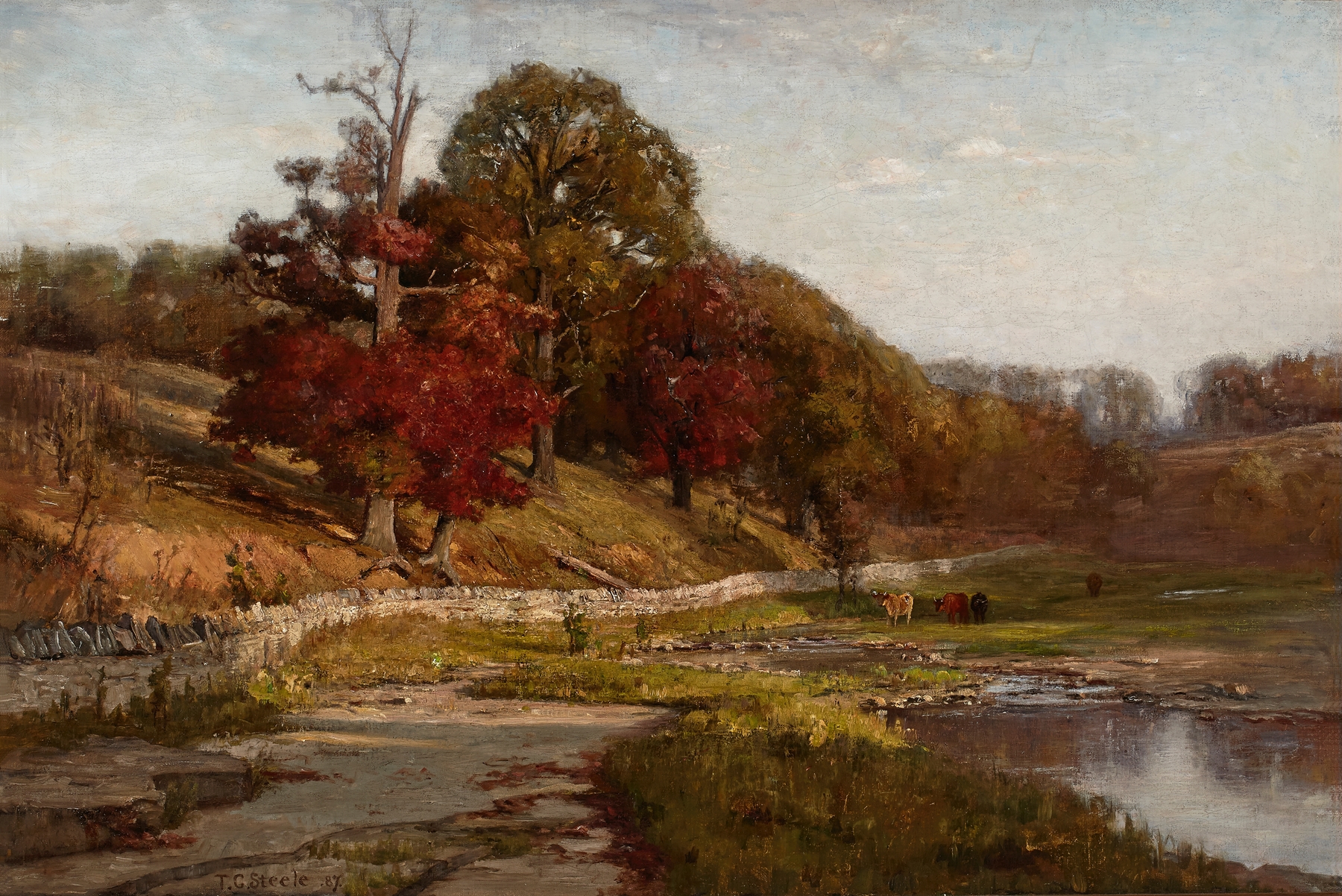
Oaks of Vernon
Theodore Clement Steele