
Watch Tower in Italy — History & Facts
In Watch Tower in Italy, Frederic Edwin Church invites us to confront the thin boundary between serene beauty and underlying madness. The vibrant hues and sweeping vistas beckon us into an enchanting landscape, yet the deeper we delve, the more we sense the tumultuous nature of existence lurking beneath the surface. Look to the left at the interplay of light and shadow, where the sun filters through a canopy of lush trees, illuminating the rugged stone tower that stands vigil against the sky. The composition draws the eye upward, as the viewer’s gaze traverses the rolling hills and the expansive sky, filled with a tumult of clouds that hint at an approaching storm.
Rich greens, deep blues, and warm golds create a tapestry of color that envelops us, while the contrasting elements of solidity and transience evoke the complexities of both nature and human experience. Beyond the initial allure, the tower itself symbolizes isolation and the weight of observation. Its stoic presence amidst the vibrant landscape speaks to the duality of madness and clarity — a reminder that even in the most beautiful places, one can feel profoundly alone. The distant mountains loom like the shadows of our inner demons, challenging the viewer to contemplate what lies beneath the serene exterior and to question the sanity of the silence that surrounds the picturesque scene. Frederic Edwin Church painted Watch Tower in Italy in 1873 during a pivotal moment in his life, marked by both acclaim and personal struggles.
Having achieved success with his vivid landscapes, he sought inspiration abroad, reflecting the Romanticism that permeated the art world. It was a time when artists were exploring the depths of human emotion and the sublime in nature, and Church’s work embodies this exploration, capturing a moment of stillness while hinting at the madness that can lie in waiting.
More Artworks by Frederic Edwin Church
Browse all →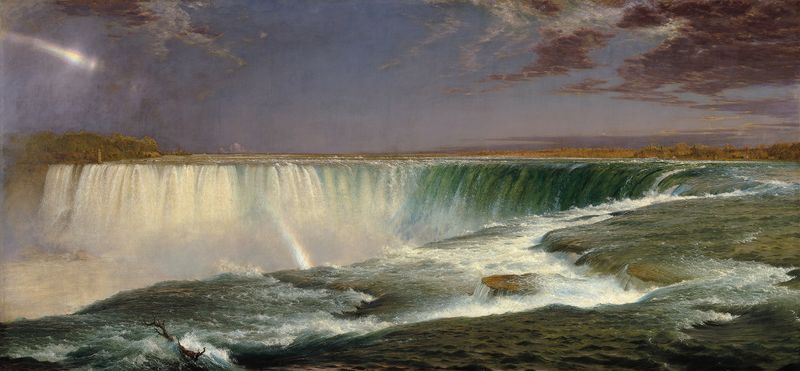
Niagara
Frederic Edwin Church
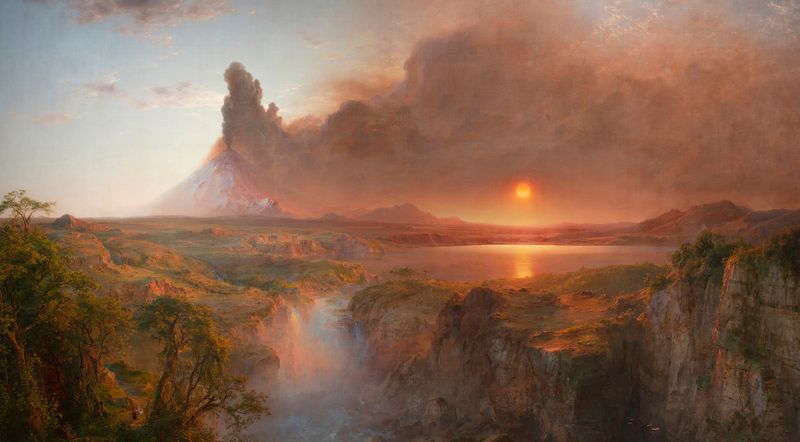
Cotopaxi
Frederic Edwin Church
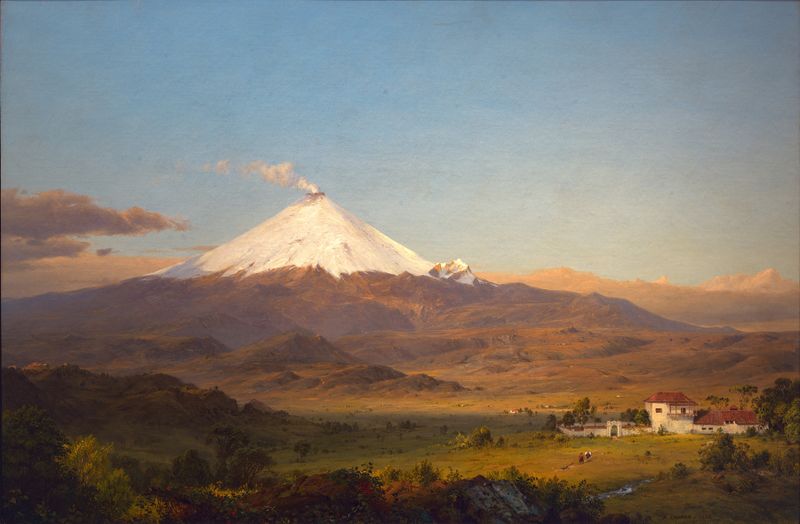
Cotopaxi
Frederic Edwin Church
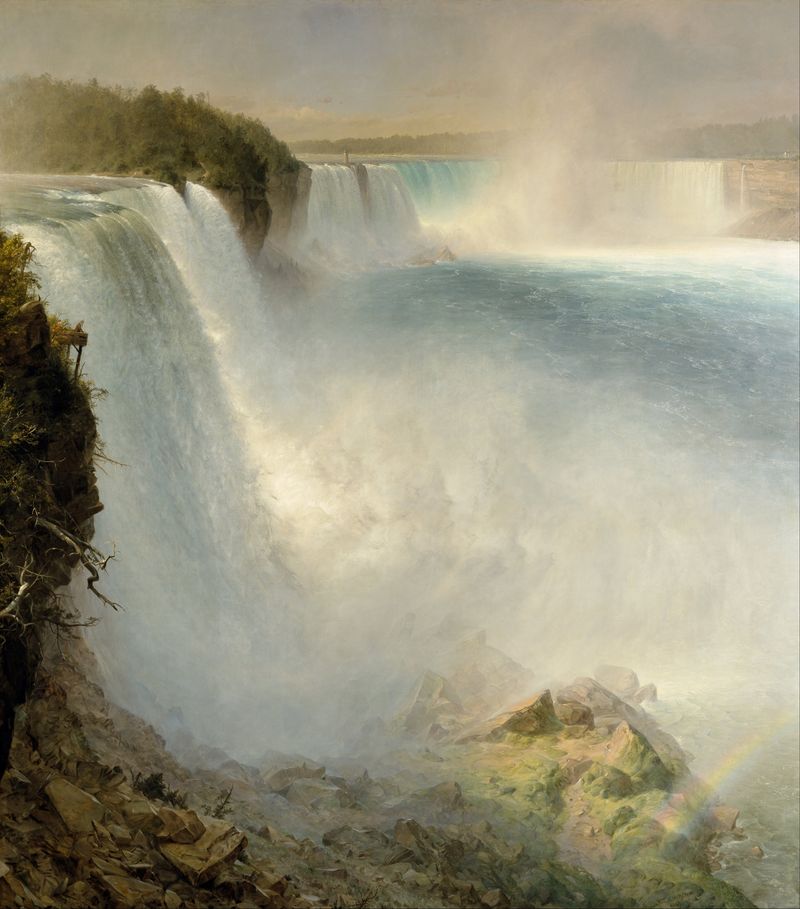
Niagara Falls, from the American Side
Frederic Edwin Church
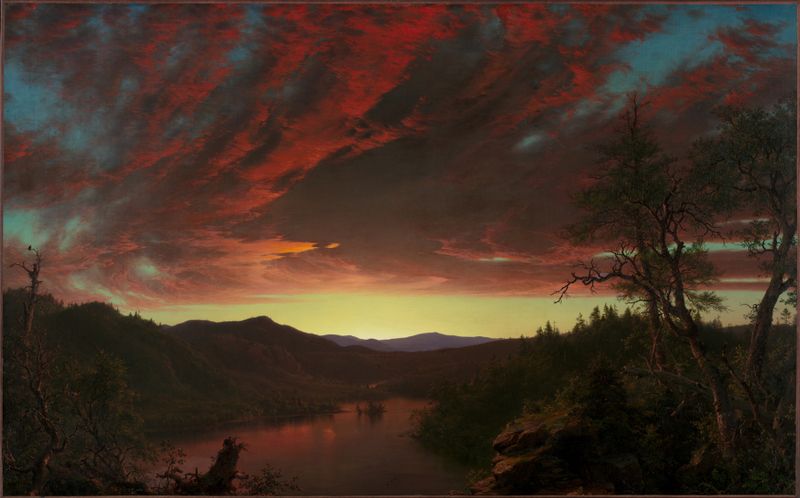
Twilight in the Wilderness
Frederic Edwin Church
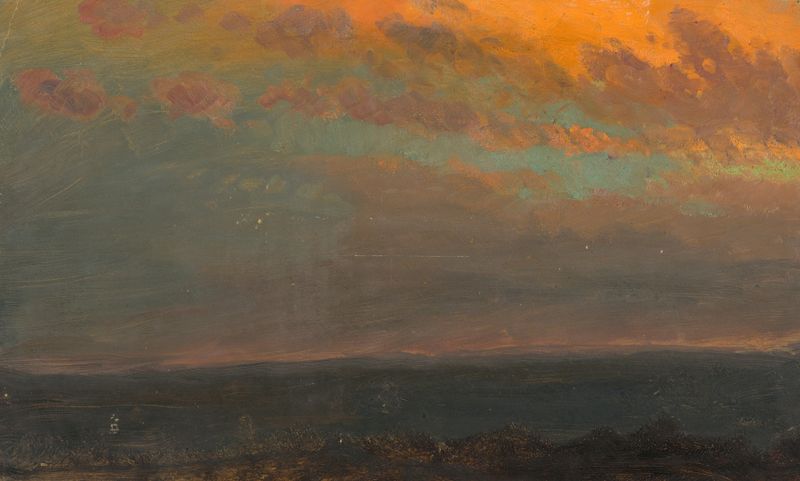
Hudson Valley at Sunset
Frederic Edwin Church
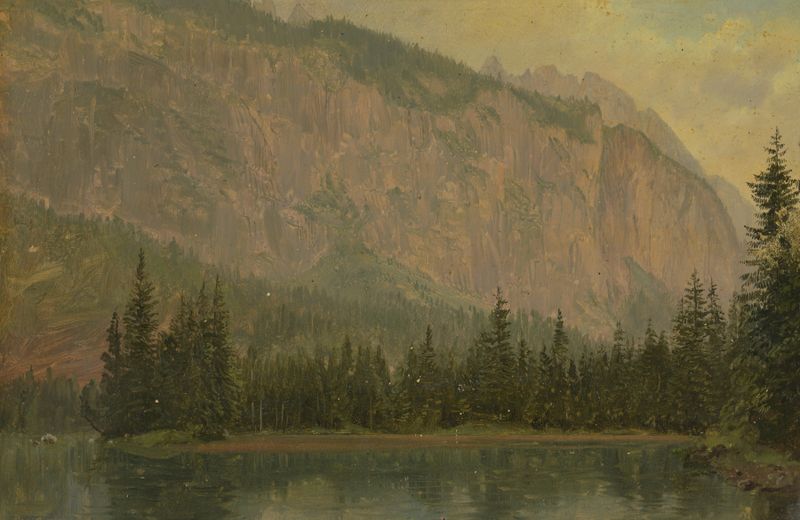
The Hintersee, near Berchtesgaden, Bavaria
Frederic Edwin Church
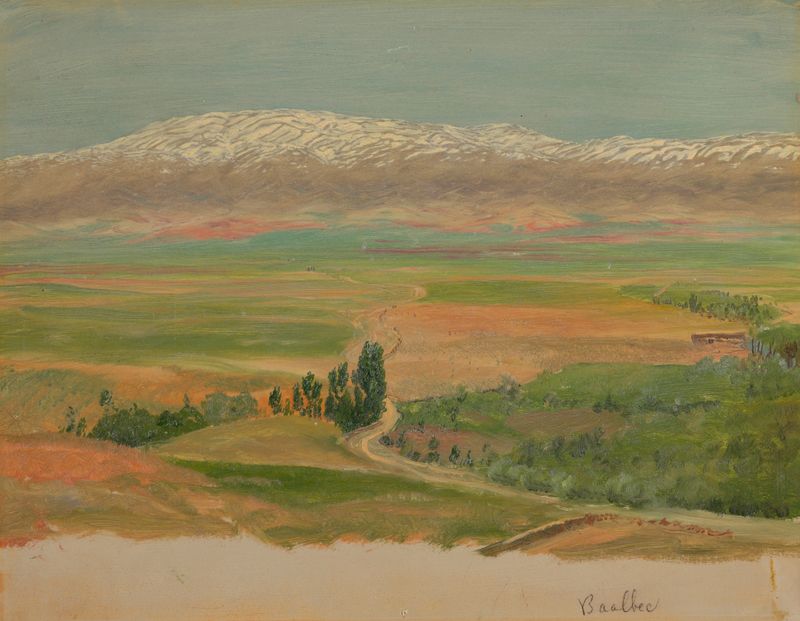
Mountains near Baalbec
Frederic Edwin Church
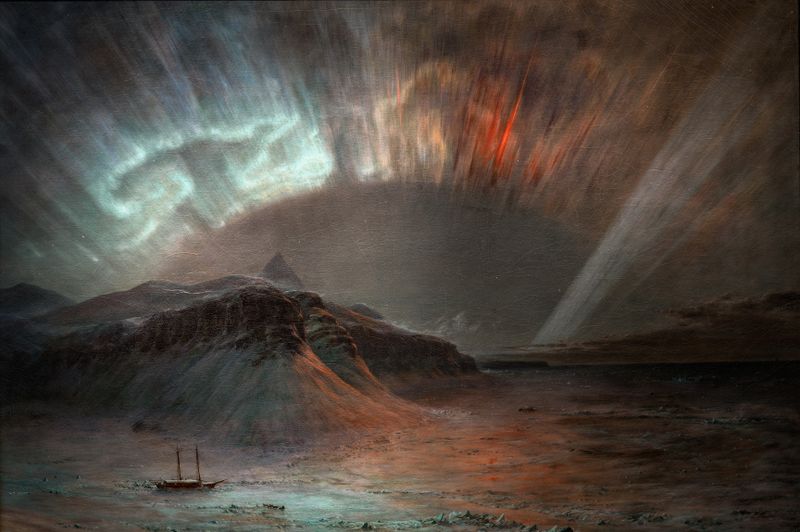
Aurora Borealis
Frederic Edwin Church
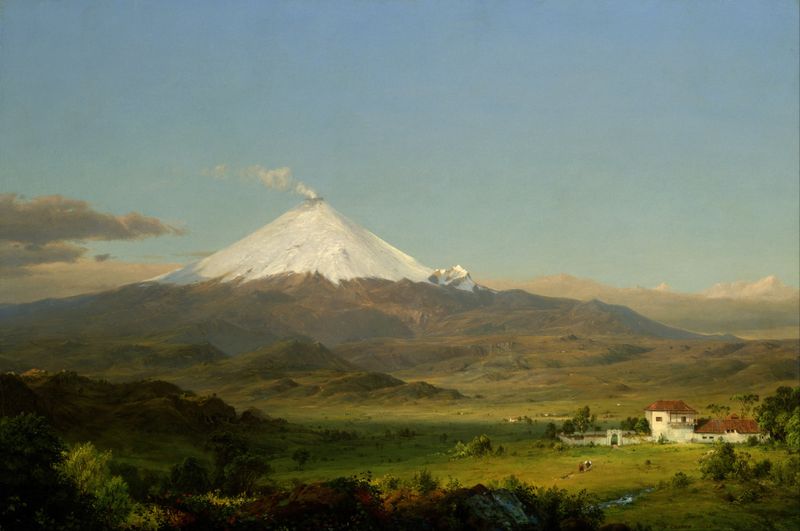
Cotopaxi
Frederic Edwin Church





