
Water in the Sun — History & Facts
When did color learn to lie? In Water in the Sun, a veil of melancholy drapes over the scene, where light and shadow dance a bittersweet waltz on the surface of tranquil waters, whispering secrets of fleeting beauty. Look to the left at the shimmering reflections that ripple across the water, drawing you into the depths of the painter's intent. Notice the interplay of vibrant blues and soft yellows, where sunlight kisses the surface, blurring the boundary between reality and illusion. The delicately rendered textures evoke a sense of movement, as if the water is alive, beckoning you to ponder its hidden depths. Yet, beyond the initial beauty lies a poignant contrast—a quiet tension between the lively colors and the haunting stillness of the surrounding landscape.
The trees, shrouded in delicate strokes, stand sentinel, their muted greens and browns speaking to the passage of time. This juxtaposition evokes an underlying sense of loss and nostalgia, hinting at the fleeting nature of moments that shimmer yet fade away. In 1902, Jan Stanisławski created this work while immersed in the vibrant artistic community of Poland. His exploration of color and light was pioneering during a time when artists were seeking new ways to express emotion through their palettes.
The world was shifting, with the rise of Modernism challenging traditional forms; Stanisławski's embrace of color was both a reflection of his inner world and a response to the evolving landscape of art.
More Artworks by Jan Stanisławski
Browse all →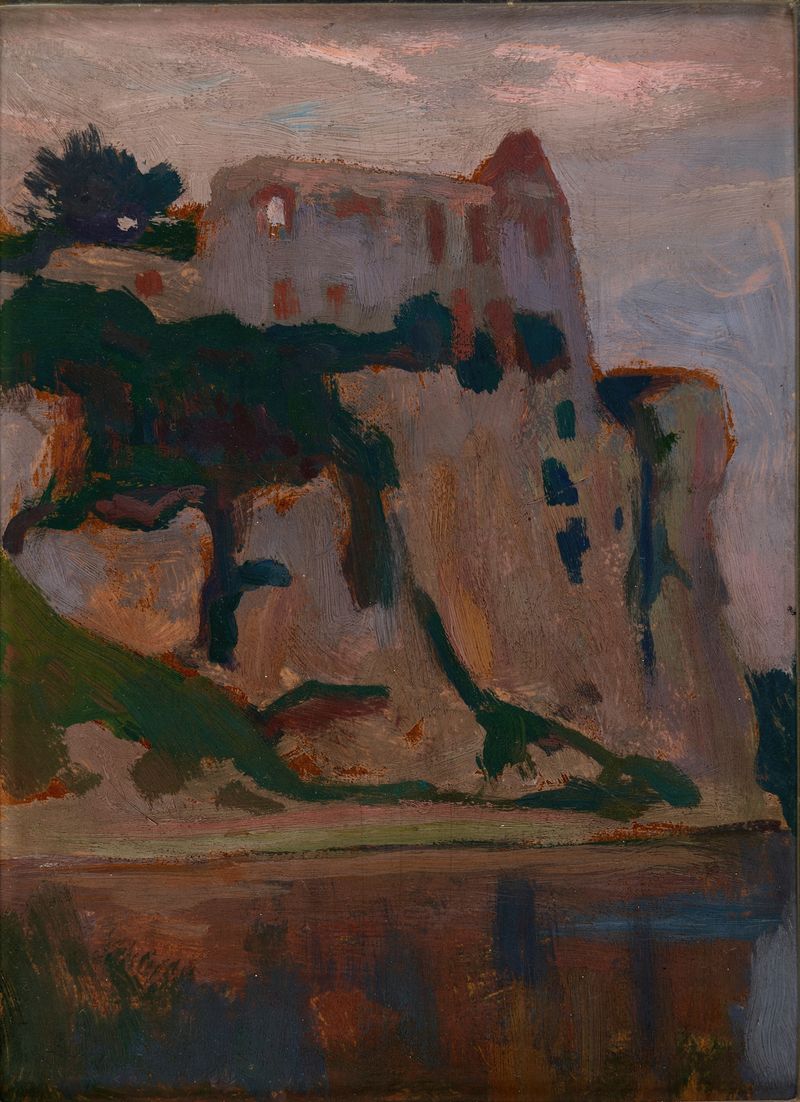
Tyniec at Dawn
Jan Stanisławski
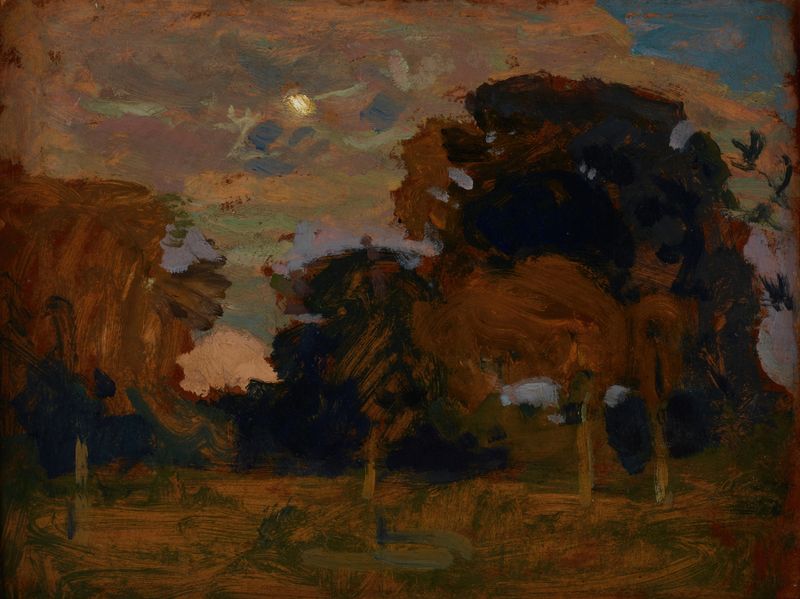
Moon in the Clouds
Jan Stanisławski
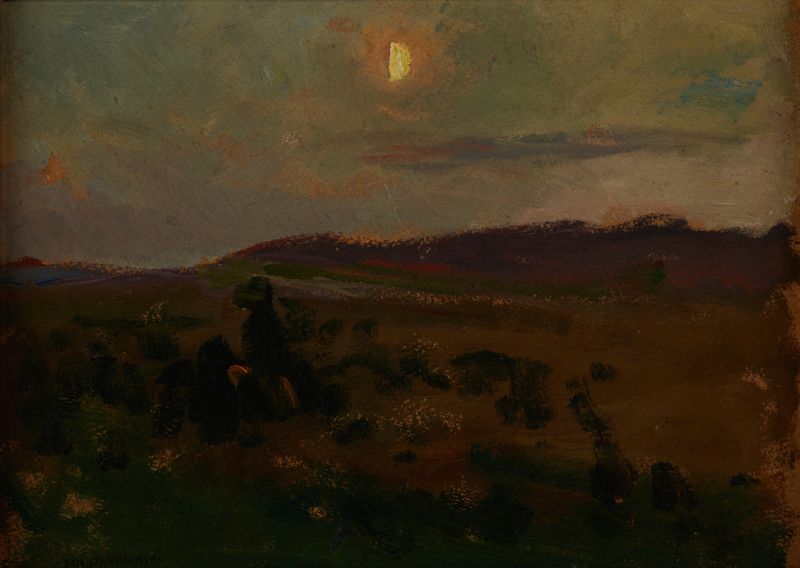
Moonrise
Jan Stanisławski
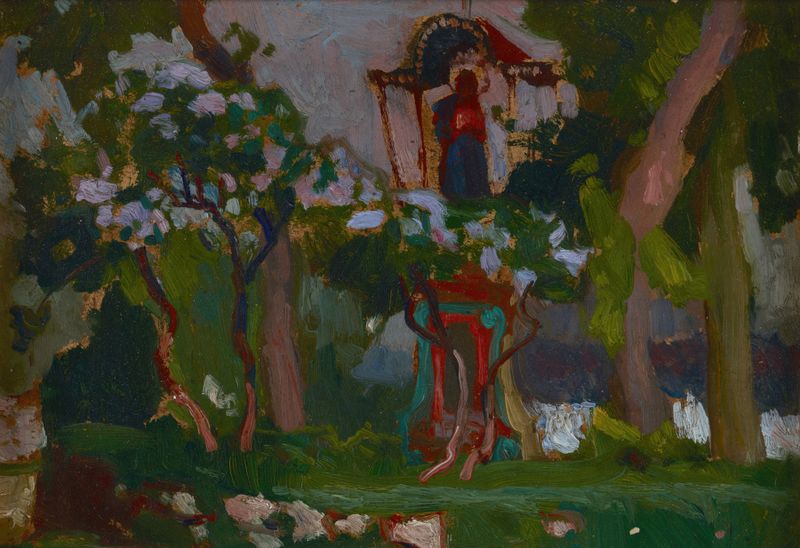
May
Jan Stanisławski
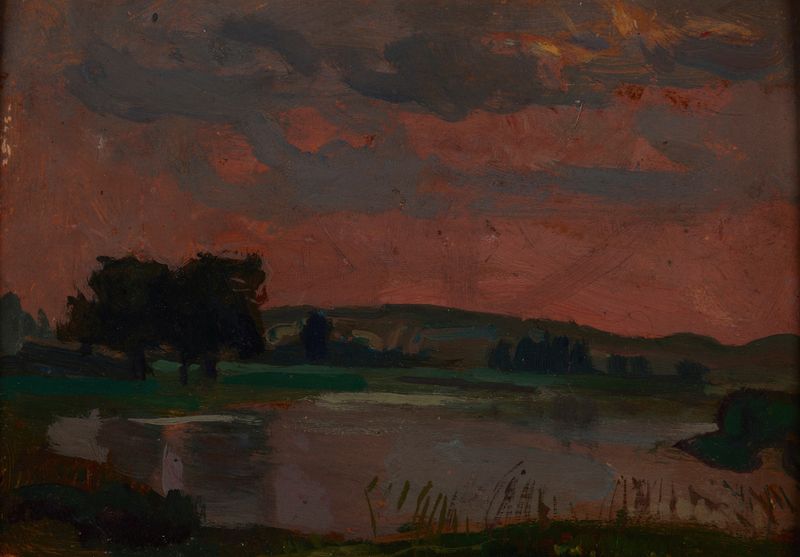
The Vistula in the Twilight
Jan Stanisławski
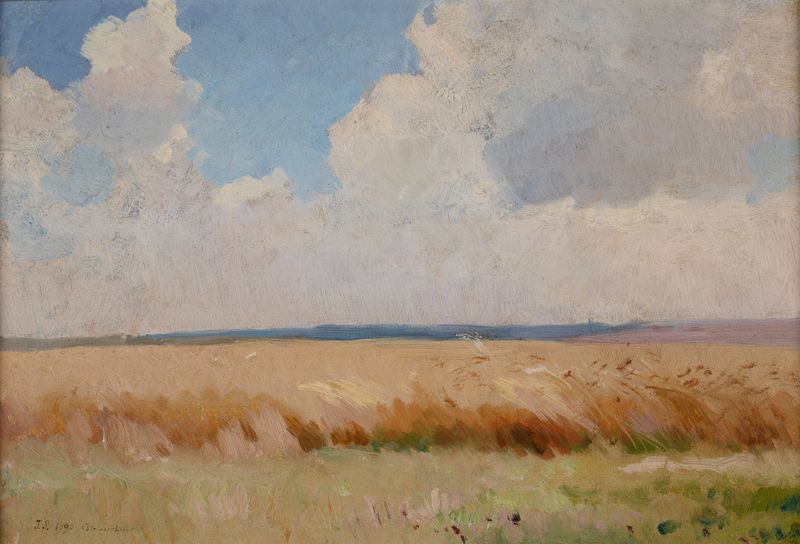
Field at Białocerkiew (Bila Tserkva)
Jan Stanisławski
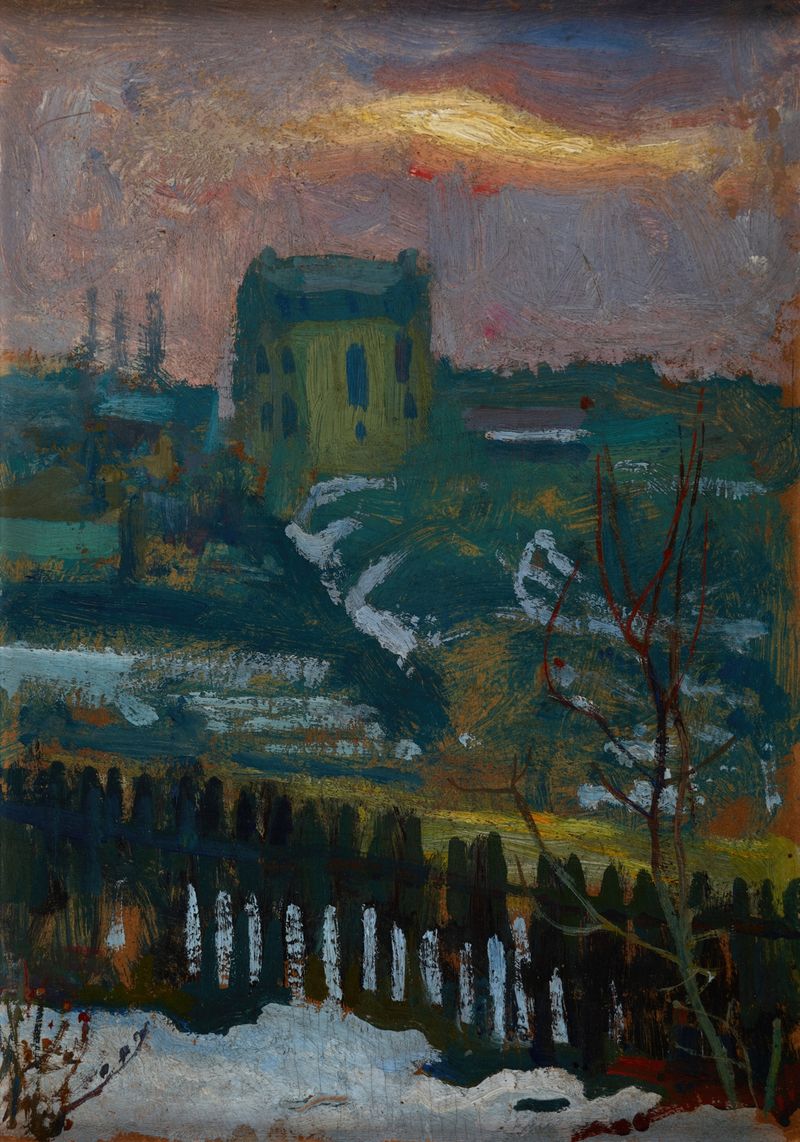
House in Winter
Jan Stanisławski
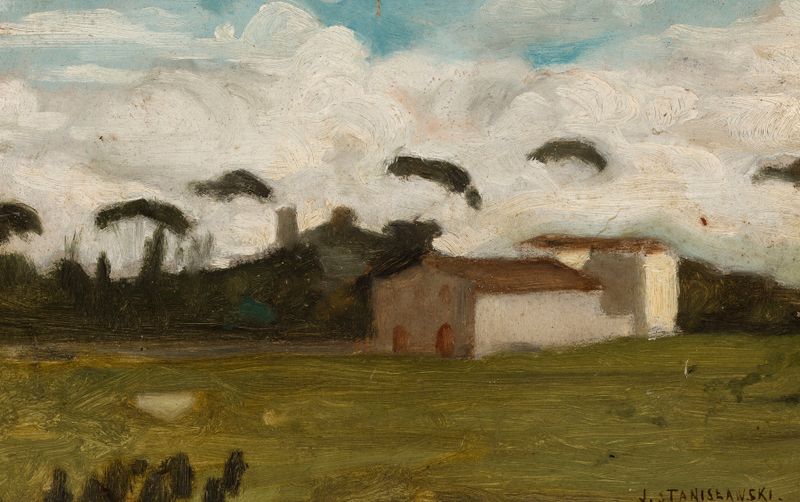
Landscape
Jan Stanisławski
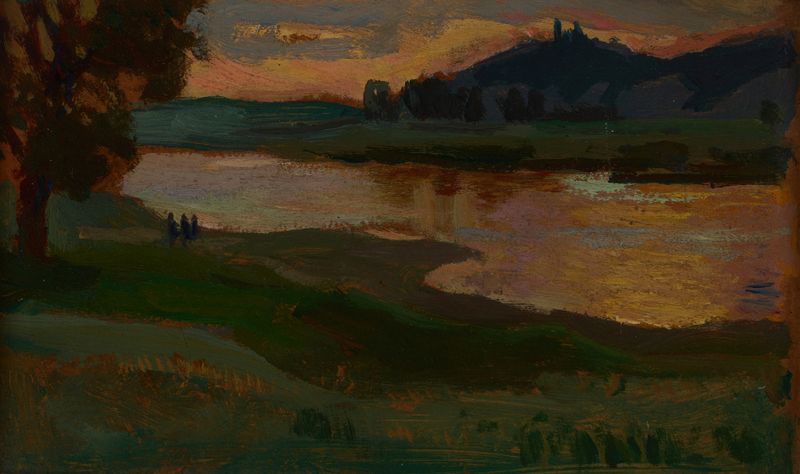
Bielany at Dusk
Jan Stanisławski
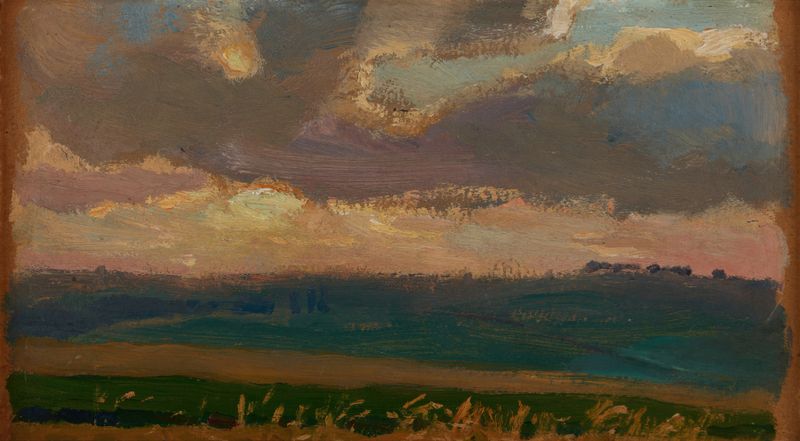
Fields at Proszowice
Jan Stanisławski





