
Waterfall — History & Facts
Can beauty exist without sorrow? In the delicate interplay of nature, the answer dances between joy and melancholy, much like the cascading waters of a waterfall. Look to the center, where the waterfall spills over jagged rocks, its powerful rush captured with fluid brushstrokes that mimic its movement. The artist masterfully employs a palette of soft blues and whites, contrasting the rugged earth tones of the rocks, inviting the viewer to feel the cool mist rising from the cascade. Notice how light filters through the surrounding foliage, creating a shimmering halo that embodies both serenity and dynamism. As you explore the scene, consider the hidden meanings within the composition.
The waterfall symbolizes transformation — a natural cycle that reflects both the beauty and the inevitable passage of time. The tension between the fluidity of the water and the firmness of the rocks beneath it reveals a profound relationship between strength and fragility. This harmony of contrasts invites reflection on personal change and the bittersweet nature of existence. In 1924, the artist painted this work during a time of immense change in Japan, as the country was transitioning into modernity following the Meiji Restoration.
Hiroshi was part of the Shin-hanga movement, which sought to blend traditional woodblock techniques with Western influences. His approach to capturing landscapes was deeply influenced by the romanticism of his era, as he sought to express the emotional resonance of nature while reflecting the complexities of a rapidly evolving society.
More Artworks by Yoshida Hiroshi
Browse all →
Crytomeria Avenue (Sugi Namiki)
Yoshida Hiroshi
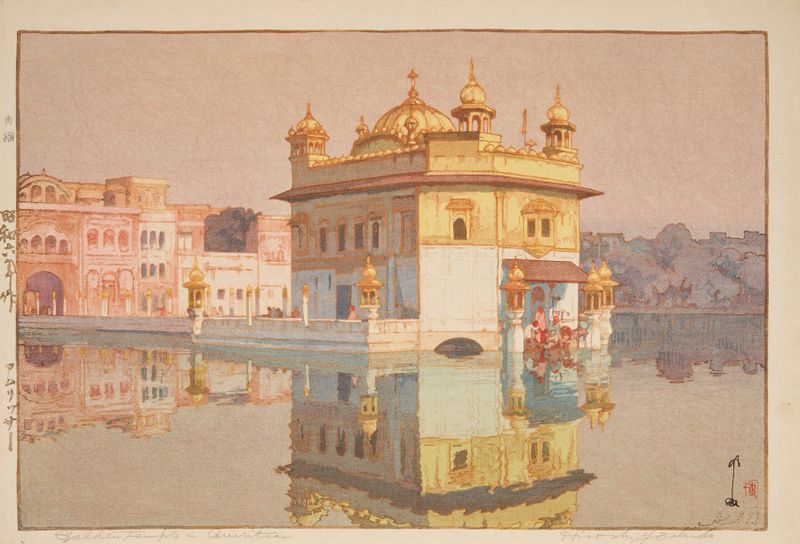
Amurissaa (Golden Temple in Amritsar)
Yoshida Hiroshi

High Gate in Ajmer (Ajumeru no Berenderuwajaa)
Yoshida Hiroshi

Fujiyama from Gotemba
Yoshida Hiroshi
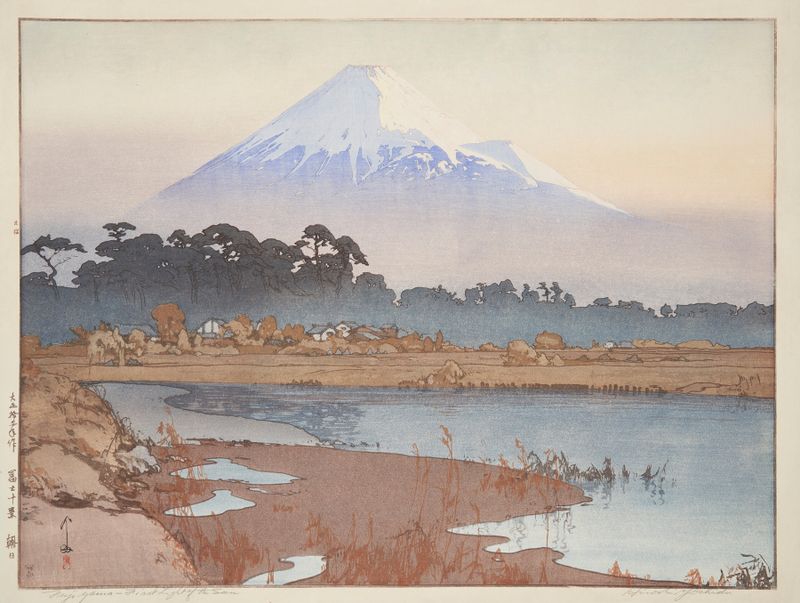
Asahi (Sunrise).
Yoshida Hiroshi
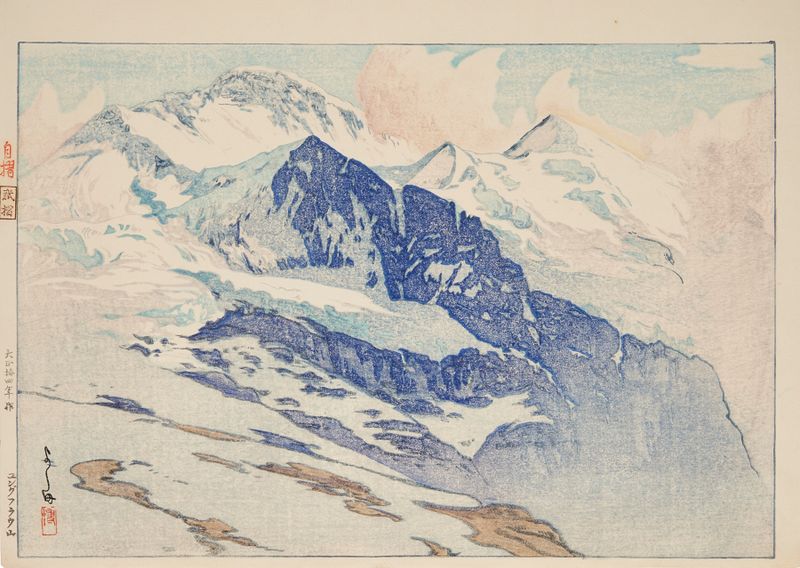
Yungufurau-yama (Jungfrau)
Yoshida Hiroshi
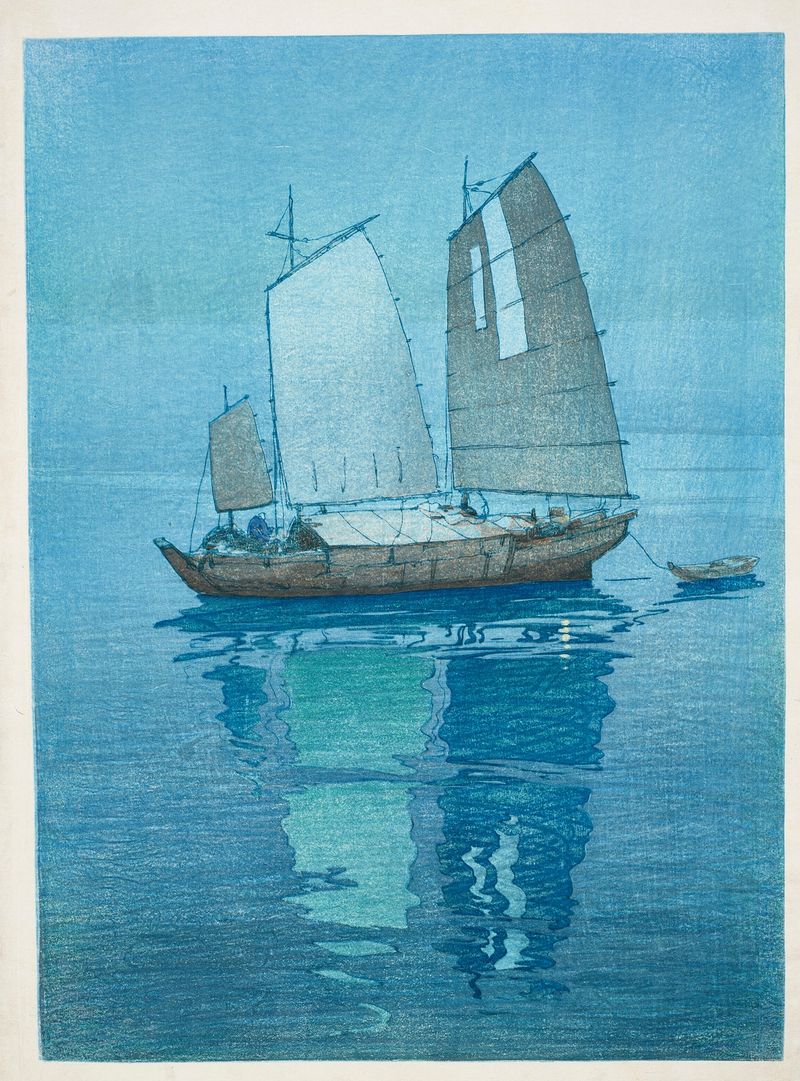
Hansen (Sailing Boats)
Yoshida Hiroshi
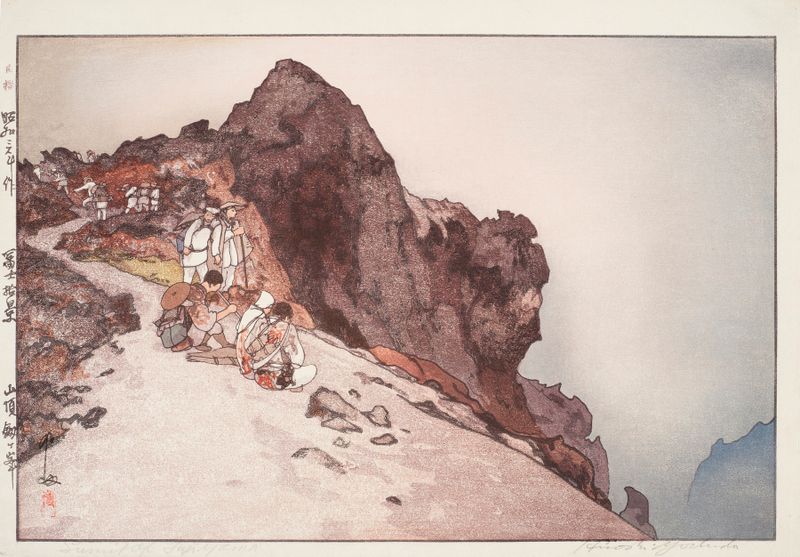
Summit of Mount Fuji
Yoshida Hiroshi

Sailing Boats — Night, from the series ‘The Seto Inland Sea’
Yoshida Hiroshi
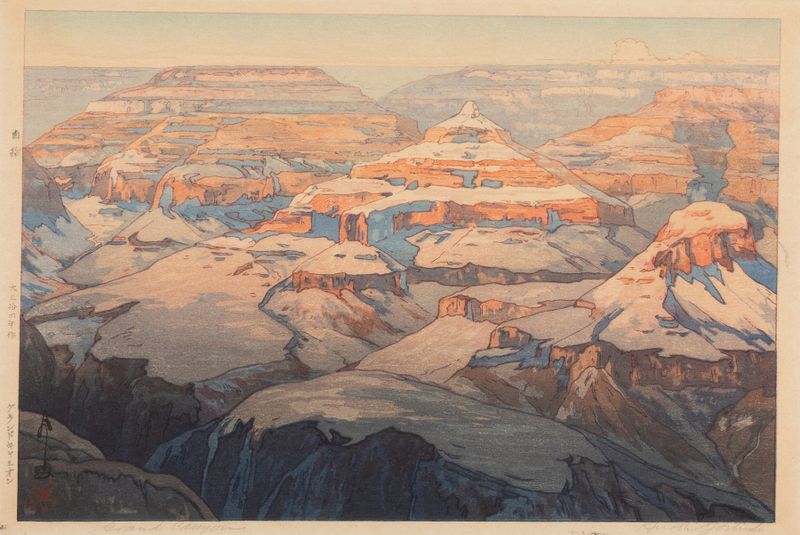
Grand Canyon (Gurando Kyanion)
Yoshida Hiroshi





