
Waterrijk landschap met reiger en jagers — History & Facts
In the tranquil waters, the lurking presence of madness whispers through the stillness, inviting a deeper examination of the psyche and nature intertwined. Look to the foreground where two hunters, clad in muted earth tones, blend seamlessly into the landscape. Their poised bows and attentive stances create a palpable tension, punctuated by the delicate white heron poised to take flight. The shimmering water reflects a spectrum of greens and blues, while wispy clouds drift lazily overhead, contrasting the urgency of the hunters’ intent.
The meticulous linework and layering of textures reveal Hollar's mastery of etching, inviting the viewer to trace the composition's careful balance between tranquility and tension. Delve deeper, and you'll notice how the heron's stillness echoes the hunters' focus, suggesting a dichotomy between predator and prey—an allegory for the madness that lurks in the hearts of men. The rippling water acts as a mirror, reflecting both the external landscape and the internal struggles of the figures, a reminder of the fragility of control when desire and instinct collide. Each element contributes to a broader commentary on the human condition, the unspoken narratives lurking beneath the surface of serene beauty. Wenceslaus Hollar created this intricate work in 1650 while living in England, having fled from the turmoil of the Thirty Years' War in Europe.
During this time, he was shifting his focus to the natural world, capturing the delicate interplay of light and shadow in landscapes, as well as the growing interest in detailed representation that defined the Baroque period. This piece exemplifies his ability to evoke both the serenity of nature and the underlying chaos of human ambition.
More Artworks by Wenceslaus Hollar
Browse all →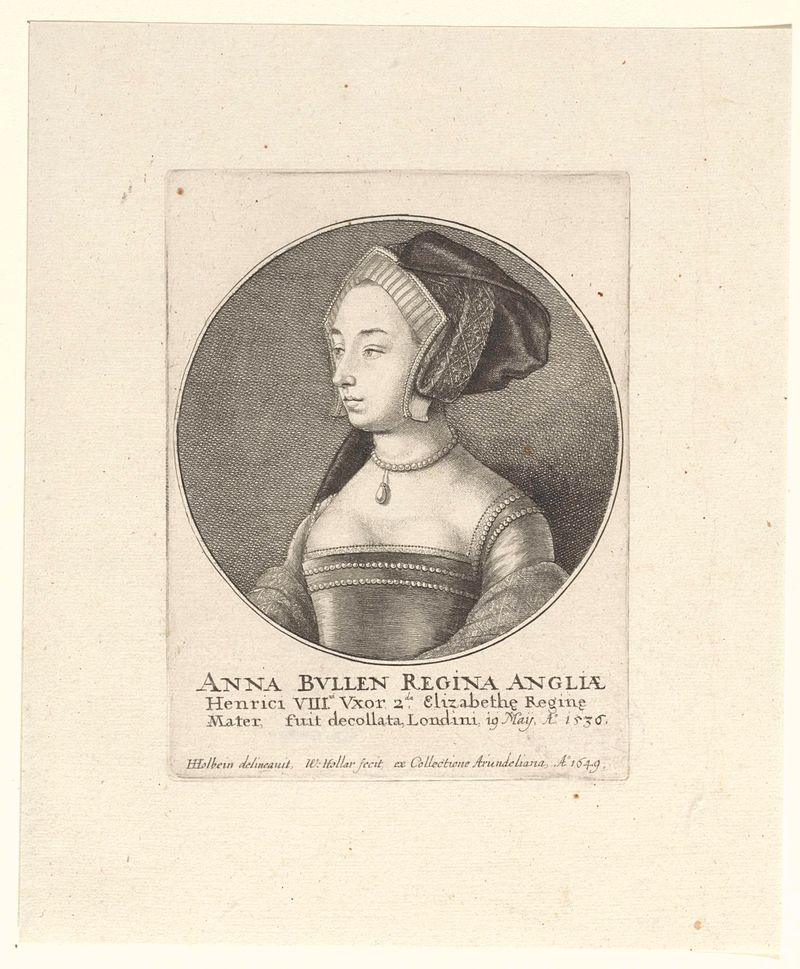
Portret van Anna Boleyn, koningin van Engeland
Wenceslaus Hollar
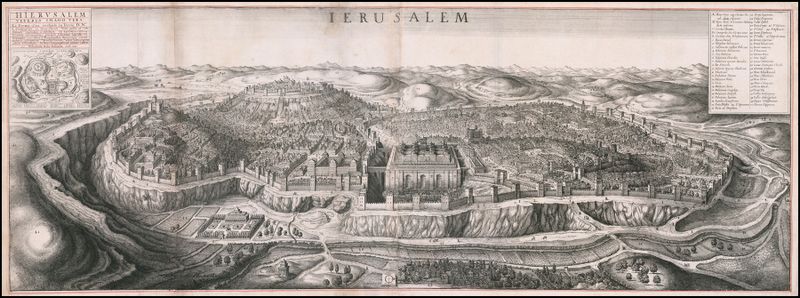
Bird’s eye view of Jerusalem
Wenceslaus Hollar
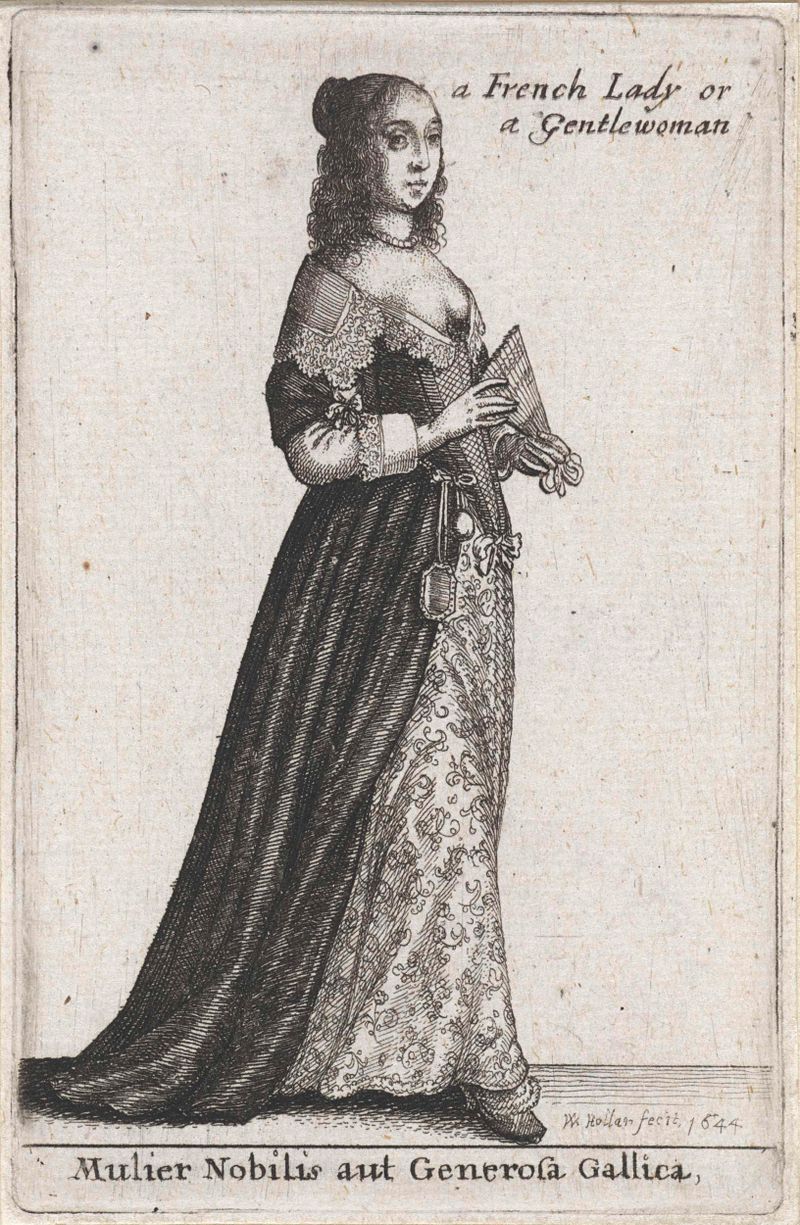
Mulier Nobilis aut Generosa Gallica / a French Lady or Gentlewoman
Wenceslaus Hollar
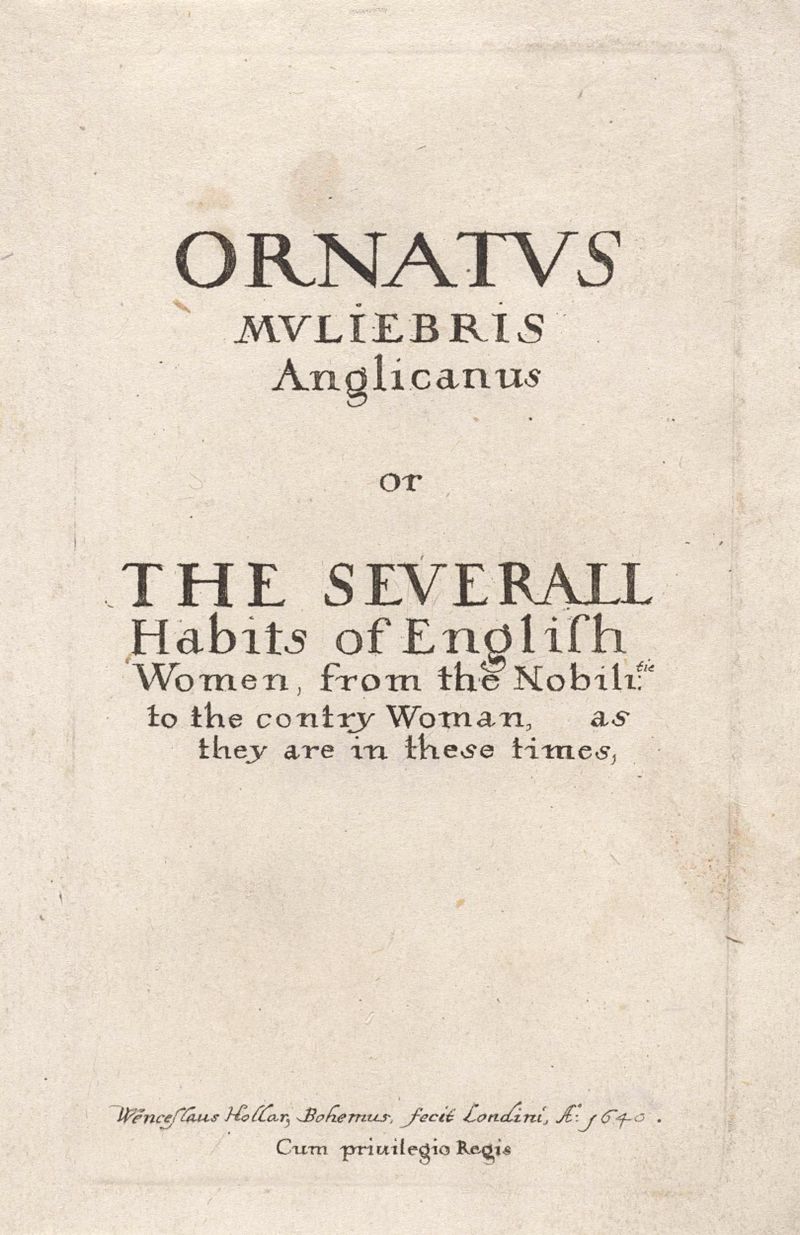
Titelprent voor: Ornatus Muliebris Anglicanus
Wenceslaus Hollar
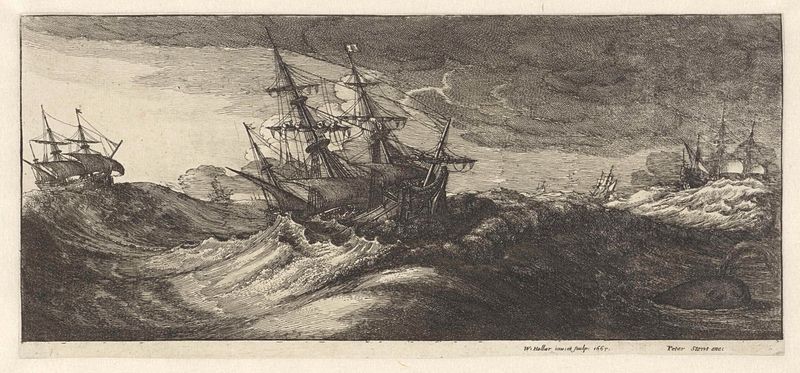
Oorlogsschepen en een walvis in een zeestorm
Wenceslaus Hollar
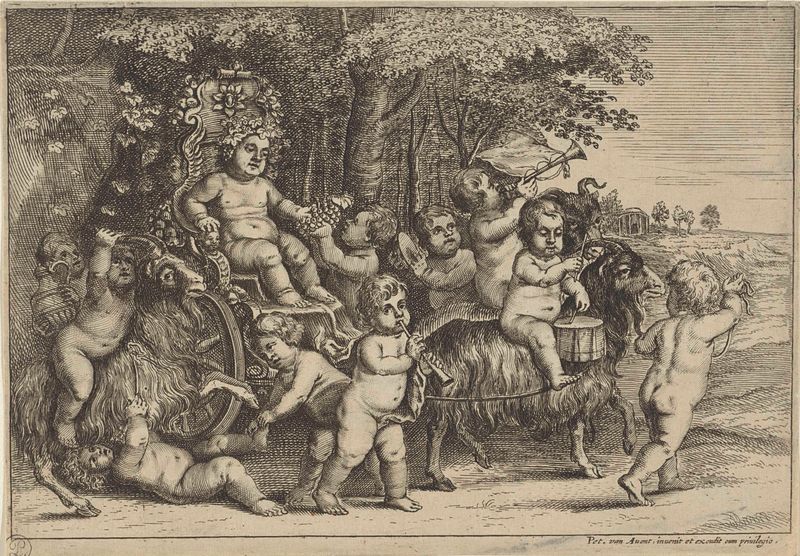
Optocht van bacchant en jongetjes op geiten
Wenceslaus Hollar
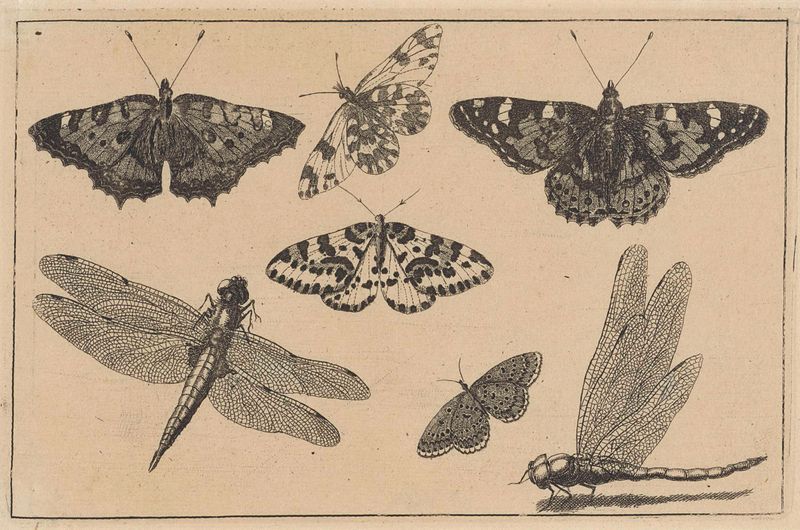
Twee libellen en vijf vlinders
Wenceslaus Hollar
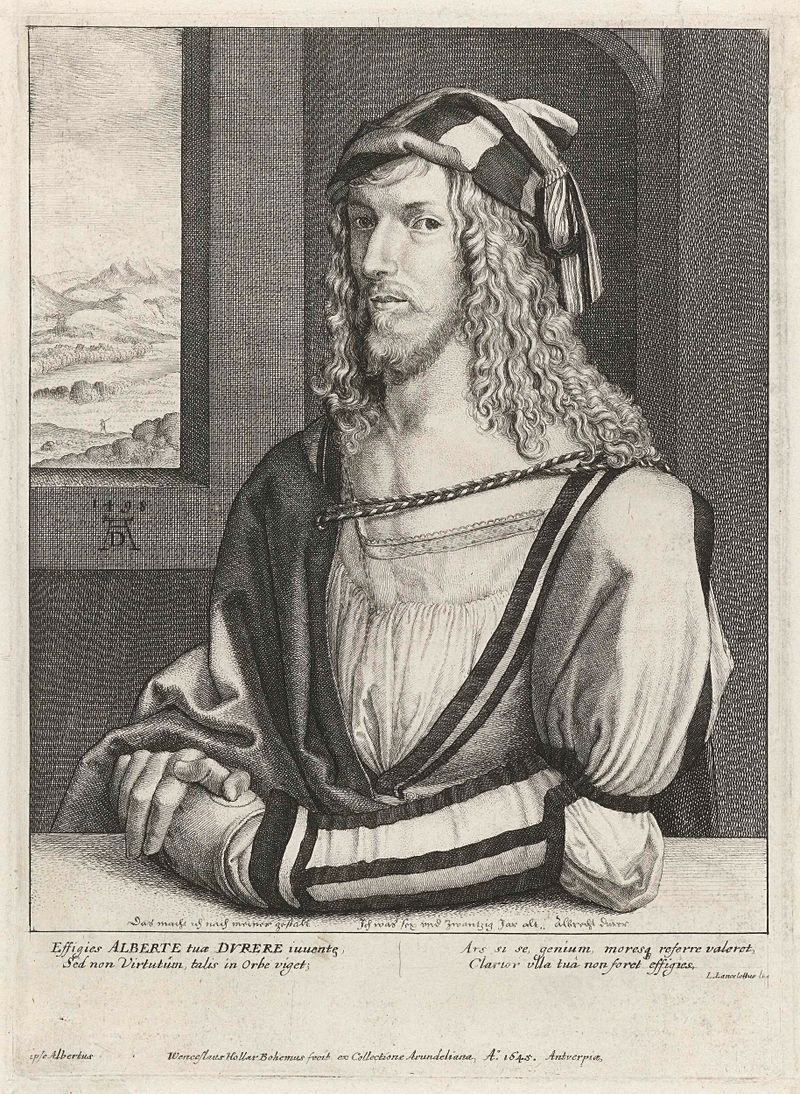
Portret van Albrecht Dürer
Wenceslaus Hollar
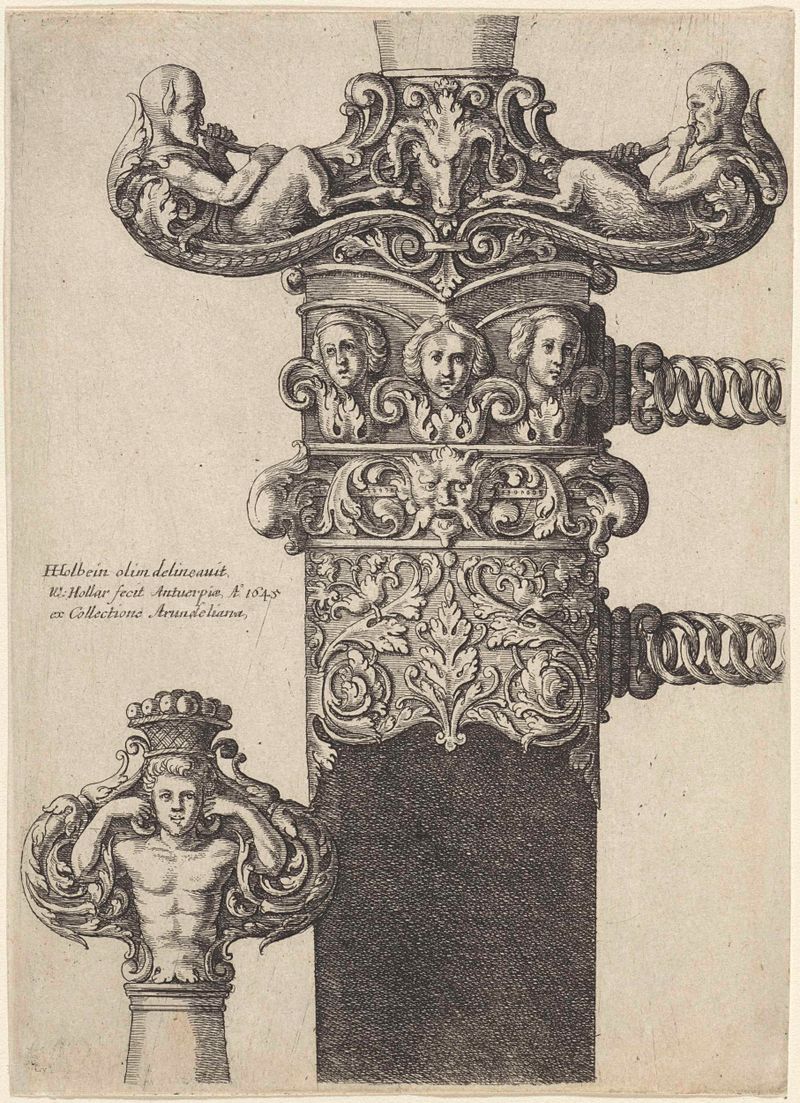
Ornamenteel ontwerp voor een dolk
Wenceslaus Hollar
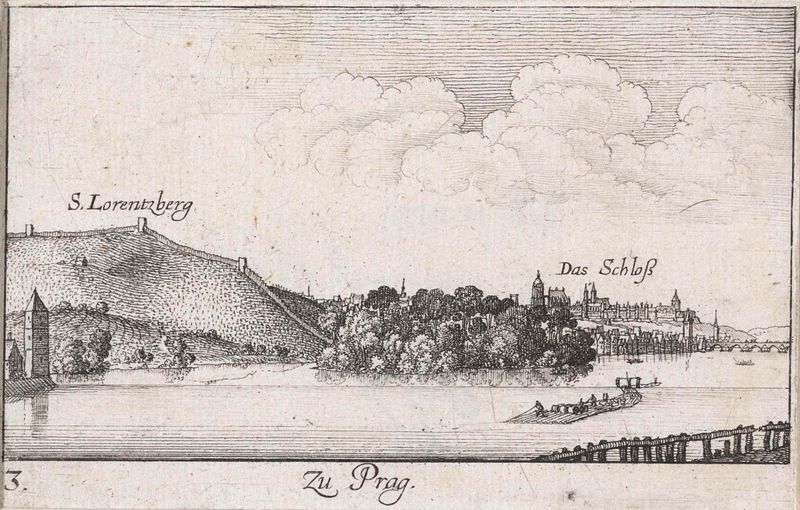
Gezicht op Praag vanaf de Moldau
Wenceslaus Hollar





