Watervogel — History & Facts
Could beauty survive in a century of chaos? The delicate intentions of art often clash with the turmoil of the times, revealing a profound resilience against madness. Look closely at the intricate lines that form the elegant curves of the waterfowl in Watervogel. Notice how Hollar meticulously crafts the feathers, each stroke a testament to the artist’s skill in etching. The play of light and shadow dances across the bird’s form, emphasizing its grace while drawing the viewer’s eye to the tranquil waters below.
The minimalist background allows the subject to take center stage, inviting contemplation on both simplicity and complexity. Upon deeper reflection, the waterbird stands as a symbol of serenity amidst chaos. The stillness of the creature juxtaposed with the swirling currents beneath hints at an underlying tumult, suggesting that peace coexists with turmoil. Moreover, the precision of Hollar’s technique contrasts sharply with the emotional upheaval of 17th-century Europe, where war and strife were rampant, reflecting a world in need of harmony. Wenceslaus Hollar created Watervogel in 1646, a time when the Thirty Years' War was reshaping Europe’s political landscape.
Living in exile in the Netherlands, Hollar engaged with a network of artists and intellectuals, striving to encapsulate the fleeting beauty in nature. His work serves as both a testament to his personal struggles and a broader commentary on the desire for tranquility amid societal chaos.
More Artworks by Wenceslaus Hollar
Browse all →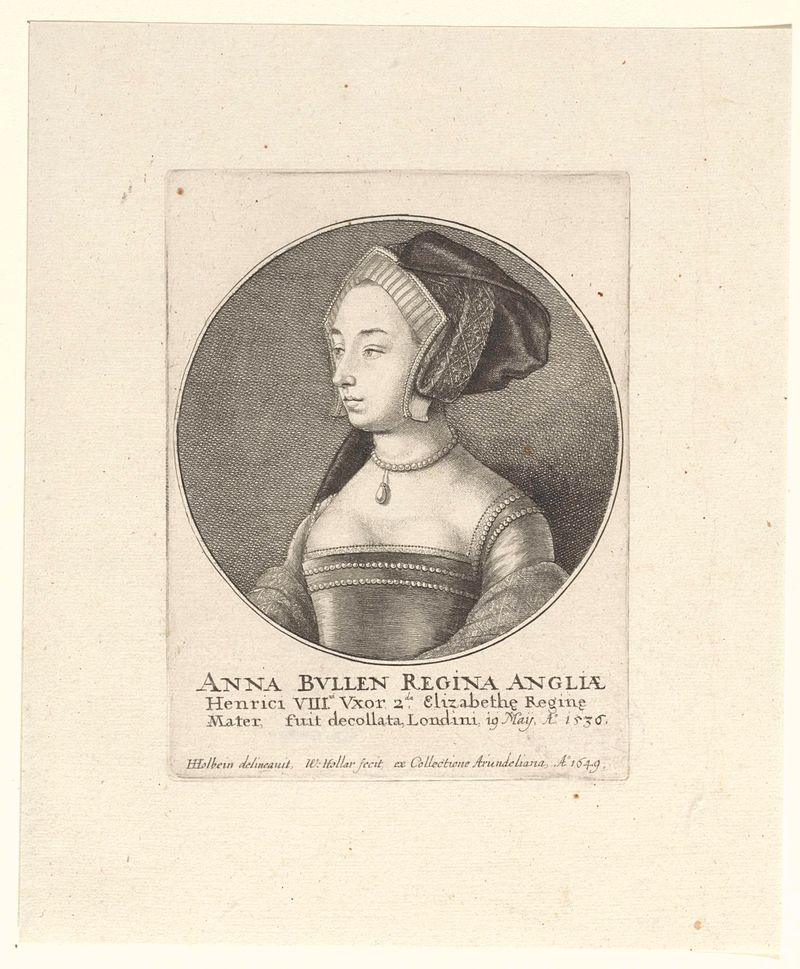
Portret van Anna Boleyn, koningin van Engeland
Wenceslaus Hollar
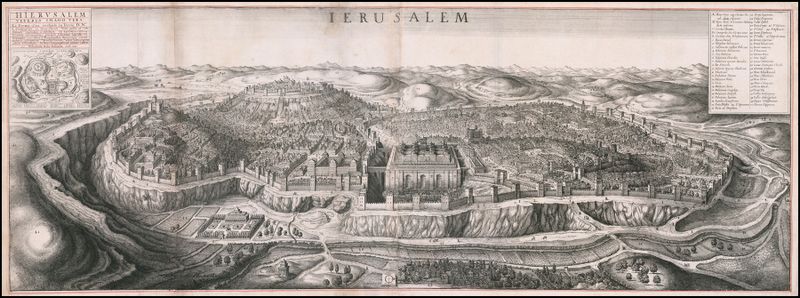
Bird’s eye view of Jerusalem
Wenceslaus Hollar
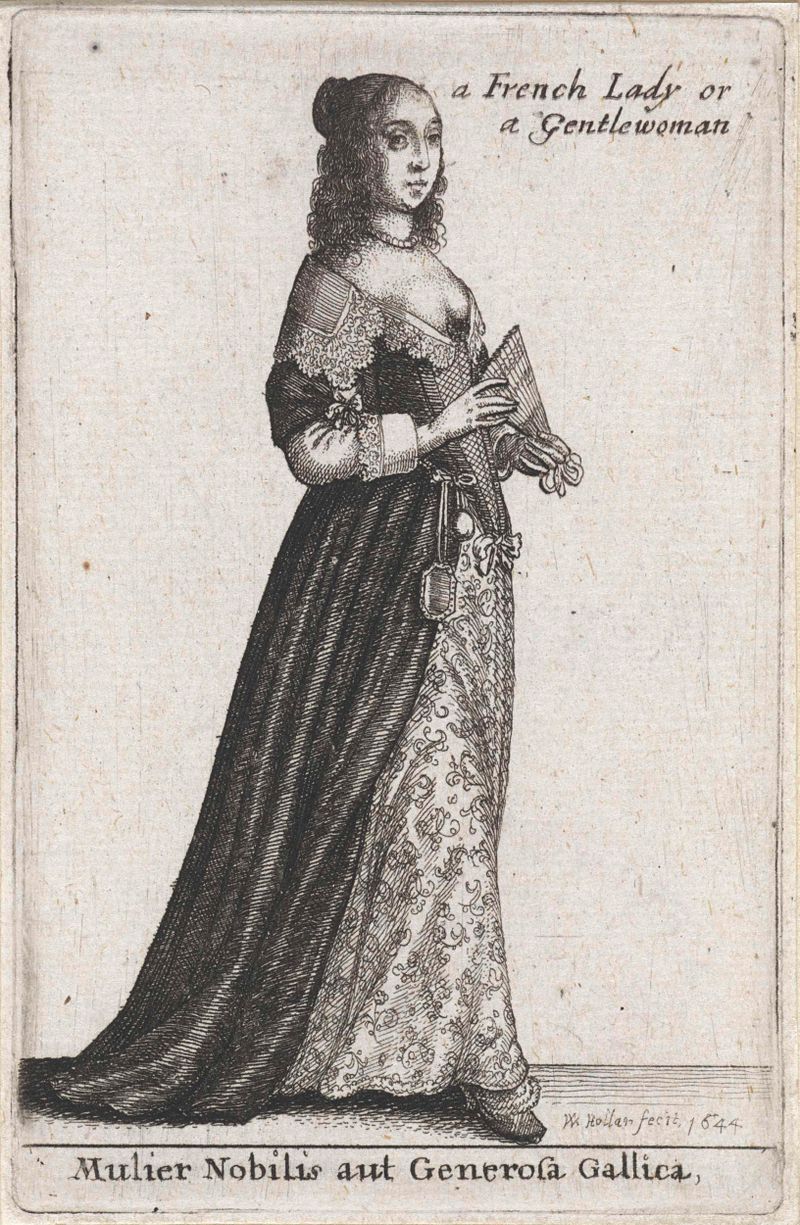
Mulier Nobilis aut Generosa Gallica / a French Lady or Gentlewoman
Wenceslaus Hollar
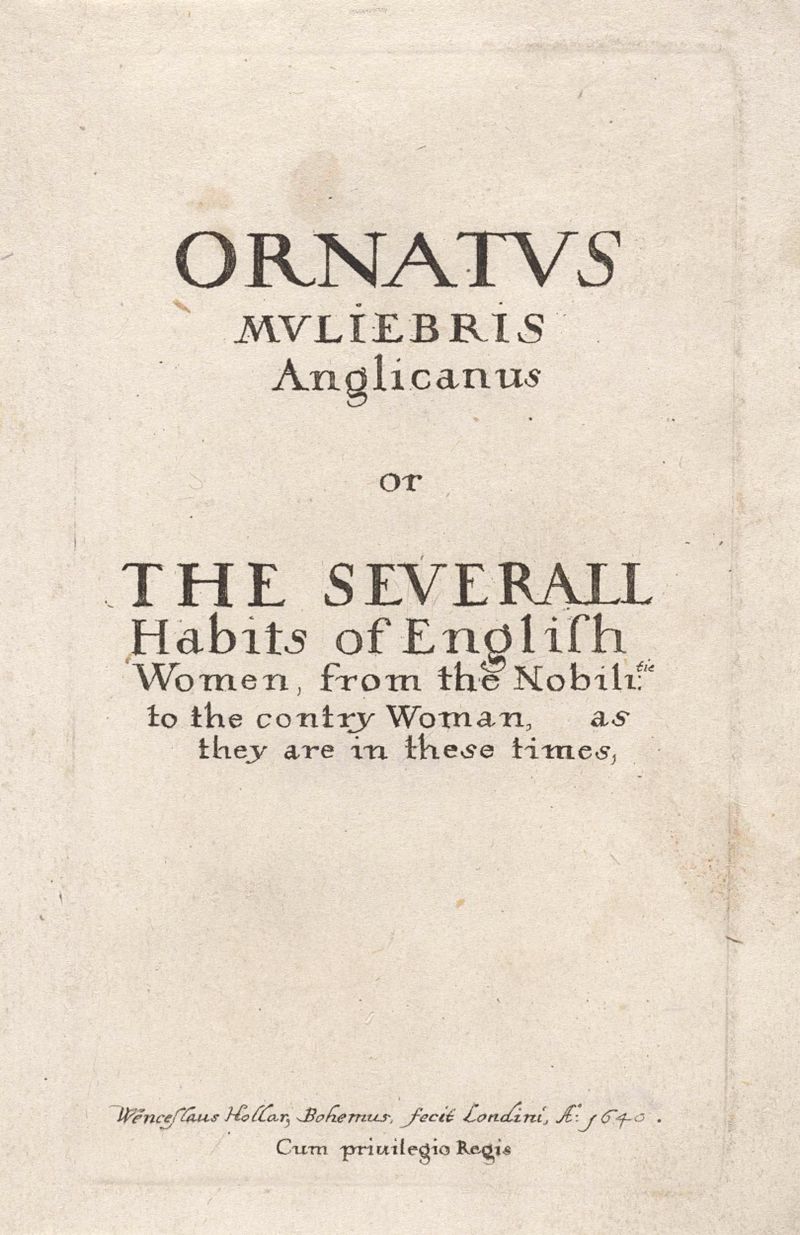
Titelprent voor: Ornatus Muliebris Anglicanus
Wenceslaus Hollar
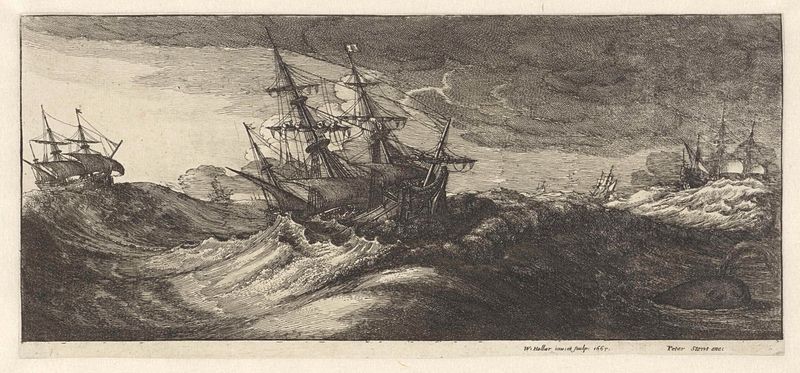
Oorlogsschepen en een walvis in een zeestorm
Wenceslaus Hollar
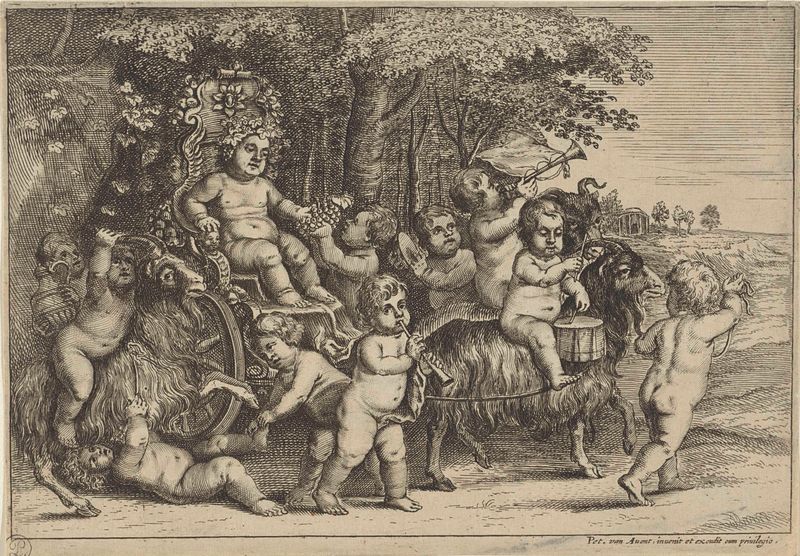
Optocht van bacchant en jongetjes op geiten
Wenceslaus Hollar
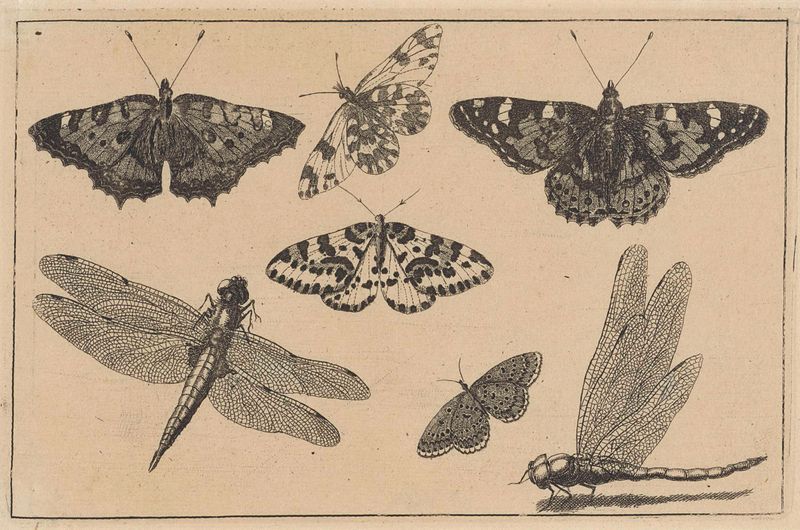
Twee libellen en vijf vlinders
Wenceslaus Hollar
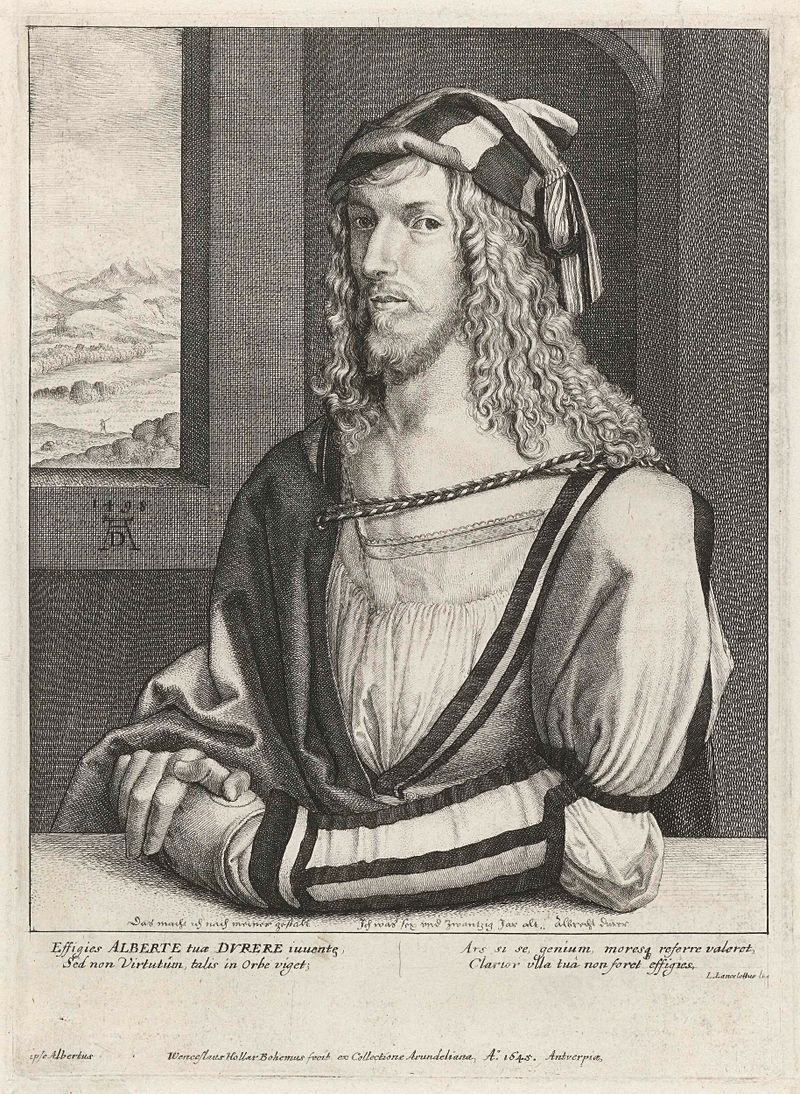
Portret van Albrecht Dürer
Wenceslaus Hollar
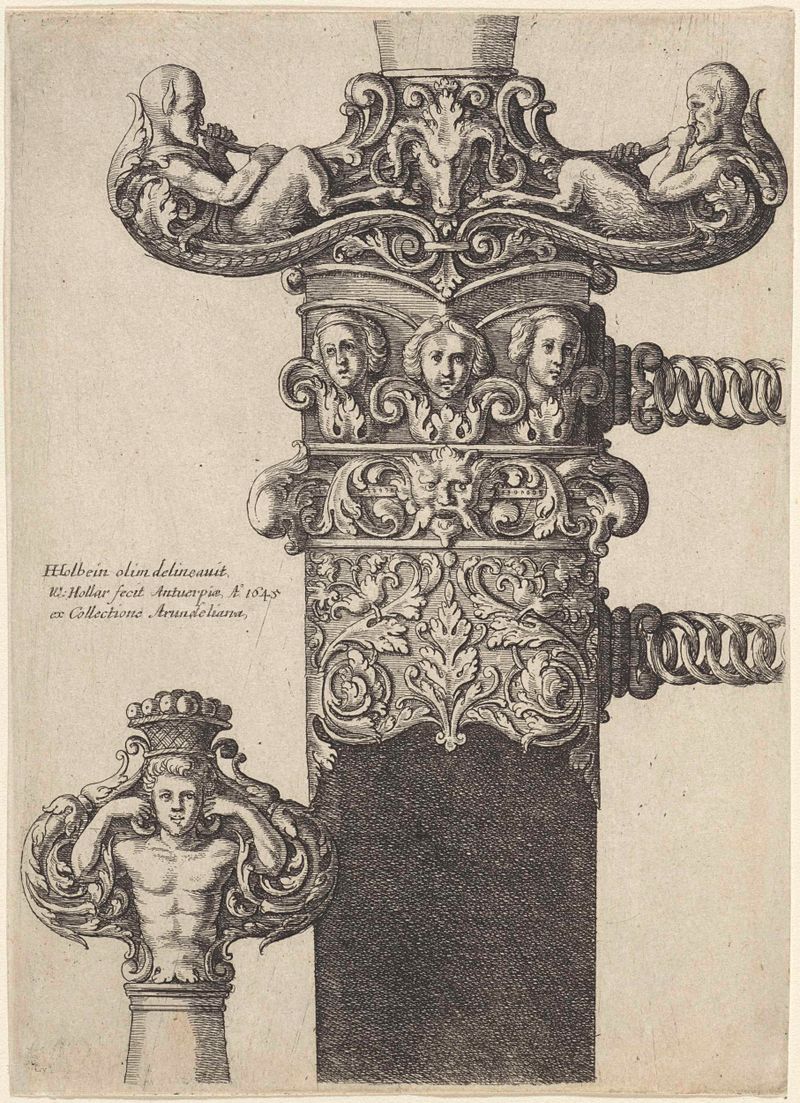
Ornamenteel ontwerp voor een dolk
Wenceslaus Hollar
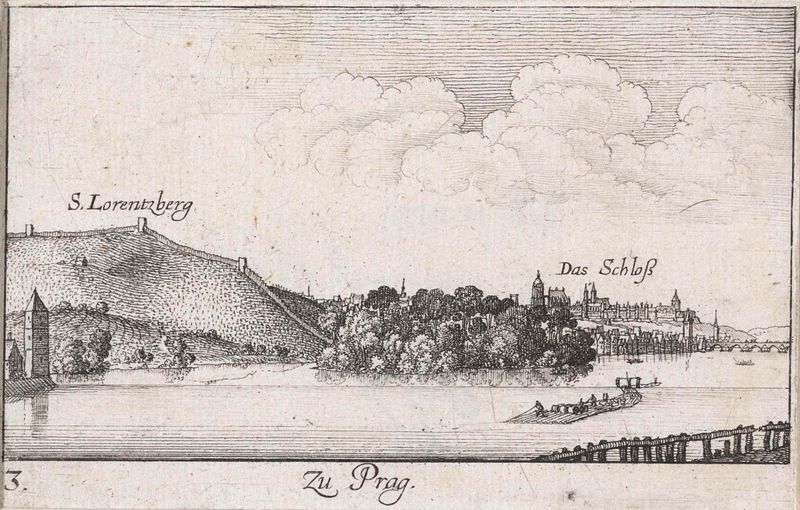
Gezicht op Praag vanaf de Moldau
Wenceslaus Hollar