Watervogels — History & Facts
What if silence could speak through light? In Watervogels, a haunting stillness envelops the scene, inviting us to witness the delicate interplay of nature and emotion. Look to the foreground, where a pair of waterfowl glides gracefully over the glassy surface, their reflections shimmering like whispers in the water. Observe the subtle gradations of blue and green, skillfully layered to evoke a sense of tranquility. The ethereal quality of the light casts gentle shadows, while the meticulously etched lines add texture, inviting the viewer to run their fingers over the etched surface.
Hollar's mastery of chiaroscuro enhances the sense of depth, drawing one’s gaze into the serene yet somber composition. Yet, beneath this calm exterior lies an undercurrent of grief. The stillness of the water serves as a poignant metaphor for absence, perhaps an echo of loss that lingers in the air. The solitary birds, seemingly content, contrast with an underlying tension, a reminder of the fragility of life and the impermanence of moments.
Each detail, from the ripples to the distant shore, speaks silently of longing and the bittersweet nature of existence. Wenceslaus Hollar created Watervogels in 1654, during a time when he was living in London after fleeing the Thirty Years' War. His experiences as a refugee influenced his work, imbuing it with a sense of nostalgia and reflection. This piece exemplifies the shift towards naturalism in 17th-century art, highlighting the artist's commitment to capturing not just the beauty of the world, but also its deeper emotional truths.
More Artworks by Wenceslaus Hollar
Browse all →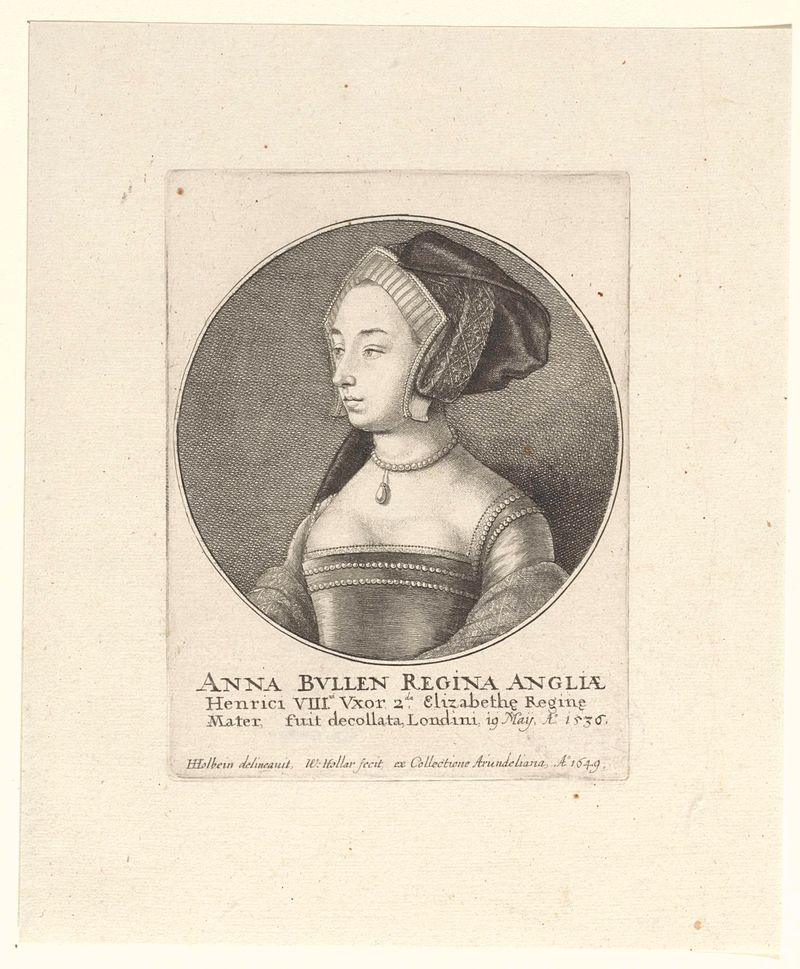
Portret van Anna Boleyn, koningin van Engeland
Wenceslaus Hollar
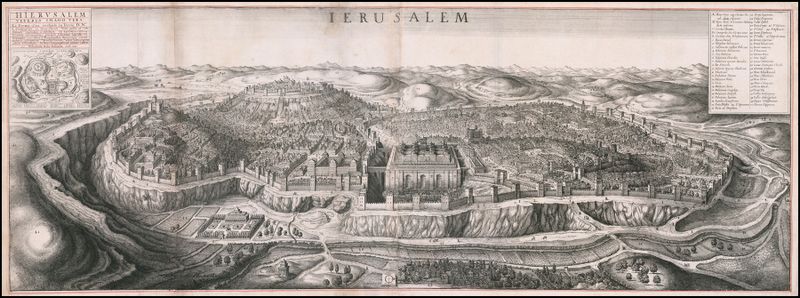
Bird’s eye view of Jerusalem
Wenceslaus Hollar
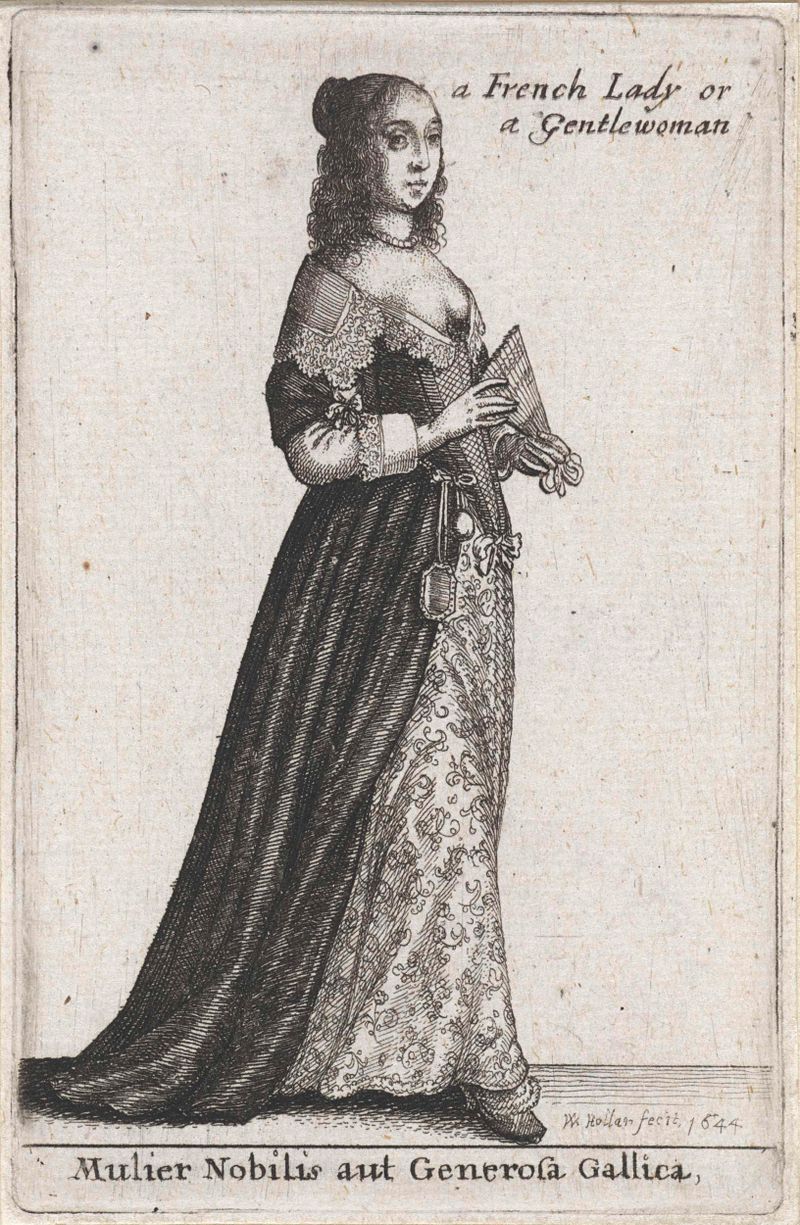
Mulier Nobilis aut Generosa Gallica / a French Lady or Gentlewoman
Wenceslaus Hollar
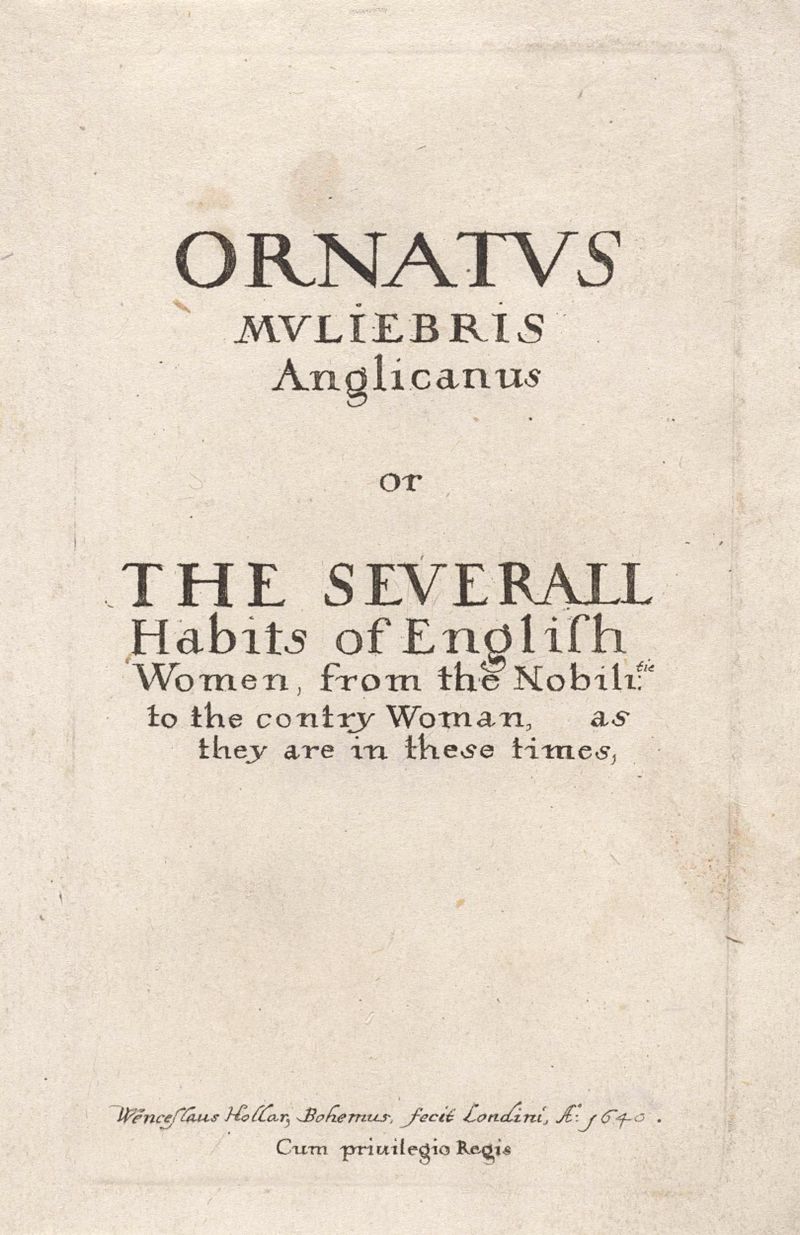
Titelprent voor: Ornatus Muliebris Anglicanus
Wenceslaus Hollar
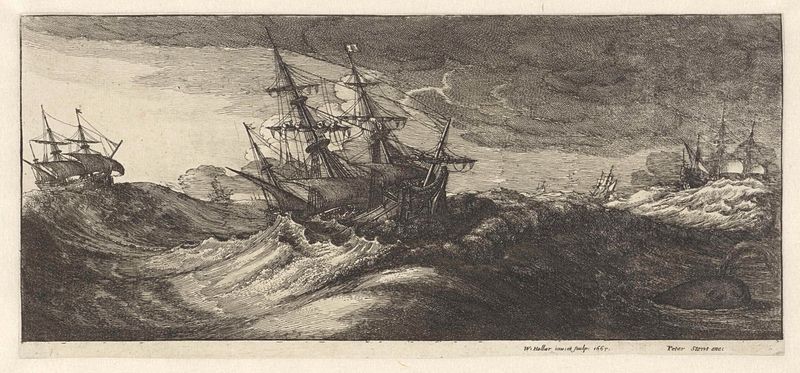
Oorlogsschepen en een walvis in een zeestorm
Wenceslaus Hollar
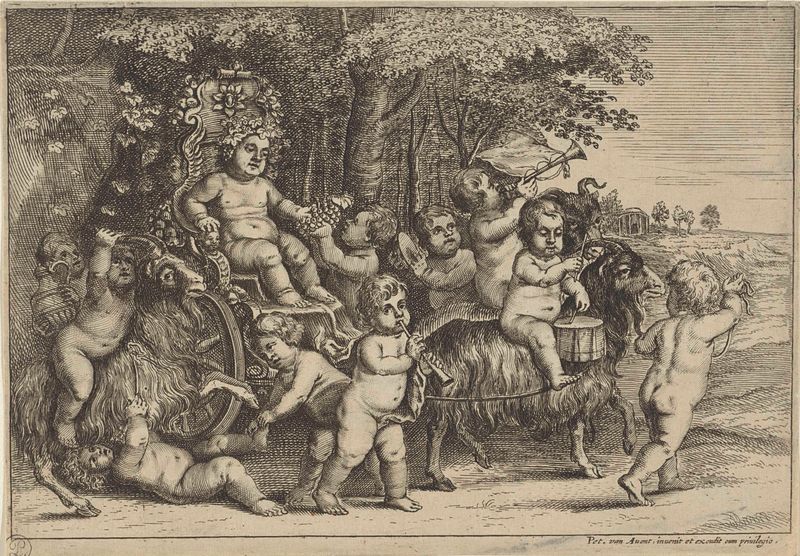
Optocht van bacchant en jongetjes op geiten
Wenceslaus Hollar
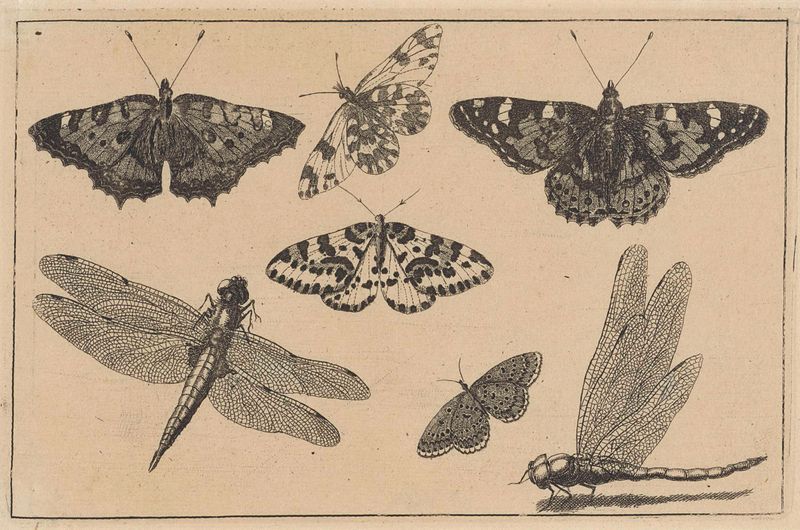
Twee libellen en vijf vlinders
Wenceslaus Hollar
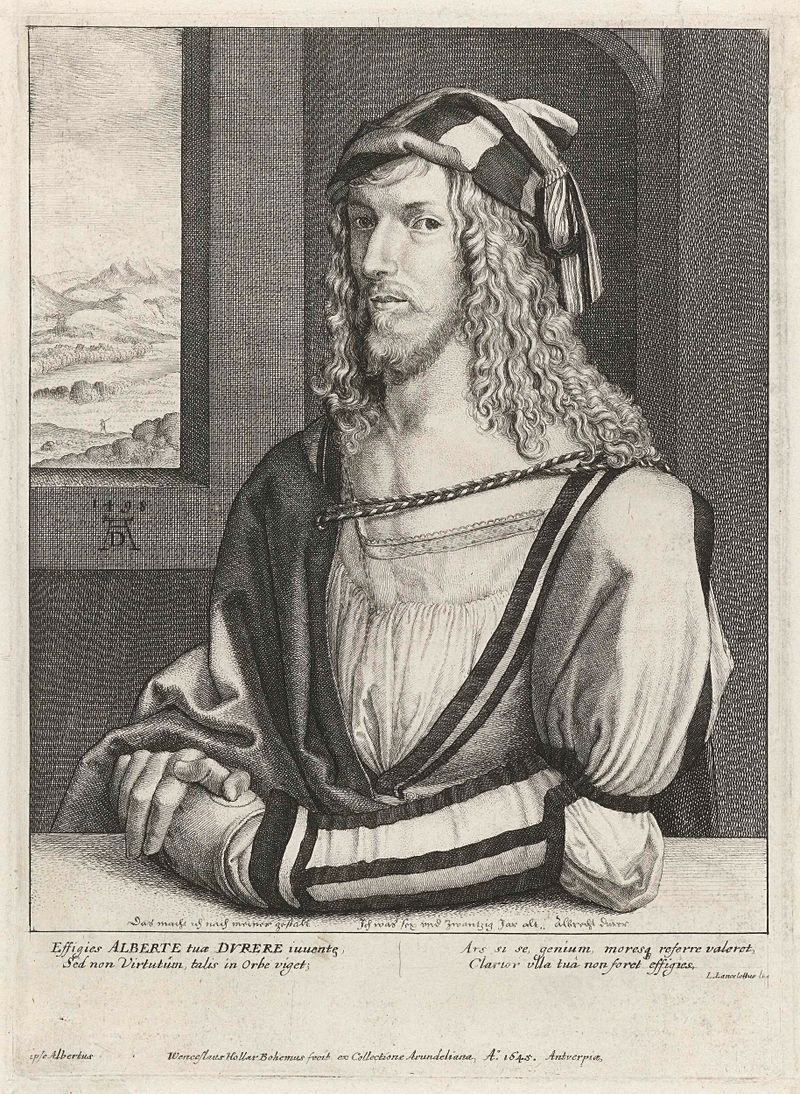
Portret van Albrecht Dürer
Wenceslaus Hollar
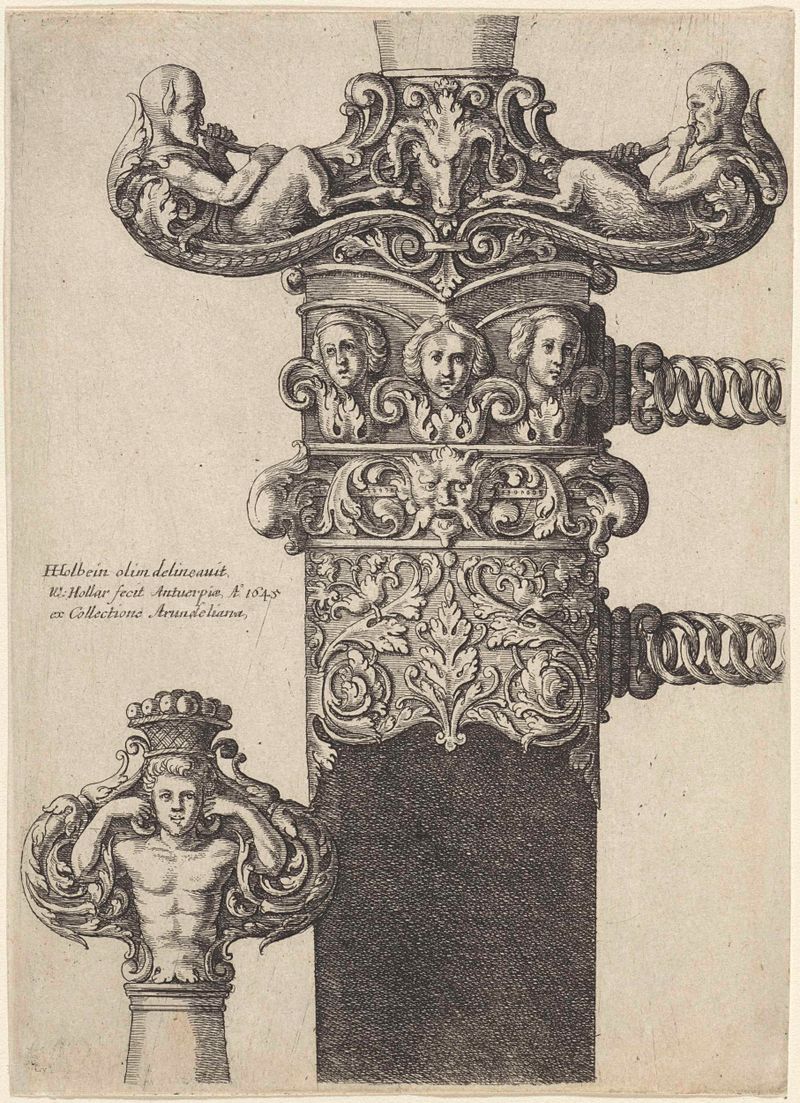
Ornamenteel ontwerp voor een dolk
Wenceslaus Hollar
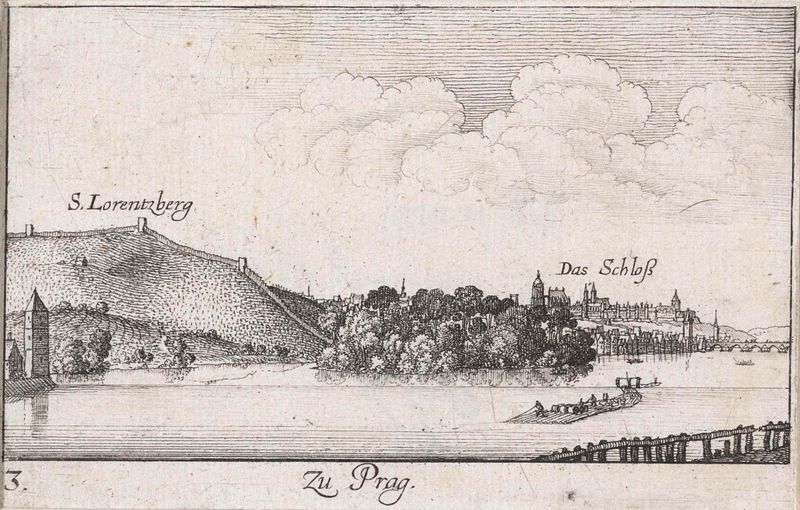
Gezicht op Praag vanaf de Moldau
Wenceslaus Hollar