
Wawel — History & Facts
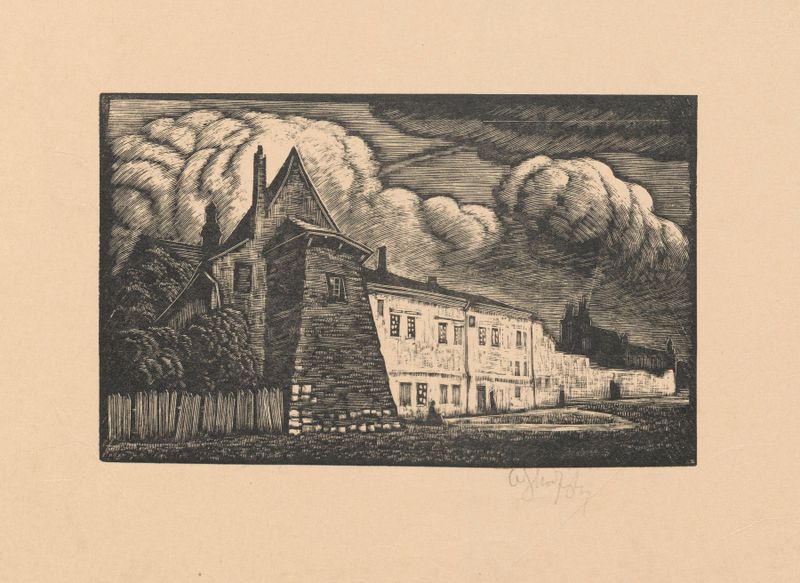
When did color learn to lie? In this striking portrayal, the innocence of youth stands against the majesty of history, evoking a profound sense of wonder. Look to the left at the towering silhouette of Wawel Castle, its stone battlements contrasting with the gentle pastels of the foreground landscape. Notice how the soft hues of green and blue meld seamlessly, while the golden light cascades across the horizon, illuminating the scene with a hopeful glow. The delicate brushwork invites the viewer’s gaze to wander, emphasizing the tranquil beauty of nature cradling the monumental architecture. Yet, beneath the surface serenity lies a tension between the ephemeral and the eternal.
The castle, a symbol of strength and tradition, almost looms over the innocence portrayed in the young figures below, suggesting a juxtaposition of carefree youth against the weight of history. The shimmering light reflects the innocence of that moment—a fleeting glimpse of joy amidst an ever-changing world. This dichotomy hints at the inevitable passage of time, where innocence is both cherished and ultimately lost. Władysław Skoczylas created this work in 1913 while living in Poland, a period marked by a growing national consciousness and a resurgence of interest in Polish folklore and heritage.
At this time, he was deeply involved in the Polish artistic movement, exploring themes of identity and memory. His commitment to portraying the essence of Polish landscapes and culture would come to define his legacy, as he sought to connect with a shared sense of innocence and beauty within the tumult of contemporary life.
More Artworks by Władysław Skoczylas
Browse all →
Motyw ze Starego Miasta
Władysław Skoczylas
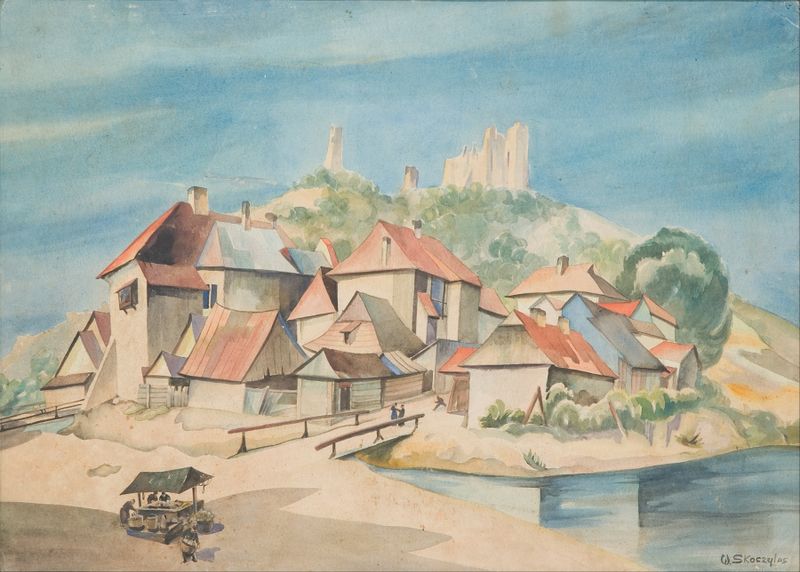
Widok Kazimierza nad Wisłą
Władysław Skoczylas
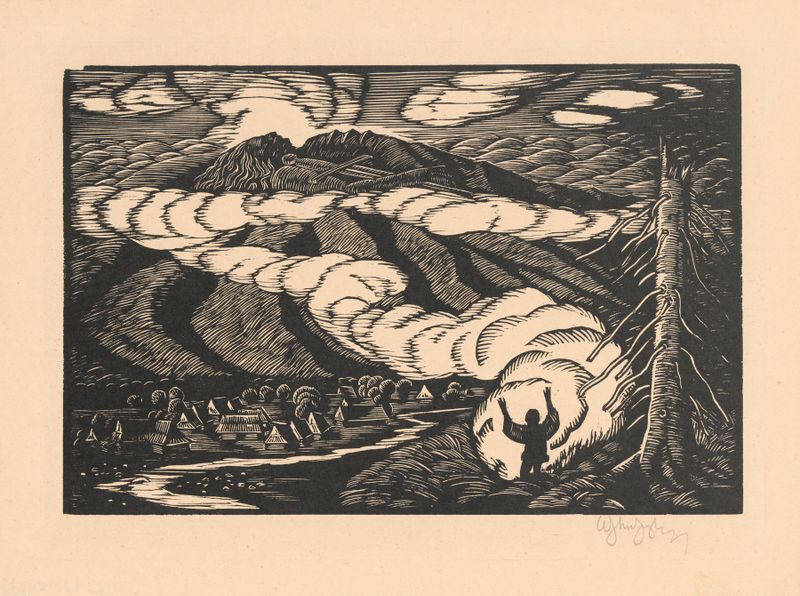
Giewont
Władysław Skoczylas
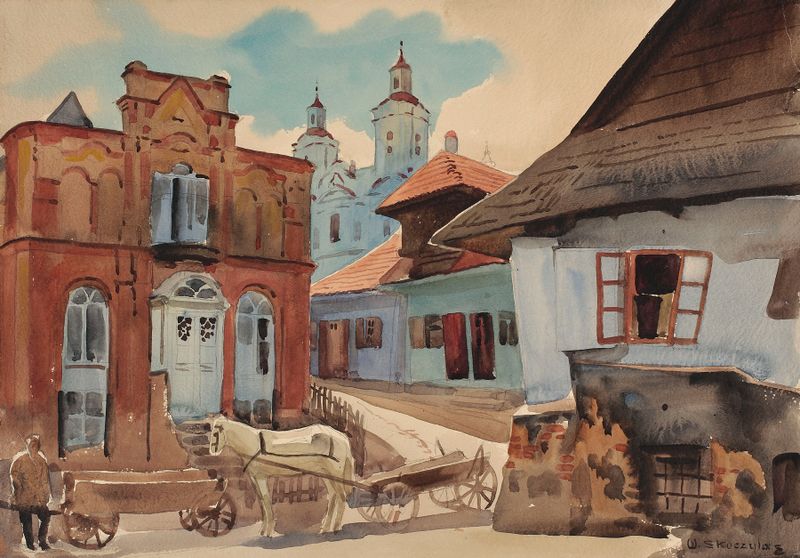
Fragment miasteczka
Władysław Skoczylas

Kościół w Dębnie
Władysław Skoczylas

Ulica w Kazimierzu
Władysław Skoczylas

Rynek w Kazimierzu nad Wisłą
Władysław Skoczylas
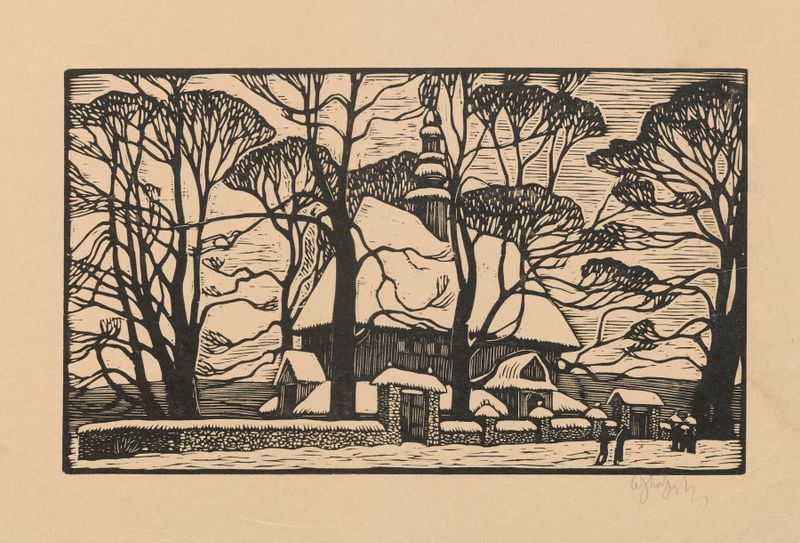
Kościółek w zimie
Władysław Skoczylas

Kolumna Zygmunta
Władysław Skoczylas
Motyw z Krakowa; Baszta Augustianów
Władysław Skoczylas





