
Wedding Procession Through the Fores — History & Facts
A shaft of light breaks through the trees and lands on the bride, her white crown and cloak gleaming as she rides side-saddle at the head of the procession. This is not a royal parade, but the heart of a rural Norwegian wedding, captured at the moment when festivity and nature meet. The painter, Adolph Tidemand, gathers the wedding party at a forest stream, where horses and revelers pause—some to cross, others to rest, and a few to sneak a drink or a laugh.
Every gesture is a clue: the groom’s steady hand on the reins, the barefoot boy testing the water, the cluster of women in folk dress watching the scene unfold. Painted in 1873, Wedding Procession through the Forest belongs to a world where national identity and everyday ritual were celebrated on canvas. The scene is alive with detail: the bride’s crown signals her status, the musicians and dancers hint at the long night of celebration ahead, and the forest itself frames the event as both a journey and a rite of passage. Works like this were cherished in 19th-century Norway, when artists and patrons alike sought to preserve the customs and costumes of rural life in a rapidly changing society.
Now in the Bergen Kunstmuseum, this painting invites us to linger, to follow the procession deeper into the woods, and to imagine the stories behind every face.
More Artworks by Adolph Tidemand

Bridal Procession on the Hardangerfjord
Adolph Tidemand
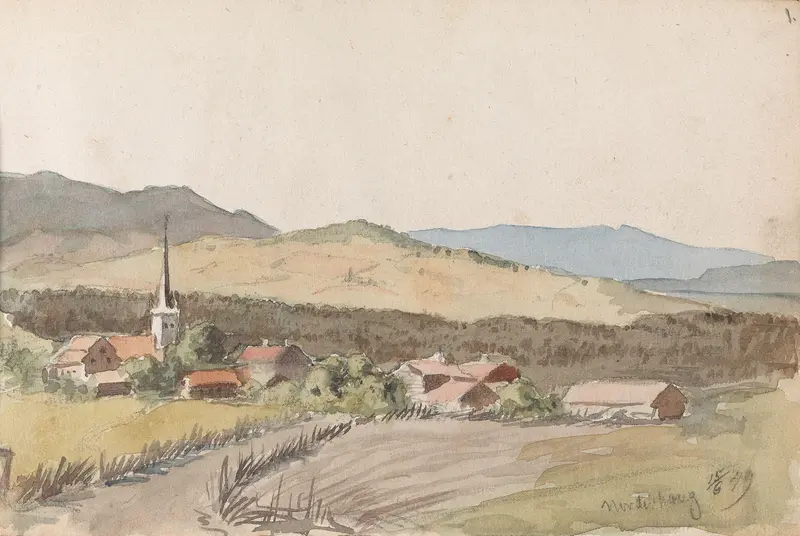
Fra Haugsbygd
Adolph Tidemand
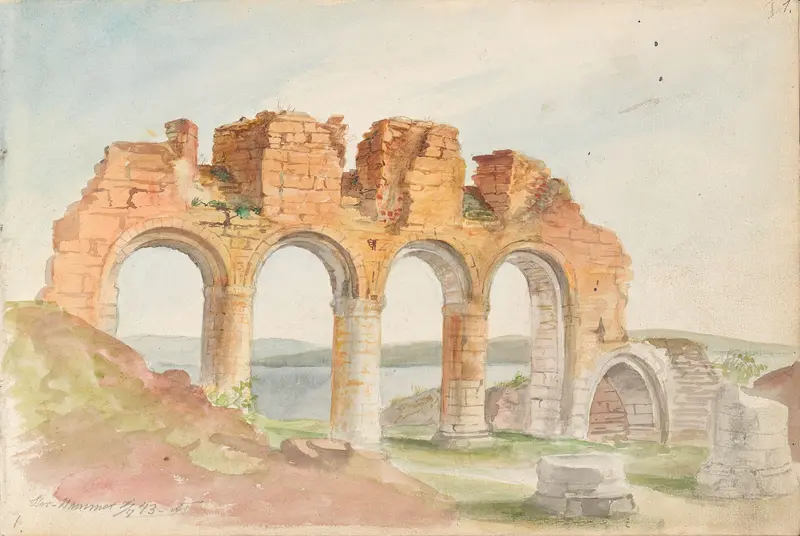
Domkirkeruinen, Hamar
Adolph Tidemand
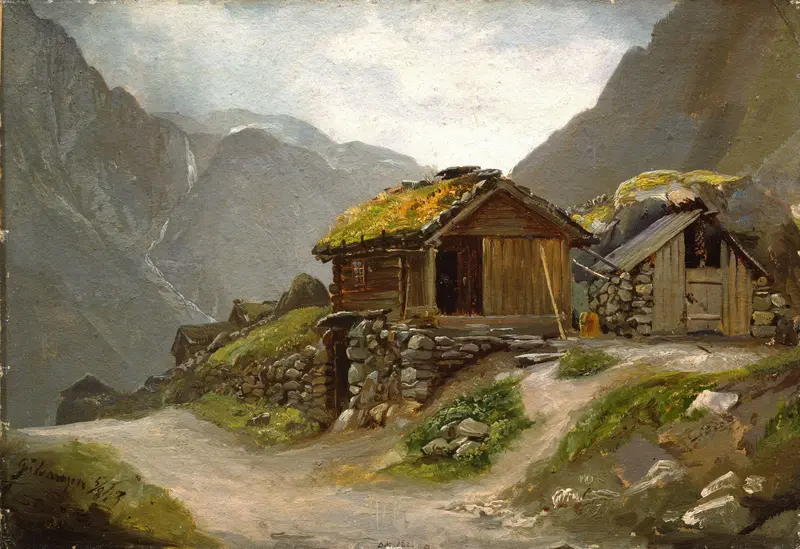
View from Gudvangen
Adolph Tidemand
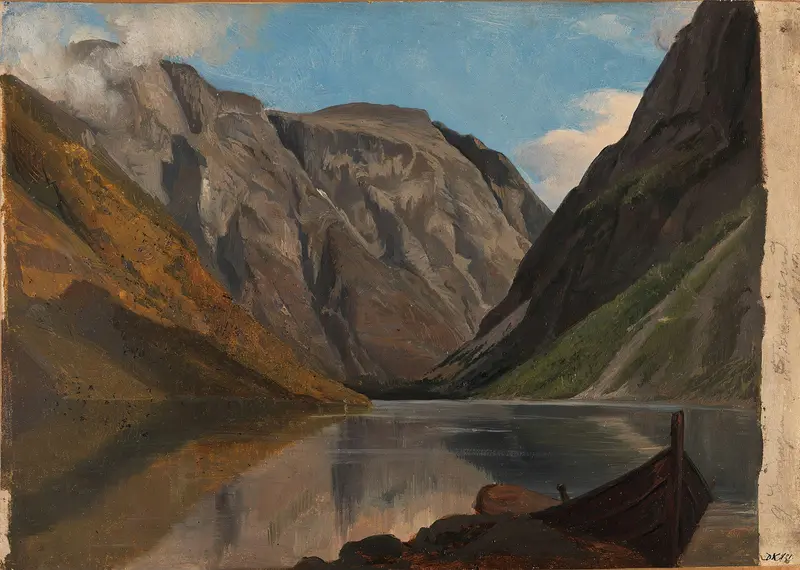
View of Gudvangen
Adolph Tidemand
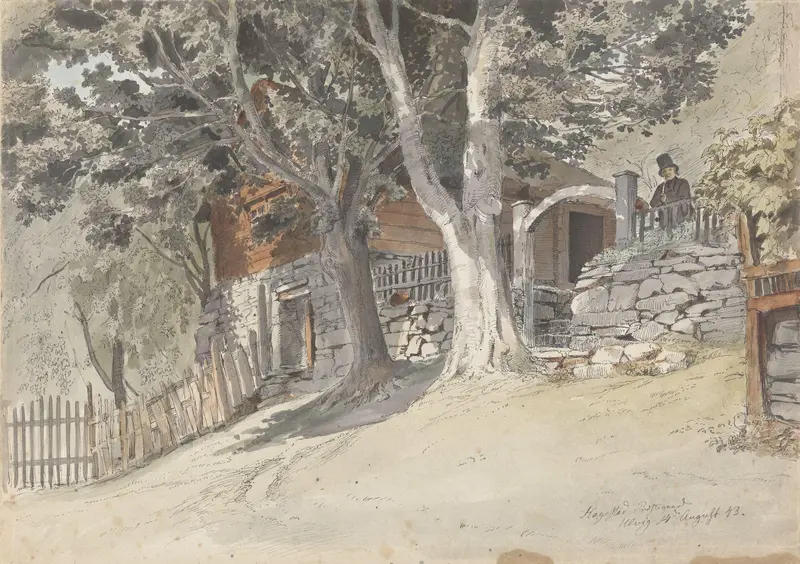
Hagestad prestegård, Ulvik i Hardanger
Adolph Tidemand
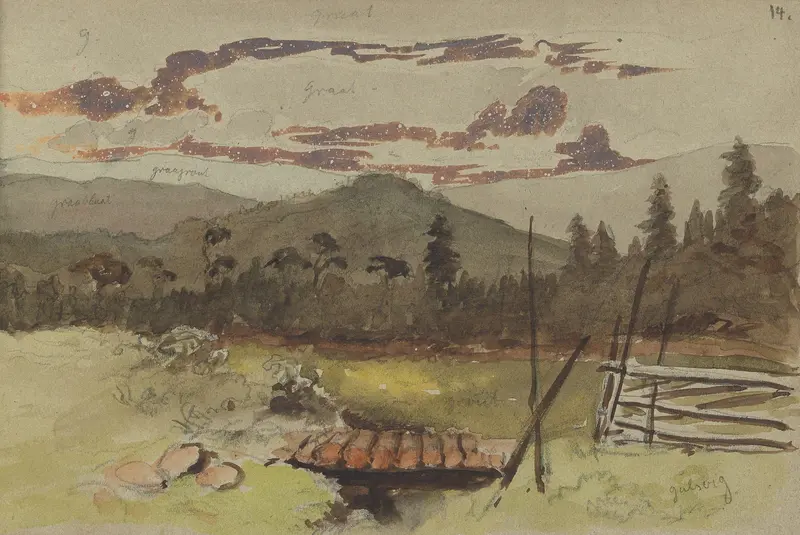
Fra Gulsvik
Adolph Tidemand
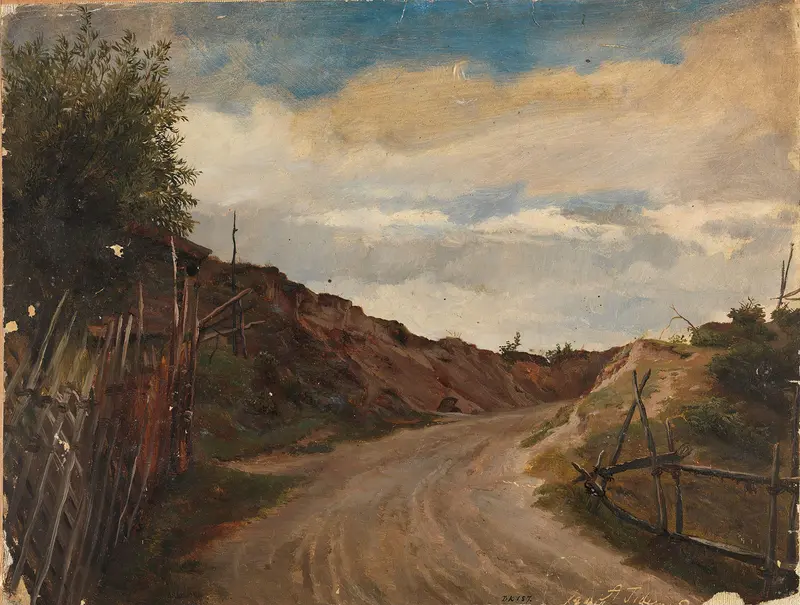
Country Road
Adolph Tidemand
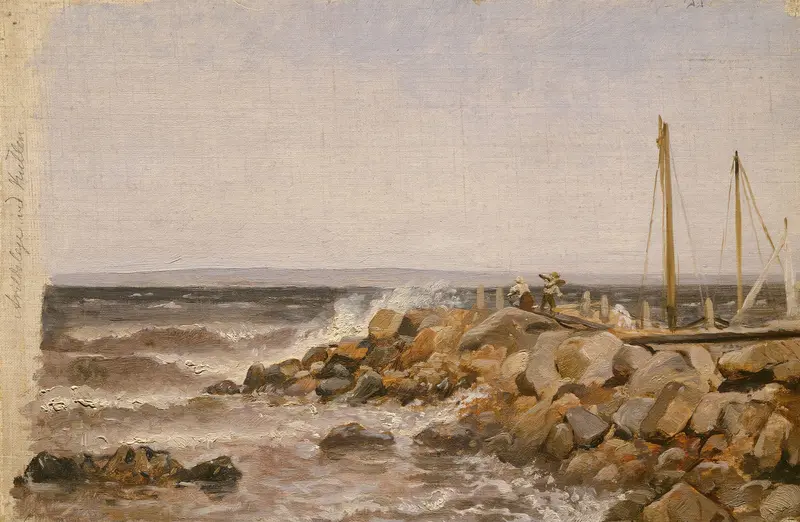
From Kullen in Sweden
Adolph Tidemand
Untitled
Adolph Tidemand
More Genre Scene Art

Banquet of the Officers of the St George Civic Guard
Frans Hals

Rembrandt and Saskia in the Scene of the Prodigal Son
Rembrandt van Rijn

Bal du moulin de la Galette
Pierre-Auguste Renoir

Quadrille at the Moulin Rouge
Henri de Toulouse-Lautrec

A Burial at Ornans
Gustave Courbet

When Will You Marry?
Paul Gauguin