
Wellust (Luxuria) — History & Facts
What if beauty was never meant to be finished? In Wellust (Luxuria), an eternal moment of temptation is captured, leaving the viewer suspended between desire and consequence. Look to the left at the figure of a woman, her gaze both inviting and enigmatic, dressed in flowing silks that glisten under a light that seems to emanate from within. Her posture is relaxed yet charged, a testament to the mastery of color and detail that defines the work; the delicate brushwork enhances the texture of her garments, drawing your eye deeper into the composition. Notice how the background fades into shadows, focusing the viewer’s attention on this intoxicating beauty, while the subtle play of light highlights the curves of her form, creating a palpable tension that feels both alluring and dangerous. Beneath the surface lies a duality that challenges the notion of desire, as the opulence surrounding the figure contrasts sharply with the emptiness of the space.
The delicate flowers at her feet suggest a fleeting beauty, evoking the idea that allure is often ephemeral, while the way her hand rests on her hip hints at a possessive quality, as if she both owns and is owned by her own desirability. This interplay between allure and decay invites questions about the nature of beauty, revealing hidden layers of longing, transience, and the potential for loss. Georg Pencz created Wellust (Luxuria) between 1539 and 1543, during a period in which he was influenced by both the Renaissance ideals of beauty and the emerging Reformation thoughts regarding morality and excess. Working in Nuremberg, a hub for artistic innovation and the exchange of ideas, Pencz’s exploration of lust reflects not only personal introspection but also a broader cultural conversation about the nature of human desire in a rapidly changing world.
More Artworks by Georg Pencz
Browse all →
Parabel van de zaaier
Georg Pencz

Parabel van de arbeiders in de wijngaard
Georg Pencz
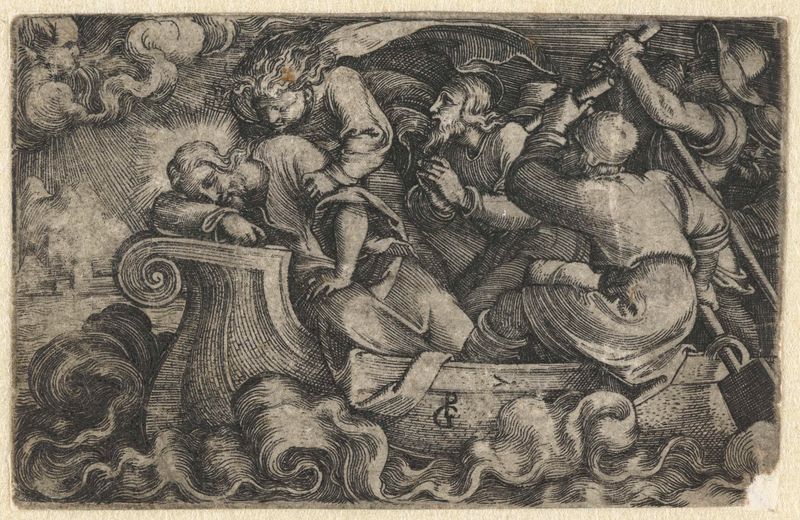
Discipelen wekken slapende Christus tijdens storm op Meer van Galilea
Georg Pencz

Afgunst (Invidia)
Georg Pencz
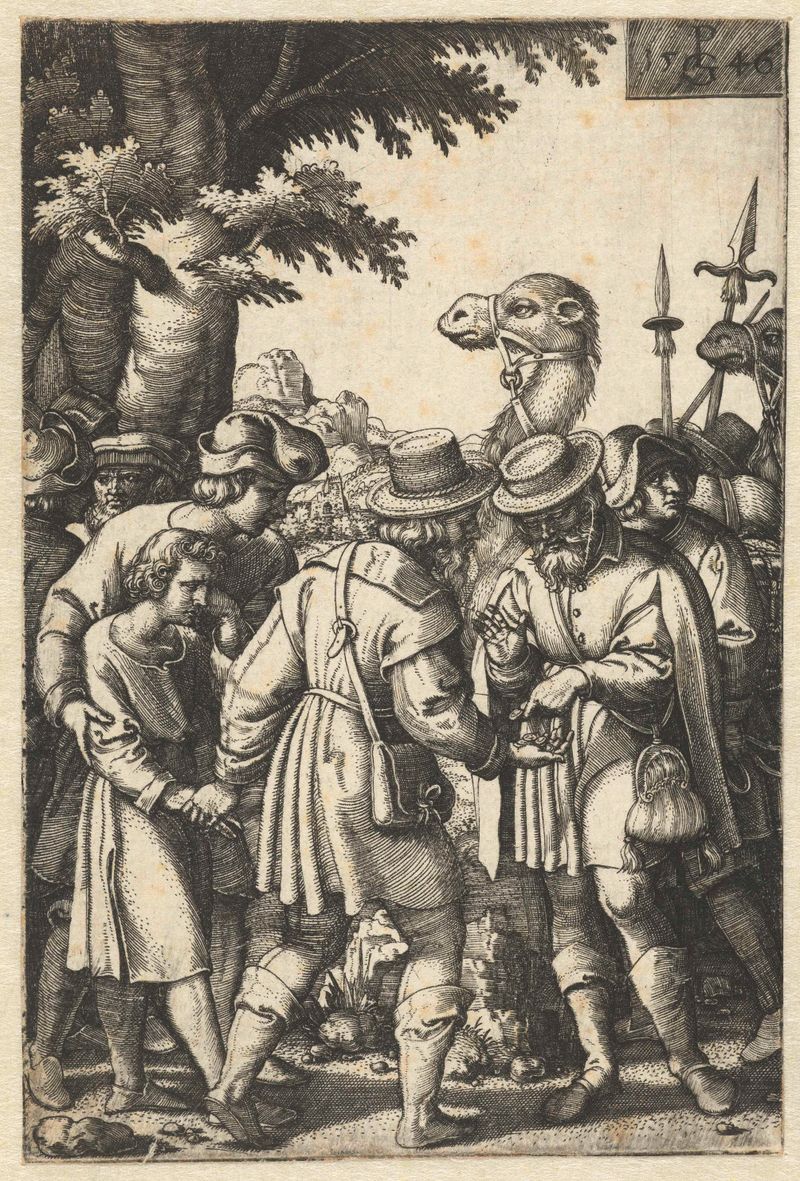
Jozef wordt verkocht aan kooplieden op weg naar Egypte
Georg Pencz

Aanbidding der koningen
Georg Pencz
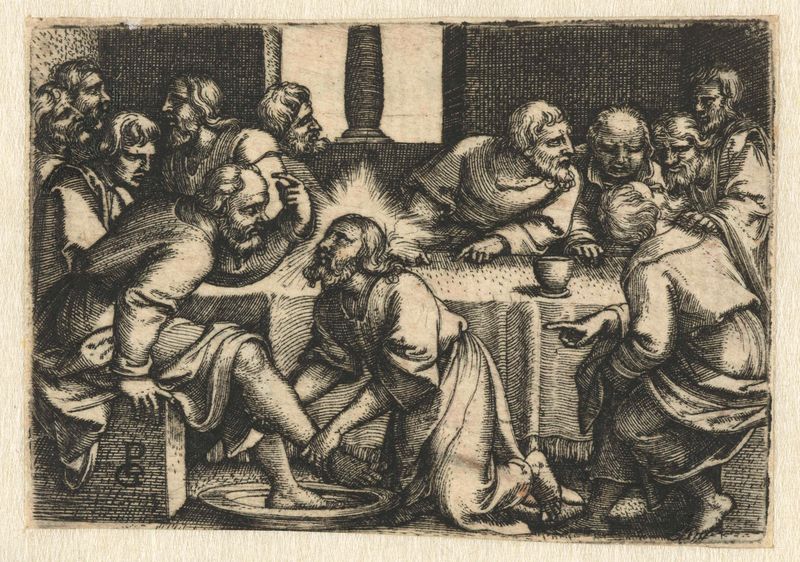
Petrus protesteert als Christus zijn voeten wast
Georg Pencz
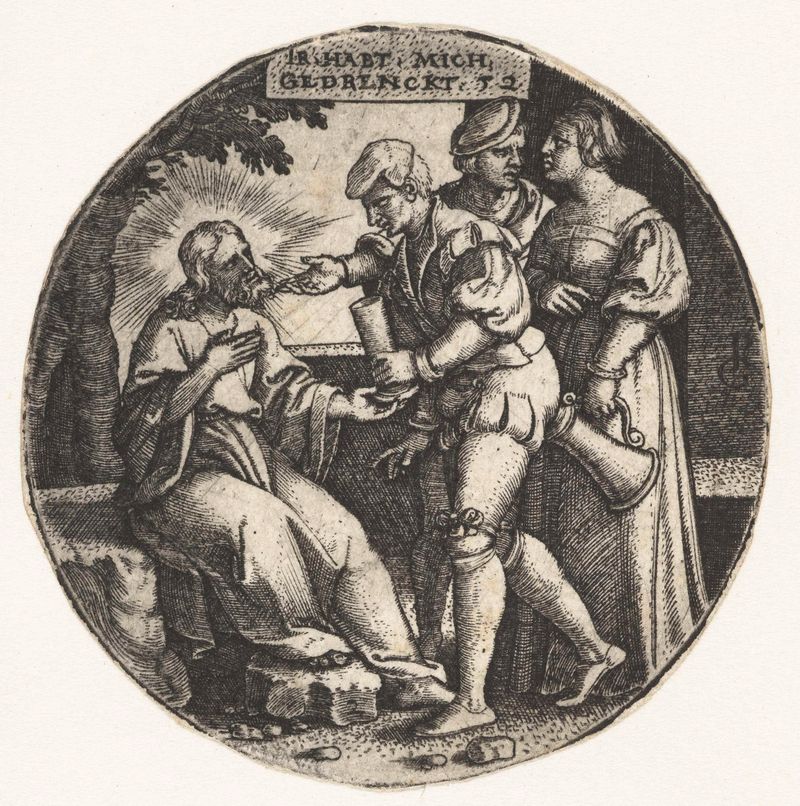
Christus heeft dorst en krijgt drinken aangeboden
Georg Pencz
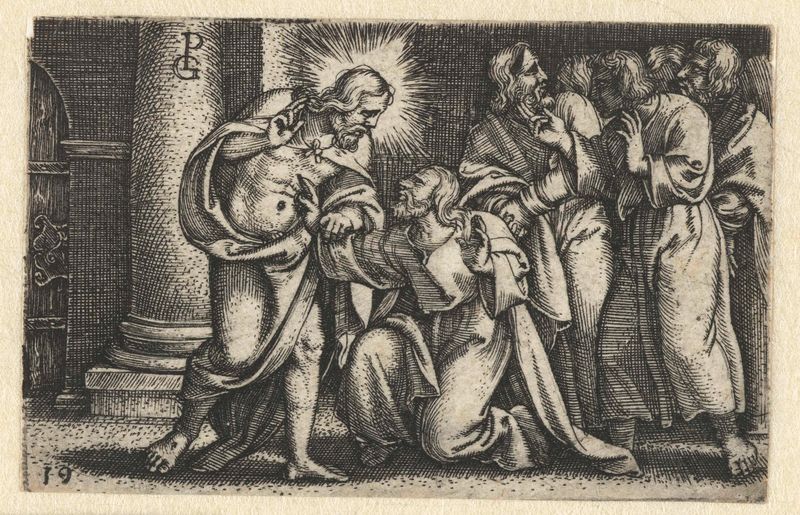
Ongelovige Thomas raakt wonden Christus aan
Georg Pencz

Offer van Abraham van Isaak
Georg Pencz





