
Welsh Mountain Study — History & Facts
The vastness of the Welsh landscape beckons us to confront the deep emptiness that surrounds and envelops us. In this study, the breath of nature speaks volumes where words fail, inviting contemplation and reflection. Look to the expanse of the rolling hills, where muted greens and browns stretch toward the horizon. Notice how the soft, diffused light creates an ethereal quality, washing over the landscape and lending a sense of tranquility.
The delicate brushwork in the foreground captures the textures of the grass and stones, while the hazy sky draws the eye upward, inviting a journey into the distance. This careful composition balances detail with openness, echoing the profound solitude that permeates the scene. Beneath the serene beauty lies a tension between presence and absence. The stillness of the landscape hints at the emotional weight of solitude, while the sparse details evoke both peace and a sense of longing.
The light, softly illuminating the hills, symbolizes hope amidst the emptiness, suggesting a world that is both inviting and isolating. Each contour and shadow reflects nature’s quiet confessions, urging us to confront our own moments of solitude. During the early 1800s, Paul Sandby painted this work in Britain, a period marked by burgeoning Romanticism. At that time, he was deeply engaged with the natural landscapes of Wales, seeking to convey the raw, untamed beauty of the land.
Sandby’s passion for capturing the sublime in nature coincided with a growing appreciation for the emotional depths of the outdoors, a theme that would resonate through the Romantic movement and influence future generations of artists.
More Artworks by Paul Sandby
Browse all →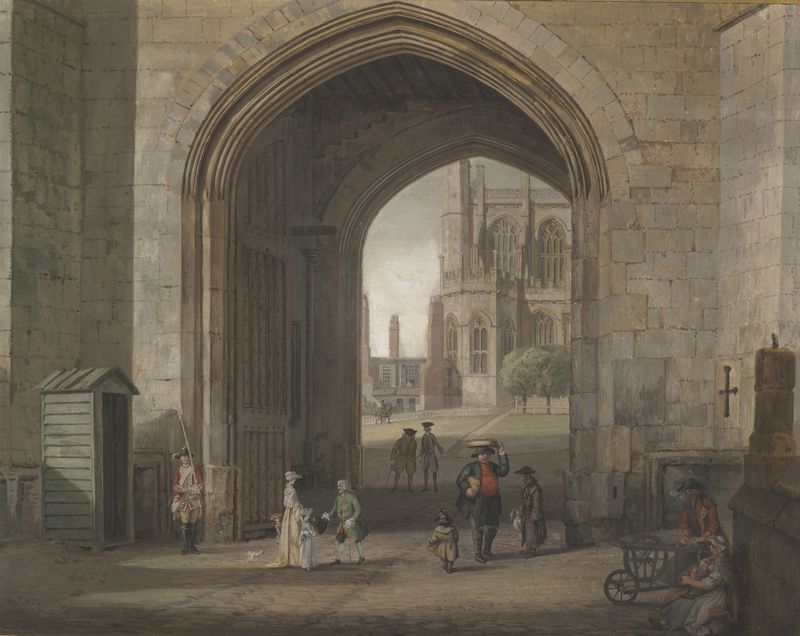
The Tower Gate at Windsor Castle
Paul Sandby

A Distant View of Maidstone, from Lower Bell Inn, Boxley Hill
Paul Sandby
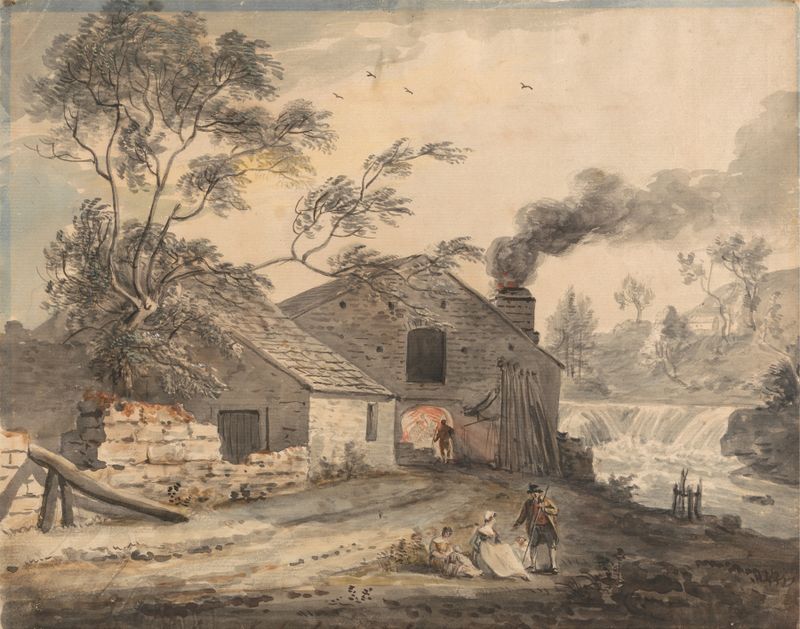
Iron Forge on the River Kent, Westmorland
Paul Sandby
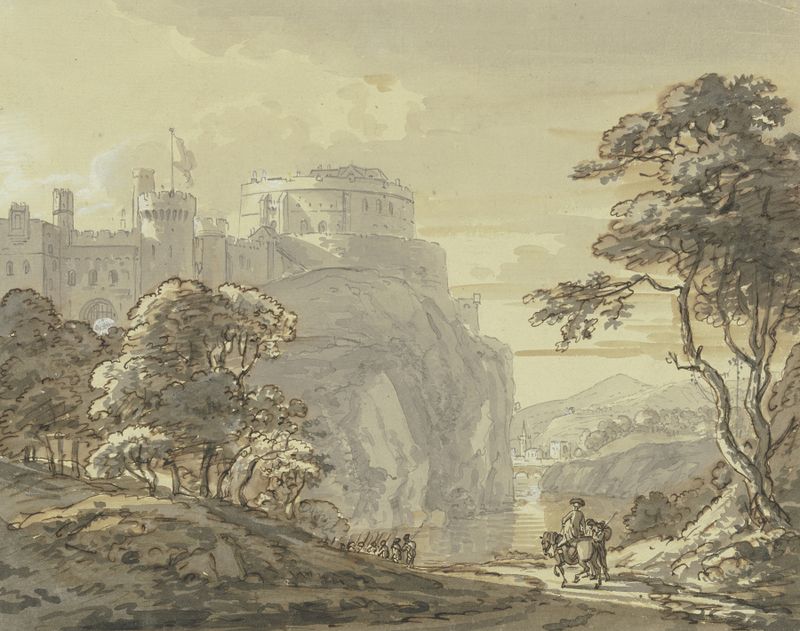
View of Windsor Castle
Paul Sandby

Hackwood Park, Hampshire
Paul Sandby

Roslin Castle, Midlothian
Paul Sandby
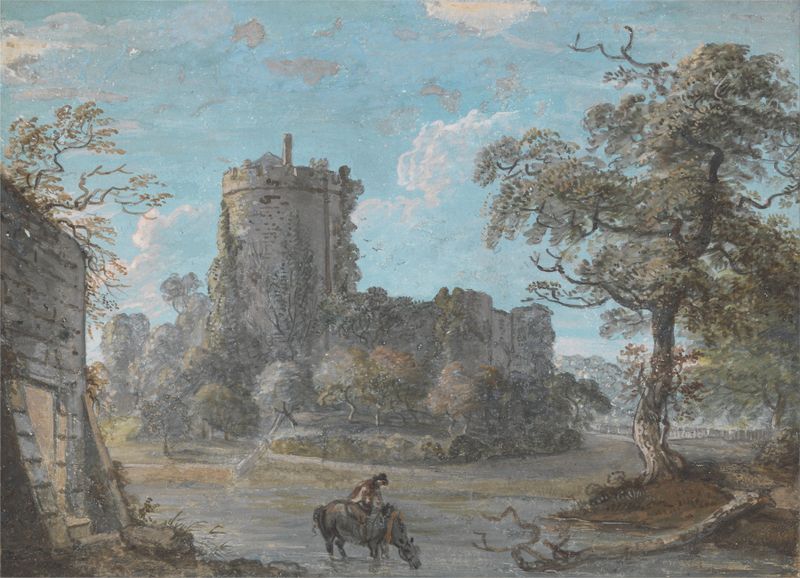
The Entrance to Chepstow Castle
Paul Sandby
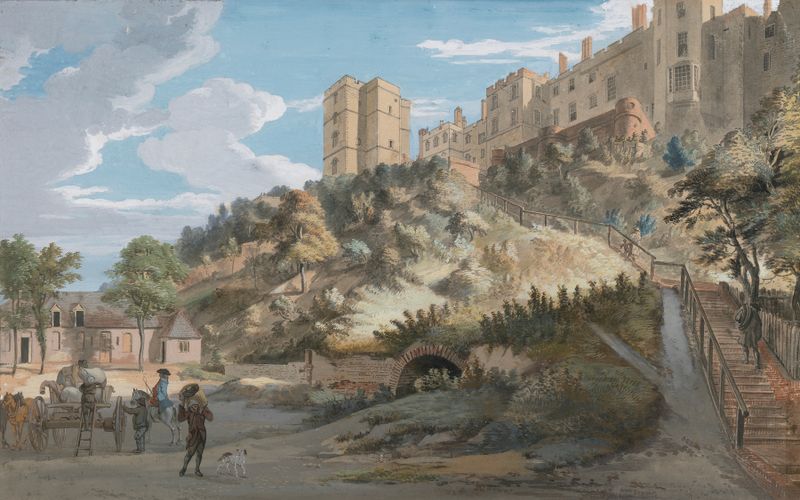
The Hundred Steps and Winchester Tower, Windsor Castle, Berkshire
Paul Sandby

Brook End, Essex
Paul Sandby
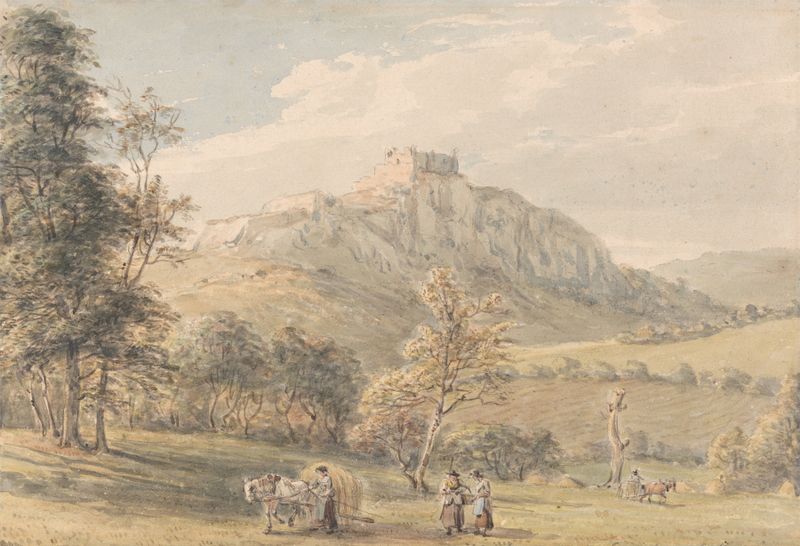
Carreg Cennen Castle
Paul Sandby





