
Werrington — History & Facts
What if silence could speak through light? In Werrington, silence unfolds like a whispered secret, where shadows dance delicately across the canvas, creating a dialogue between dark and light. Look closely at the left side of the painting, where the soft contours of the landscape invite your gaze. The gentle curves of the hills rise and fall, rendered in muted greens and browns that evoke a tranquil afternoon. Notice how the play of light cascades through the trees, casting intricate patterns of shadow that seem to breathe life into the scene.
Each brushstroke captures the essence of stillness, yet the vibrant hues and contrasts stir an underlying emotional current. The shadows here are not merely absence but presence; they shape the narrative, reflecting the unspoken tension of nature’s beauty. The subtle interplay between light and dark suggests a fleeting moment, as if time itself holds its breath. This dichotomy embodies a deeper commentary on the balance of existence—how joy and sorrow coexist in the quiet embrace of the natural world. In 1868, Francis Seymour Haden created Werrington during a period of exploration in the realms of etching and landscape painting.
Living in England, he was influenced by the burgeoning Impressionist movement, which sought to capture the ephemeral effects of light. Haden’s work resonates with the ideals of his contemporaries while reflecting his own unique vision, showcasing the serene landscapes that often served as his muse.
More Artworks by Francis Seymour Haden
Browse all →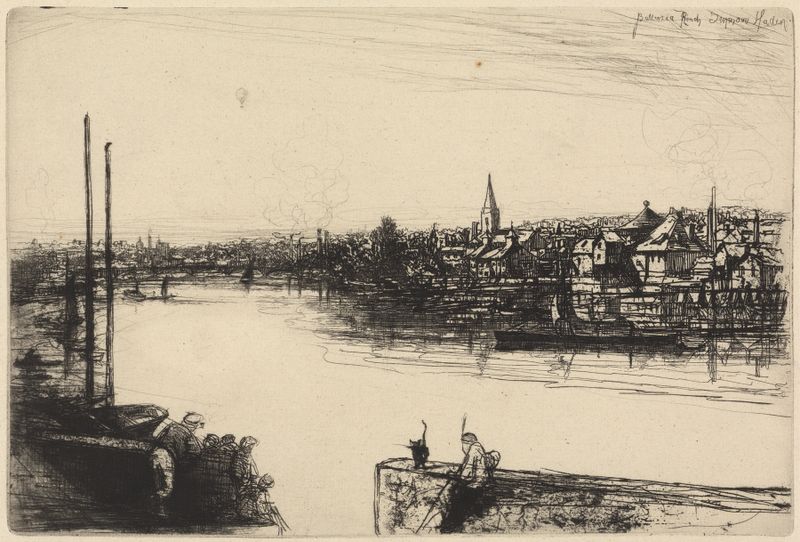
Battersea Reach
Francis Seymour Haden

Nine Barrow Down
Francis Seymour Haden
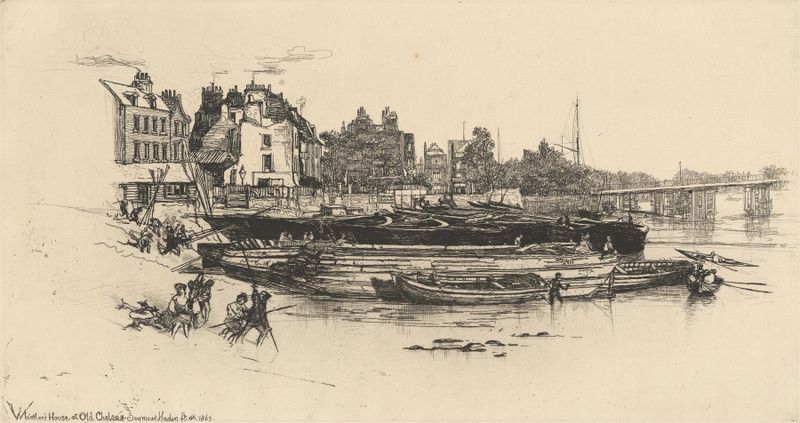
Whistler’s House at Old Chelsea
Francis Seymour Haden

The Mill-Wheel
Francis Seymour Haden
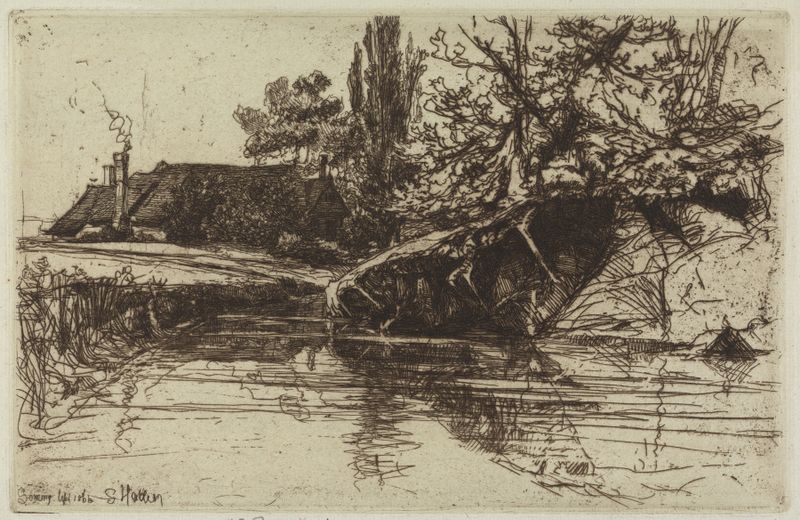
The Moat House
Francis Seymour Haden

By Twickenham
Francis Seymour Haden

Newcastle Emlyn
Francis Seymour Haden
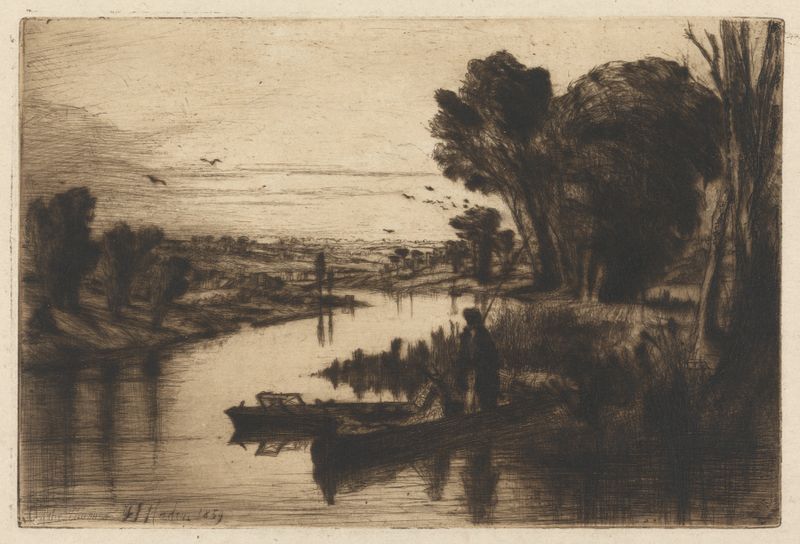
On the Thames
Francis Seymour Haden

Kidwelly Castle
Francis Seymour Haden
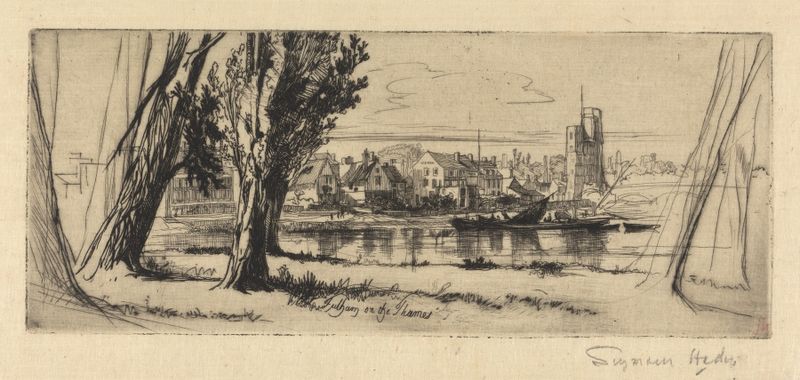
Fulham on the Thames
Francis Seymour Haden





