
Western Landscape — History & Facts
In the vastness of nature, how do we reconcile the innocence of a moment with the weight of experience? Focus on the horizon, where vibrant hues of orange and yellow blend seamlessly into the deep blue of a tranquil sky. The gentle strokes convey a sense of movement, as if the clouds themselves are caught in a soft embrace, while the rich greenery below offers a contrast that feels almost otherworldly. Notice how the light falls upon the landscape, illuminating the hills and valleys with a golden sheen that breathes life into the scene. Delve deeper into the shadows that lie within the painted idyllic.
Each brushstroke tells a story, hinting at the transient nature of beauty and the fleeting essence of innocence. The tranquility of the landscape belies an undercurrent of tension—a reminder that even in the most serene settings, whispers of loss echo through the silence. The juxtaposition of light and shadow invites reflection on the balance between joy and sorrow, urging the viewer to consider what lies beneath the surface. In 1870, John Frederick Kensett painted this piece during a time when the Hudson River School was at its zenith, championing the sublime beauty of American landscapes.
Living in a rapidly changing world, he was deeply influenced by the transcendentalist movement, which emphasized nature's role as a source of spirituality. Engaging with the wilderness around him, Kensett sought to capture both the breathtaking beauty and the complex emotions that it evokes.
More Artworks by John Frederick Kensett
Browse all →
White Mountains from Shelburne, NH
John Frederick Kensett

An October Day in the White Mountains
John Frederick Kensett
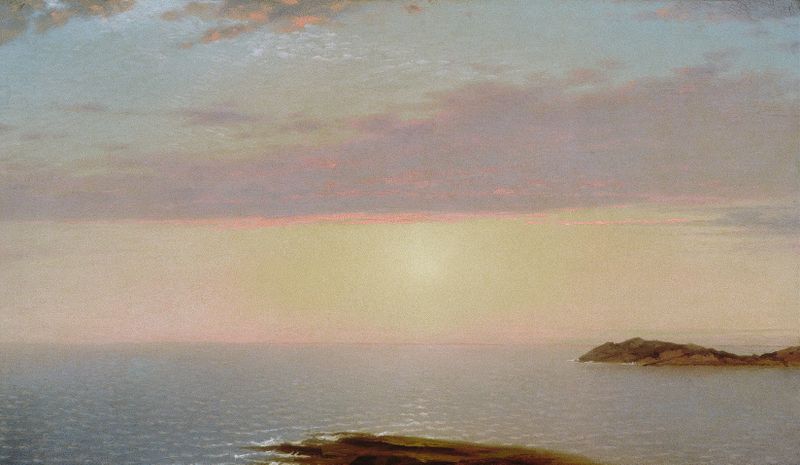
Sunset
John Frederick Kensett
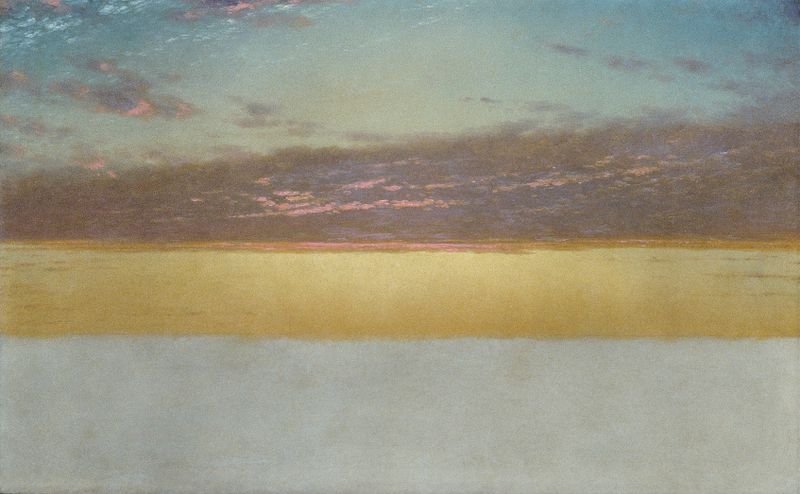
Sunset Sky
John Frederick Kensett
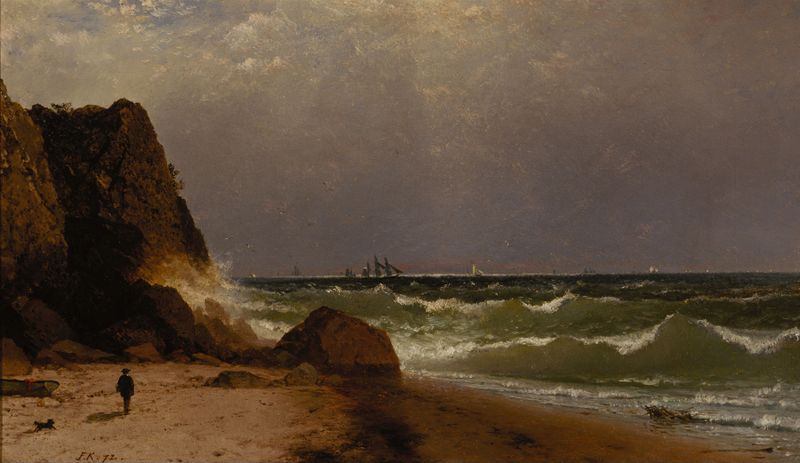
Near Newport, Rhode Island
John Frederick Kensett
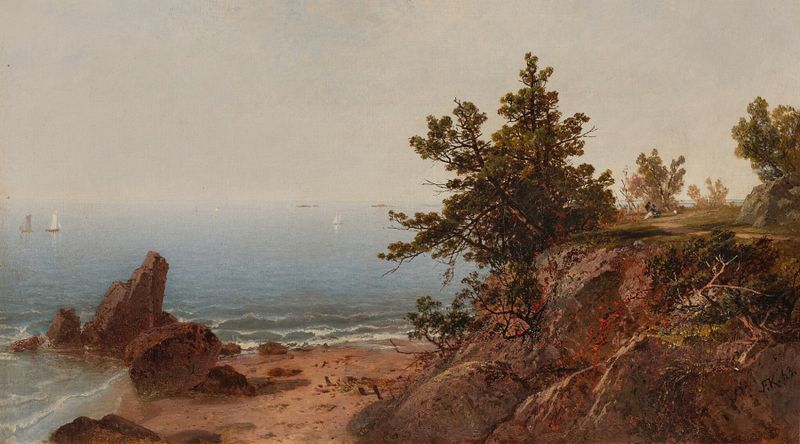
View from the Cliff (Noon on the Seashore)
John Frederick Kensett
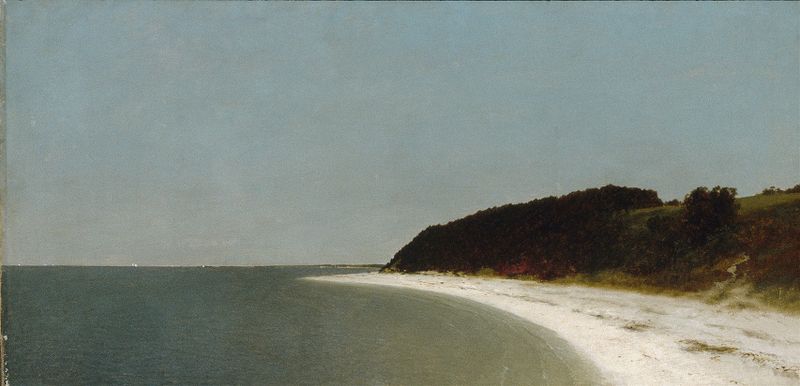
Eaton’s Neck, Long Island
John Frederick Kensett
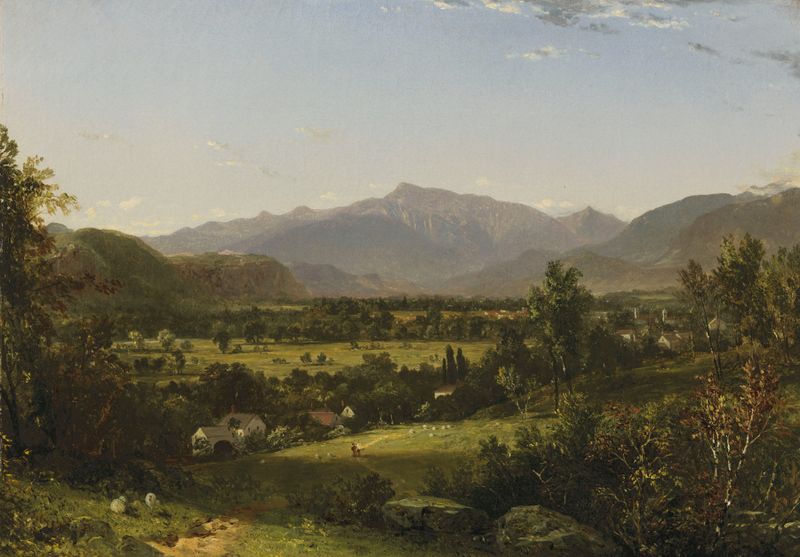
Mount Washington from North Conway
John Frederick Kensett
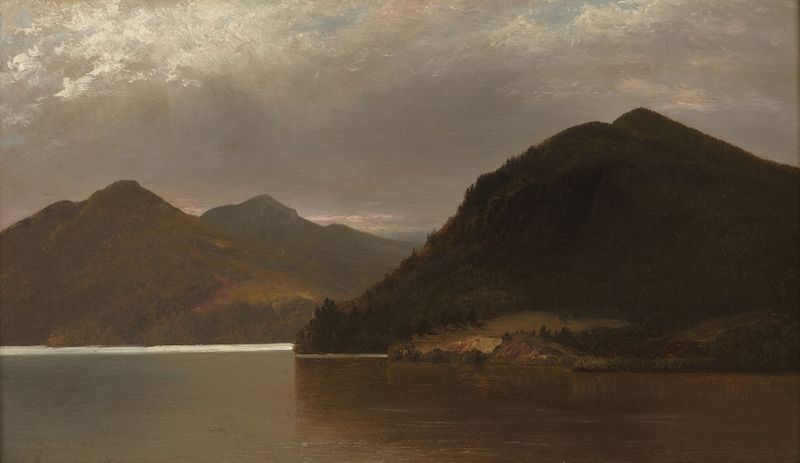
Lake George
John Frederick Kensett
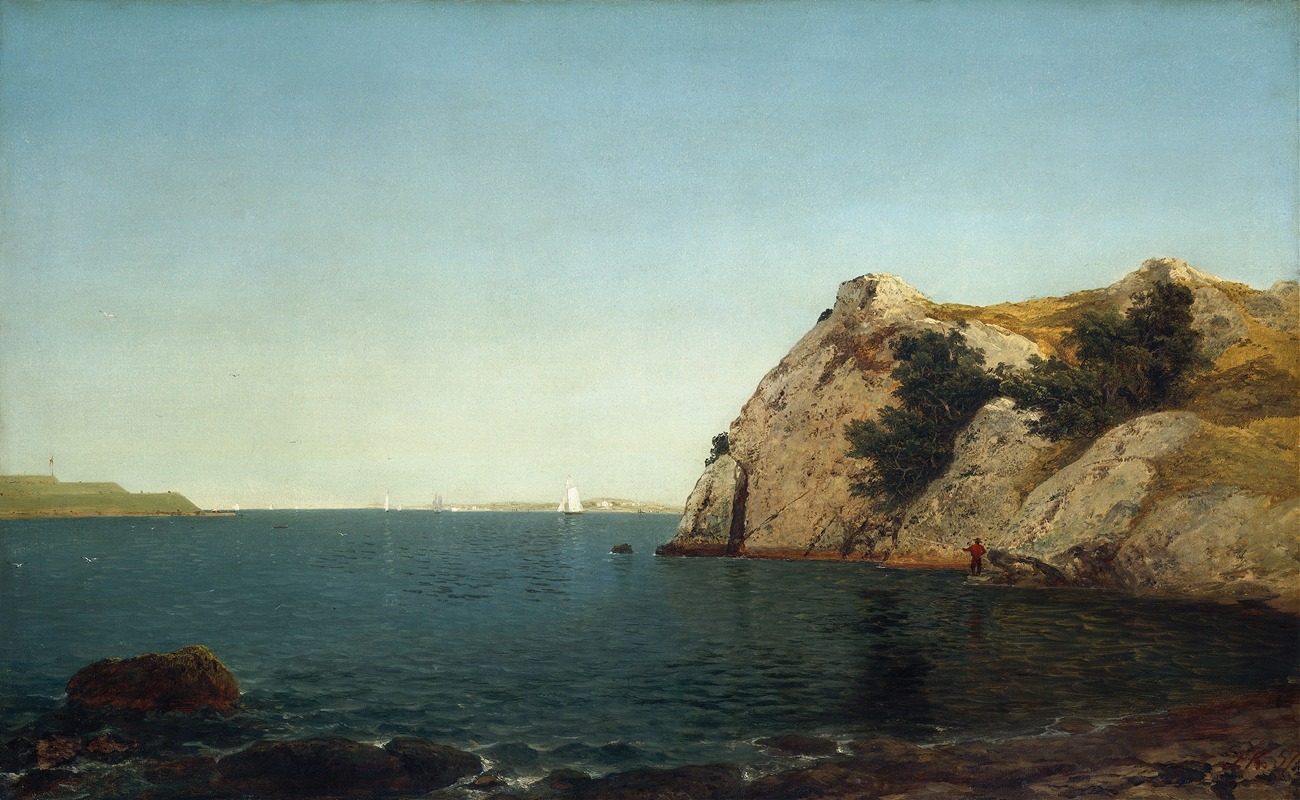
Near Newport
John Frederick Kensett





