
Westgevel van de Saint Paul's Cathedral in Londen — History & Facts
Can paint confess what words never could? In the delicate lines of this engraving, Wenceslaus Hollar captures the grandeur of Saint Paul's Cathedral, evoking a profound contemplation of mortality. Look closely at the intricate details of the cathedral's façade, where the gentle curves and sharp angles coexist in a harmonious dance. The light plays upon the stone, revealing textures that breathe life into the structure. Your gaze is drawn first to the soaring dome, crowned with a lantern—an architectural triumph that stretches towards the heavens, inviting reflection on the divine versus the earthly. Yet beyond the architectural beauty lies an exploration of time’s passage.
The weathered stone suggests resilience, a testament to centuries gone by, while the surrounding clouds loom—a reminder of nature’s indifferent march. Small figures at the base symbolize humanity’s transient existence amid the permanence of such a monumental structure. Each element, from the soft shadows to the precise lines, whispers of the fleeting nature of life and the eternal quest for meaning. In 1658, Hollar worked in London, a city rich with artistic innovation and turbulent change.
He had recently fled the Thirty Years' War and found solace in the burgeoning artistic community of England. This engraving emerged during a period of both personal upheaval and collective curiosity in the arts, as artists began to grapple with themes of mortality and the sublime. Hollar’s work reflects not only his skill but also the spirit of an era seeking to understand the balance between the mortal and the immortal.
More Artworks by Wenceslaus Hollar
Browse all →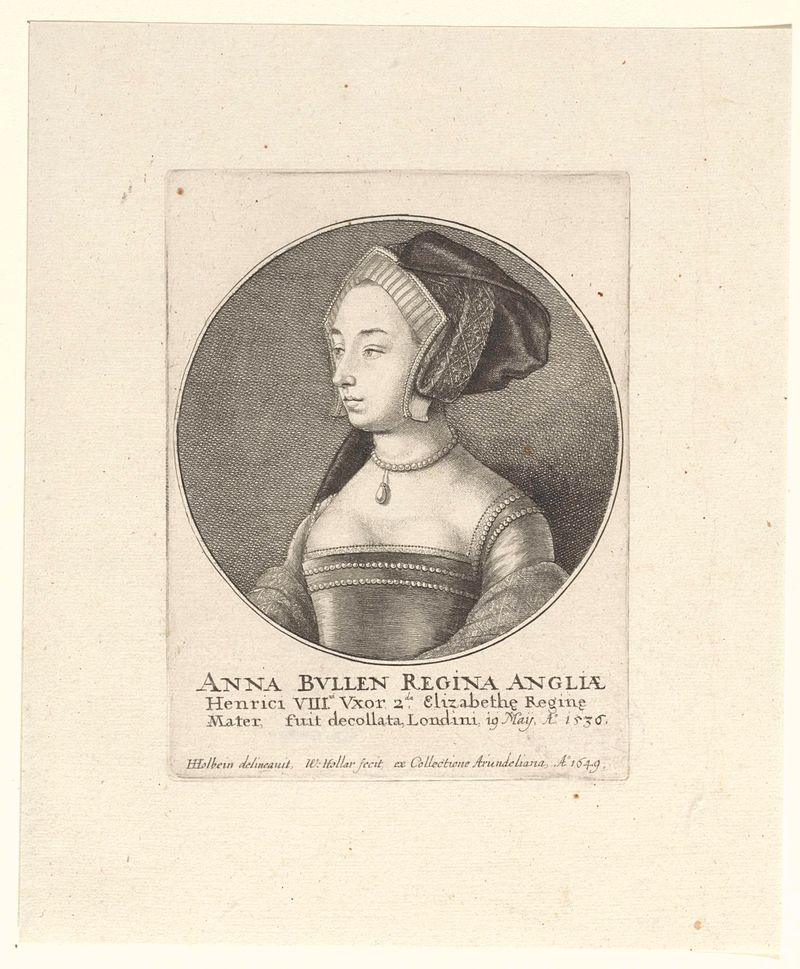
Portret van Anna Boleyn, koningin van Engeland
Wenceslaus Hollar
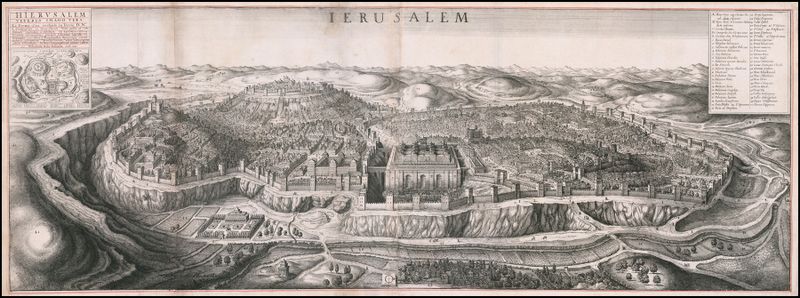
Bird’s eye view of Jerusalem
Wenceslaus Hollar
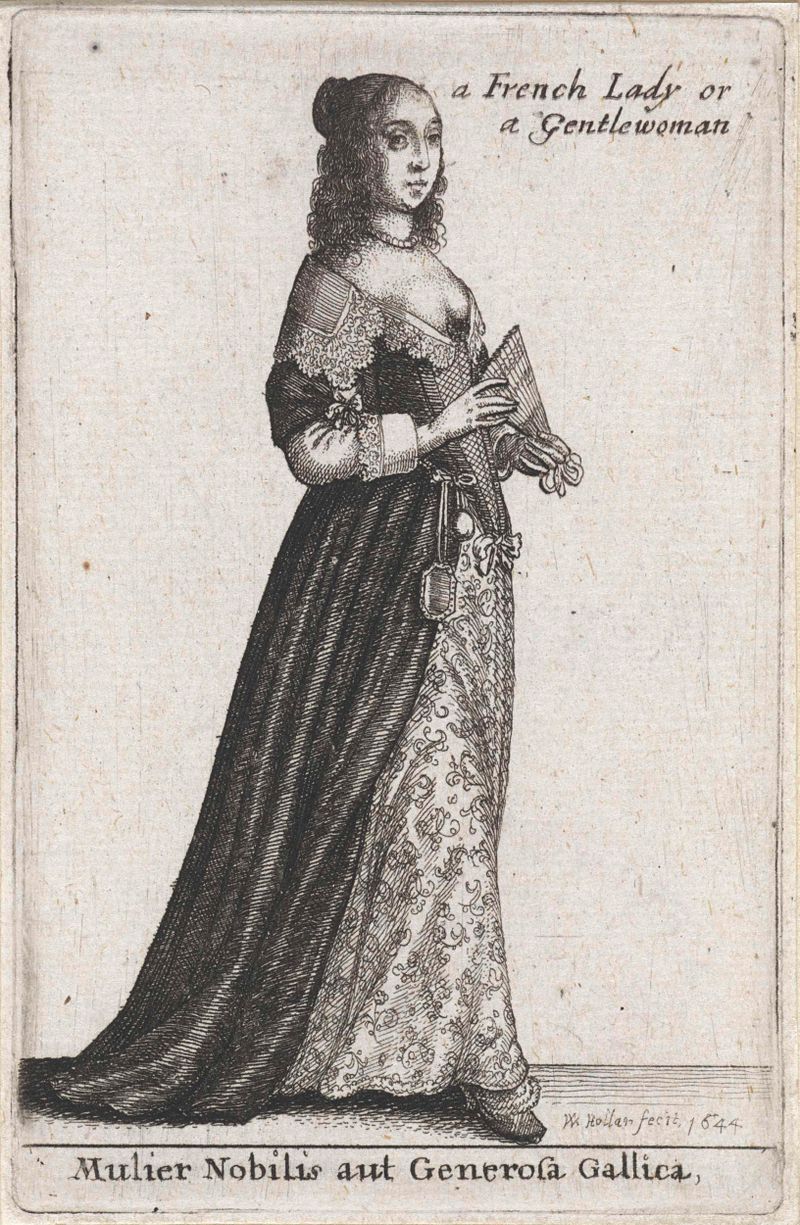
Mulier Nobilis aut Generosa Gallica / a French Lady or Gentlewoman
Wenceslaus Hollar
Titelprent voor: Ornatus Muliebris Anglicanus
Wenceslaus Hollar
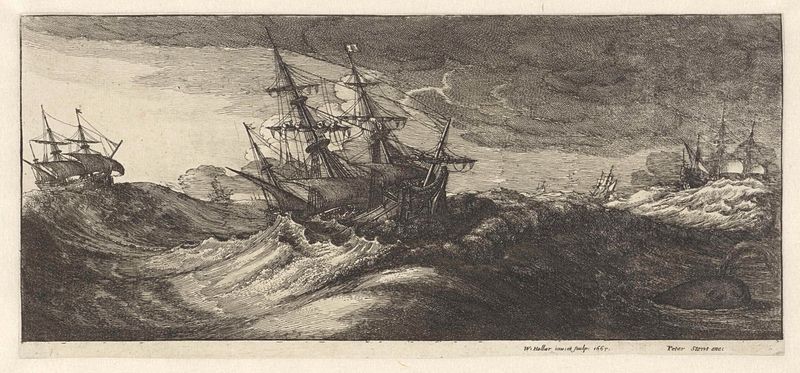
Oorlogsschepen en een walvis in een zeestorm
Wenceslaus Hollar
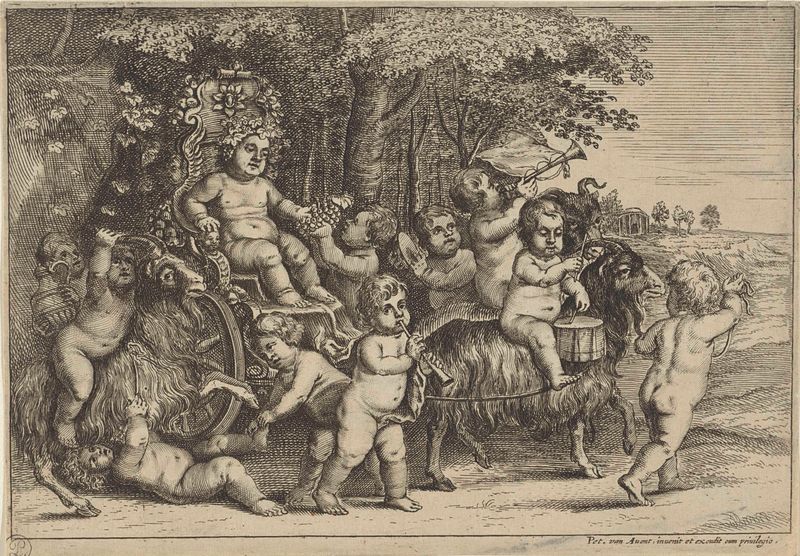
Optocht van bacchant en jongetjes op geiten
Wenceslaus Hollar
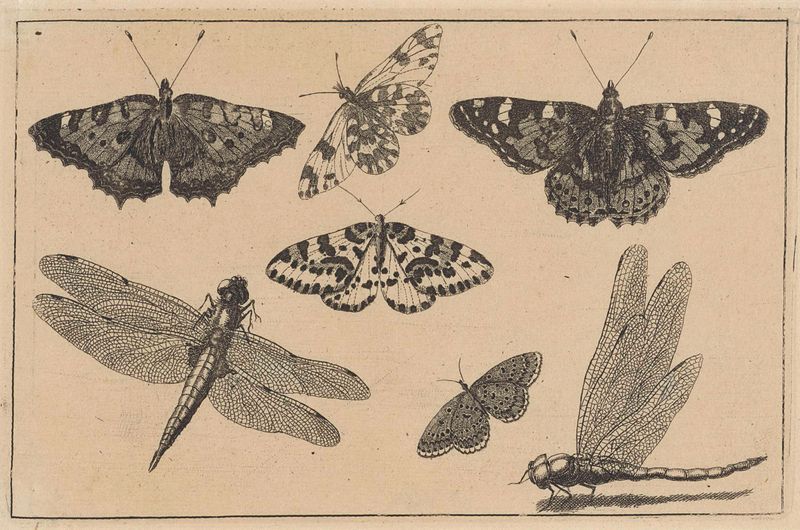
Twee libellen en vijf vlinders
Wenceslaus Hollar
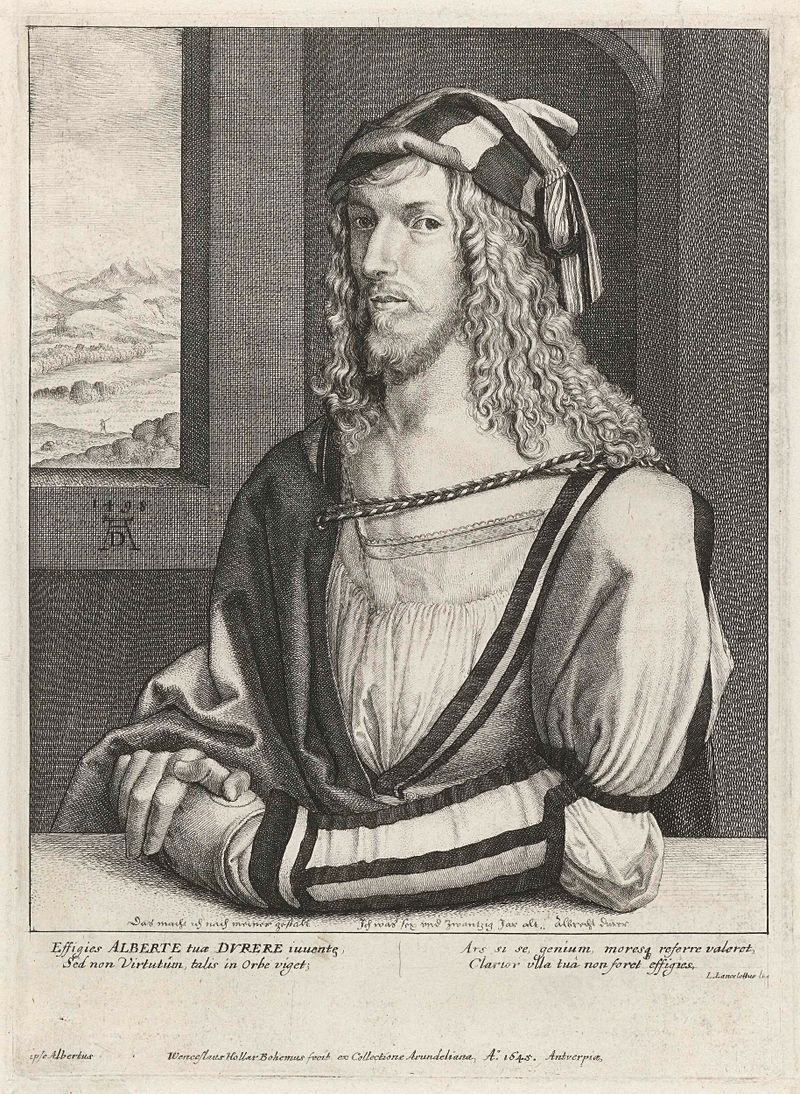
Portret van Albrecht Dürer
Wenceslaus Hollar
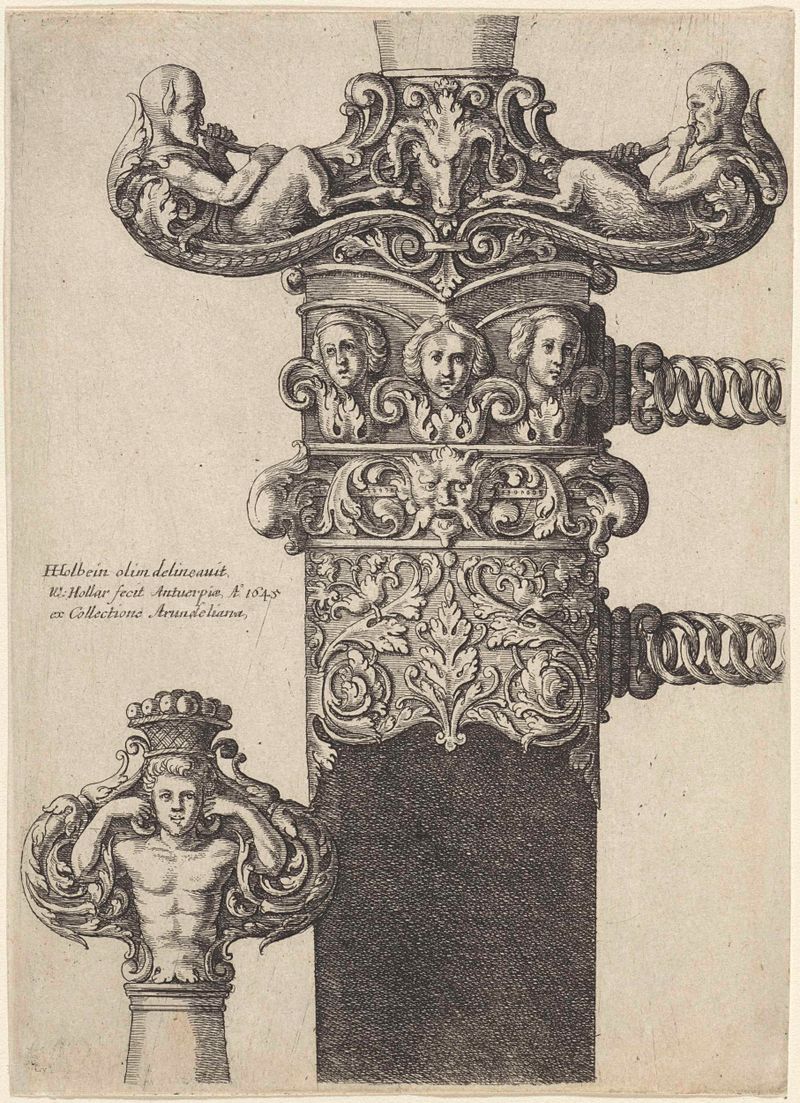
Ornamenteel ontwerp voor een dolk
Wenceslaus Hollar
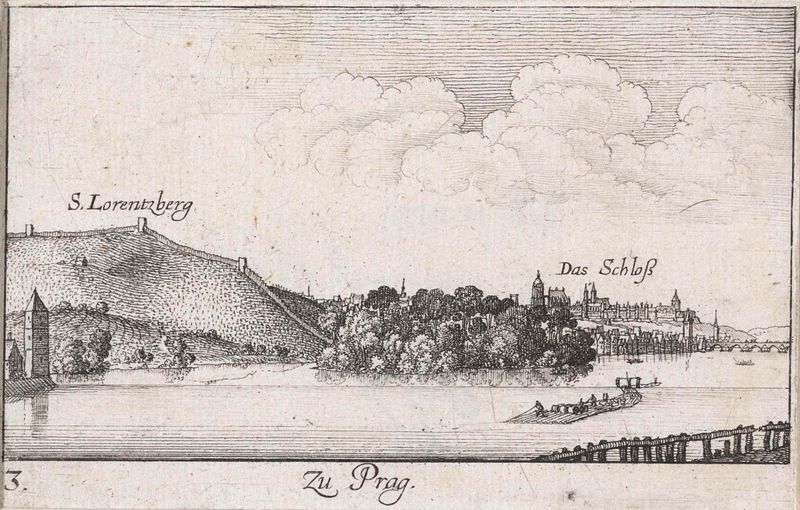
Gezicht op Praag vanaf de Moldau
Wenceslaus Hollar
More Architecture Art
Browse all →
The statue of Liberty
Frédéric Auguste Bartholdi

View of Houses in Delft, Known as ‘The Little Street’
Johannes Vermeer

View of Houses in Delft, Known as ‘The Little Street’
Johannes Vermeer

The Cathedral in Rouen. The portal, Grey Weather
Claude Monet

The yellow house
Vincent van Gogh

The Church in Auvers-sur-Oise, View from the Chevet
Vincent van Gogh