
Weymouth Bay: Bowleaze Cove and Jordon Hill — History & Facts
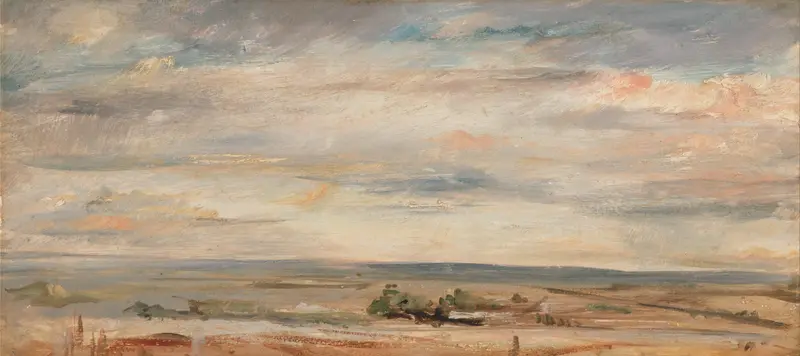
The first thing that seizes the eye in Weymouth Bay: Bowleaze Cove and Jordon Hill is the drama overhead—a sky so alive with movement and shifting light that it nearly dwarfs the land below. The clouds, painted with broad, urgent strokes, seem to tumble and churn, their shadows sweeping across the gentle curve of the bay. The beach itself is quiet, scattered with rocks that anchor the foreground, while the surf laps in slow, rhythmic lines.
The light catches on the green rise of Jordon Hill, drawing the viewer’s gaze along the curve of the coast before it is pulled back up into the restless sky. Constable’s palette here is earthy and direct, his brushwork loose enough to let the viewer feel the air and the openness of the English shore. Painted between 1816 and 1817, this work belongs to an era when landscape painting was breaking free from the confines of the picturesque and the idealized. Artists like John Constable sought to capture the truth of nature as they saw and felt it, often painting directly from life.
This was a period of rapid change in Britain—industrialization was reshaping the countryside, and the Romantic movement was urging artists to look inward and outward with new intensity. Little is recorded about the specific journey of this painting, now housed in the National Gallery, London, but its presence there speaks to the enduring fascination with Constable’s vision of the English landscape. Stand before it and let your eye wander; the story here is in the weather, the land, and the restless promise of the sea.
More Artworks by John Constable
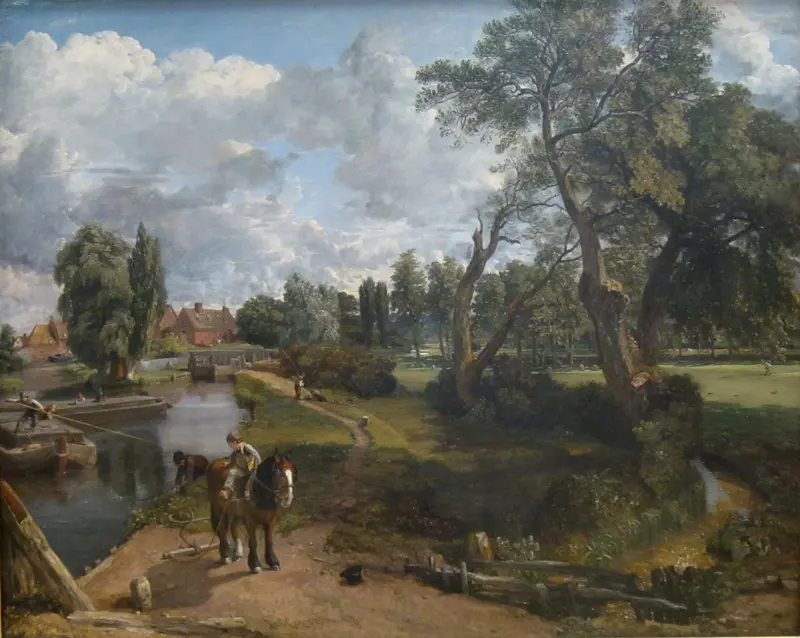
Flatford Mill (Scene on a Navigable River)
John Constable

Salisbury Cathedral From The Meadows
John Constable
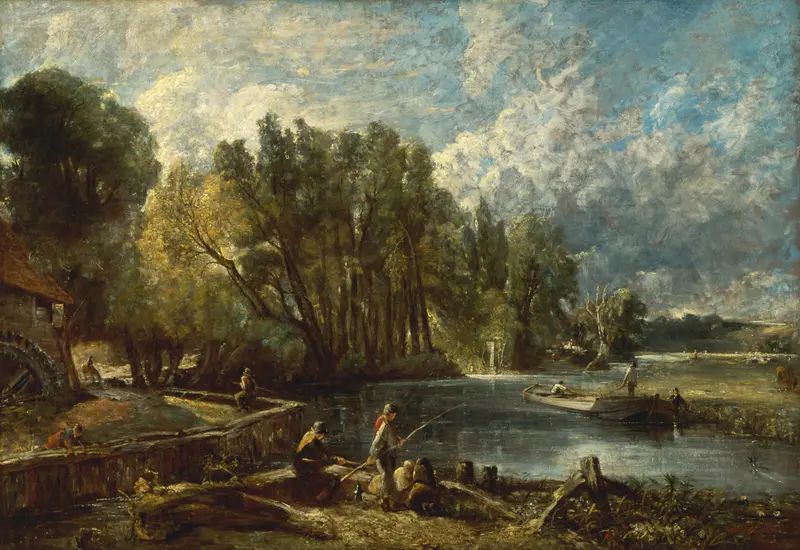
Stratford Mill
John Constable
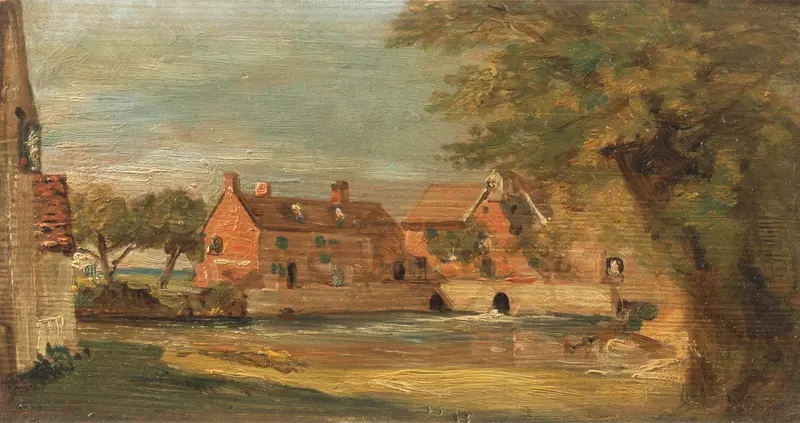
Flatford Mill
John Constable
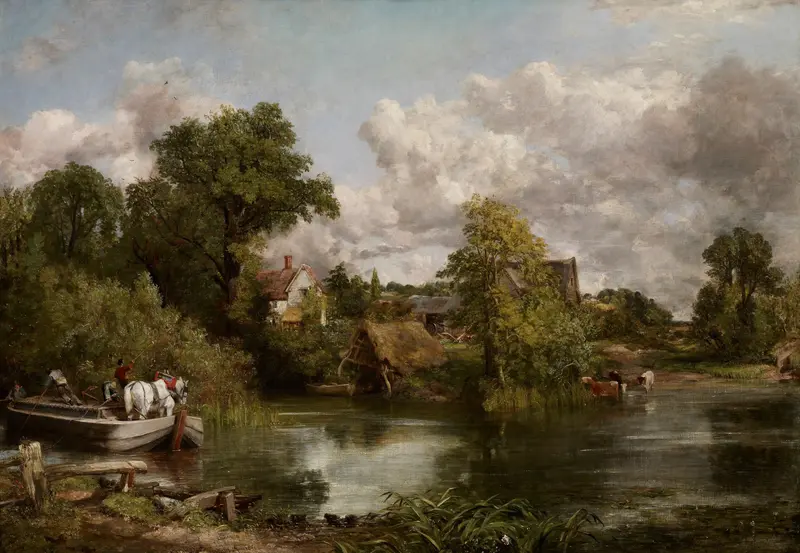
The White Horse
John Constable
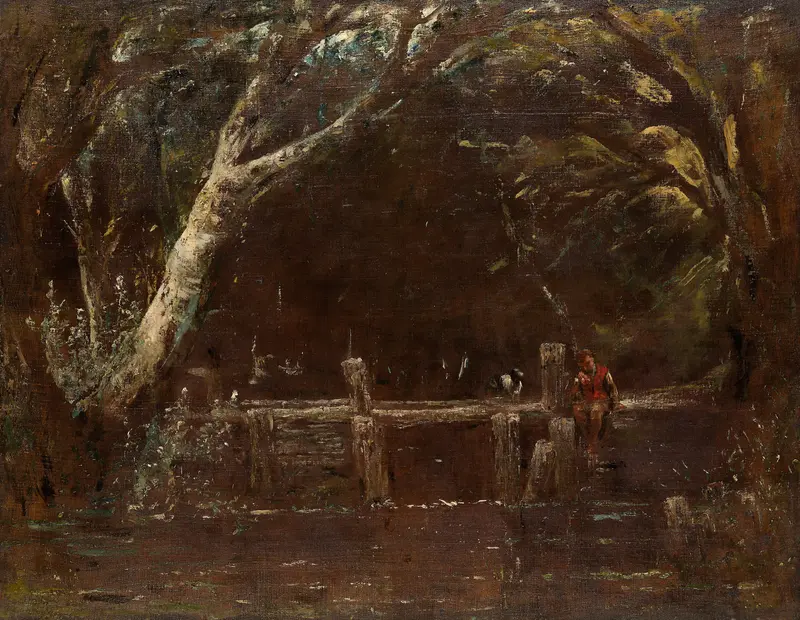
Landscape (The Lock)
John Constable
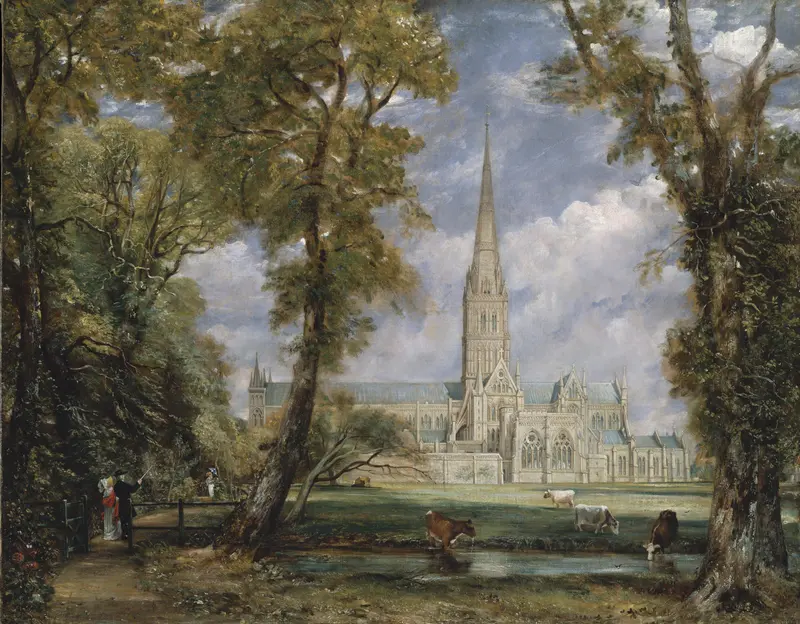
Salisbury Cathedral from the Bishop’s Grounds
John Constable
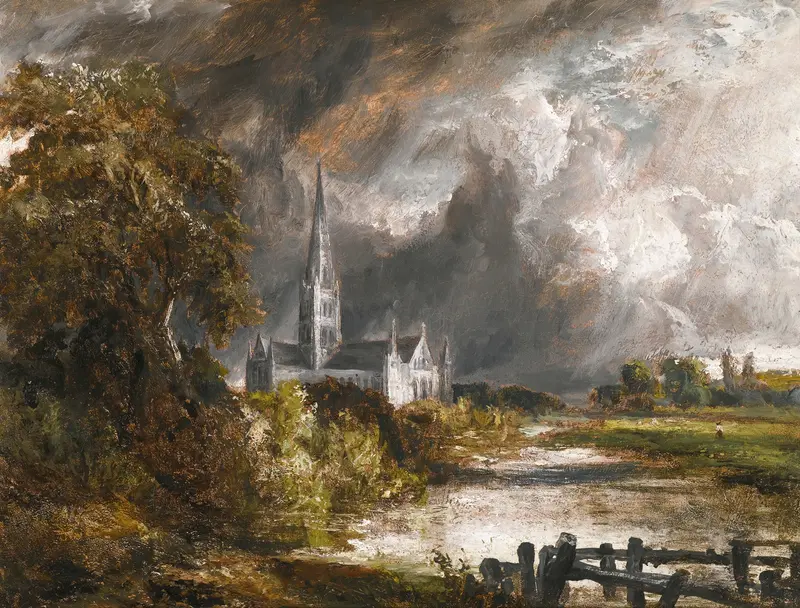
Salisbury Cathedral From The Meadows
John Constable
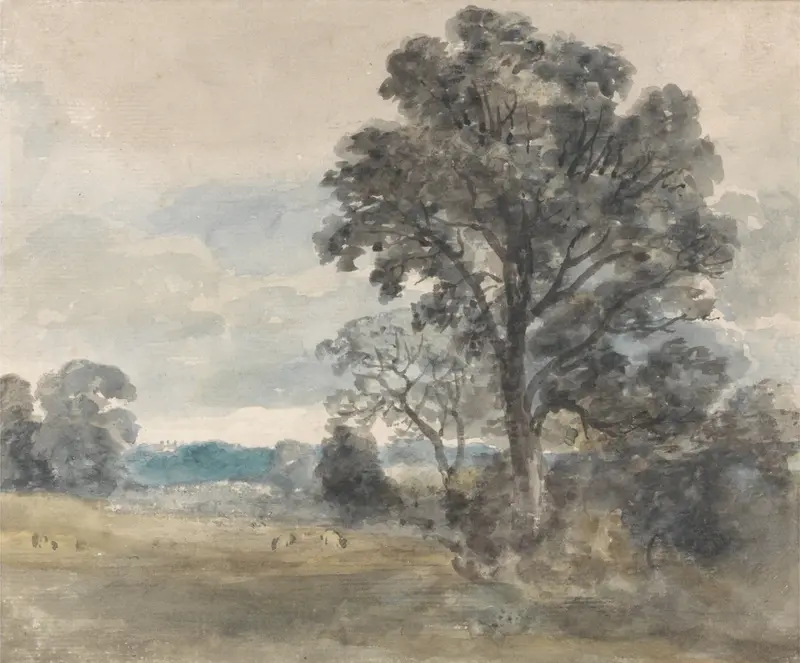
Landscape at East Bergholt
John Constable
Cloud Study, Early Morning, Looking East from Hampstead
John Constable
More Landscape Art

The Starry Night
Vincent van Gogh

View of Delft
Johannes Vermeer

Water Lilies
Claude Monet

The Grand Canal, Venice, looking north-west from the Ca' Corner to the Ca' Contarini degli Scrigni, with the campanile of Santa Maria della Carità
Canaletto

Windsor Castle
Canaletto

The Grand Canal looking North-East from the Palazzo Dolfin-Manin to the Rialto Bridge
Canaletto