
Weymouth Bay — History & Facts
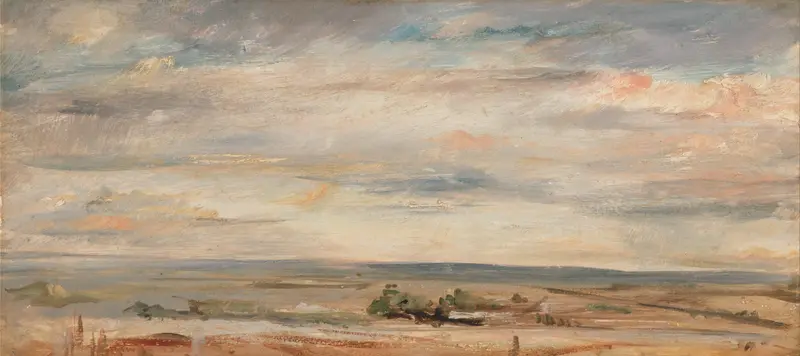
What first catches the eye is the sweep of sky—an immense, churning dome of grey and blue that seems to press down on the narrow strip of land and sea below. The drama is not in crashing waves or bustling crowds, but in the sheer scale of weather: the clouds twist and billow, their brushstrokes loose and urgent, as if the painter was racing to capture a fleeting mood. A tiny pair of figures, almost swallowed by the scene, stand at the heart of the beach, their presence a quiet anchor amid the restless elements.
The light, breaking through in patches, glances off wet sand and distant hills, guiding the viewer’s gaze from the brooding sky to the gentle curve of the bay. Every mark in the sand, every flick of white in the surf, feels chosen to heighten the sense of movement and anticipation. Painted in 1816, this work belongs to a moment when British artists like John Constable were turning their attention to the natural world not as backdrop, but as subject in its own right. The early nineteenth century saw landscape painting shift from grand, idealized vistas to something more immediate and personal, often painted outdoors to seize the changing light.
Little is recorded about this specific version of Weymouth Bay, now in the Victoria and Albert Museum, but its loose handling and modest scale suggest it may have been painted quickly, perhaps as a study or a memory. In an era when the English coast was becoming newly accessible to travelers and artists alike, scenes like this offered viewers a window onto both the wildness and intimacy of nature—an invitation to linger, and to look again.
More Artworks by John Constable
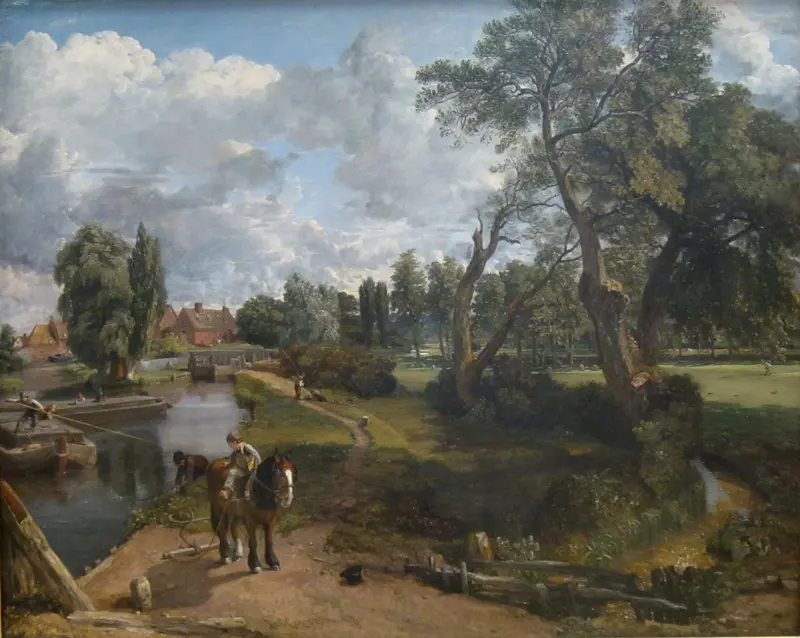
Flatford Mill (Scene on a Navigable River)
John Constable

Salisbury Cathedral From The Meadows
John Constable
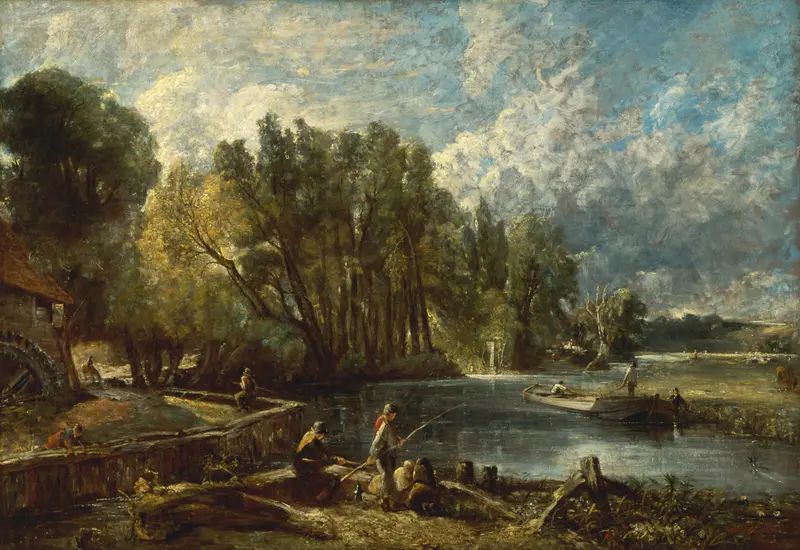
Stratford Mill
John Constable
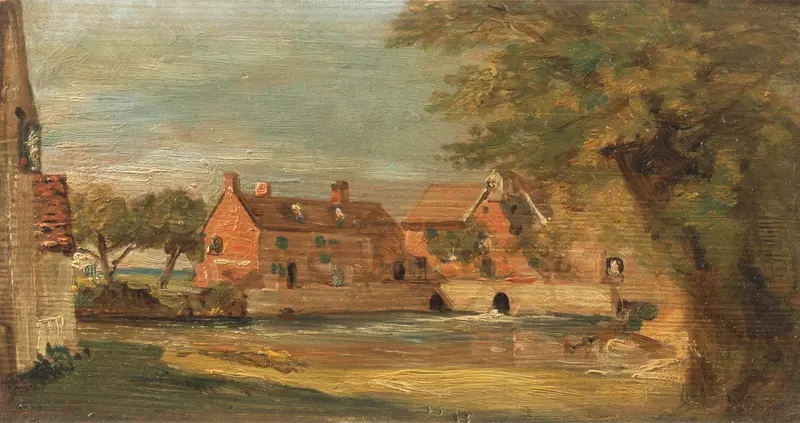
Flatford Mill
John Constable
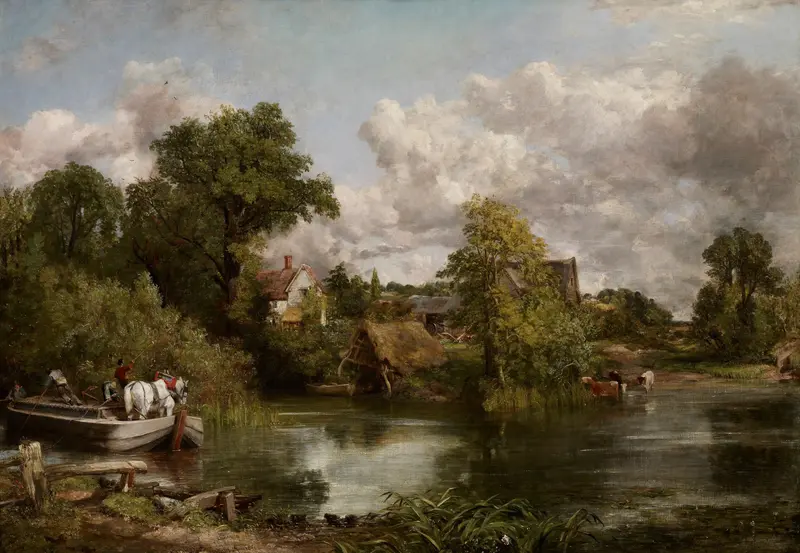
The White Horse
John Constable
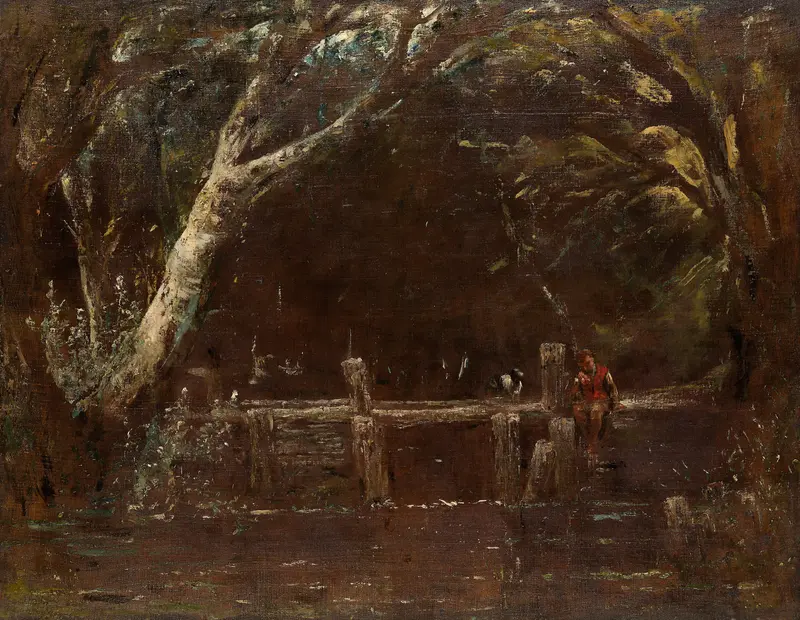
Landscape (The Lock)
John Constable
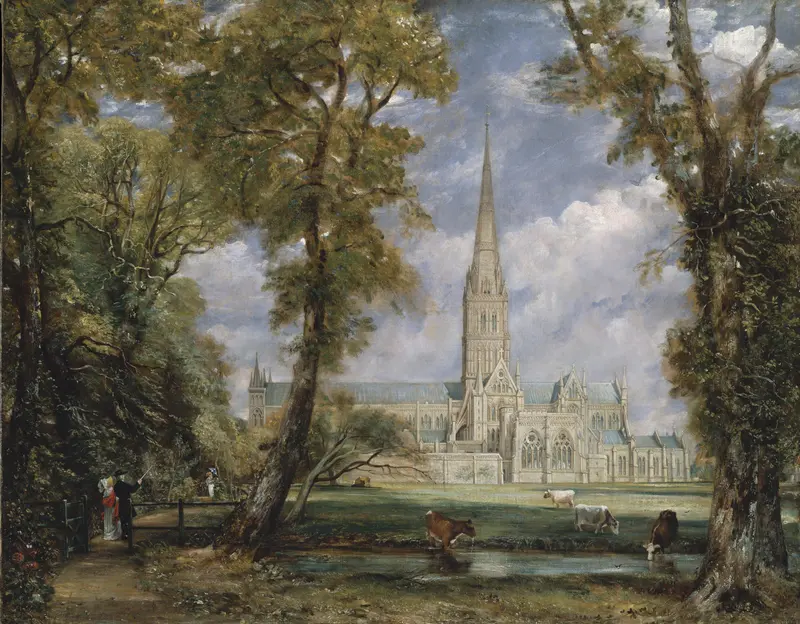
Salisbury Cathedral from the Bishop’s Grounds
John Constable
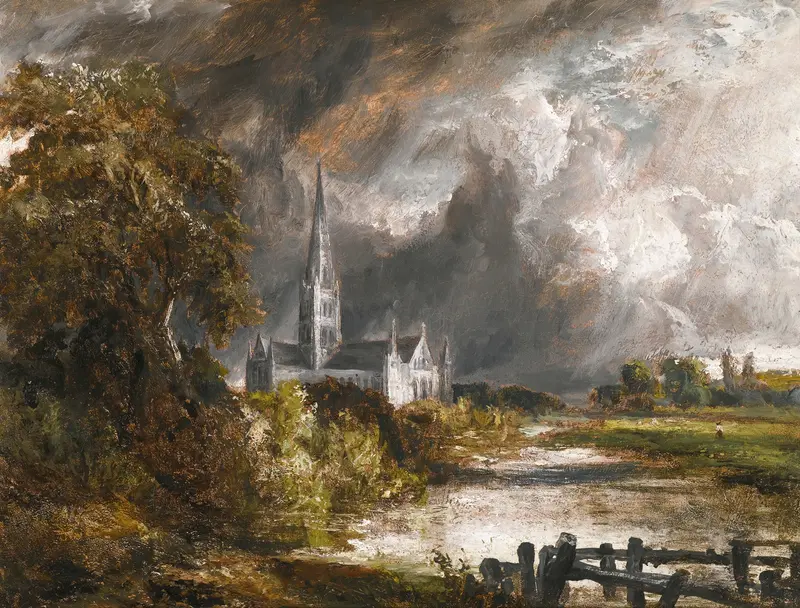
Salisbury Cathedral From The Meadows
John Constable
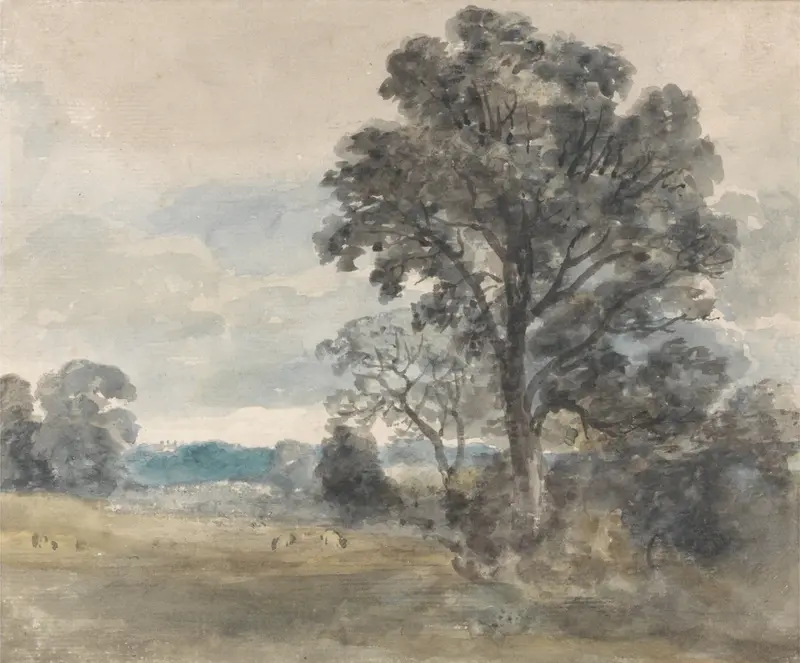
Landscape at East Bergholt
John Constable
Cloud Study, Early Morning, Looking East from Hampstead
John Constable
More Landscape Art

The Starry Night
Vincent van Gogh

View of Delft
Johannes Vermeer

Water Lilies
Claude Monet

The Grand Canal, Venice, looking north-west from the Ca' Corner to the Ca' Contarini degli Scrigni, with the campanile of Santa Maria della Carità
Canaletto

Windsor Castle
Canaletto

The Grand Canal looking North-East from the Palazzo Dolfin-Manin to the Rialto Bridge
Canaletto