
White and Grey: Courtyard, House in Dieppe — History & Facts
Could a single brushstroke hold eternity? In White and Grey: Courtyard, House in Dieppe, layers of grief and tranquility intertwine, whispering tales of loss and remembrance. Look to the left at the delicate interplay of white and grey tones that envelop the scene, where the building's façade stands in quiet repose against an expansive sky. The subtle gradations of color create a melancholic atmosphere, inviting the viewer to immerse themselves in the stillness. Notice how the light softly dances across the surfaces, illuminating the textures and contours, while the sparse yet deliberate composition draws your gaze inward, inviting reflection on the simplicity of domestic life. In this artwork, Whistler captures the tension between absence and presence—each brushstroke a testament to the weight of memory.
The muted palette suggests the sorrow that lingers in the air, while the serene courtyard evokes a sense of peace amidst the unresolved emotions. Tiny details, like the faint outlines of shadows, reveal the impermanence of human experience, reminding us that even in stillness, life ebbs and flows. Created around 1885 during his time in France, the artist was navigating personal challenges, including the loss of his mother. The world of art was undergoing transformation, with Whistler's emphasis on aesthetic beauty and emotional resonance influencing the movement toward modernism.
This piece embodies that delicate intersection of artistry and emotion at a pivotal moment in his career.
More Artworks by James Abbott McNeill Whistler
Browse all →
Nocturne in Blue and Silver
James Abbott McNeill Whistler
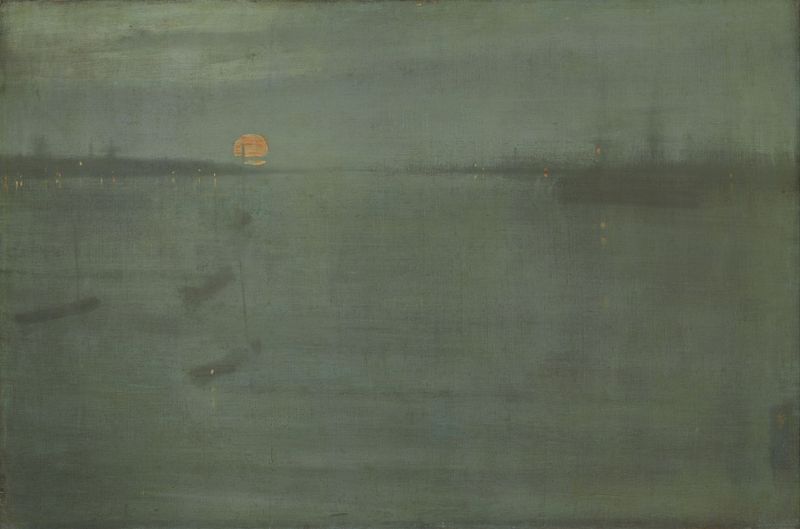
Nocturne: Blue and Gold–Southampton Water
James Abbott McNeill Whistler
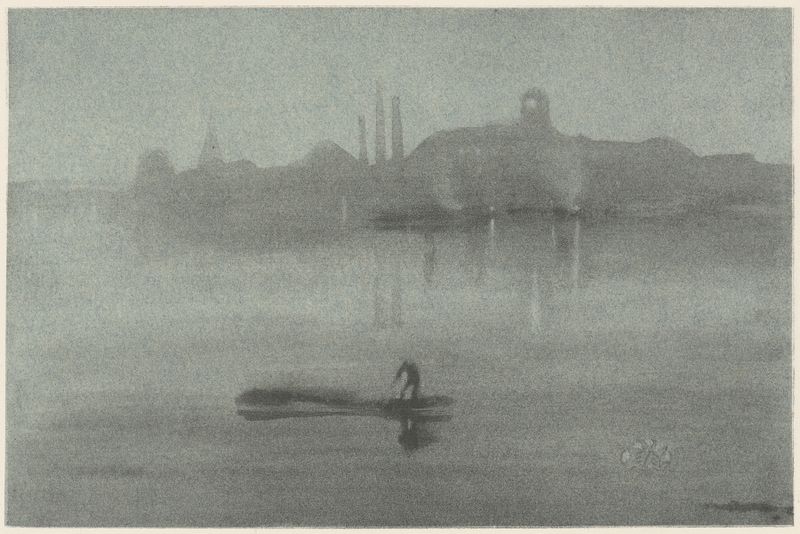
Nocturne
James Abbott McNeill Whistler
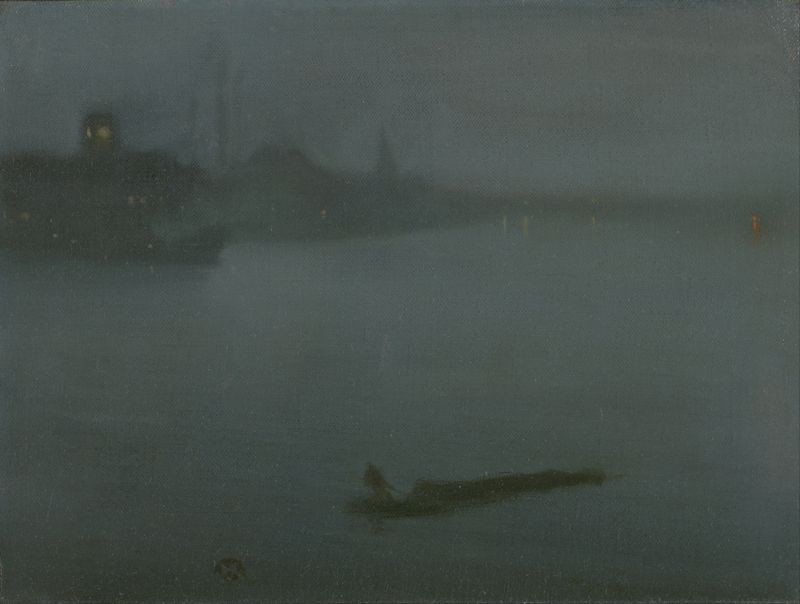
Nocturne in Blue and Silver
James Abbott McNeill Whistler
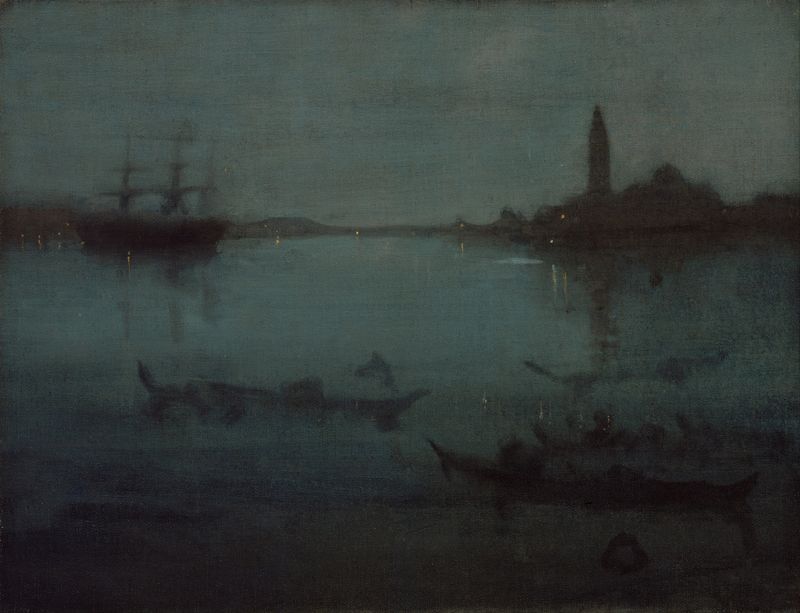
Nocturne in Blue and Silver- The Lagoon, Venice
James Abbott McNeill Whistler
Nocturne in Grey and Gold: Chelsea Snow
James Abbott McNeill Whistler
Nocturne: Black and Red—Back Canal, Holland
James Abbott McNeill Whistler
Old Battersea Bridge
James Abbott McNeill Whistler

Nocturne: Blue and Silver–Battersea Reach
James Abbott McNeill Whistler
Grey and Silver–Pier, Southend
James Abbott McNeill Whistler
More Architecture Art
Browse all →
The statue of Liberty
Frédéric Auguste Bartholdi

View of Houses in Delft, Known as ‘The Little Street’
Johannes Vermeer

View of Houses in Delft, Known as ‘The Little Street’
Johannes Vermeer

The Cathedral in Rouen. The portal, Grey Weather
Claude Monet

The yellow house
Vincent van Gogh

The Church in Auvers-sur-Oise, View from the Chevet
Vincent van Gogh