
Widecombe Village — History & Facts
When Widecombe Village was first exhibited, viewers were struck by its unusually intimate view of rural Devon, a subject rarely tackled with such directness in early nineteenth-century English painting. Unlike the grand landscapes of J.M.W. Turner or the idealized scenes of Constable, John Linnell here turned his attention to the daily rhythms of a real village, Widecombe-in-the-Moor, whose church tower still stands as a local landmark.
The painting’s exact date and commission remain uncertain, but it marks a moment when artists were beginning to look beyond aristocratic estates and mythic vistas, toward the lived reality of the countryside. In the scene, villagers gather near the churchyard under a sky heavy with the promise of rain, their figures rendered with a quiet dignity. Linnell’s eye lingers on the details: the weathered stone of the church, the patchwork of fields stretching toward the moor, and the subtle play of light breaking through clouds. The composition draws the viewer’s gaze from the bustling foreground—children and livestock mingling—to the distant hills, suggesting both the rootedness and the isolation of rural life.
Unlike Constable’s The Hay Wain, which celebrates the harmony of man and nature, Widecombe Village is more reserved, hinting at the hardships as well as the comforts of the village community. The painting’s later history is less well documented than its subject. It has passed through several private collections, and its medium—likely oil on canvas, judging by Linnell’s usual practice—remains a matter of scholarly debate. Today, Widecombe Village is recognized as an important example of Linnell’s early landscape work, reflecting his growing interest in the social realities of rural England.
Its place in the artist’s career marks a turning point, as he moved from conventional portraiture toward a more personal, observational style that would influence later generations of British landscape painters.
More Artworks by John Linnell

A View Near Hampstead
John Linnell
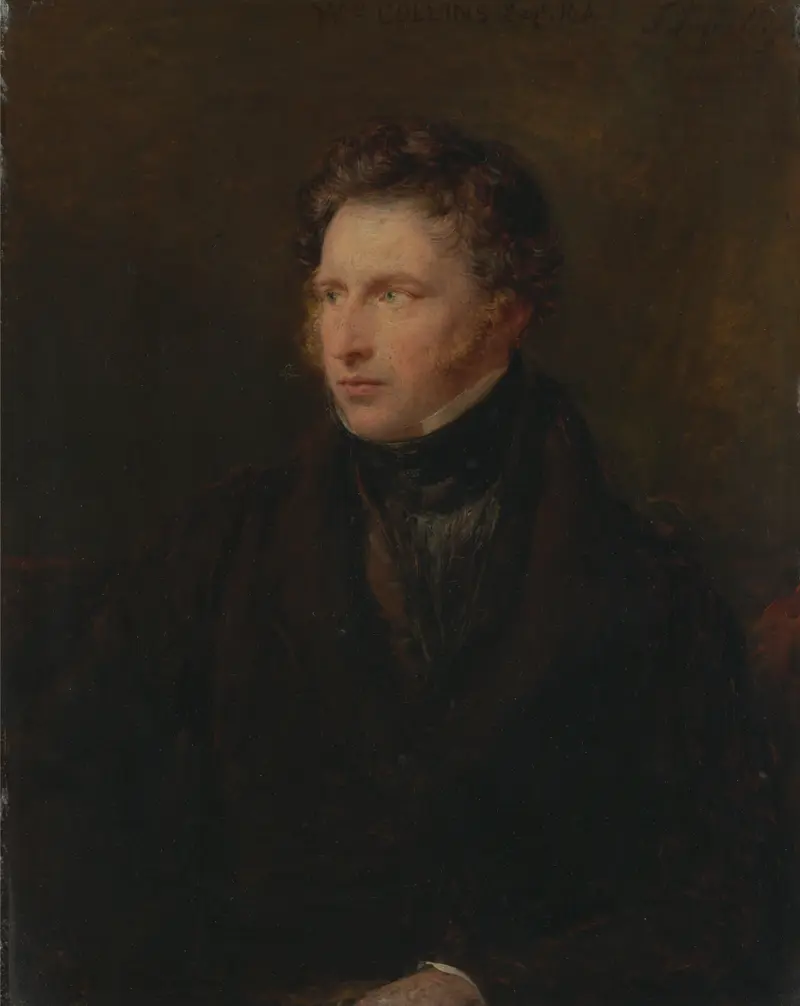
William Collins, R.A.
John Linnell
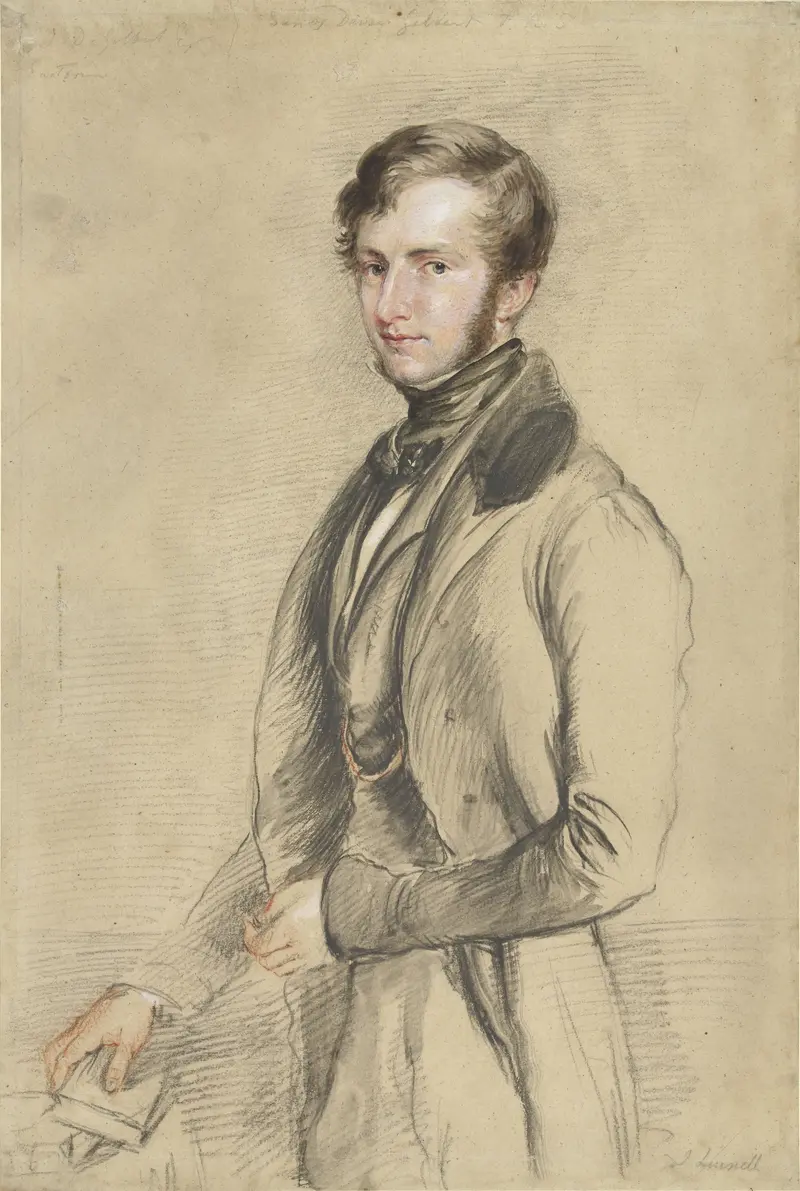
Portrait of John Davies Gilbert
John Linnell
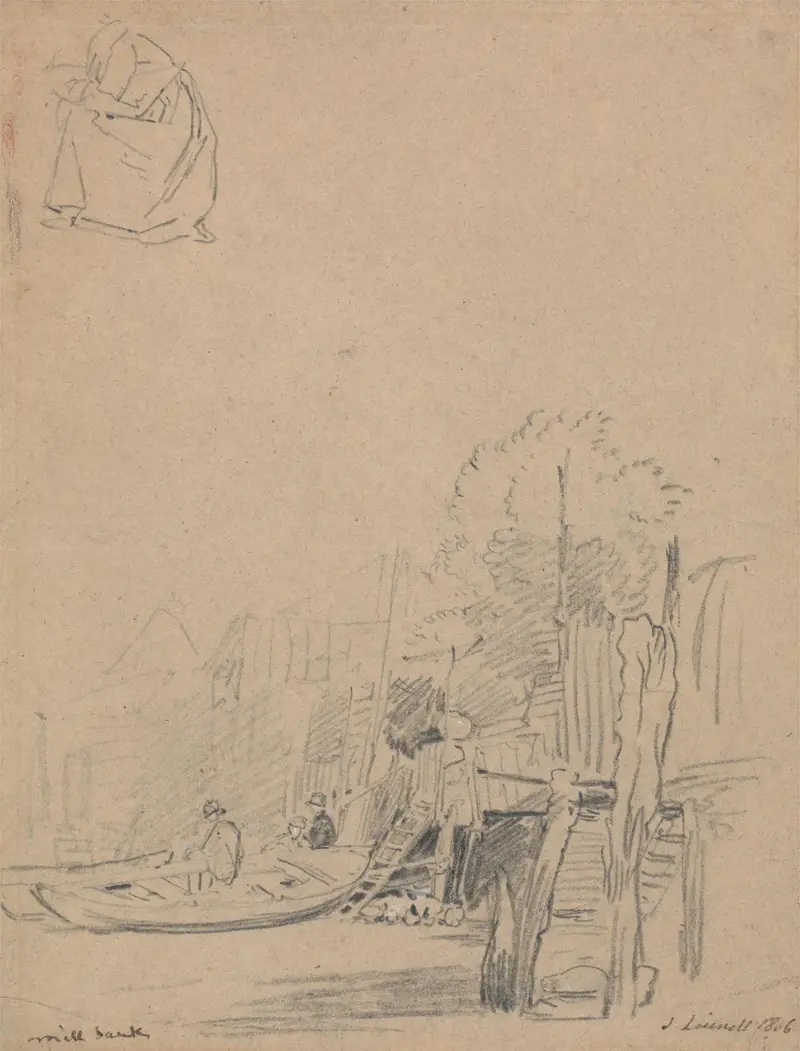
Millbank
John Linnell
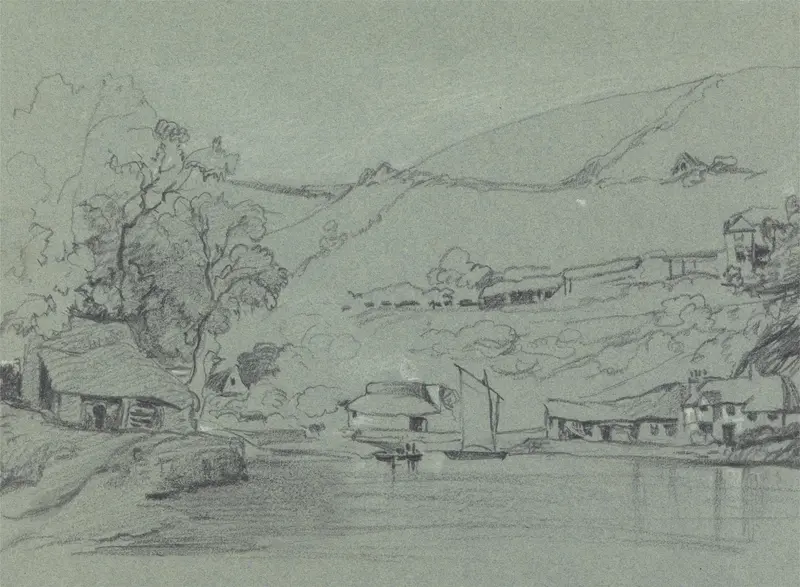
Scene in Kent
John Linnell
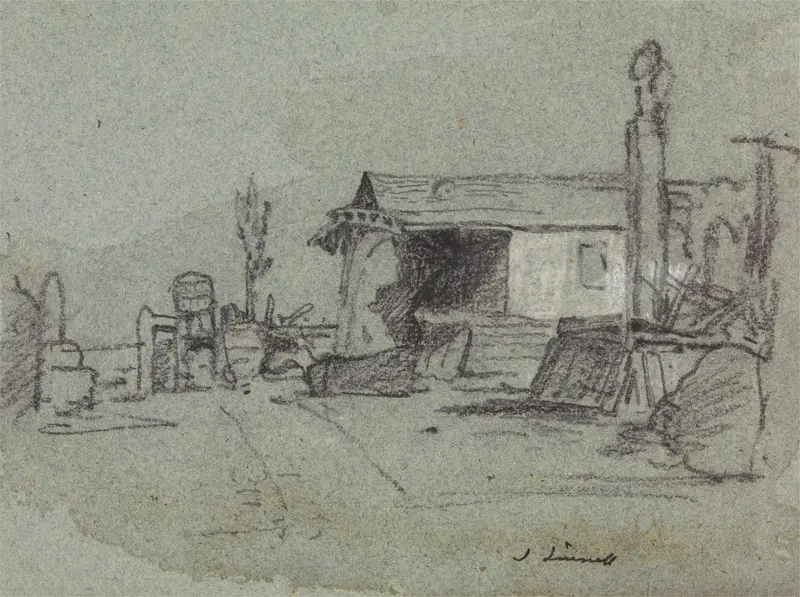
A Scene in the Edgware Road, London
John Linnell
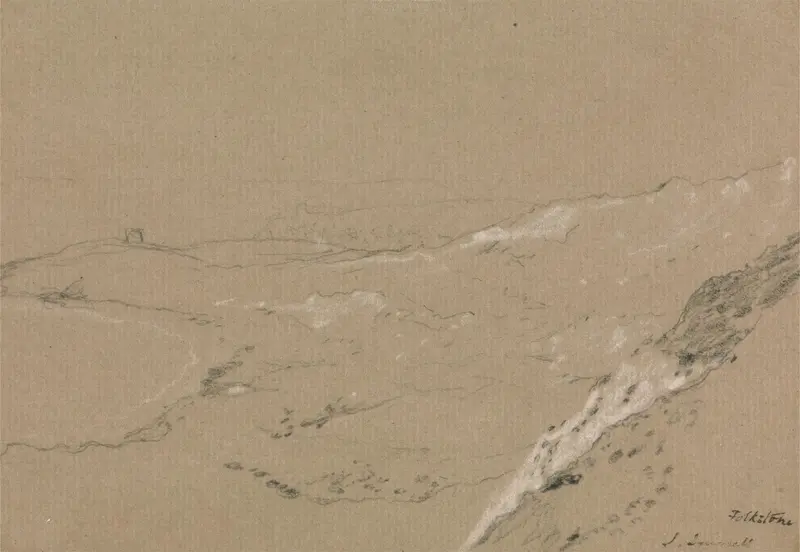
Folkestone
John Linnell
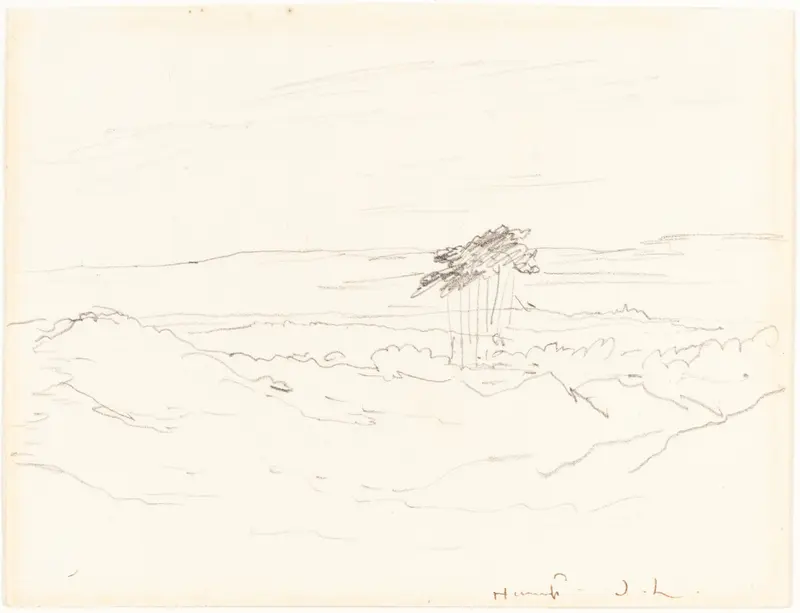
Hampstead Heath
John Linnell
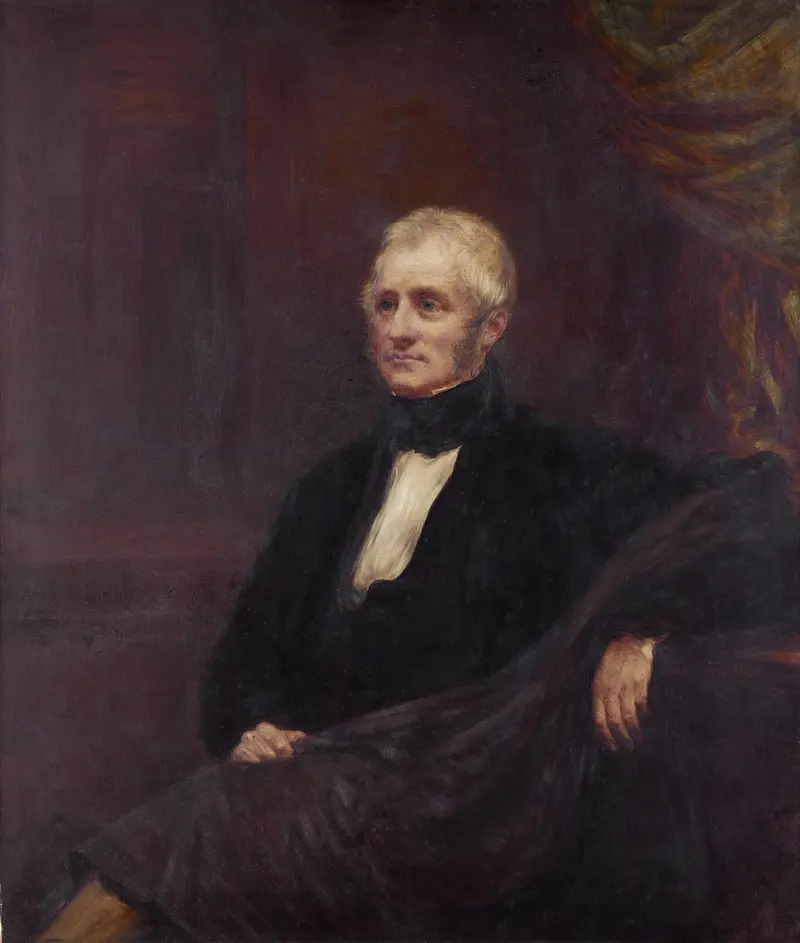
Henry Stephen Fox-Strangways, 3rd Earl Of Ilchester
John Linnell
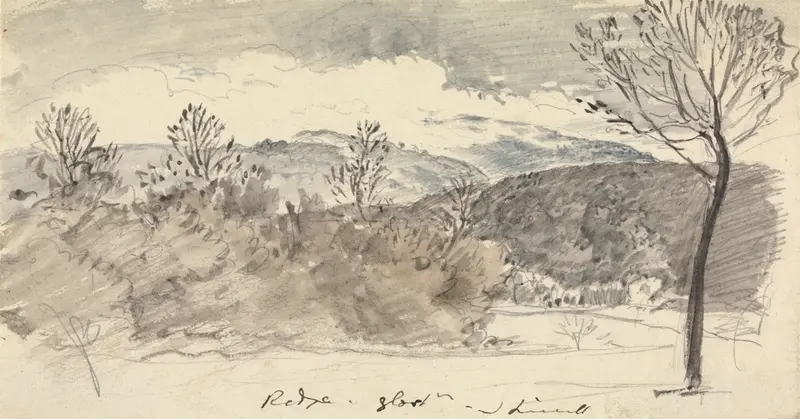
View at Mr. Sheppard’s, The Ridge, Gloucestershire
John Linnell
More Landscape Art

The Starry Night
Vincent van Gogh

View of Delft
Johannes Vermeer

Water Lilies
Claude Monet

The Grand Canal, Venice, looking north-west from the Ca' Corner to the Ca' Contarini degli Scrigni, with the campanile of Santa Maria della Carità
Canaletto

Windsor Castle
Canaletto

The Grand Canal looking North-East from the Palazzo Dolfin-Manin to the Rialto Bridge
Canaletto