
Wild Angelica — History & Facts
What first catches the eye in Wild Angelica is the audacity of its perspective: the wildflower, usually a background detail, rises here as the central subject, towering over the viewer and almost brushing the sky. The dense tangle of green leaves and upright stalks thrusts upward, their forms rendered with brisk, lively brushwork that captures the restless energy of summer growth. Behind this living screen, a band of impossibly blue water cuts across the middle of the painting, dividing earth from sky, while the horizon of dark trees anchors the composition and draws the gaze outward.
The clouds drift gently above, their softness a foil to the sharp geometry of the plant, and the light—cool, northern, and clear—gives every leaf a crisp edge, every shadow a purpose. This is not a still life, but a portrait of a wild thing in its element, at the height of its season. Painted in 1889, Wild Angelica belongs to a moment when artists across Europe were turning their attention to the overlooked corners of nature, finding grandeur in the ordinary and the local. In the late nineteenth century, painters like Axeli Gallen-Kallela were part of a broader movement to capture the distinct character of their native landscapes, often working outdoors to seize the fleeting effects of light and weather.
Such works were rarely grand commissions; instead, they were painted for private collectors or as personal studies, reflecting both scientific curiosity and poetic observation. The piece now appears in the digital collection wAGZOixDsJbGfQ at the Google Cultural Institute, a testament to how even the most modest subject can endure, inviting us to look again at the world just outside our door.
More Artworks by Axeli Gallen-Kallela
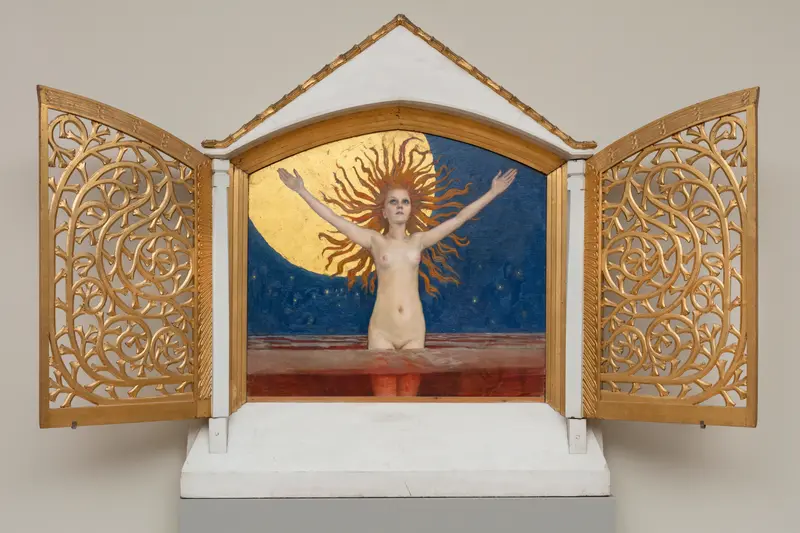
Ad Astra
Axeli Gallen-Kallela
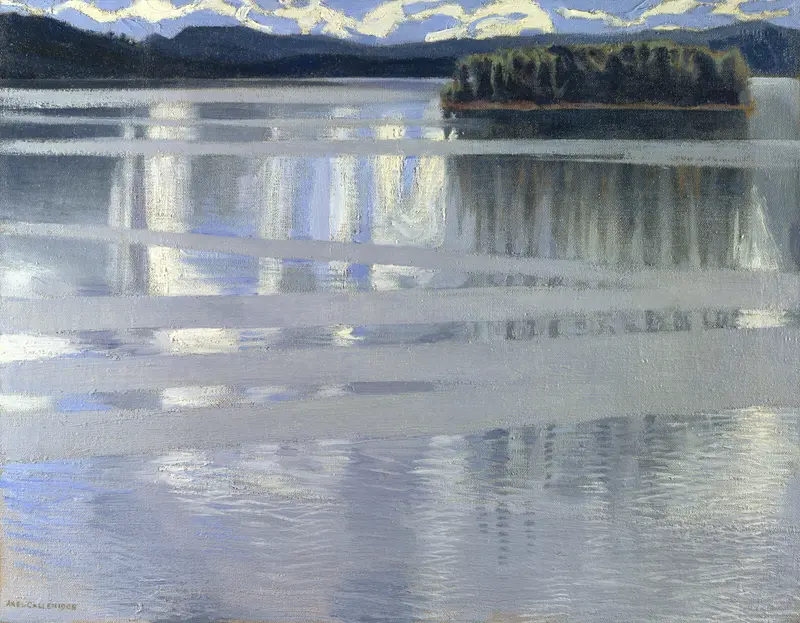
Lake Keitele
Axeli Gallen-Kallela
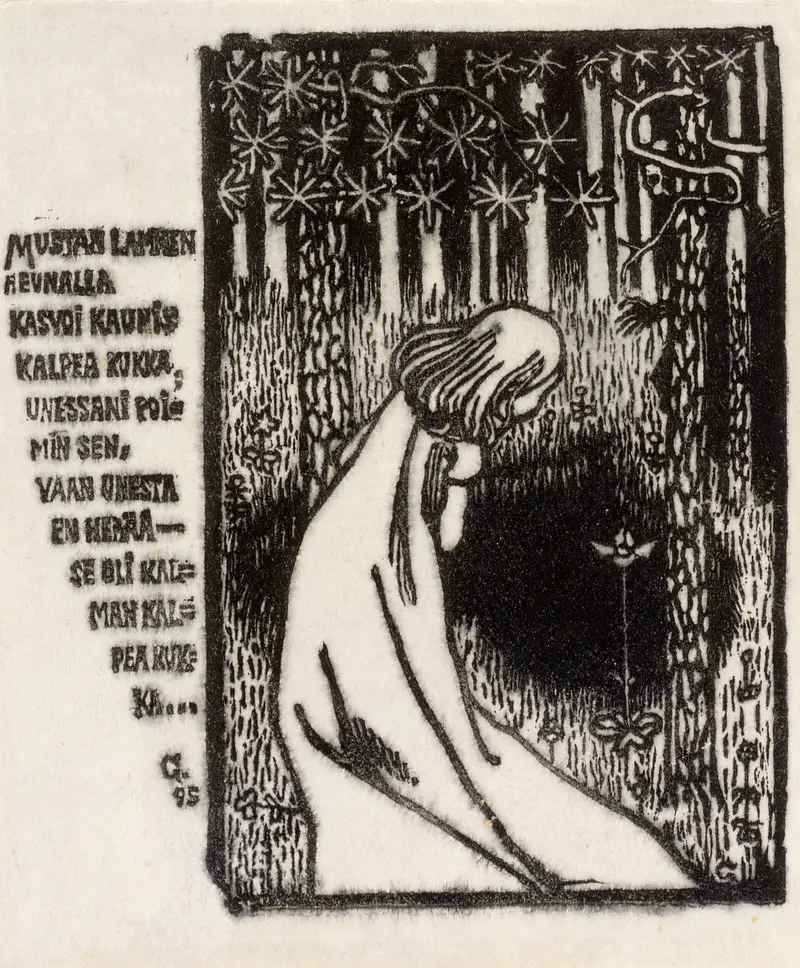
Flower of Death
Axeli Gallen-Kallela
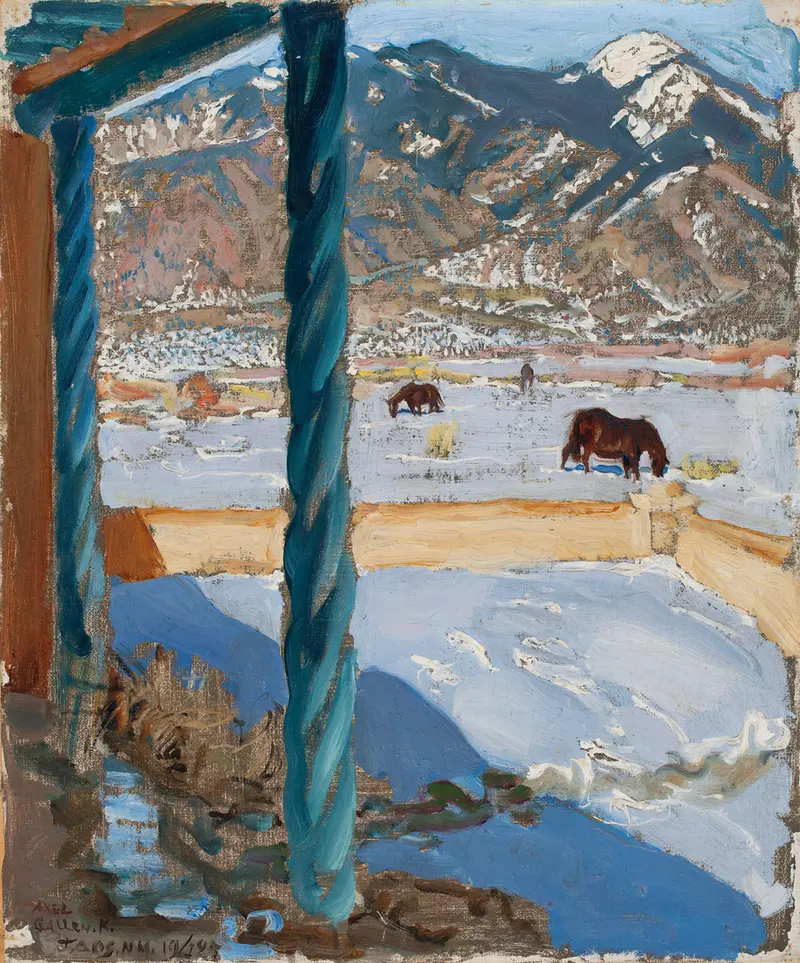
Taos Home in Sunlight
Axeli Gallen-Kallela
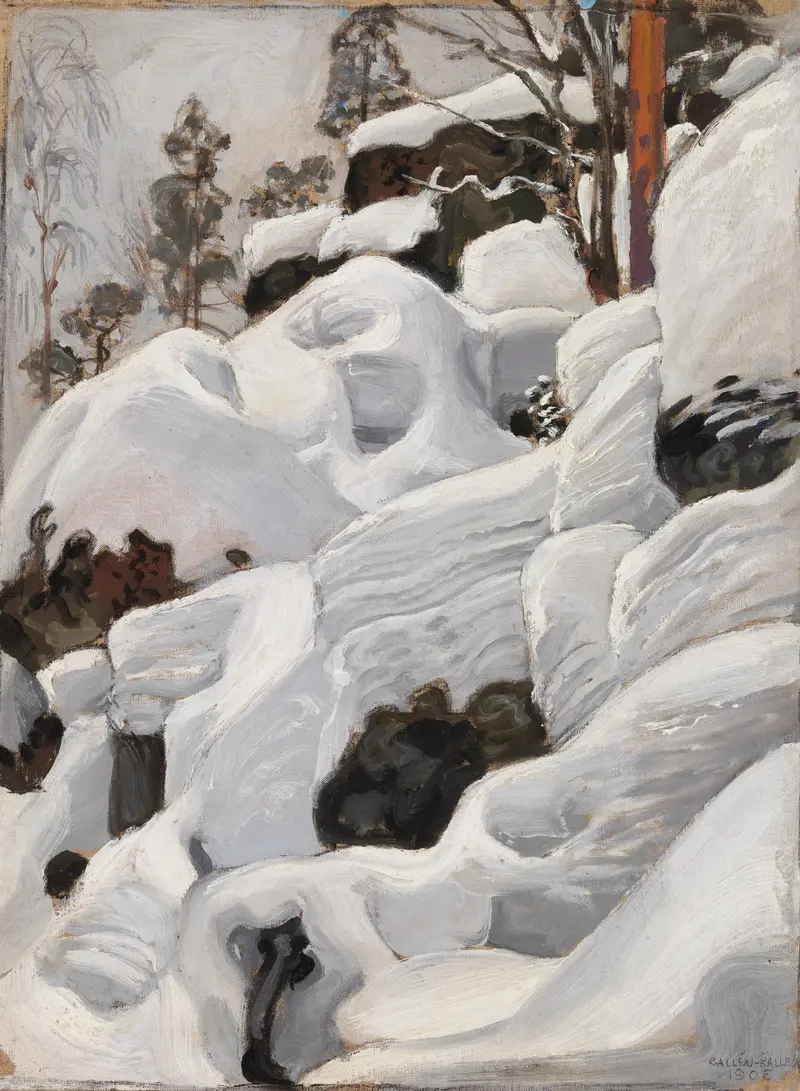
Lair of the Lynx
Axeli Gallen-Kallela
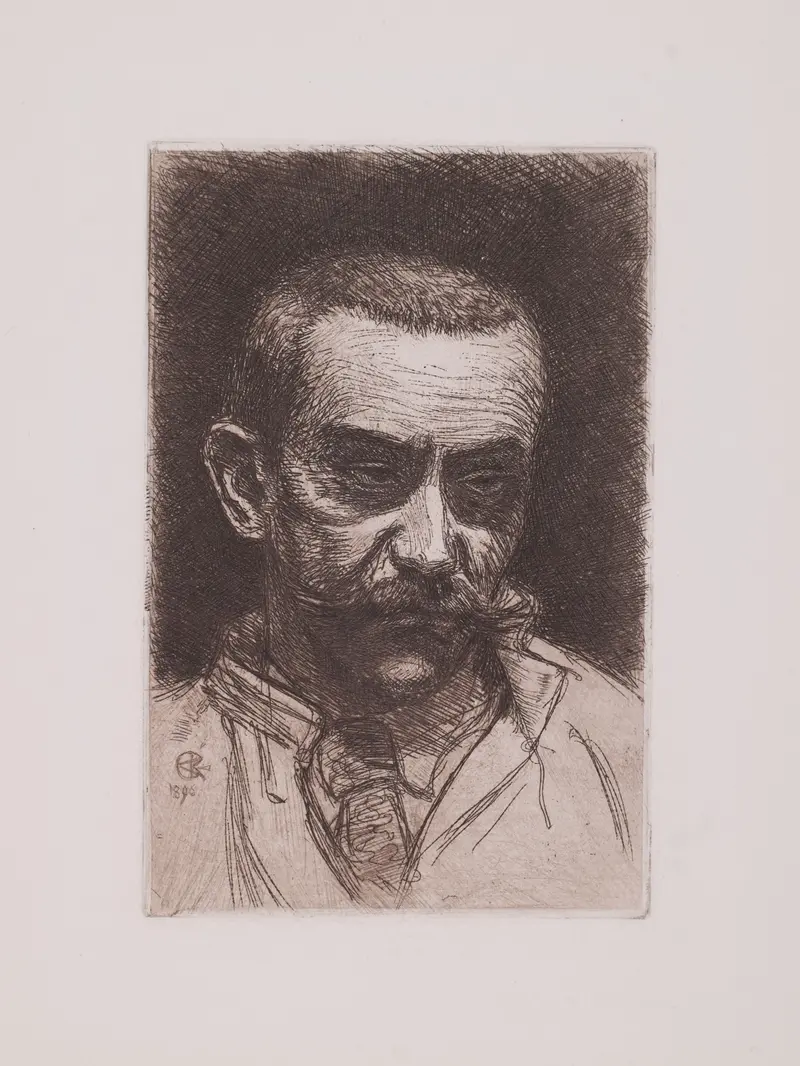
Louis Sparre
Axeli Gallen-Kallela
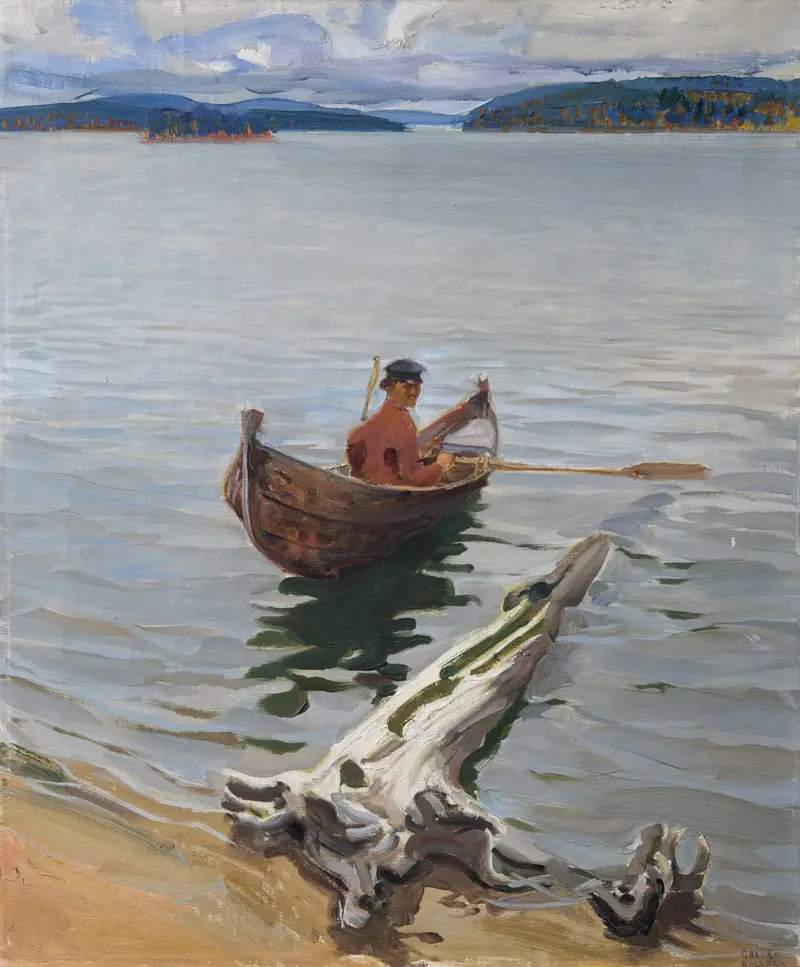
Rower on the Lake
Axeli Gallen-Kallela
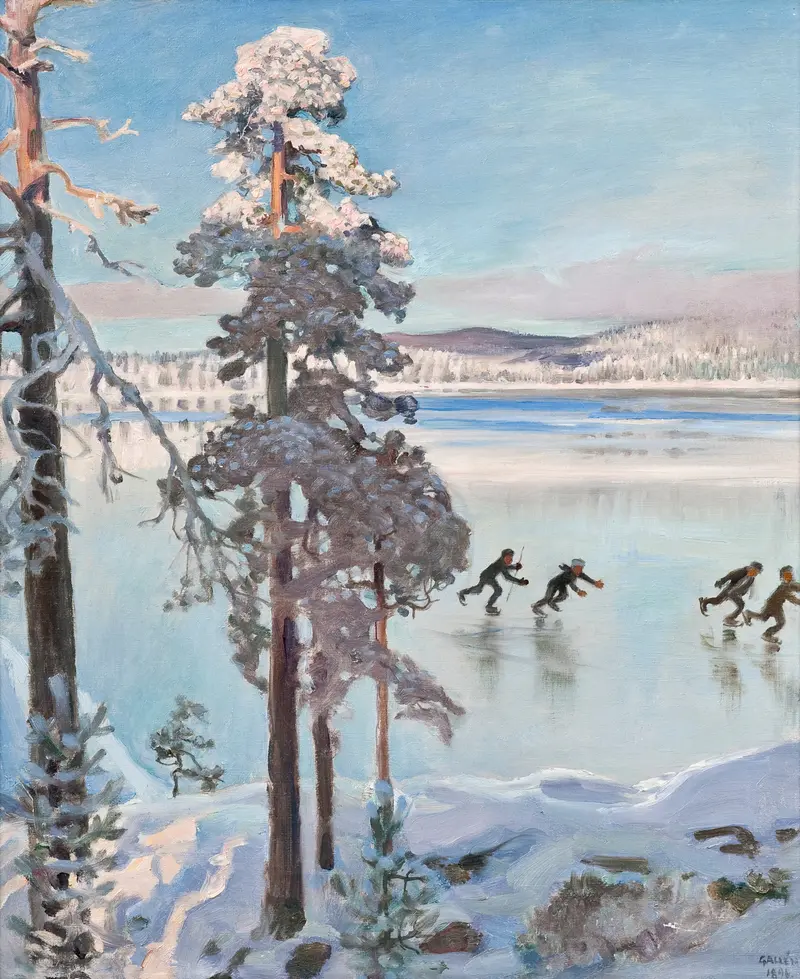
Skaters near the Shore of Kalela
Axeli Gallen-Kallela
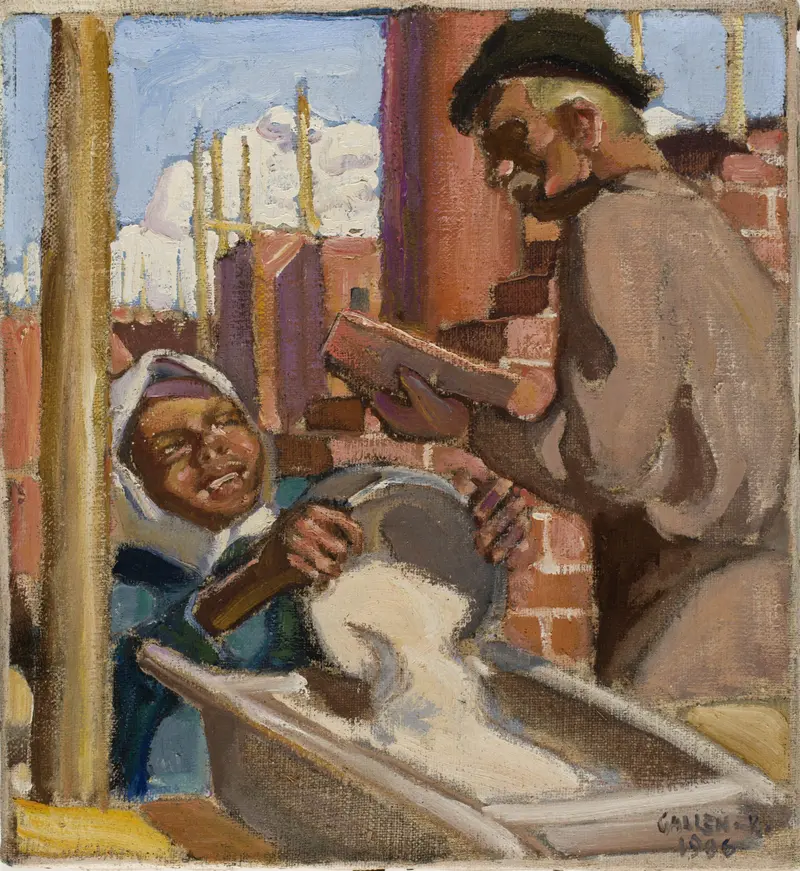
The Building
Axeli Gallen-Kallela
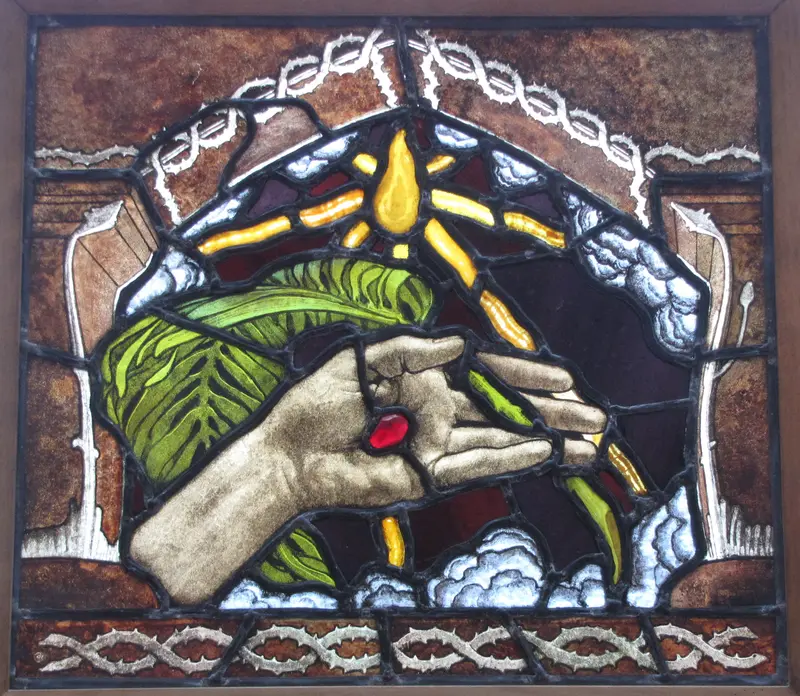
The Hand of Christ
Axeli Gallen-Kallela
More Landscape Art

Starry Night
Vincent van Gogh

View of Delft
Johannes Vermeer

Water Lilies
Claude Monet

The Grand Canal, Venice, looking north-west from the Ca' Corner to the Ca' Contarini degli Scrigni, with the campanile of Santa Maria della Carità
Canaletto

Windsor Castle
Canaletto

The Grand Canal looking North-East from the Palazzo Dolfin-Manin to the Rialto Bridge
Canaletto