
William of Orange — History & Facts
A single, searching gaze draws the viewer in—a face half in shadow, half in the clear, cool light of the north. The sitter’s eyes, sharp and steady, seem to weigh the world, while the intricate gold embroidery of his doublet and the crisp, starched ruff frame a man of both authority and calculation. Above his shoulder, a coat of arms signals lineage and allegiance, but it is the quiet intelligence in his expression that commands attention.
The painter, Adriaen Thomasz. Key, has chosen not to flatter but to reveal: here is a leader whose power is measured, not merely worn. The year 1580 is inscribed at the top, anchoring this portrait in a moment of profound tension in the Low Countries. The sitter’s black cap and somber attire, offset by the shimmer of gold thread, speak to both mourning and dignity—a visual code for status and perhaps for loss.
The background is plain, forcing all focus onto the man and his heraldic symbol, as if the world has fallen away to leave only the weight of responsibility. The texture of the lace and the subtle modeling of flesh invite close study, rewarding the eye with each return. In this painting, every detail—the ruff’s sharp pleats, the careful twist of gold—serves to heighten the sense of presence and gravity. Portraits like this, produced in the late sixteenth century, were often instruments of political messaging as much as records of likeness.
In the turbulent world of the Netherlands around 1580, such images circulated among allies and rivals alike, reinforcing claims to leadership and legitimacy. Adriaen Thomasz. Key was known for his ability to capture both the likeness and the inner life of his sitters, and this work, now in the Royal Museum of Fine Arts Antwerp, stands as a testament to that skill.
The painting’s survival allows us to look into the eyes of a figure shaped by—and shaping—the age of religious and political upheaval.
More Artworks by Adriaen Thomasz. Key
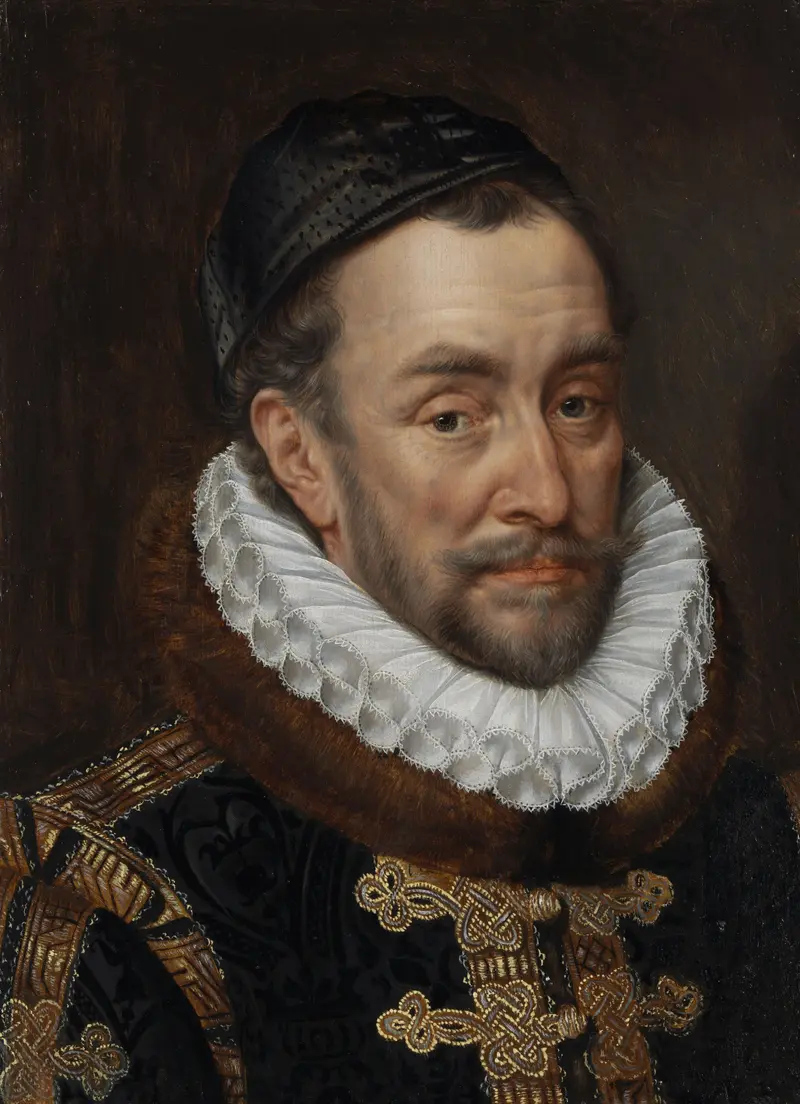
Portrait of William I, Prince of Orange
Adriaen Thomasz. Key
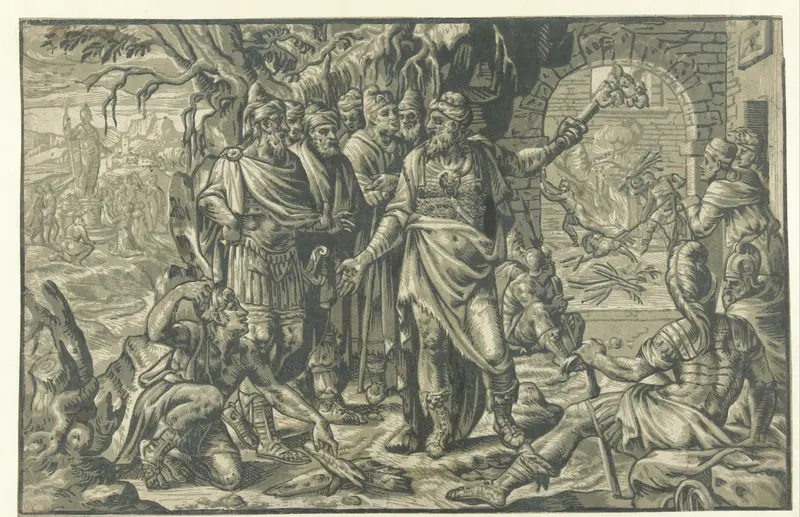
Nebukadnezar werpt de drie jongelingen in de vurige oven
Adriaen Thomasz. Key
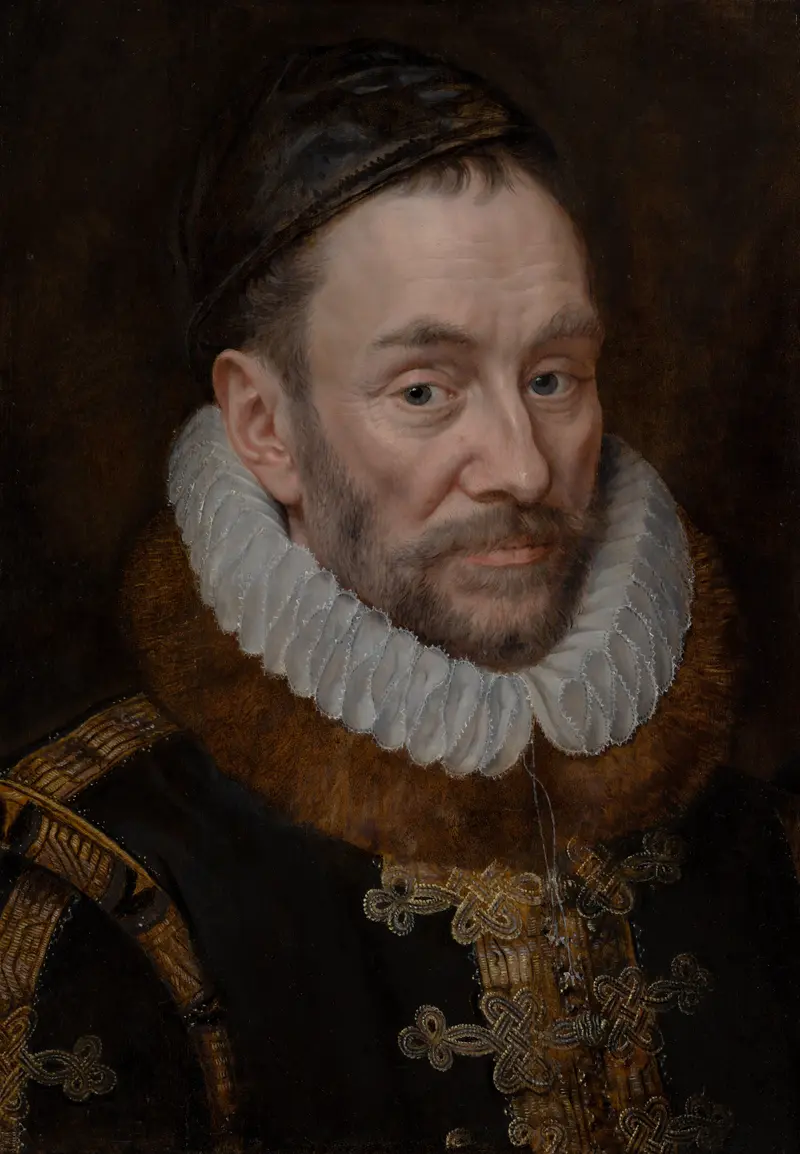
Portrait of William I (1533-1584), Prince of Orange
Adriaen Thomasz. Key
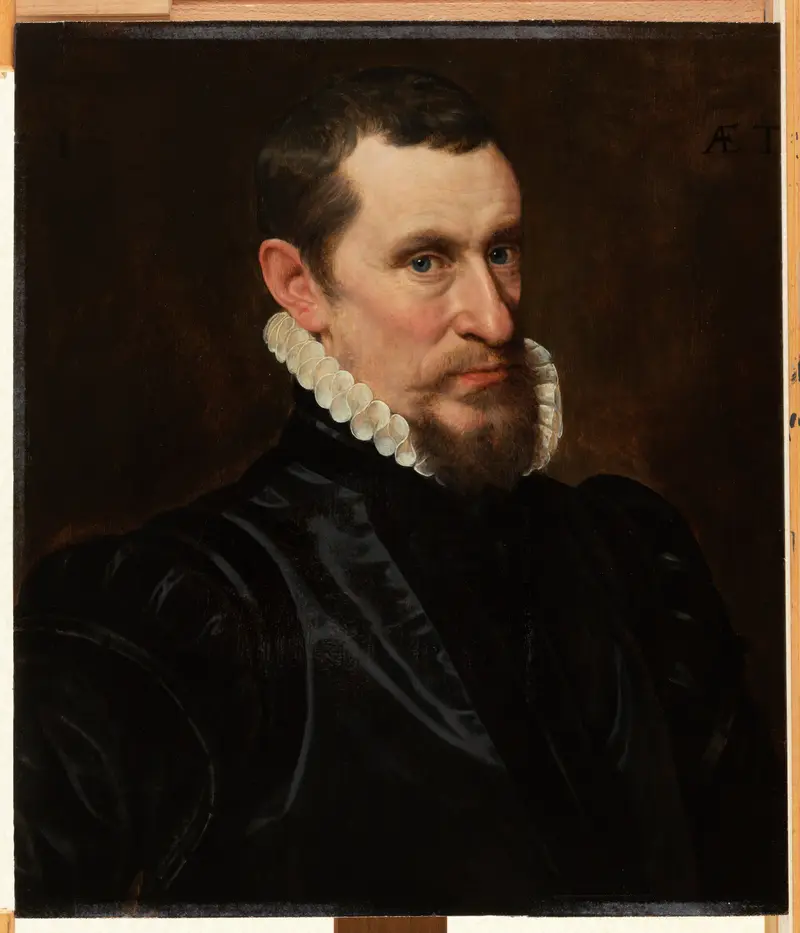
Portrait of Gillis Beys
Adriaen Thomasz. Key
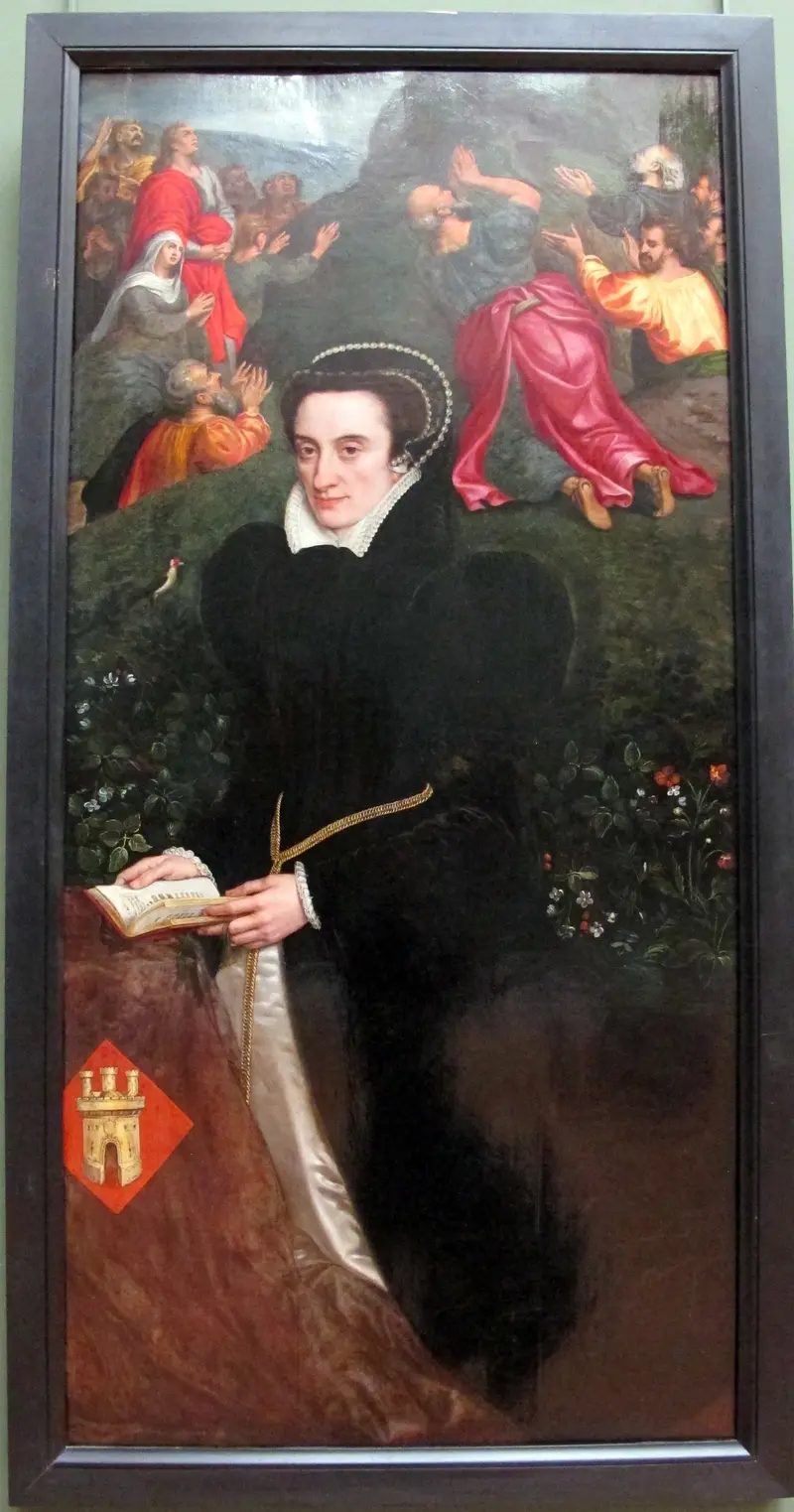
Leonor Lopez de Villanueva, Wife of Antonio del Rio
Adriaen Thomasz. Key
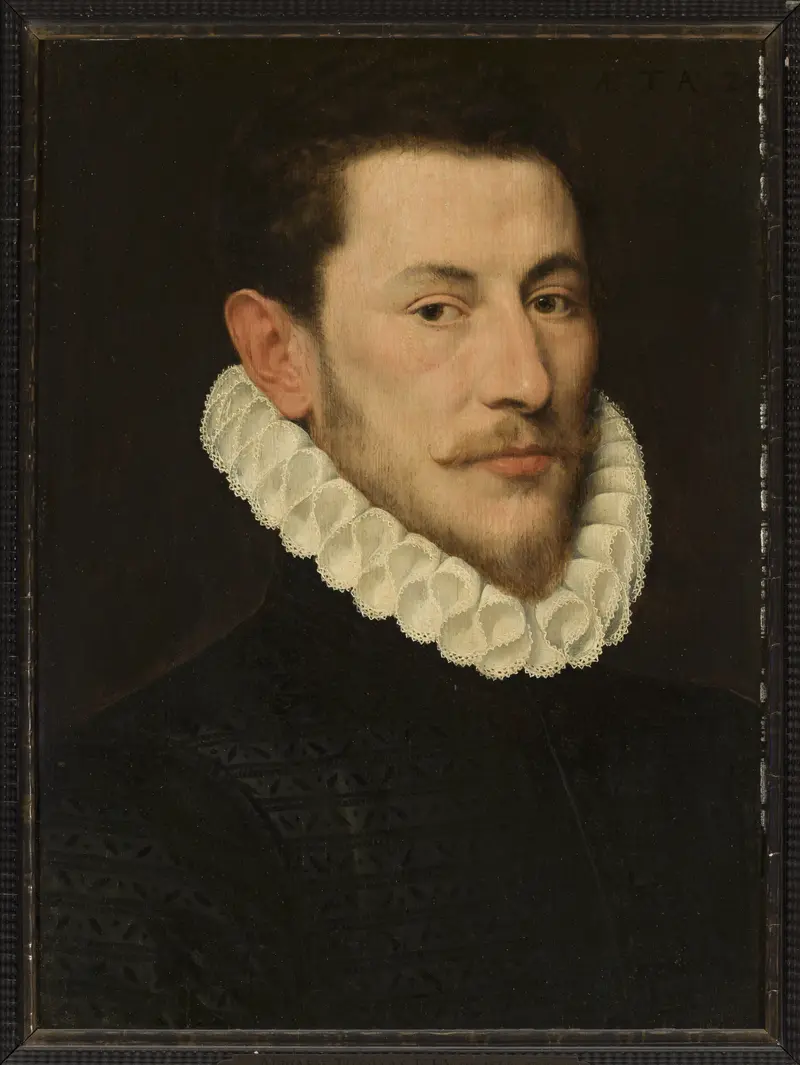
Portrait of a young man
Adriaen Thomasz. Key
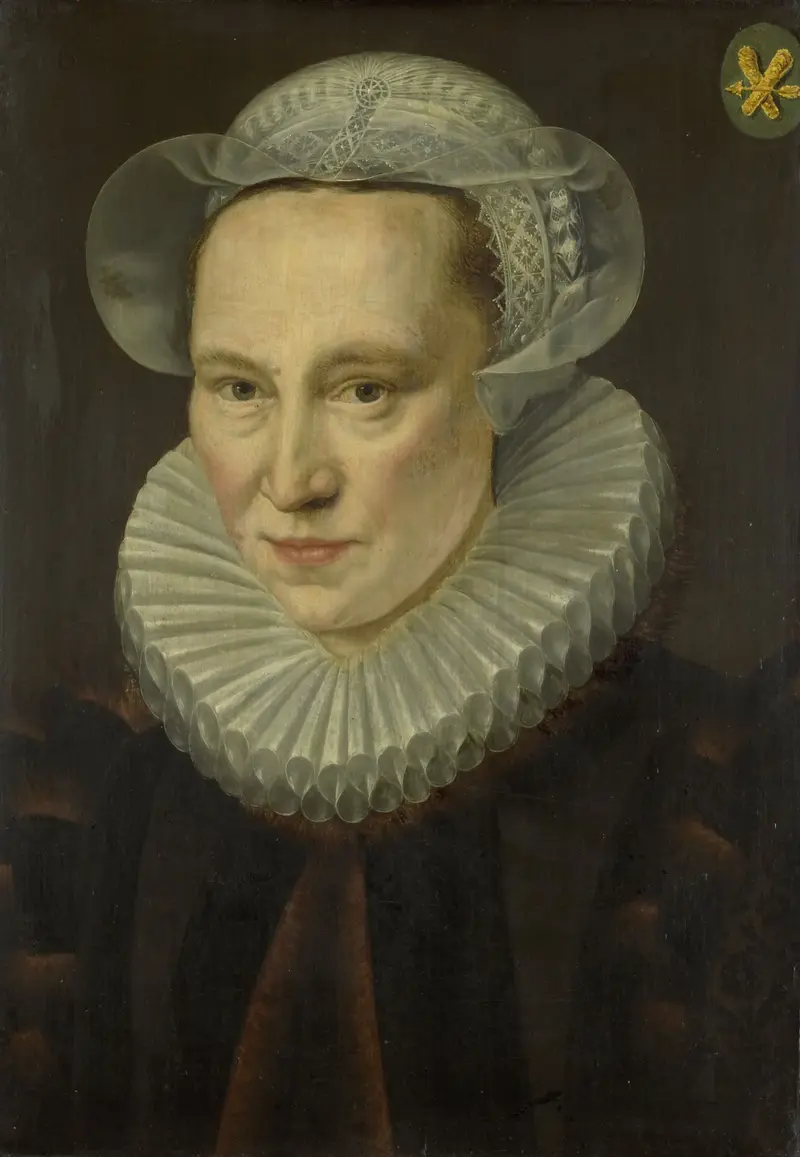
Portrait of Grietje Pietersdr Codde (d. 1607), wife of Jacob Bas
Adriaen Thomasz. Key
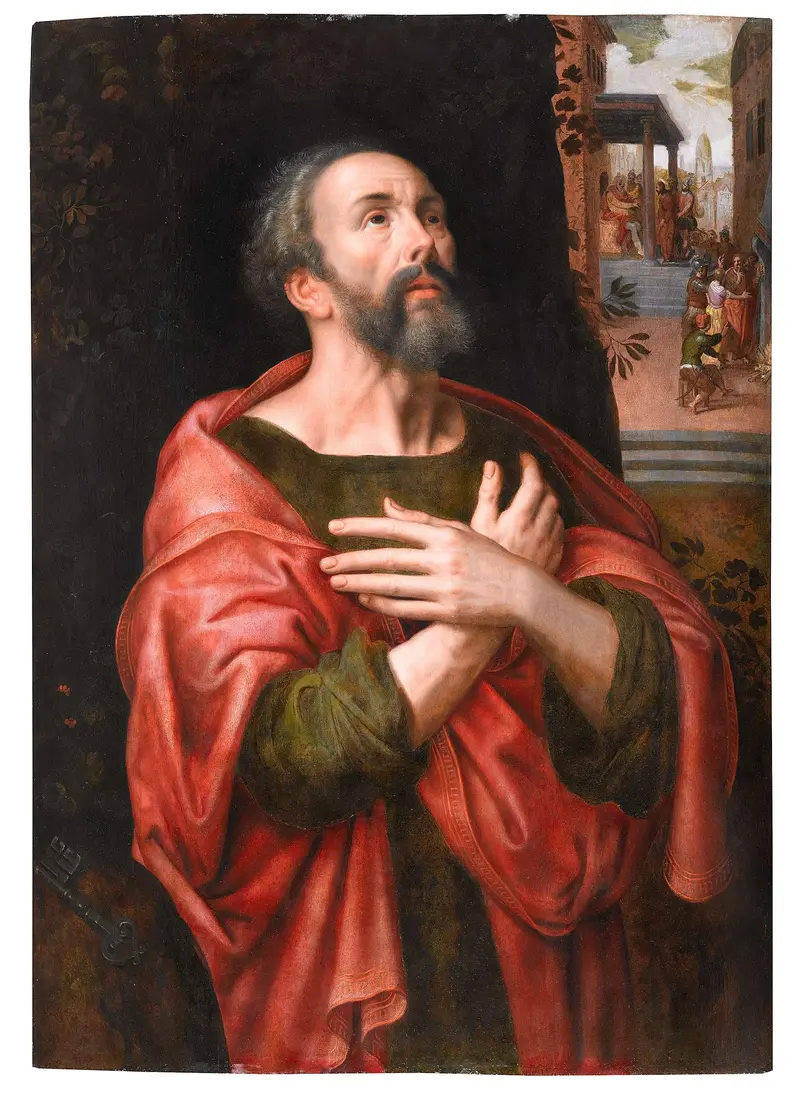
St. Peter Penitent
Adriaen Thomasz. Key
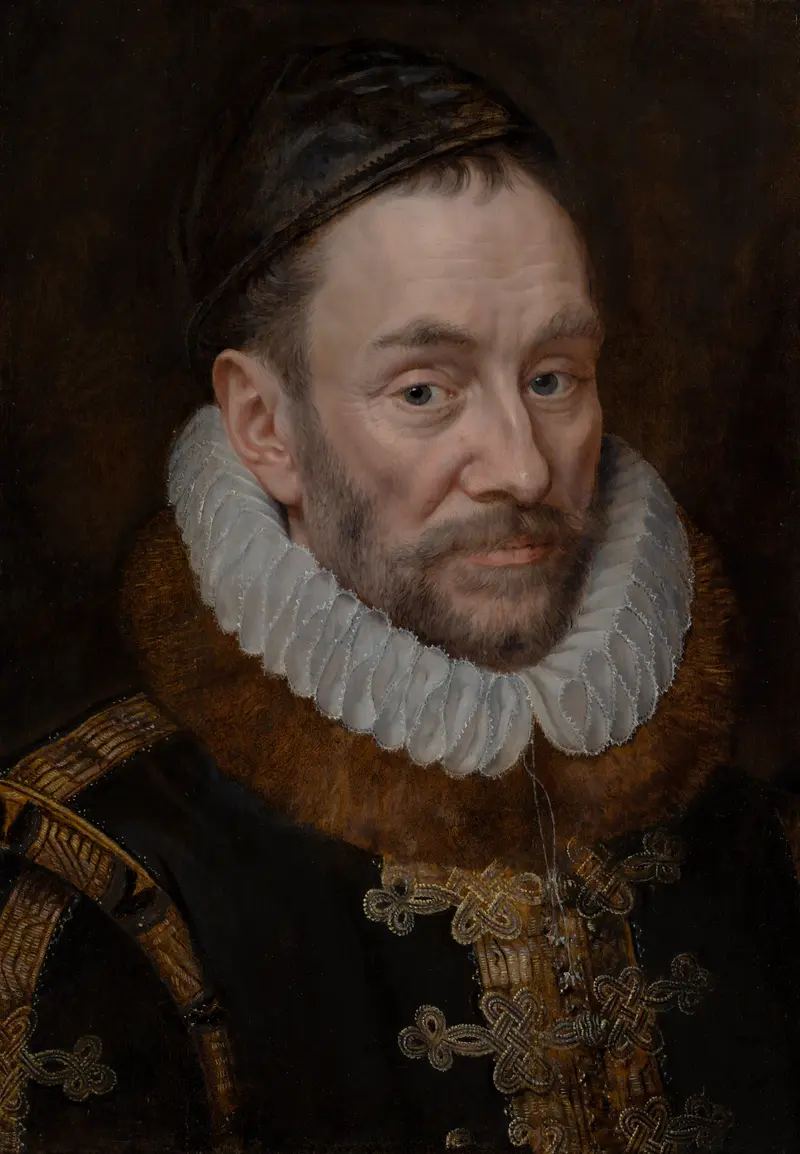
William I, Prince of Orange, known as William the Silent
Adriaen Thomasz. Key
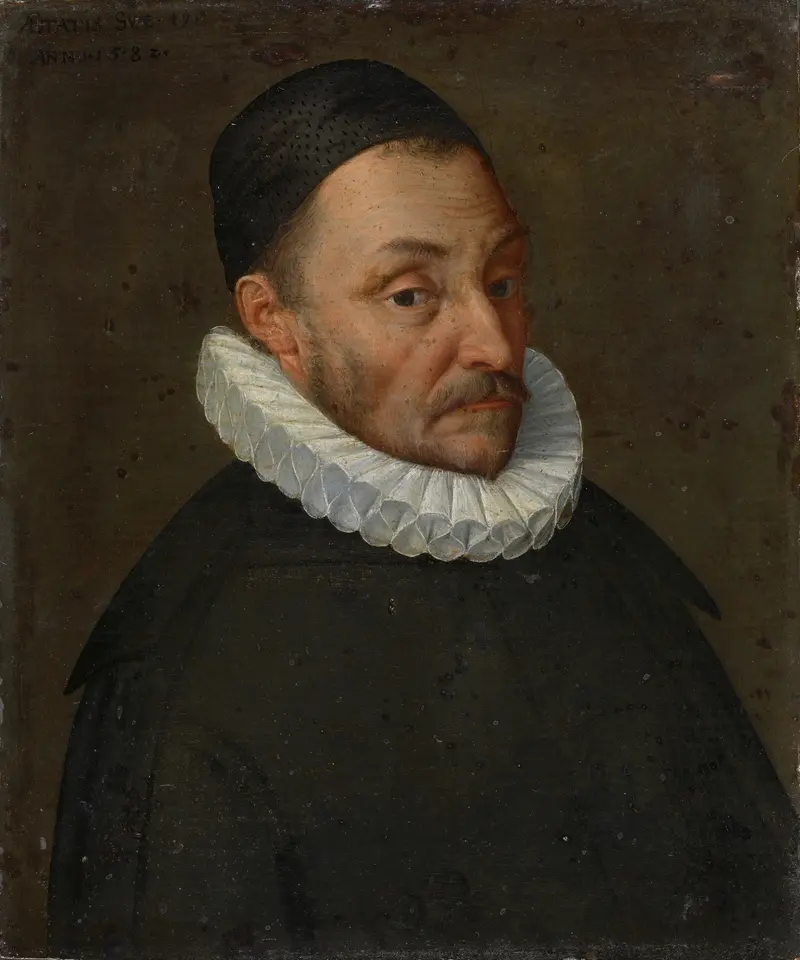
Willem of Orange (1533-1584), leader of the Dutch revolt against Spain
Adriaen Thomasz. Key





