William Stoughton (1631-1701) — History & Analysis
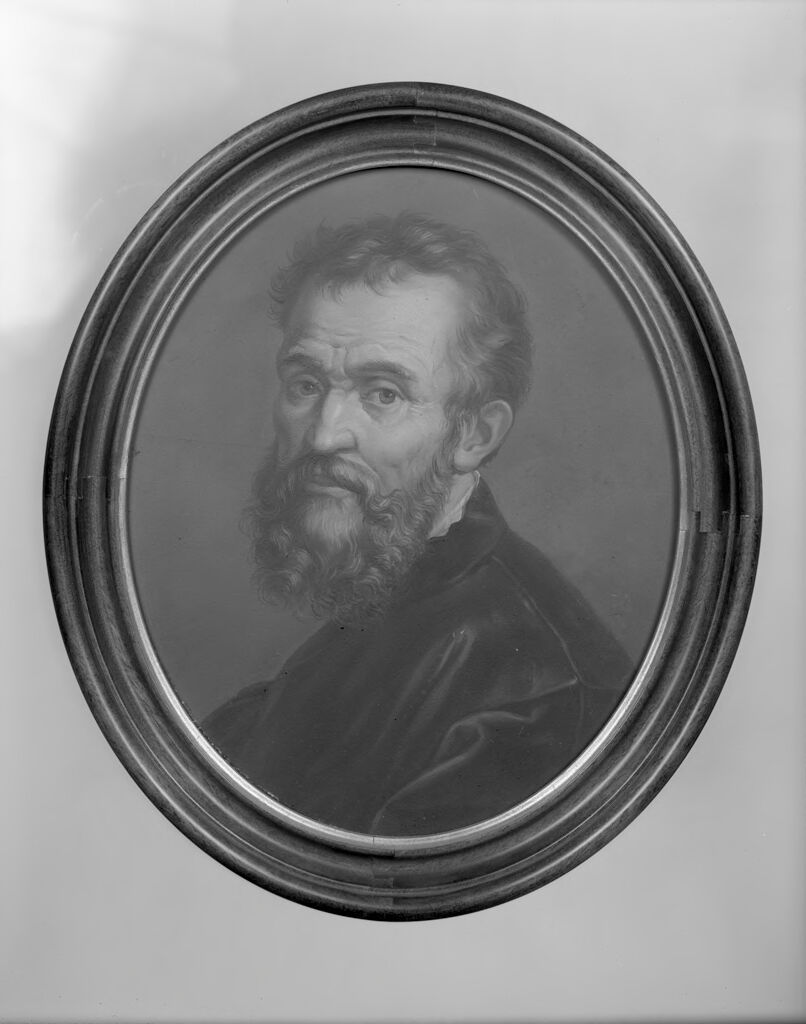
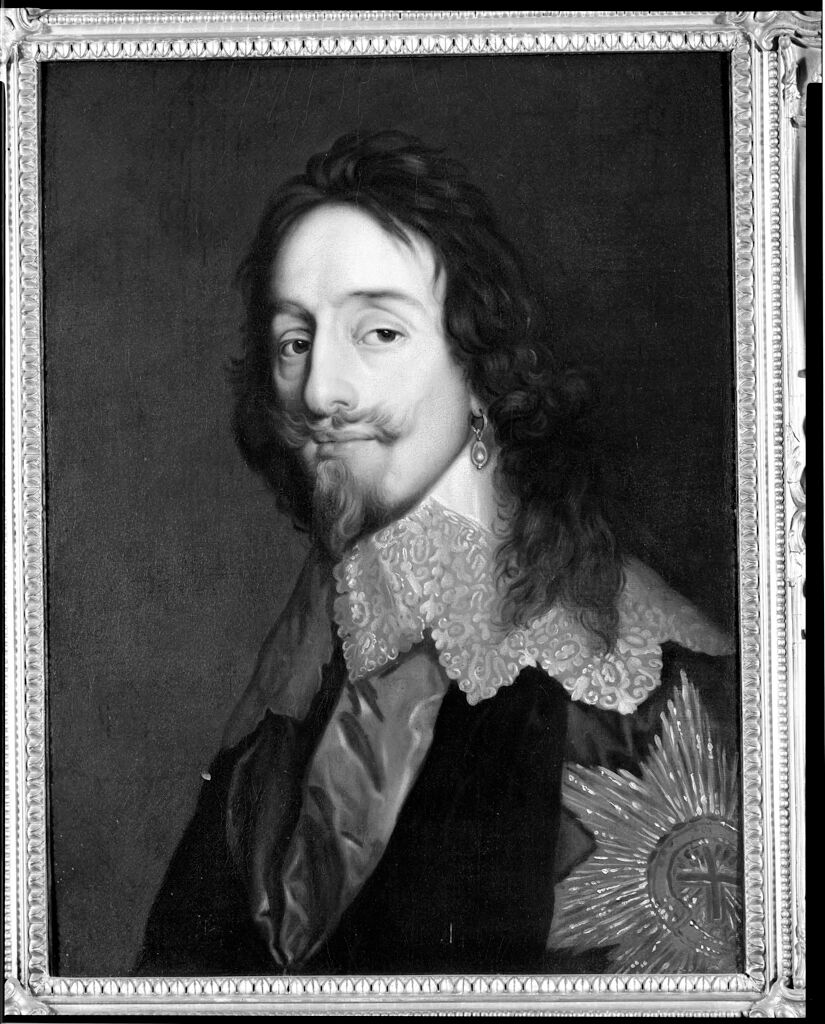
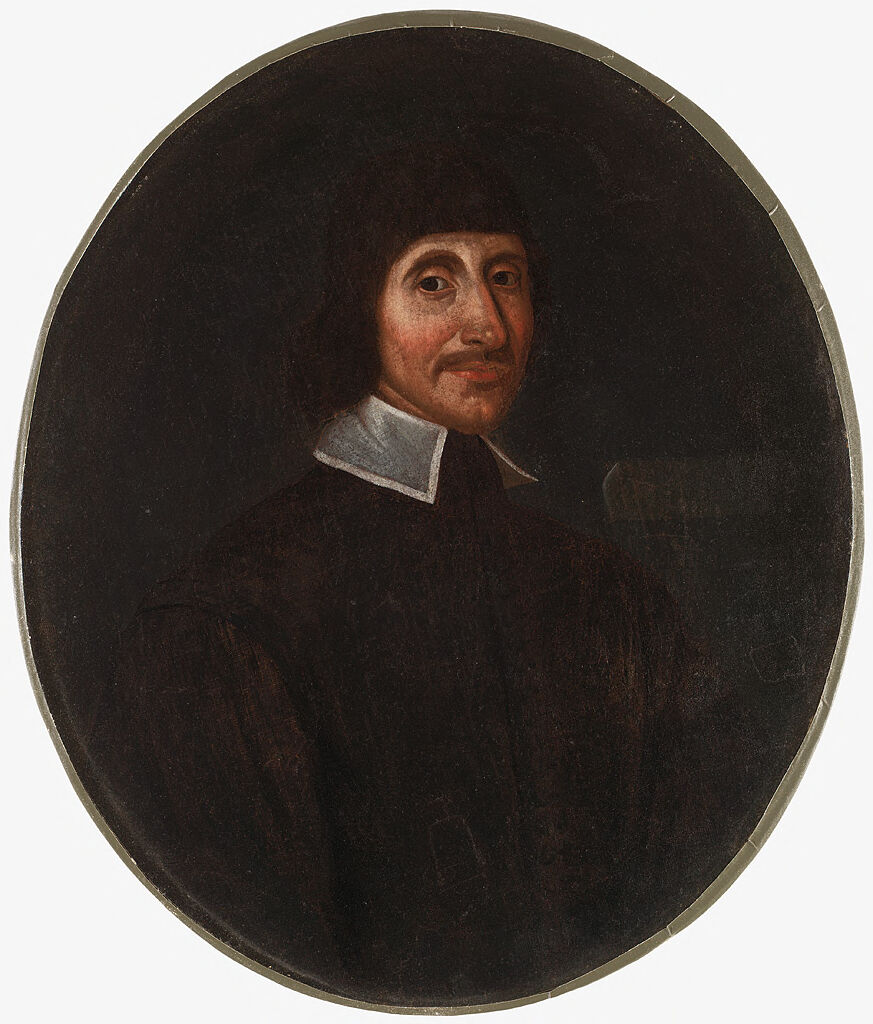
“Every silence here is a confession.” In a world where whispers linger longer than shouts, how do we confront the betrayal nestled within our closest circles? Look closely at the somber expression etched on the subject's face. The interplay of chiaroscuro emphasizes the deep shadows around the eyes, inviting a sense of introspection and unease. Notice how the muted palette—rich browns and dark greens—creates a weightiness that seems to resonate with the unspoken truths of his life.
The meticulous detailing of the lace collar and the heavy fabric of the coat signifies status, yet it feels like a shroud, hinting at the burdens carried beneath the surface. Within this portrait lies a tension between the exterior and interior realms. The rigid posture juxtaposes the softness of the fabric, suggesting a hidden fragility beneath a façade of authority. The deliberate gaze suggests a man aware of the judgments surrounding him, possibly grappling with both personal and collective betrayals.
Each element, from the tight-lipped expression to the framing shadows, creates an atmosphere steeped in secrecy, urging the viewer to ponder the stories left untold. The artist, whose identity remains a mystery, likely painted this around 1700 during a time marked by political strife in colonial New England. William Stoughton, the depicted figure, was a prominent judge involved in the Salem witch trials, navigating a tumultuous landscape of power, fear, and societal upheaval. As he faced the ramifications of his actions, this portrait serves as a somber reflection of his legacy, merging personal introspection with the broader historical context of a nation in moral conflict.