
Willows on the River Rur — History & Facts
What if silence could speak through light? In Wenceslaus Hollar's Willows on the River Rur, the tranquility of nature invites viewers to listen to the whispers of an untouched landscape. Here, every stroke of the etching breathes life into the serene dance of willows, cradling the river's gentle flow as if cradling a secret. Look to the left at the cascading branches that lean gracefully over the water, their delicately etched leaves shimmering in the soft light. Notice how Hollar masterfully contrasts the smoothness of the river with the intricate details of the foliage, creating a harmonious balance that draws the eye.
The play of light and shadow enhances the textures of the bark, revealing a world both delicate and robust, echoing the perfection of nature's design. Hidden within this idyllic scene lies a tension between solitude and connection. The stillness of the river reflects not only the trees but also the quietude of the soul, suggesting moments of introspection and ecstasy. The absence of human figures enhances the sense of isolation, inviting viewers to explore their own emotions as they immerse themselves in the quiet beauty of the landscape.
Each subtle detail, from the ripples in the water to the soft curvature of the willows, resonates with the essence of life itself. Created between 1632 and 1634, this work emerged during a time of significant artistic evolution in Europe. Hollar, having moved to England from Bohemia, was influenced by the burgeoning Baroque style, which emphasized contrast and emotion. This period also saw a growing appreciation for landscape art, reflecting a wider cultural shift towards nature’s representation, and Hollar's intricate etchings play a vital role in this dialogue of artistic exploration.
More Artworks by Wenceslaus Hollar
Browse all →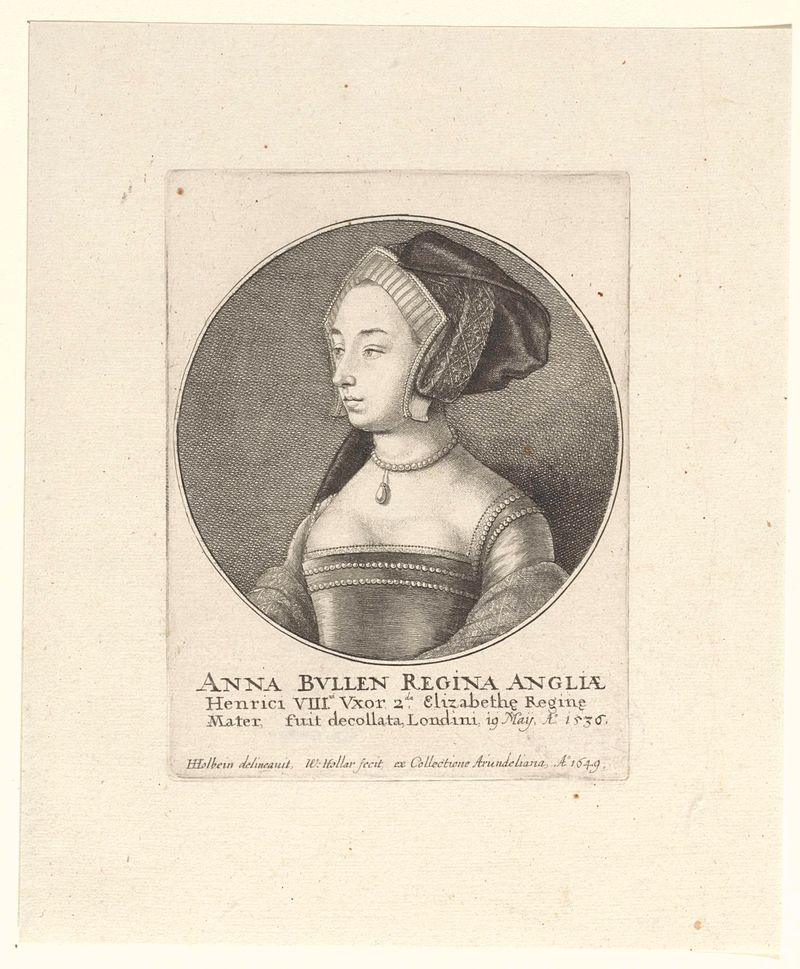
Portret van Anna Boleyn, koningin van Engeland
Wenceslaus Hollar
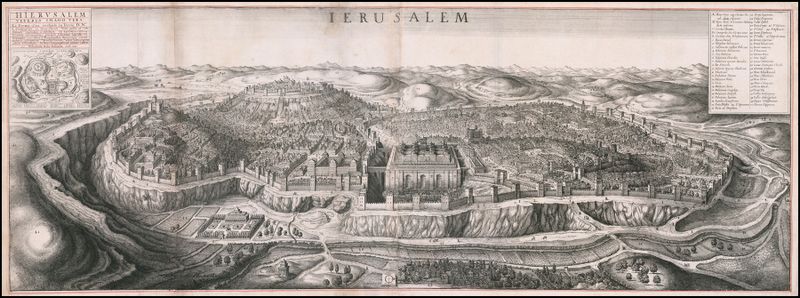
Bird’s eye view of Jerusalem
Wenceslaus Hollar
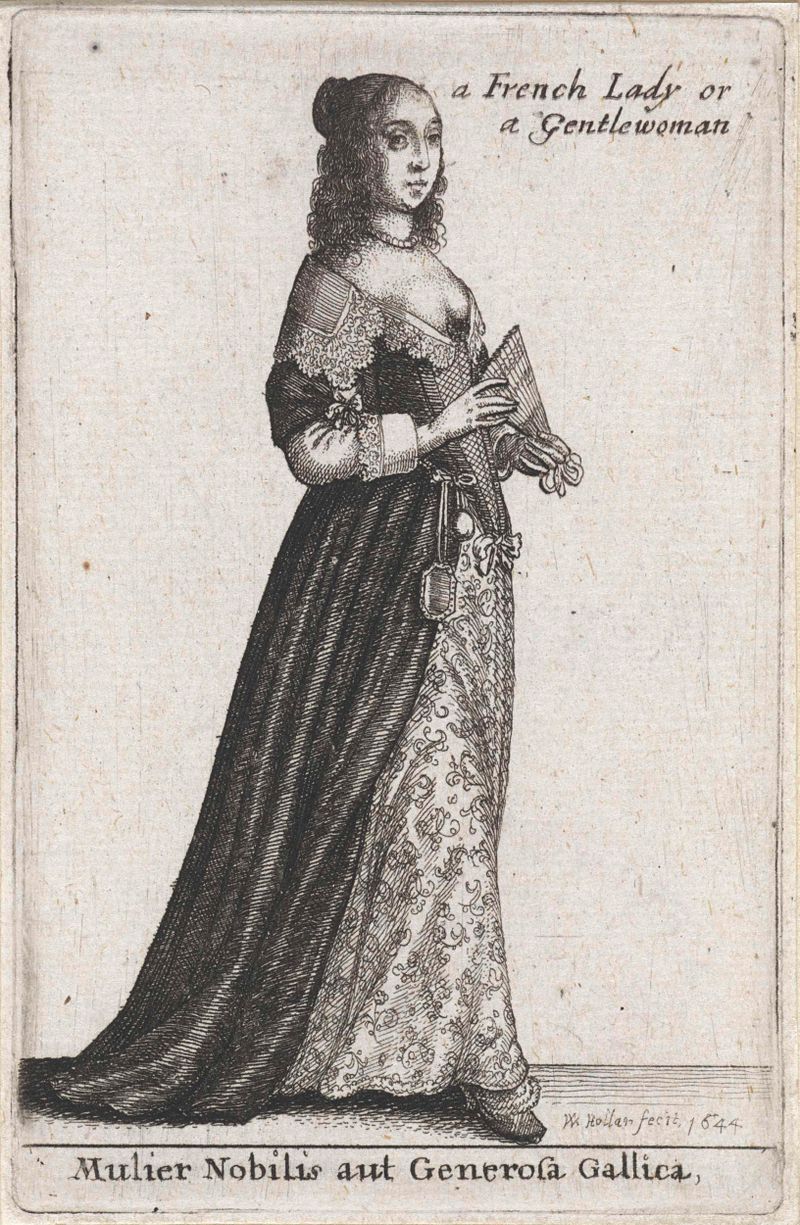
Mulier Nobilis aut Generosa Gallica / a French Lady or Gentlewoman
Wenceslaus Hollar
Titelprent voor: Ornatus Muliebris Anglicanus
Wenceslaus Hollar
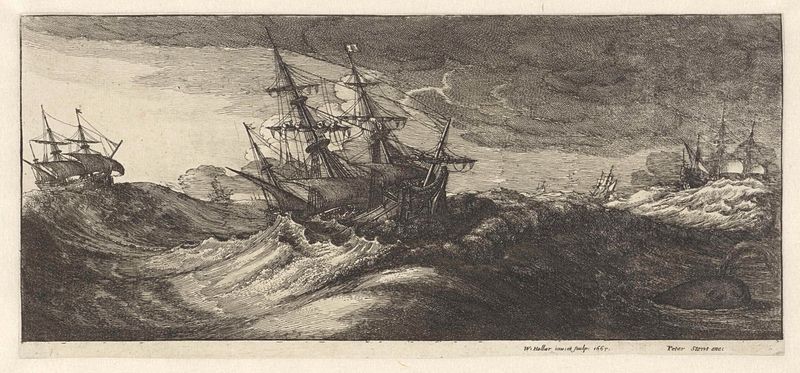
Oorlogsschepen en een walvis in een zeestorm
Wenceslaus Hollar
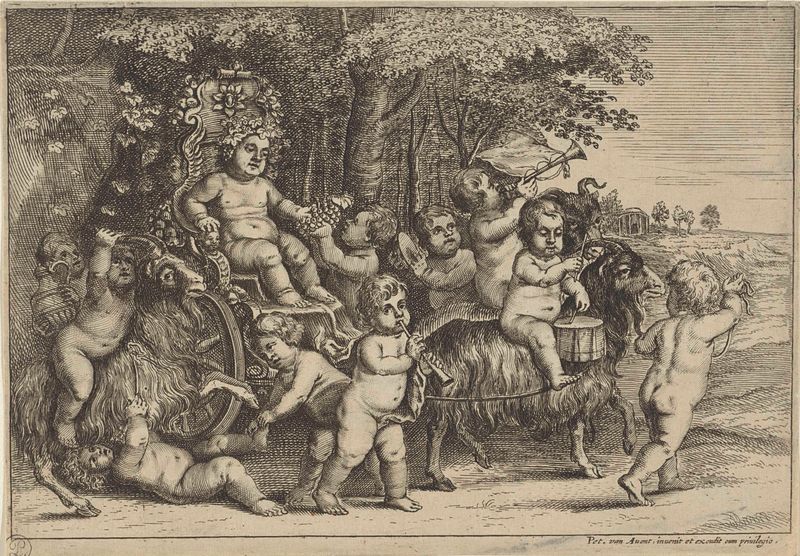
Optocht van bacchant en jongetjes op geiten
Wenceslaus Hollar
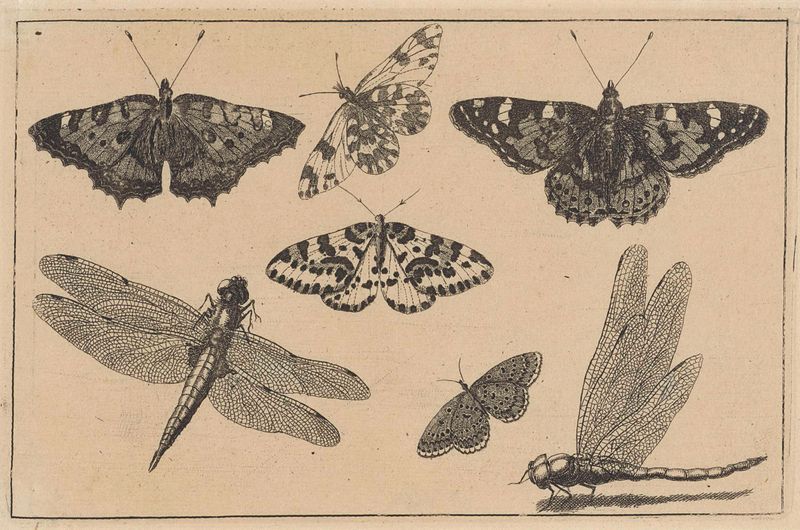
Twee libellen en vijf vlinders
Wenceslaus Hollar
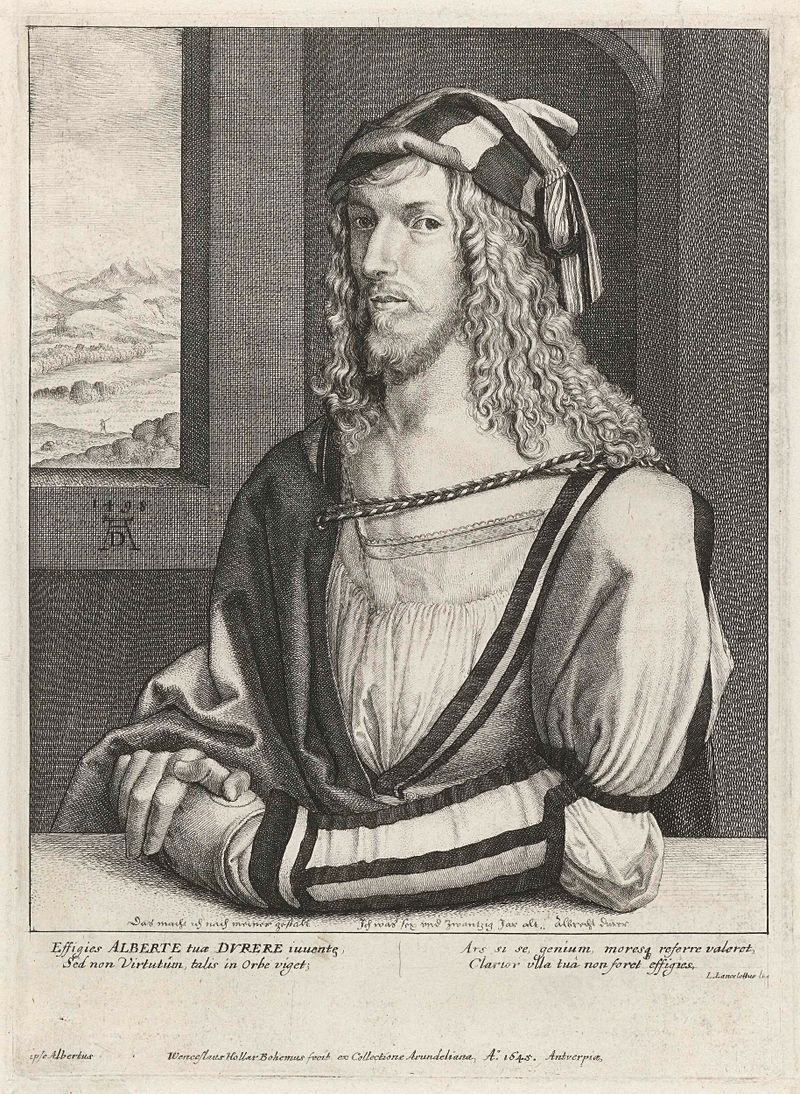
Portret van Albrecht Dürer
Wenceslaus Hollar
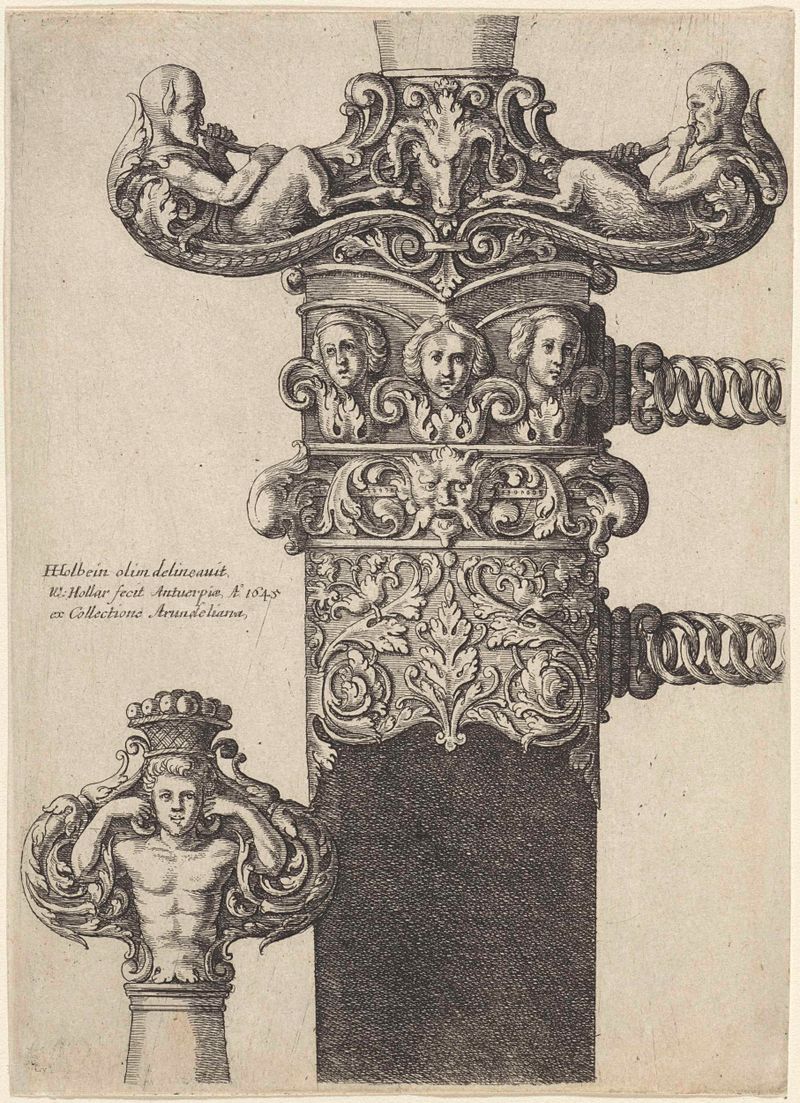
Ornamenteel ontwerp voor een dolk
Wenceslaus Hollar
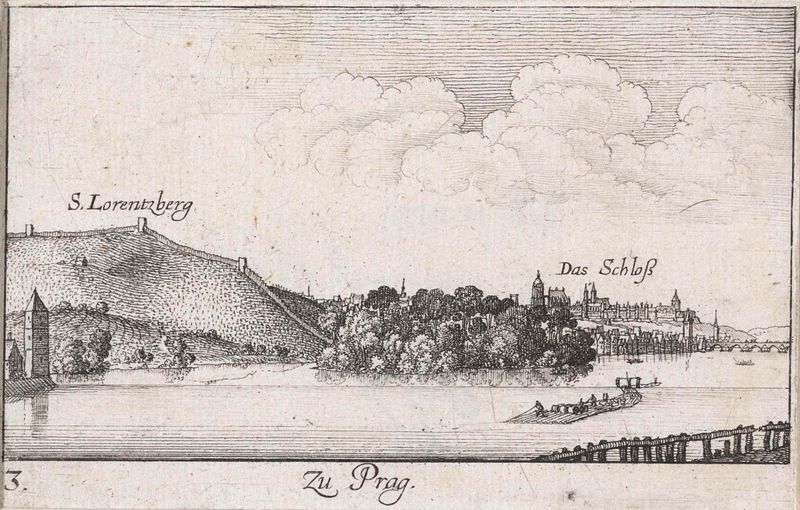
Gezicht op Praag vanaf de Moldau
Wenceslaus Hollar





