
Wind — History & Facts
This profound sentiment encapsulates the essence of memory, the ethereal bridge linking the past and present. In Wind, the artist captures not just movement, but the haunting echoes of what once was — evoking a profound sense of nostalgia. Focus on the gentle swirls of color that dance across the canvas, drawing your eye to the horizon where the sky meets the earth. Notice the varying hues of blue and gold that interlace, suggesting a wind that carries whispers of distant memories.
The brushstrokes are both fluid and deliberate, creating a sense of motion that almost transcends the boundaries of the artwork, inviting the viewer to experience the invisible force of the wind itself. Delve deeper into the contrasts between the vibrant colors and the muted tones. The juxtaposition of dynamic movement against the stillness of the landscape speaks to the tension between memory and reality. Each stroke seems to embody a fleeting moment, a reminder of the past that can never be fully grasped, yet lingers in the air.
This interplay between the seen and the unseen evokes a bittersweet emotional resonance — a longing for what has slipped away. Jan Stanisławski created Wind between 1903 and 1904 in Poland, a period marked by artistic experimentation and a burgeoning interest in capturing the transient nature of experience. As part of the Young Poland movement, he sought to blend the impressionistic style with Polish themes, reflecting both personal and national identity. This artwork emerges from a time when the artist was exploring the depths of memory, aiming to evoke timeless emotions through the ephemeral.
More Artworks by Jan Stanisławski
Browse all →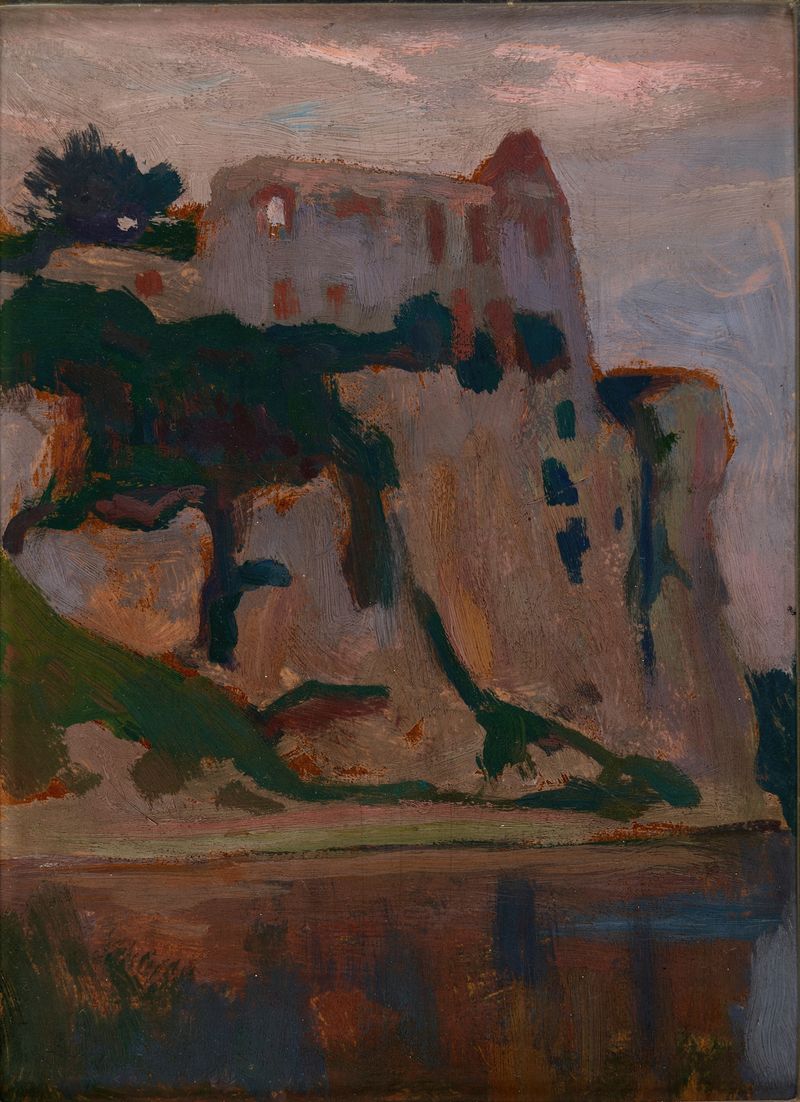
Tyniec at Dawn
Jan Stanisławski
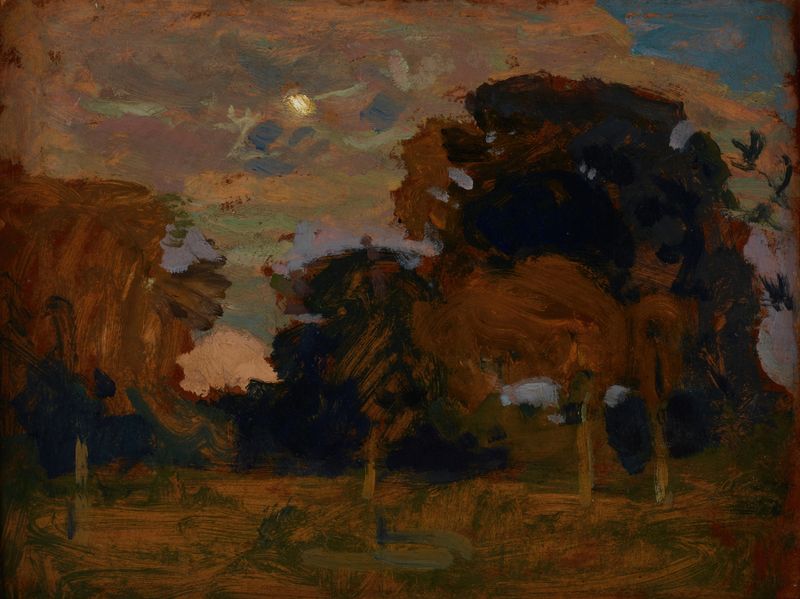
Moon in the Clouds
Jan Stanisławski
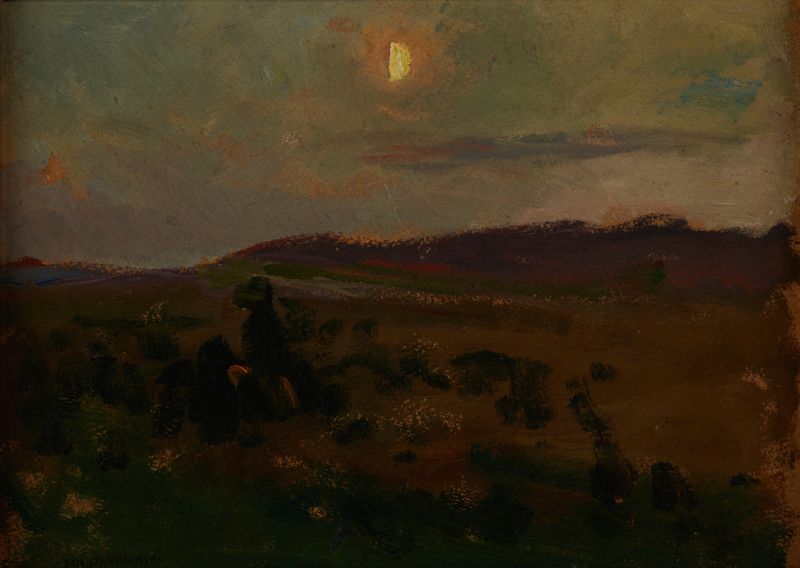
Moonrise
Jan Stanisławski
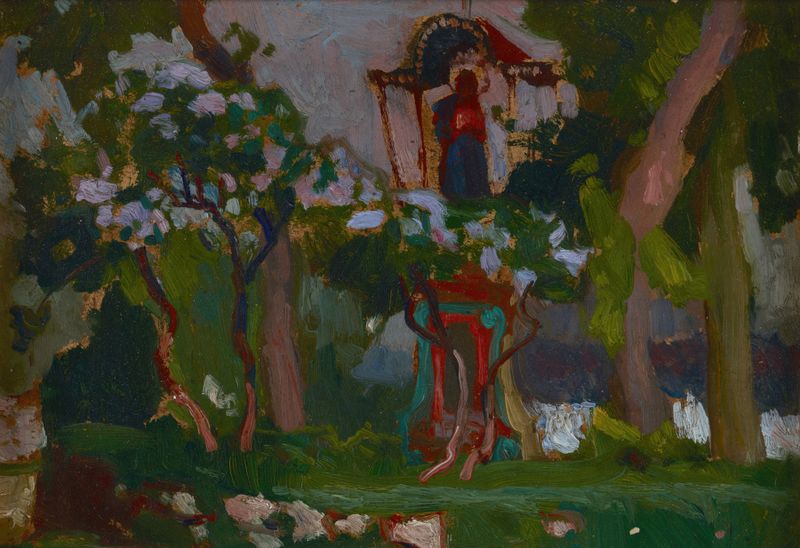
May
Jan Stanisławski
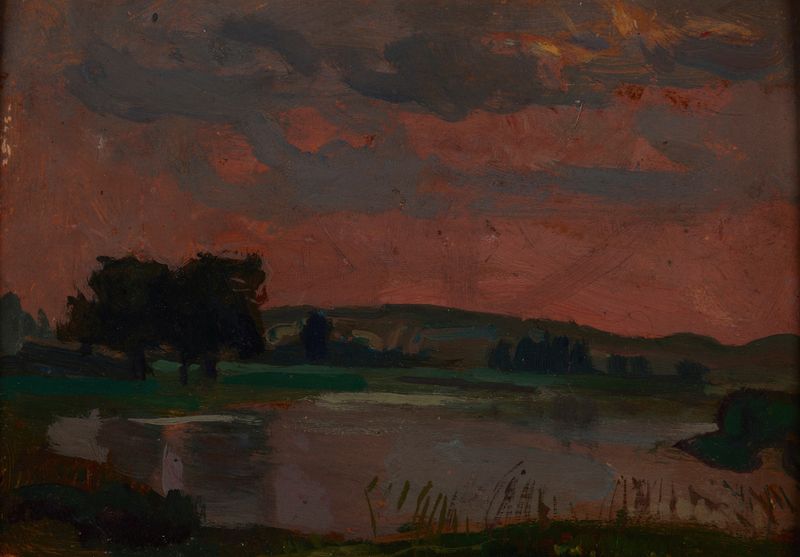
The Vistula in the Twilight
Jan Stanisławski
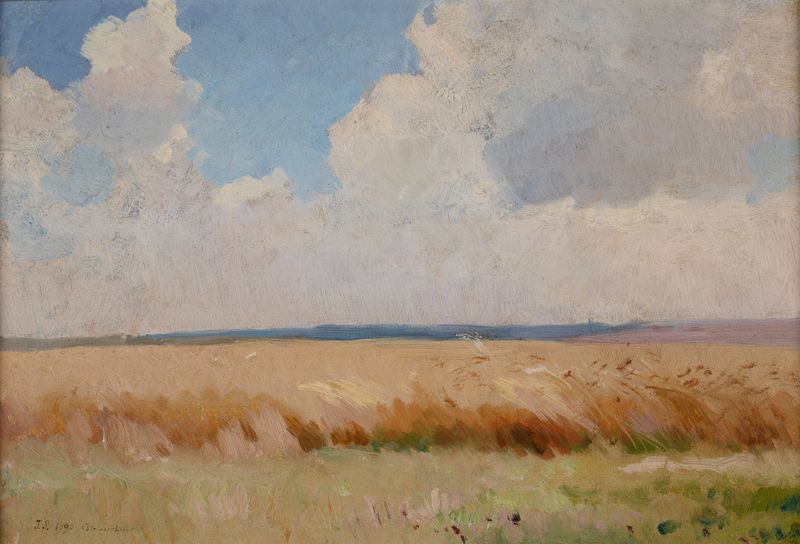
Field at Białocerkiew (Bila Tserkva)
Jan Stanisławski
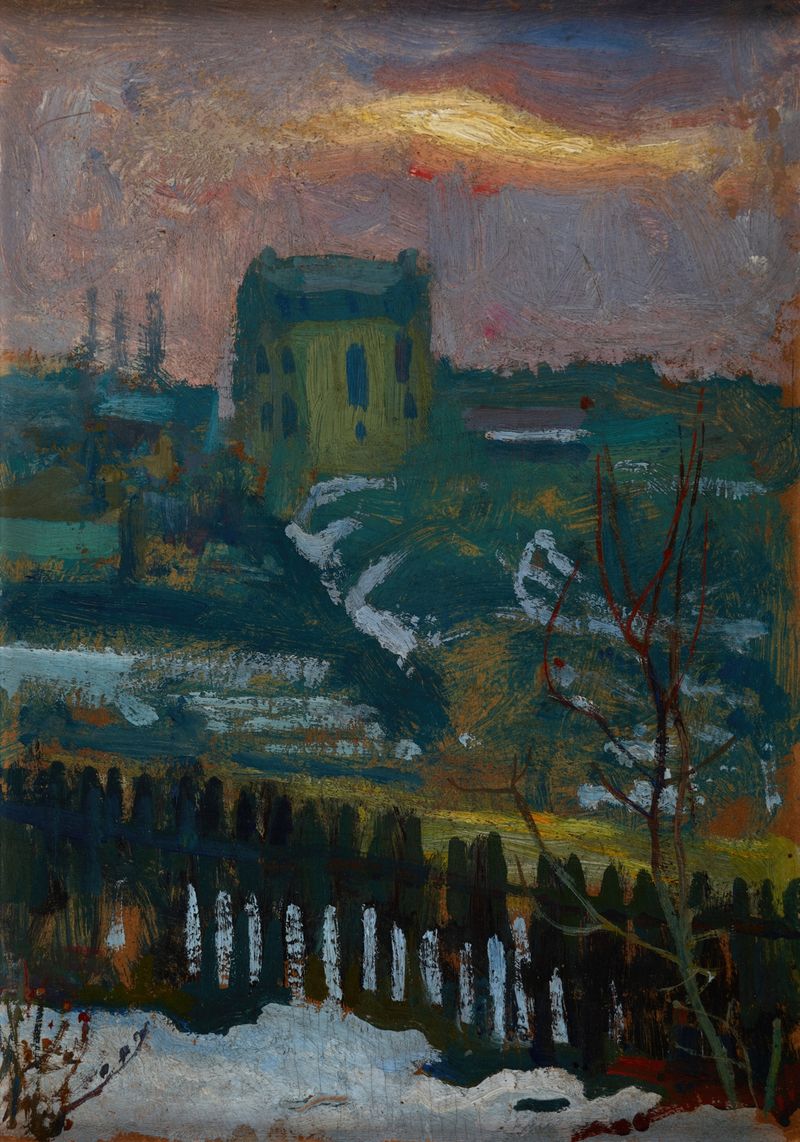
House in Winter
Jan Stanisławski
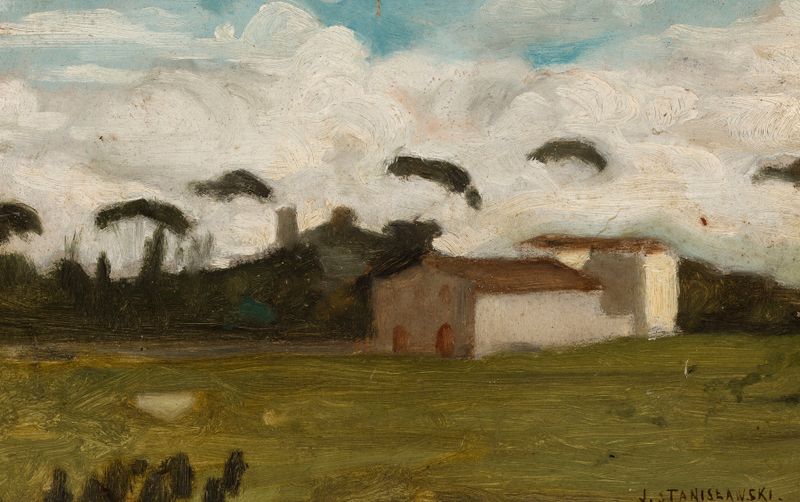
Landscape
Jan Stanisławski
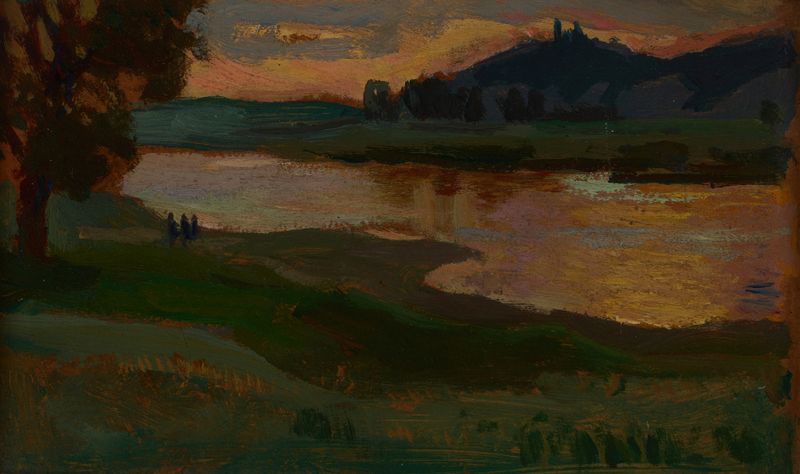
Bielany at Dusk
Jan Stanisławski
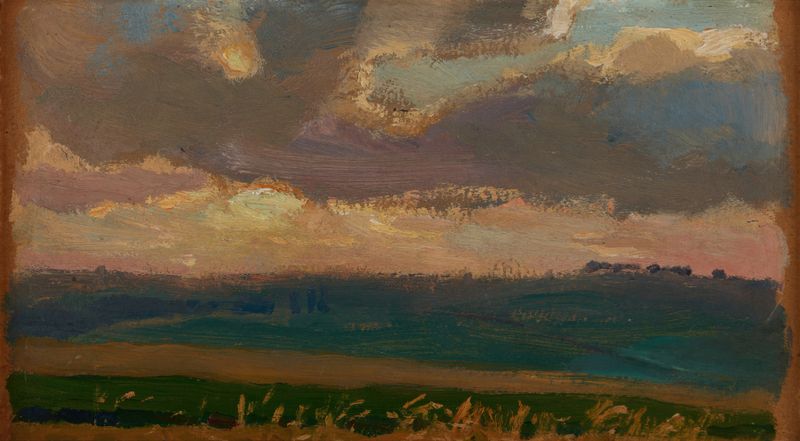
Fields at Proszowice
Jan Stanisławski





