
Windmill Hill, no. 2 — History & Facts
Did the painter know this moment would outlive them? In Windmill Hill, no. 2, the essence of color captures a fleeting experience, transforming a singular view into an everlasting memory. Focus on the gentle interplay of greens and ochres that rise from the rolling hills, inviting you to explore the soft contours of the landscape. The windmill stands resolutely in the background, its bold structure contrasting with the delicate brushstrokes that surround it.
Notice how the light dances across the scene, illuminating patches of grass and casting playful shadows that evoke the warmth of a sun-drenched afternoon. Within this serene expanse lies a deeper narrative. The juxtaposition of the sturdy windmill against the ethereal sky hints at the tension between man and nature—a testament to resilience amid the ephemeral. Subtle hues suggest the passage of time, while the layering of colors speaks to the artist's emotional connection to the landscape, reminding us that beauty is often found in transience. In 1877, Haden, a prominent figure in the etching revival, painted this piece during a period when Impressionism was gaining momentum.
He was immersed in a world where art was evolving, influenced by his surroundings in England and the broader European movements. This work reflects his dedication to capturing the essence of the natural world, marking a significant moment not just in his career, but in the history of landscape painting.
More Artworks by Francis Seymour Haden
Browse all →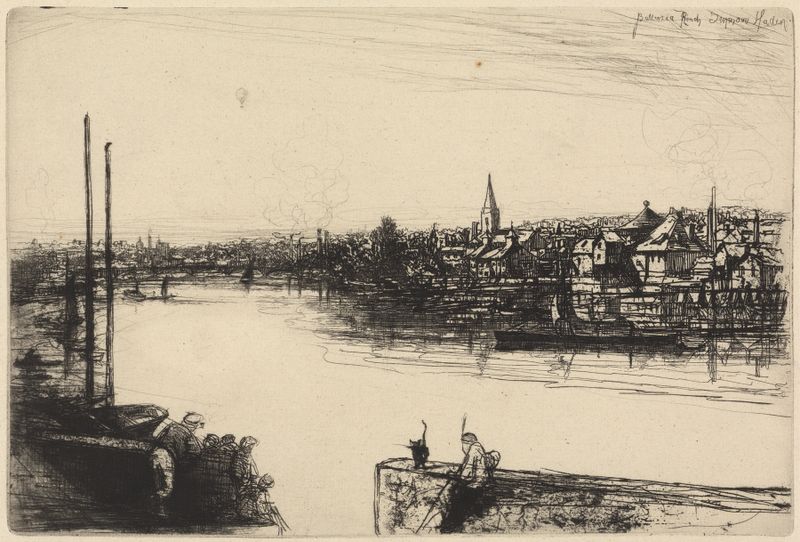
Battersea Reach
Francis Seymour Haden

Nine Barrow Down
Francis Seymour Haden
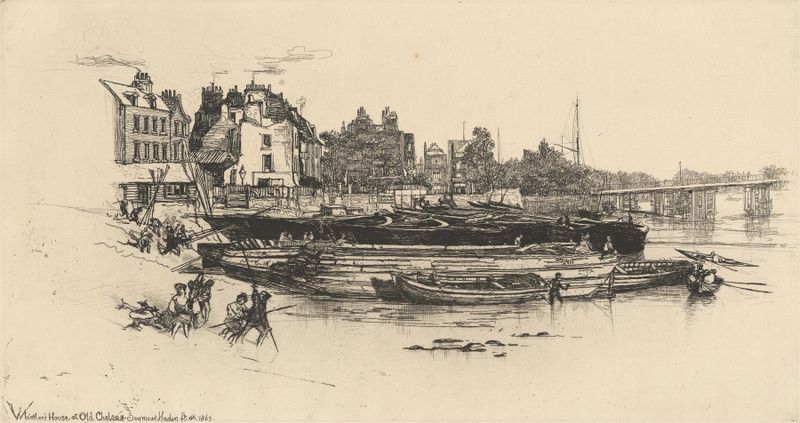
Whistler’s House at Old Chelsea
Francis Seymour Haden

The Mill-Wheel
Francis Seymour Haden
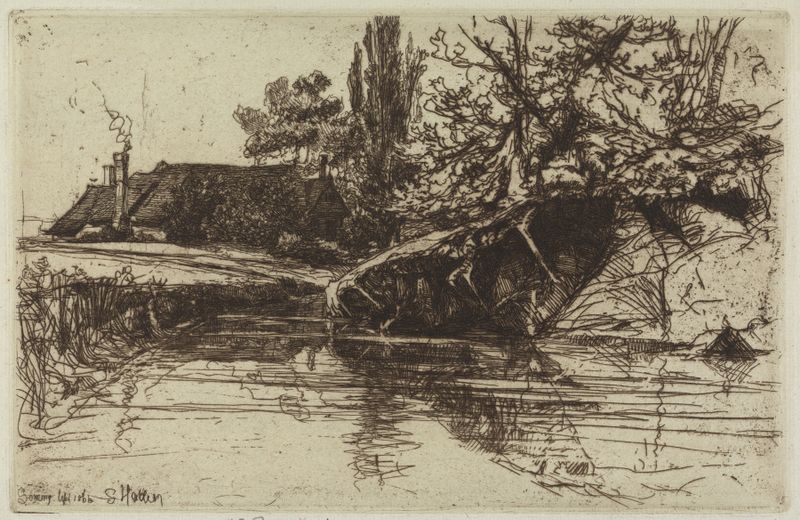
The Moat House
Francis Seymour Haden

By Twickenham
Francis Seymour Haden

Newcastle Emlyn
Francis Seymour Haden
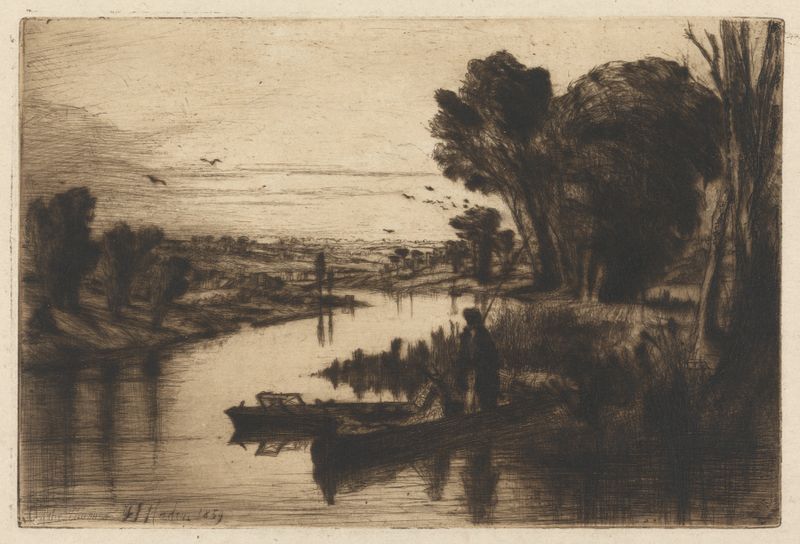
On the Thames
Francis Seymour Haden

Kidwelly Castle
Francis Seymour Haden
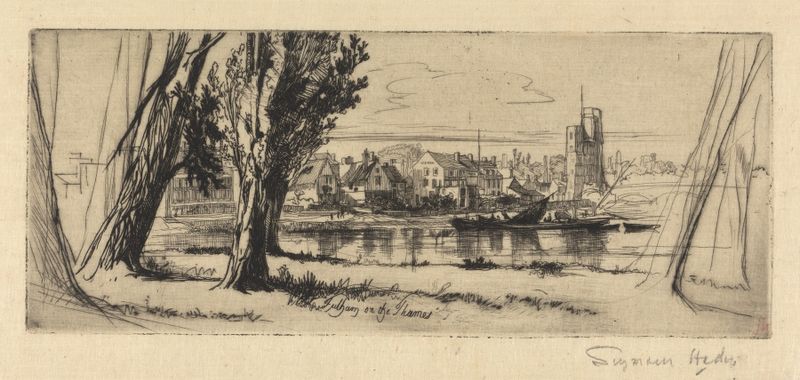
Fulham on the Thames
Francis Seymour Haden





