
Windmill in Bruges — History & Facts
Who listens when art speaks of silence? In Windmill in Bruges, a stillness envelops the scene, inviting the viewer to pause and absorb the profound beauty of a moment captured in time. Look to the left at the majestic windmill, its sails gently poised against an expansive sky washed in soft hues of blue and creamy white. Notice how the sunlight bathes the mill, illuminating the textured wooden boards and casting delicate shadows on the grassy foreground. The artist's deft brushwork brings to life the subtle interplay between light and landscape, while the tranquil colors evoke a sense of calm that draws you in. Beneath the serene exterior lies a contrast between the stillness of the windmill and the unpredictable forces of nature it embodies.
The gentle swells of the landscape suggest the constant movement of life, while the rigid structure of the mill stands as a witness to time passing. This duality reflects not only the relationship between humanity and nature but also invites contemplation on the transient nature of existence, urging viewers to find awe in both silence and motion. Józef Pankiewicz painted Windmill in Bruges in 1902 while living in the vibrant art community of Paris. At a time when Impressionism was transitioning into newer movements, Pankiewicz was deeply influenced by the exploration of light and color in his surroundings.
His work captured the essence of places that inspired him, embracing both the beauty of the familiar and the allure of quiet solitude.
More Artworks by Józef Pankiewicz
Browse all →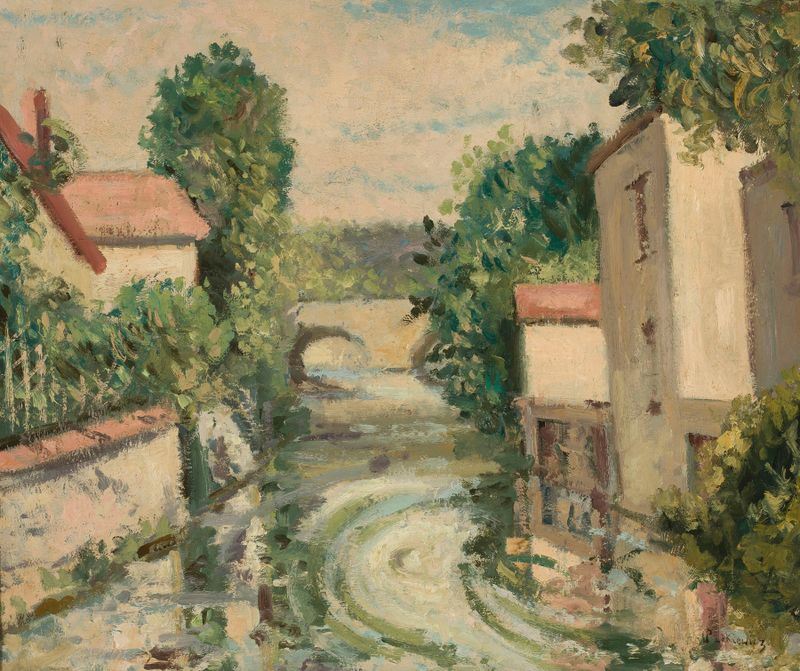
Landscape
Józef Pankiewicz

Cab in the Rain
Józef Pankiewicz
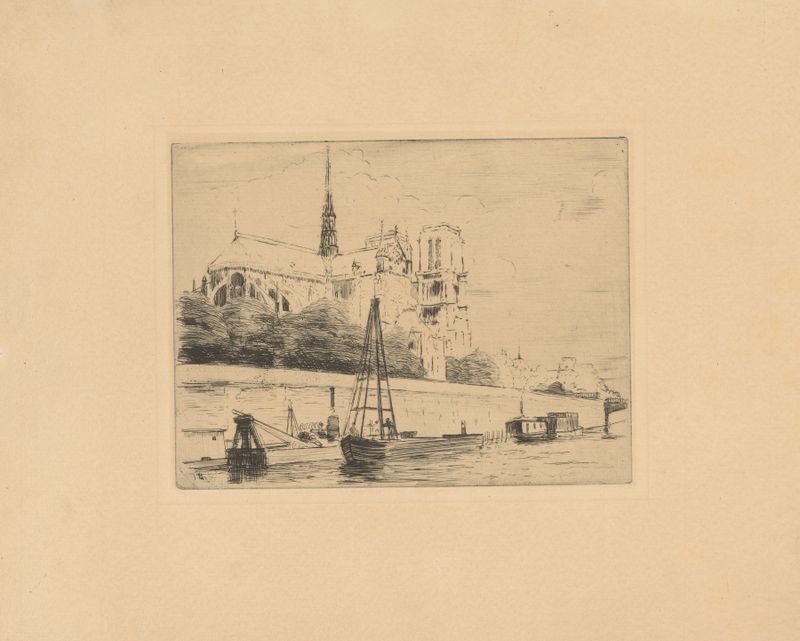
Notre Dame Cathedral in Paris
Józef Pankiewicz
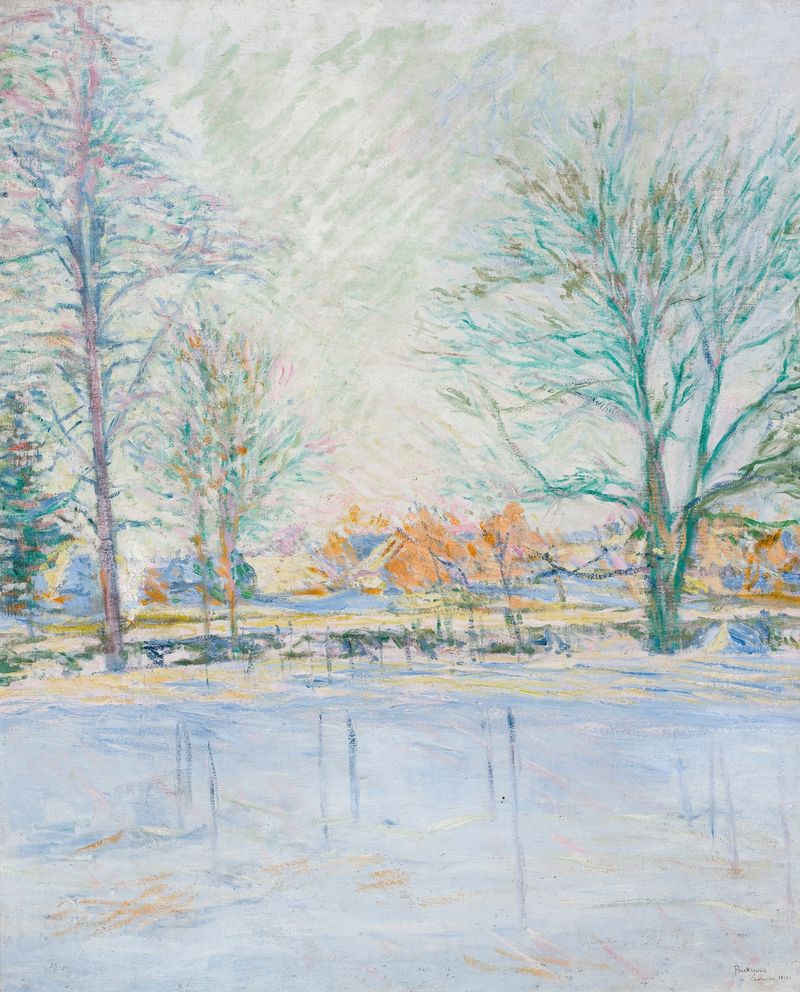
Landscape from Czarnolas
Józef Pankiewicz
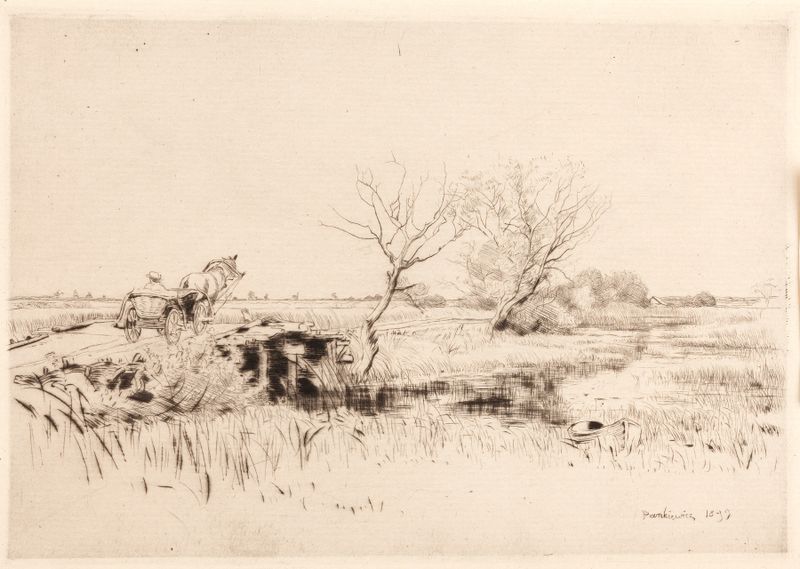
Pińsk Channel in Polesie I
Józef Pankiewicz
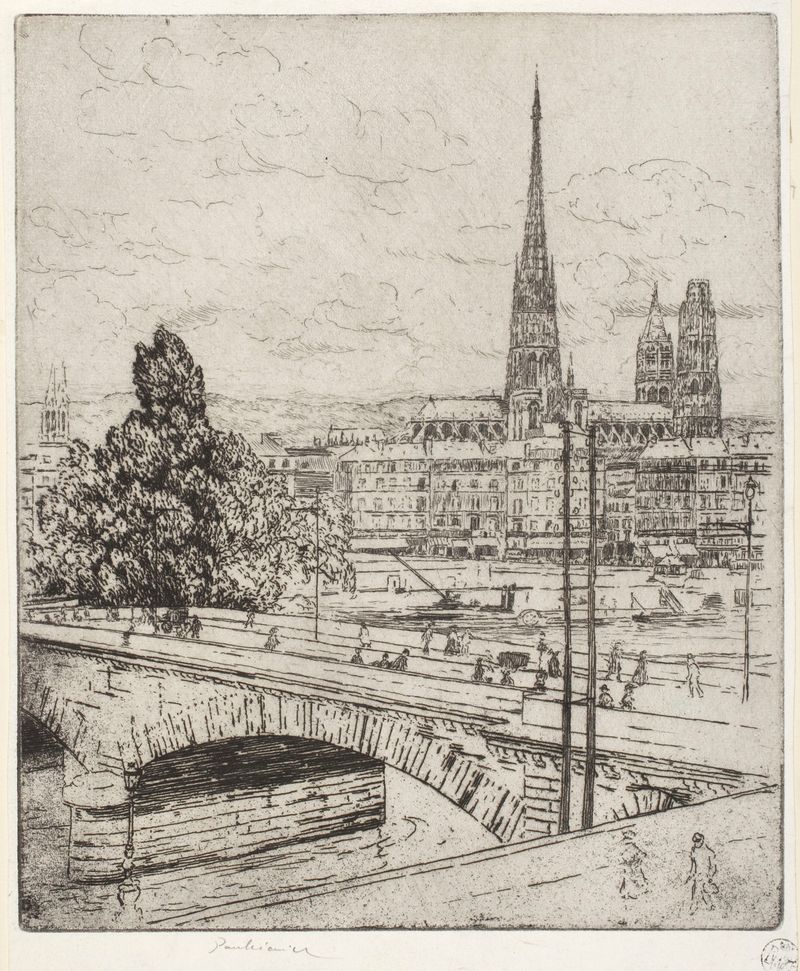
Pont Corneille in Rouen
Józef Pankiewicz
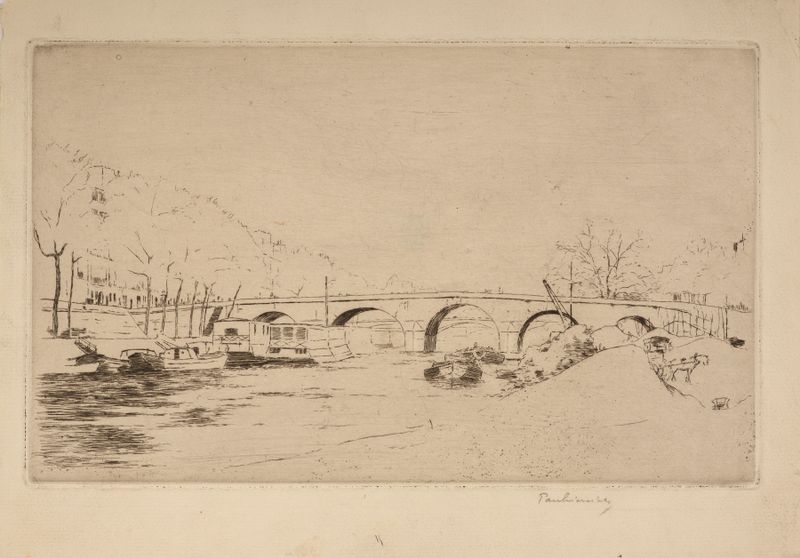
Pont Marie in Paris
Józef Pankiewicz

Rouen – portal from the Church of St Maclou
Józef Pankiewicz
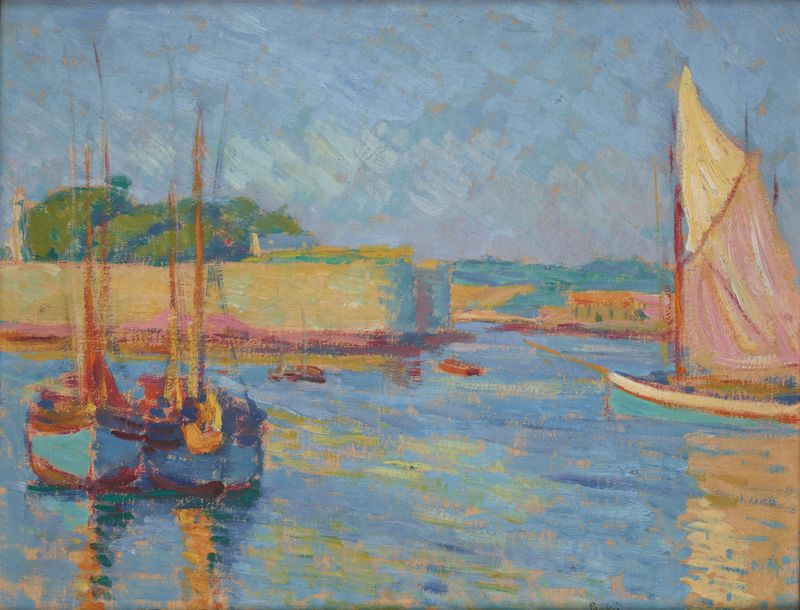
Harbour at Concarneau
Józef Pankiewicz
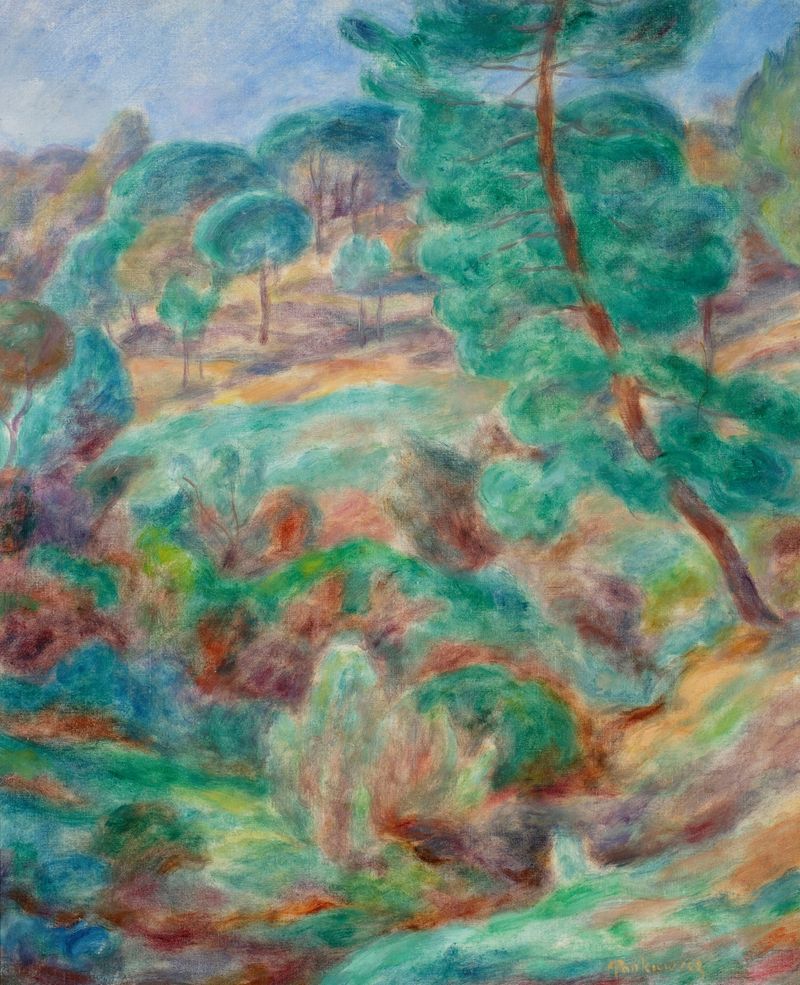
Landscape from Saint-Tropez – Stone pines
Józef Pankiewicz





