
Windmill — History & Facts
In Windmill, Piet Mondrian presents a striking composition dominated by geometric shapes and a limited color palette. The painting features a windmill, rendered in bold primary colors, primarily red, blue, and yellow. The background is a mix of white and gray, creating a stark contrast that emphasizes the windmill's structure.
The overall effect is one of dynamic movement, as if the windmill is actively turning in the breeze. The painting is characterized by its use of oil on canvas, a medium that allows for vibrant color application and texture. Mondrian employs a grid-like structure, typical of his later works, to create a sense of order amidst the chaos of color. The lines are sharp and precise, enhancing the geometric forms that dominate the scene.
This technical approach reflects Mondrian's commitment to abstraction and his exploration of form and color. Piet Mondrian was a pioneer of abstract art and a key figure in the De Stijl movement. Windmill reflects his transition from representational art to abstraction, showcasing his interest in simplifying forms. An interesting fact about this work is that it was created during a time when Mondrian was deeply influenced by the Dutch landscape, which he sought to distill into its most essential elements.
This painting exemplifies his belief that art should reflect the underlying structure of reality.
More Artworks by Piet Mondrian

Composition II in Red, Blue, and Yellow
Piet Mondrian

Composition with Yellow, Blue, Black and Light Blue
Piet Mondrian

Composition with Large Blue Plane, Red, Black, Yellow, and Gray
Piet Mondrian
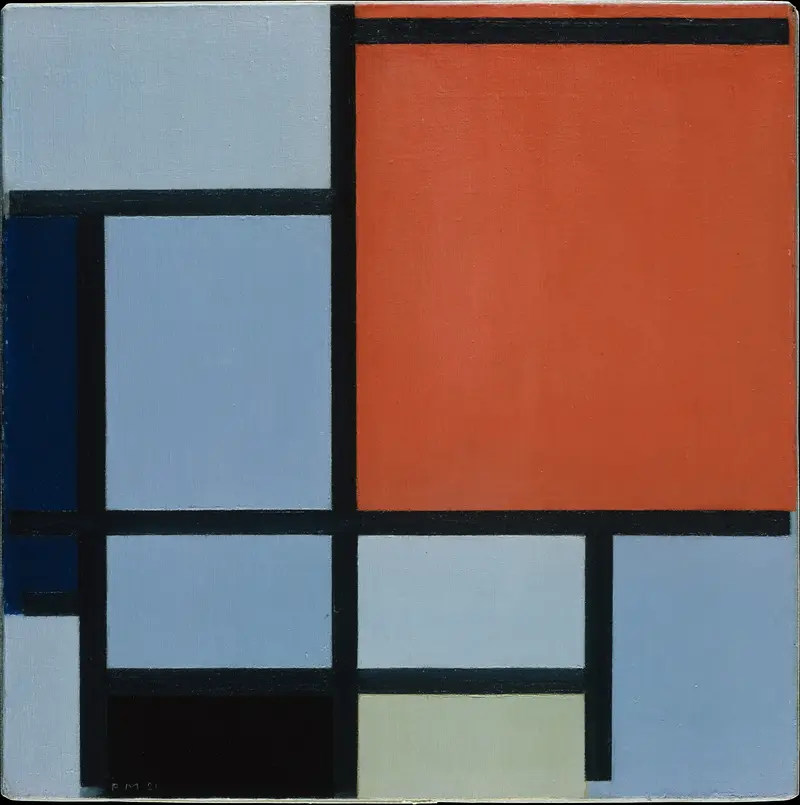
Composition
Piet Mondrian
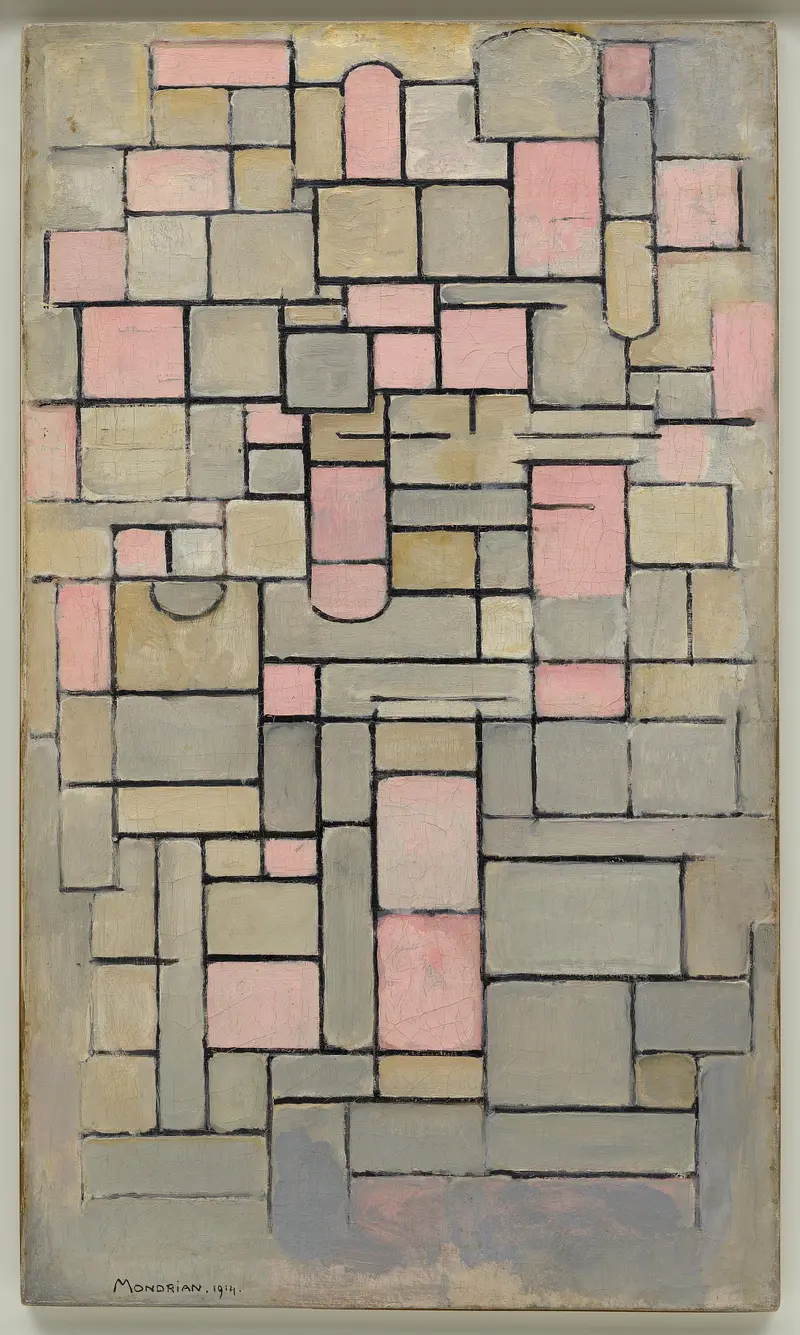
Composition 8
Piet Mondrian
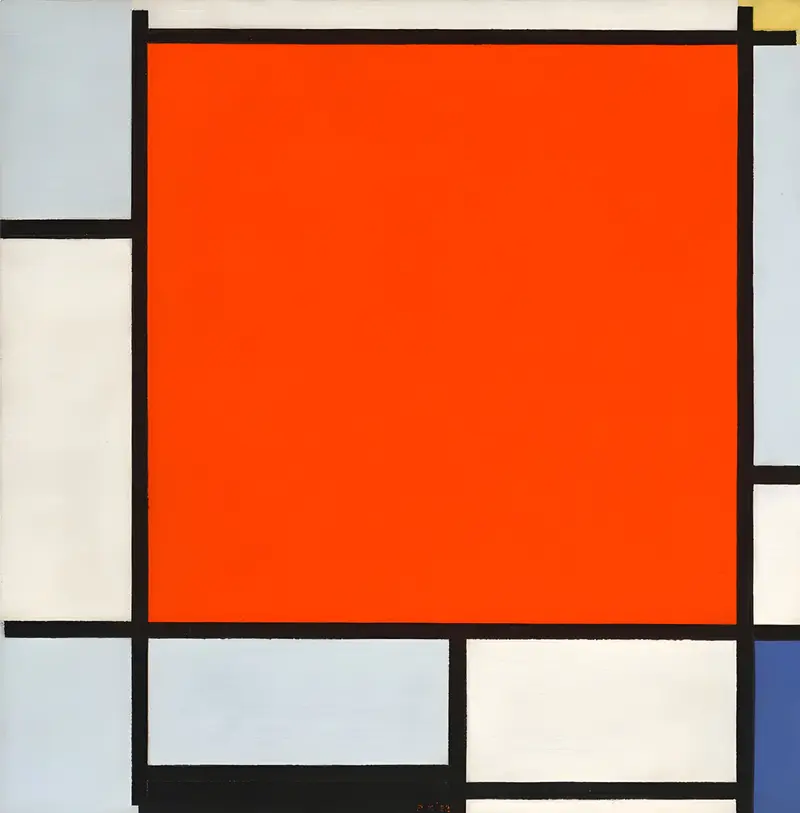
Composition with Large Red Plane, Bluish Gray, Yellow, Black and Blue
Piet Mondrian
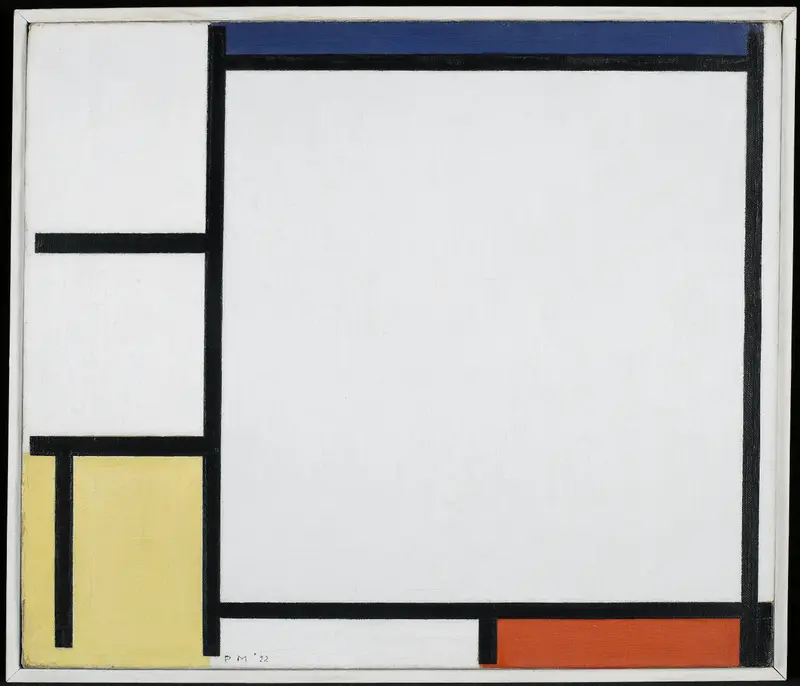
Composition with Blue, Red, Yellow, and Black
Piet Mondrian
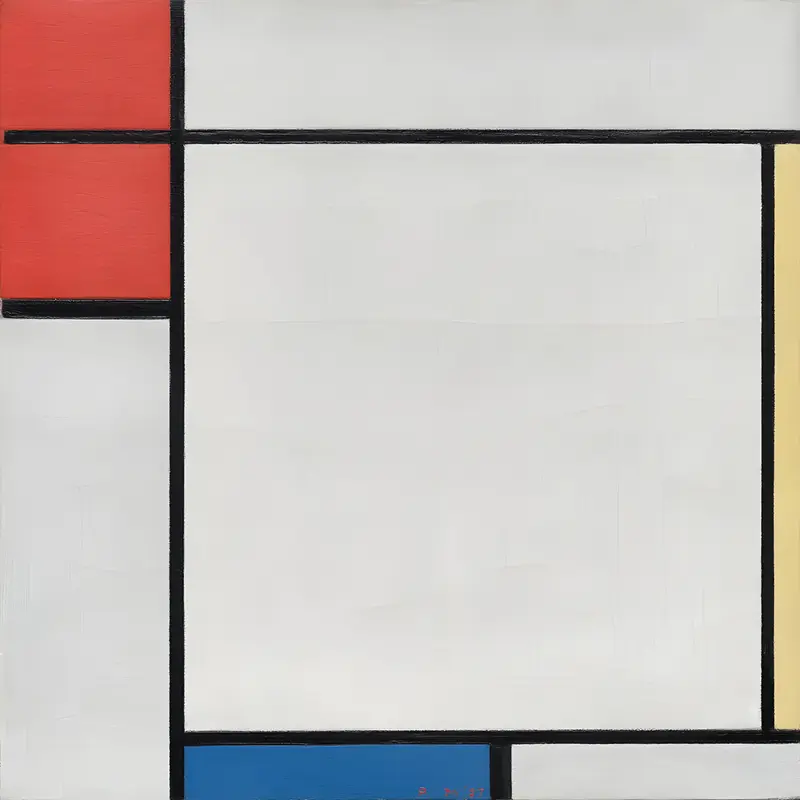
Composition with Red, Yellow, and Blue
Piet Mondrian
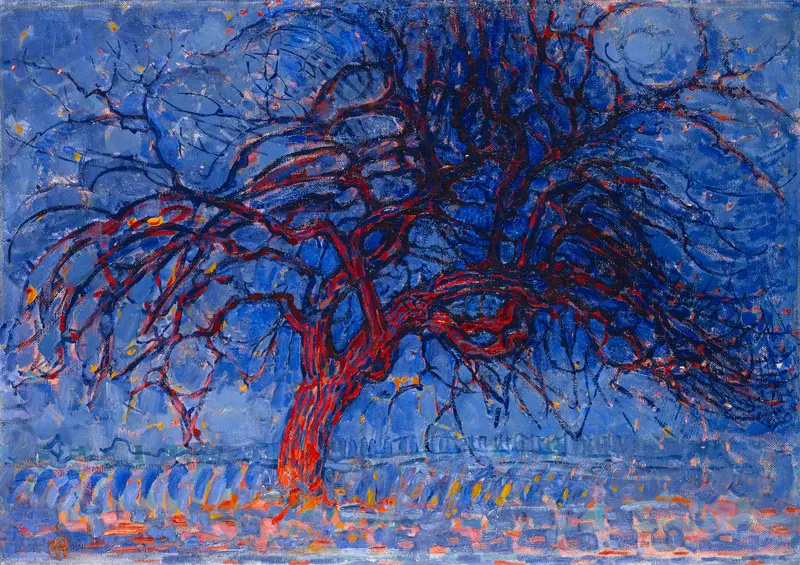
The Red Tree (Evening)
Piet Mondrian
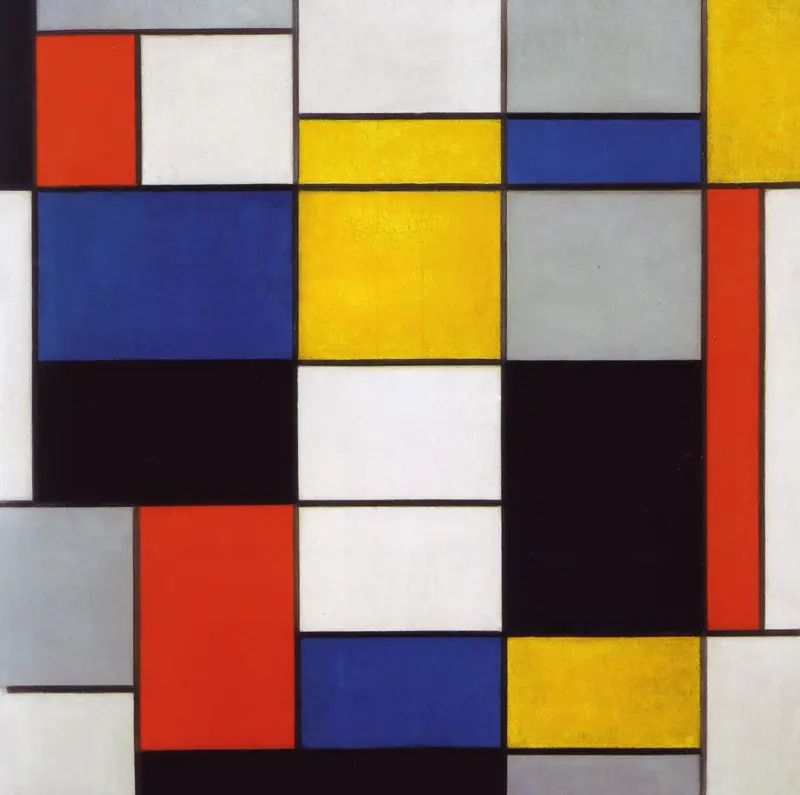
Composition A
Piet Mondrian





