
Windsor Forest — History & Facts
Few English landscapes have inspired as much artistic rivalry as Windsor Forest, the royal hunting grounds west of London. John Linnell’s Windsor Forest enters a tradition that includes not only George Stubbs’s precise studies of the park’s animals but also J.M.W. Turner’s atmospheric visions of the same woods.
Linnell’s version stands apart for its focus on the lived, everyday presence of the land, rather than its royal associations or dramatic weather—a choice that, in its day, quietly challenged the conventions of grand landscape painting. In this painting, the viewer’s gaze is drawn along a winding path beneath towering oaks, their branches forming a canopy that filters the daylight into shifting pools of shadow and gold. Linnell fills the foreground with sturdy cattle and laborers, emphasizing the forest’s role as both a working landscape and a place of natural beauty. The attention to detail—a fallen branch here, a patch of bracken there—grounds the scene in observation, contrasting with the more theatrical approach of Turner’s Windsor Castle: Morning.
Linnell’s gentle palette and careful rendering of light suggest a quiet harmony between people and nature, inviting the viewer to linger in the scene’s calm. The precise circumstances of Windsor Forest’s creation remain uncertain; neither the date nor the original patron is firmly documented. This lack of records is not unusual for Linnell, whose landscapes were often painted for private collectors or on speculation, rather than by royal commission. The painting’s style and subject place it among his mature works, likely from the mid-19th century, when he was at the height of his powers and frequently in dialogue with the emerging Pre-Raphaelite circle.
Today, Windsor Forest stands as a testament to Linnell’s commitment to the English countryside, offering a vision both familiar and quietly radical within the tradition of British landscape art.
More Artworks by John Linnell

A View Near Hampstead
John Linnell
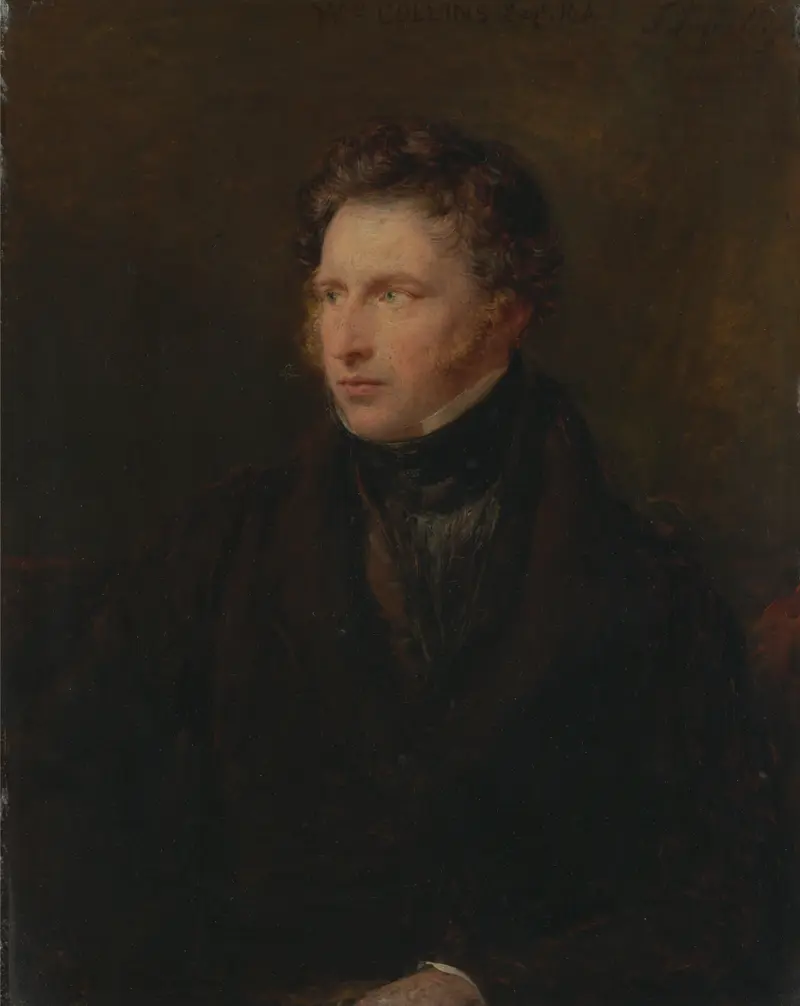
William Collins, R.A.
John Linnell
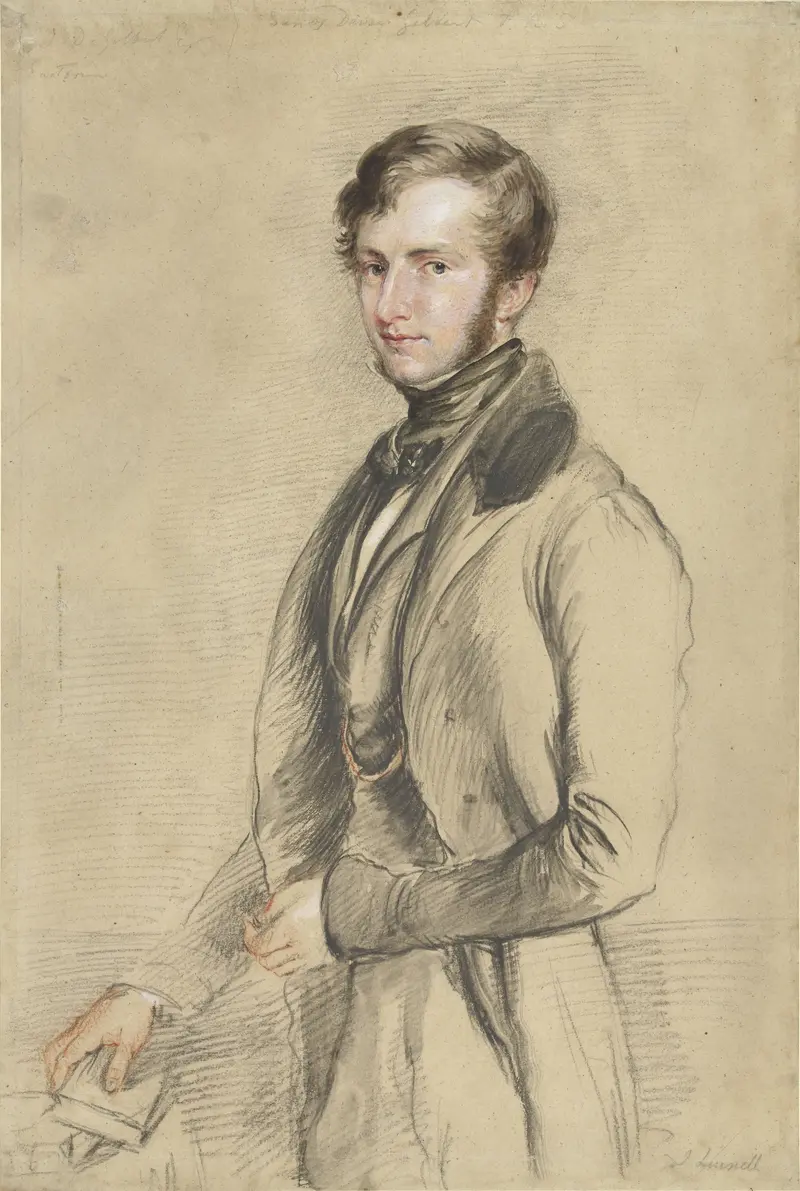
Portrait of John Davies Gilbert
John Linnell
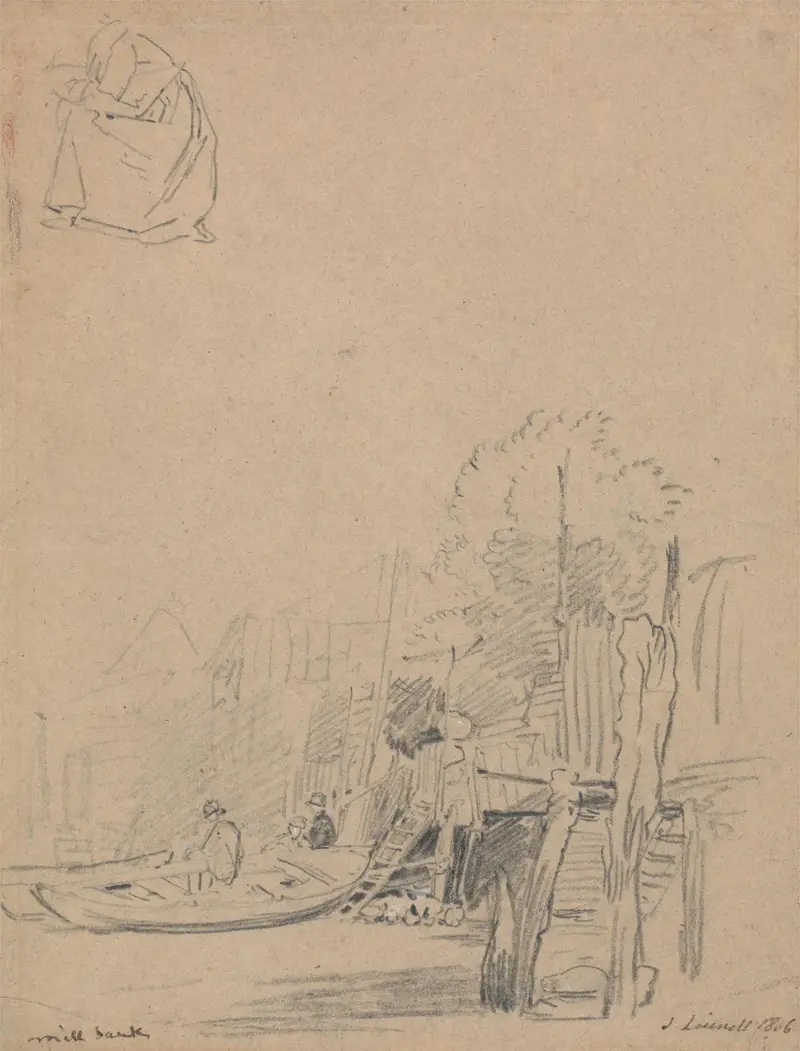
Millbank
John Linnell
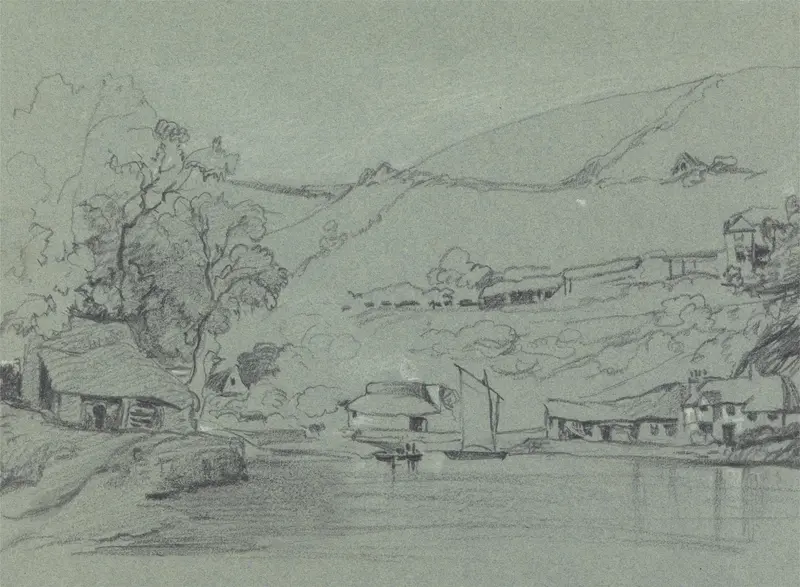
Scene in Kent
John Linnell
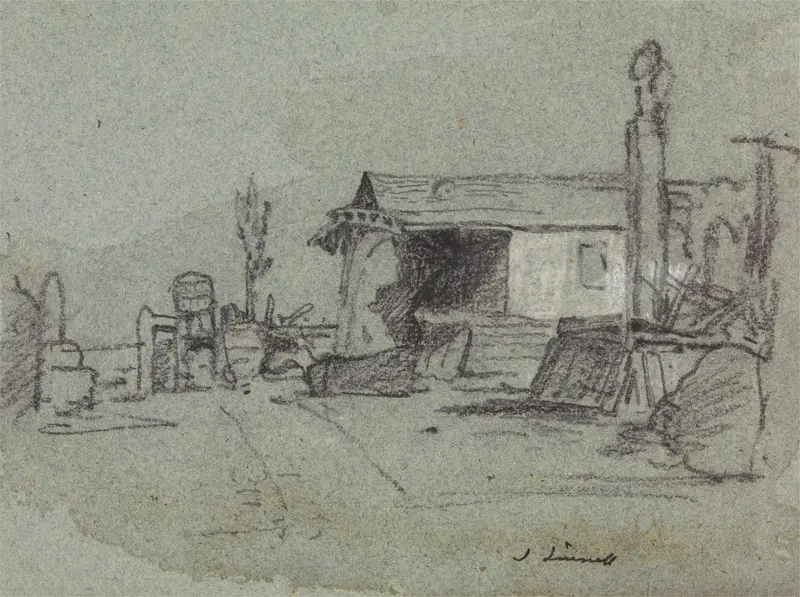
A Scene in the Edgware Road, London
John Linnell
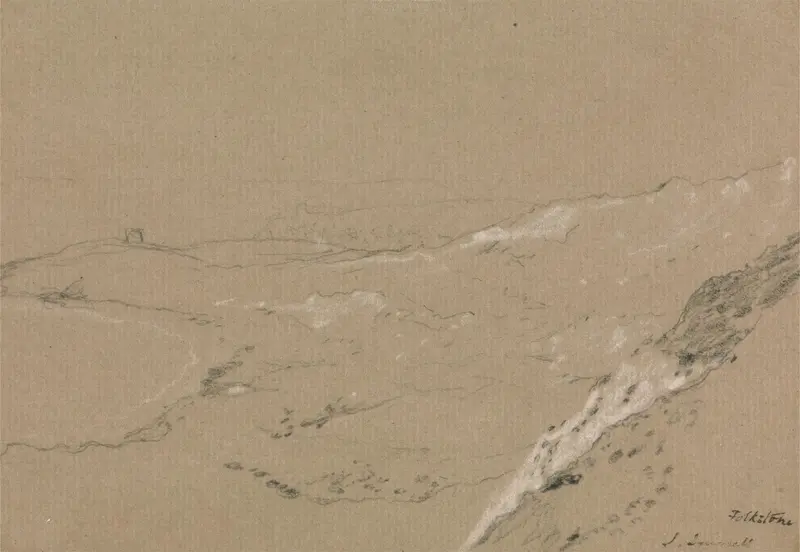
Folkestone
John Linnell
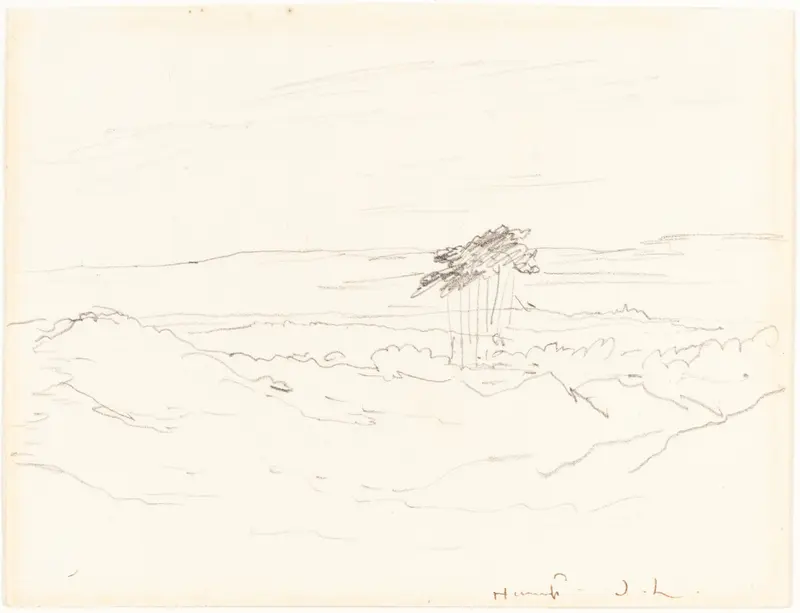
Hampstead Heath
John Linnell
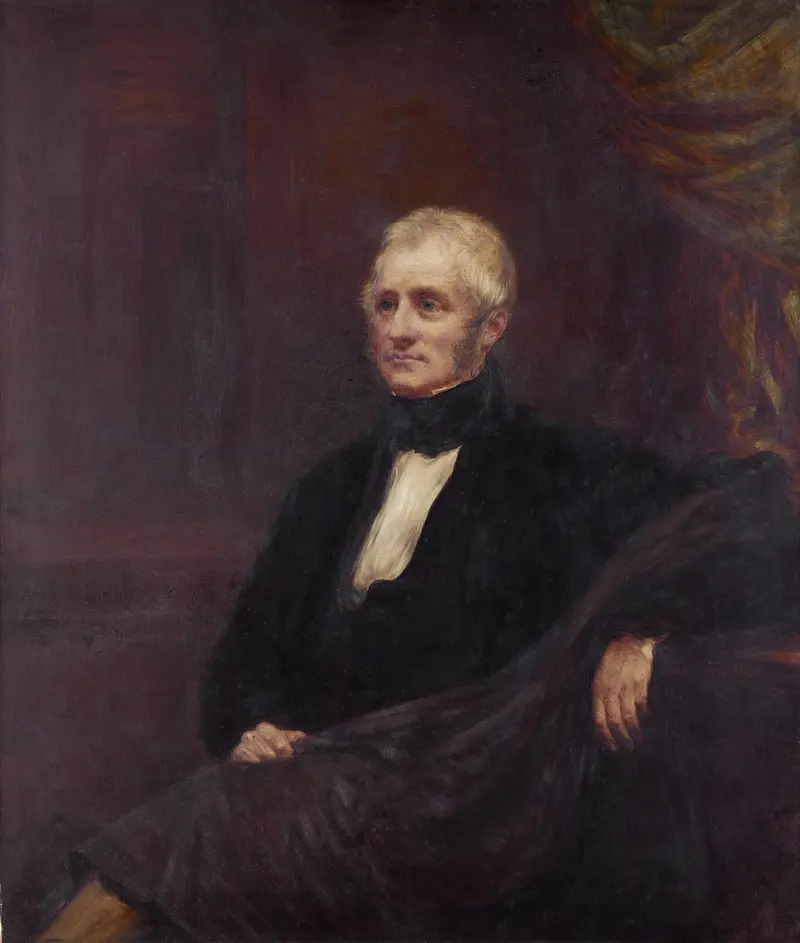
Henry Stephen Fox-Strangways, 3rd Earl Of Ilchester
John Linnell
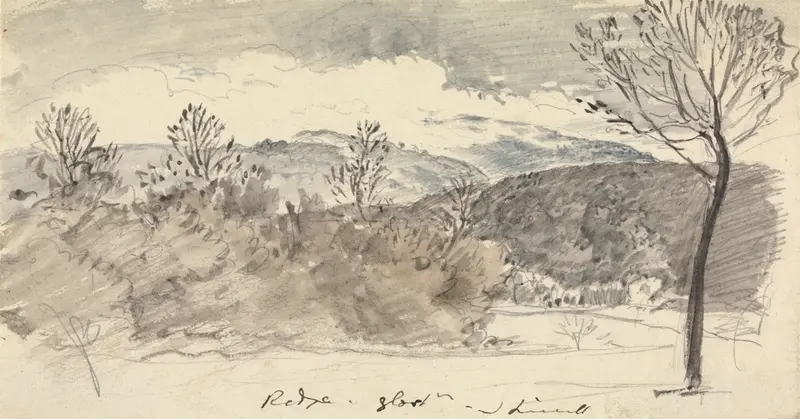
View at Mr. Sheppard’s, The Ridge, Gloucestershire
John Linnell
More Landscape Art

The Starry Night
Vincent van Gogh

View of Delft
Johannes Vermeer

Water Lilies
Claude Monet

The Grand Canal, Venice, looking north-west from the Ca' Corner to the Ca' Contarini degli Scrigni, with the campanile of Santa Maria della Carità
Canaletto

Windsor Castle
Canaletto

The Grand Canal looking North-East from the Palazzo Dolfin-Manin to the Rialto Bridge
Canaletto