
Winter — History & Facts
What if silence could speak through light? In Winter, Wenceslaus Hollar captures the stillness of a frostbitten landscape, where the air is thick with the unvoiced melancholy of a season steeped in loss. Look to the left at the delicate etchings of bare trees, their gnarled branches reaching skyward, etched in fine lines that evoke a sense of fragility. Notice how the subtle gradients of gray and white in the sky blend into one another, creating an ethereal backdrop that embraces the slumbering earth. Each stroke of the artist’s hand reveals a mastery of texture, inviting the viewer to feel the biting chill that permeates the scene.
The composition is striking, with a quiet solitude that beckons you to linger in its embrace. Beneath the surface, layers of meaning unfold. The stark absence of color mirrors the emotional barrenness of winter, a reflection of loss that resonates deeply within the human experience. The ground, hard and unyielding, symbolizes the hardships that accompany this season, while a lone figure trudges through the desolation, embodying resilience against the harsh realities of life.
Each element—the skeletal trees, the cold expanse—works harmoniously to evoke a profound sense of longing and introspection. Hollar created this piece in 1629, during his time in England after fleeing the Thirty Years' War in his native Bohemia. This period was marked by upheaval, and the artist found himself navigating a world of cultural exchange amidst shifting allegiances. His work reflects the tensions of that time, intricately entwining personal loss with a broader commentary on the human condition, as he sought solace in the artistry of nature’s stark beauty.
More Artworks by Wenceslaus Hollar
Browse all →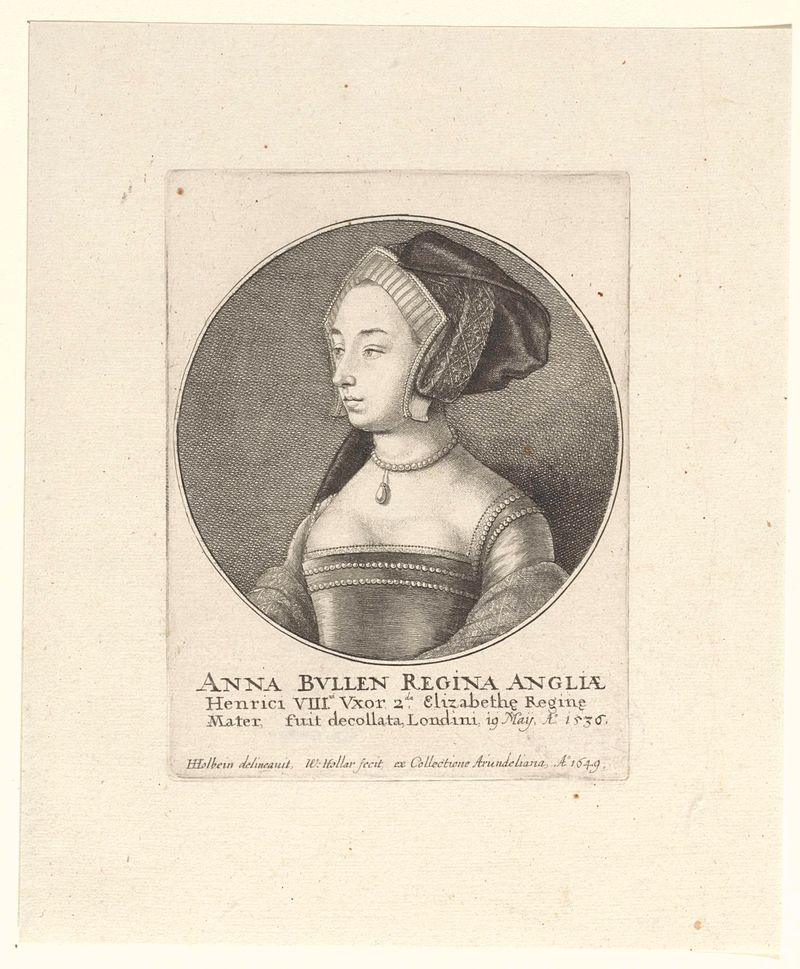
Portret van Anna Boleyn, koningin van Engeland
Wenceslaus Hollar
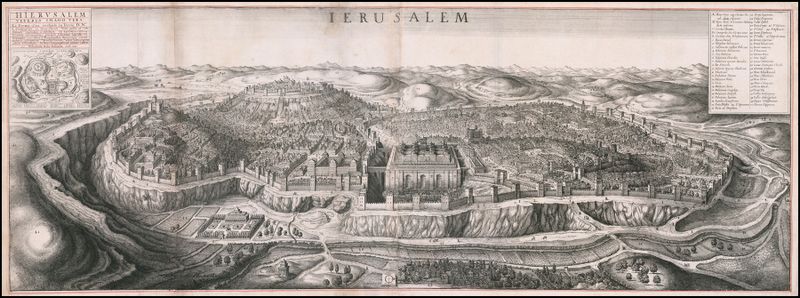
Bird’s eye view of Jerusalem
Wenceslaus Hollar
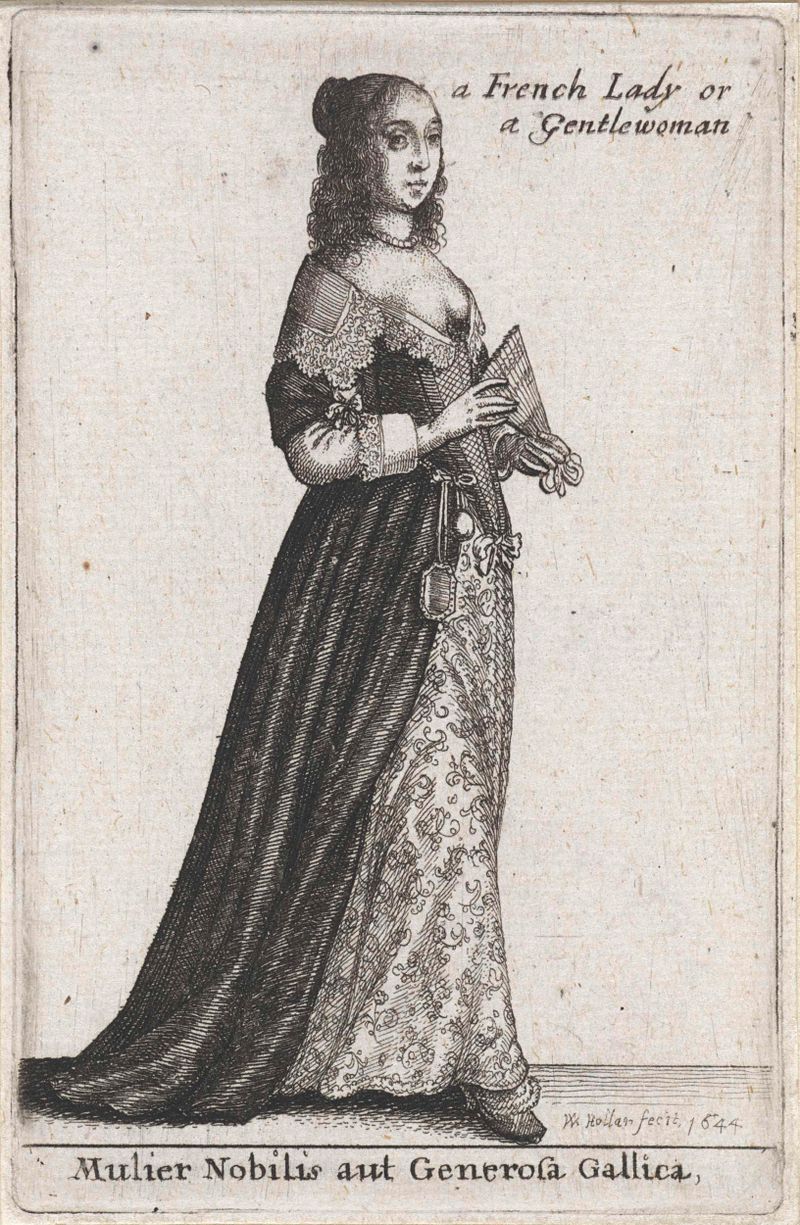
Mulier Nobilis aut Generosa Gallica / a French Lady or Gentlewoman
Wenceslaus Hollar
Titelprent voor: Ornatus Muliebris Anglicanus
Wenceslaus Hollar
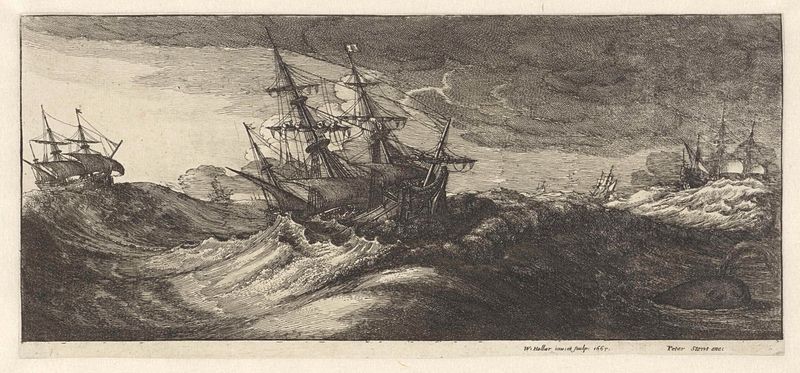
Oorlogsschepen en een walvis in een zeestorm
Wenceslaus Hollar
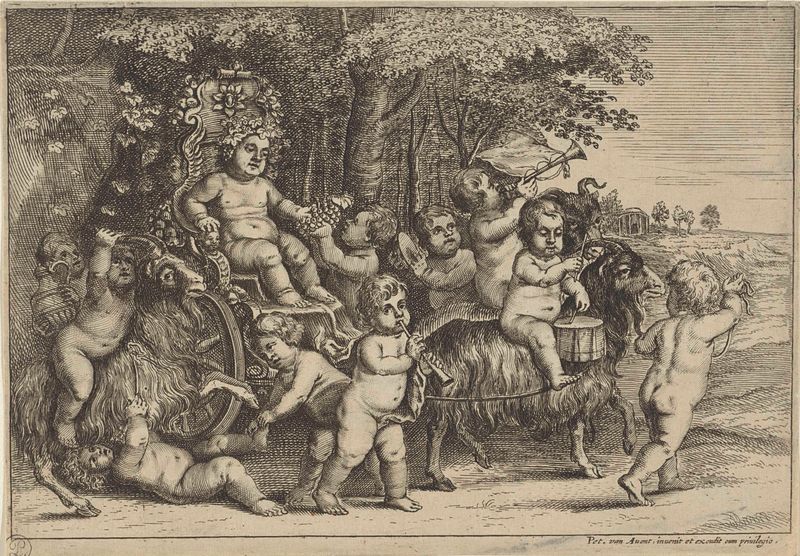
Optocht van bacchant en jongetjes op geiten
Wenceslaus Hollar
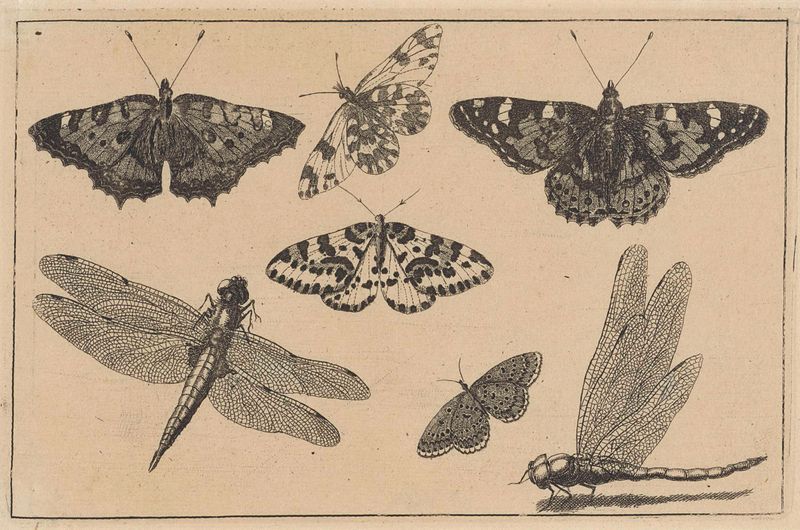
Twee libellen en vijf vlinders
Wenceslaus Hollar
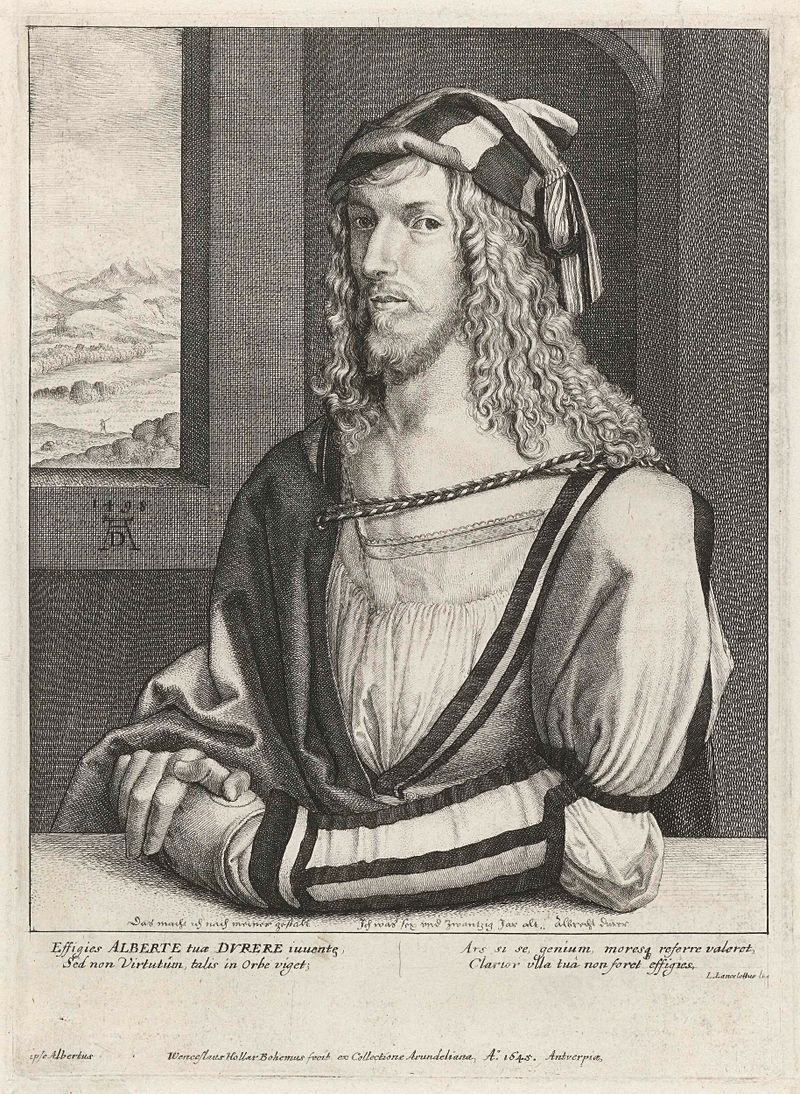
Portret van Albrecht Dürer
Wenceslaus Hollar
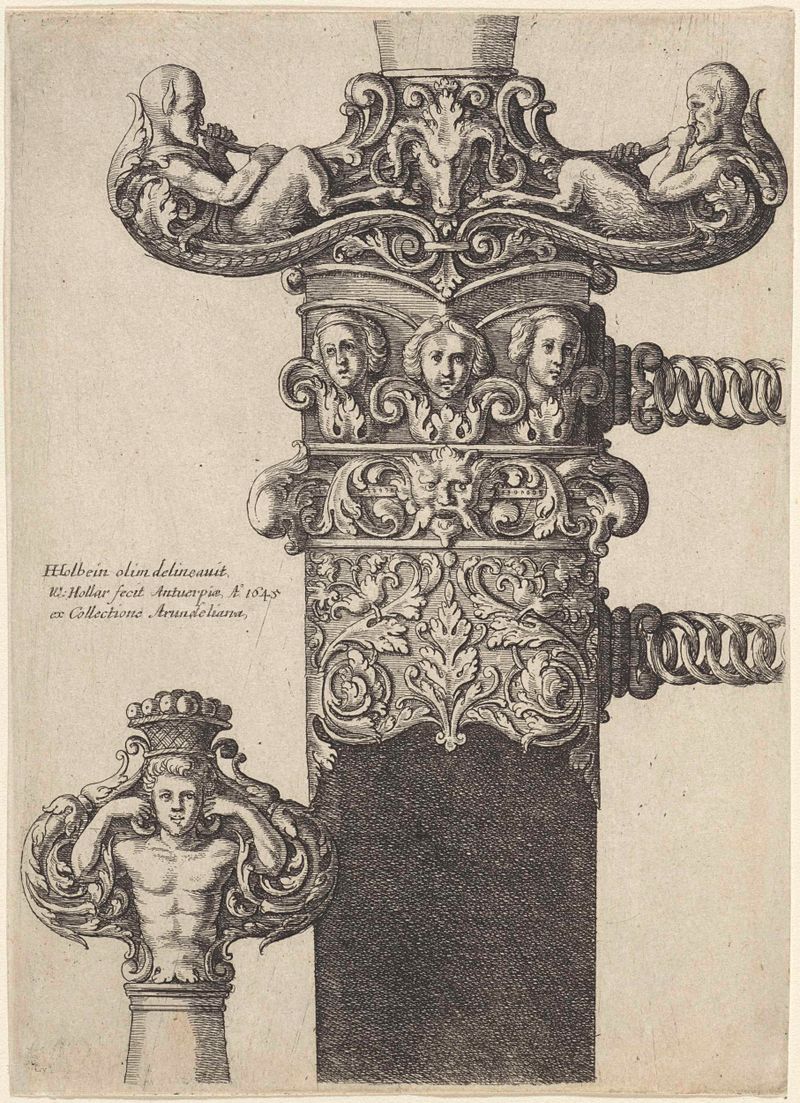
Ornamenteel ontwerp voor een dolk
Wenceslaus Hollar
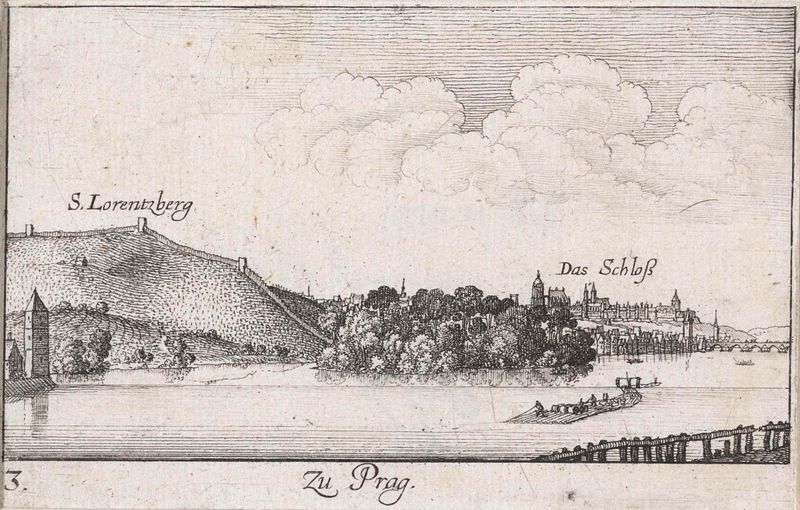
Gezicht op Praag vanaf de Moldau
Wenceslaus Hollar





