
Winter — History & Facts
In Winter, a chilling stillness envelops the scene, echoing the sense of betrayal that lies within the heart of nature. Look to the foreground, where the barren trees stand gnarled and bare, their outlines sharp against the pale expanse of snow. The delicate etching captures every intricate detail, from the fine needle-like branches to the crisp patterns of frost that seem to whisper stories of forgotten warmth. Notice how the muted palette, dominated by grays and whites, intensifies the solitude, drawing your eye toward the distant horizon where a deeper darkness looms.
This stark contrast not only evokes the coldness of winter but also serves as a metaphor for the isolation felt in moments of treachery. In the midst of this wintry landscape, there lies an emotional tension between beauty and desolation. The delicate snowflakes, while enchanting, symbolize the fleeting nature of trust, each one a reminder of how easily warmth can be lost. The barren trees, stripped of their leaves, stand vigil over a landscape that feels both serene and foreboding, a reflection of the duality inherent in memory and betrayal.
The emptiness suggests a longing for what was, capturing the essence of a heart once vibrant, now subdued. Wenceslaus Hollar created Winter in 1641 during his time in London, an era when he was navigating the complexities of exile and displacement. The tumultuous political landscape in Europe, combined with his personal struggles, heavily influenced his work. This etching not only showcases his mastery of the medium but also offers a poignant commentary on the themes of loss and remembrance that resonate through his life and the world around him.
More Artworks by Wenceslaus Hollar
Browse all →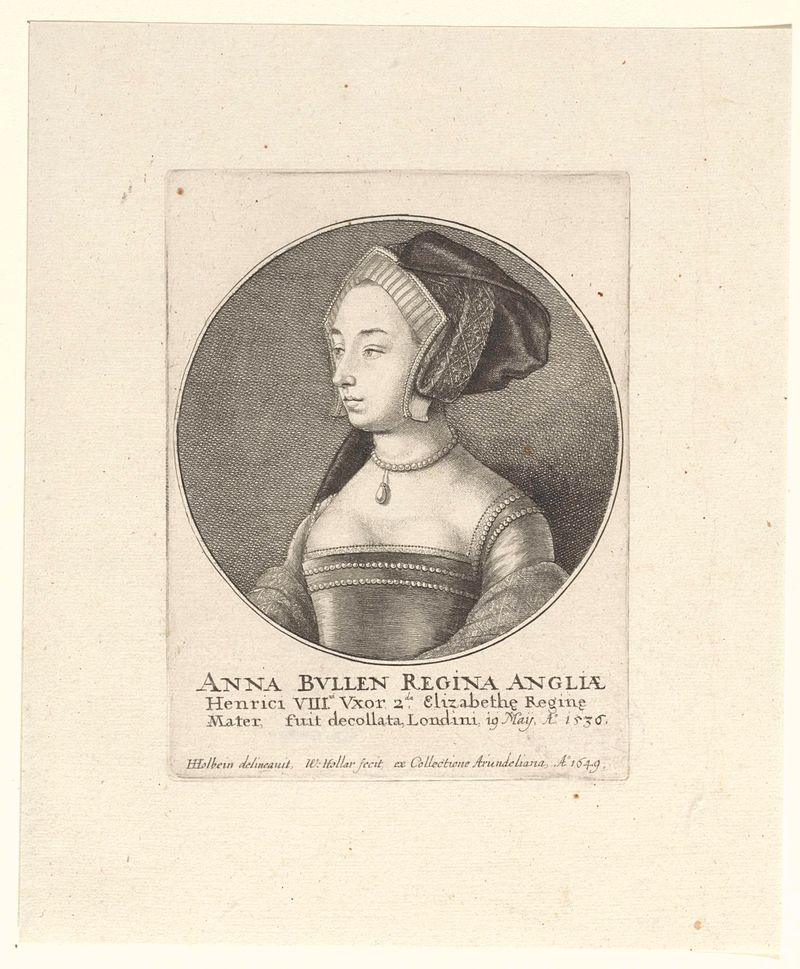
Portret van Anna Boleyn, koningin van Engeland
Wenceslaus Hollar
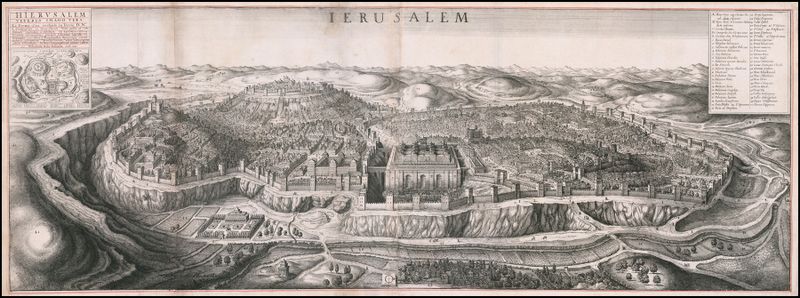
Bird’s eye view of Jerusalem
Wenceslaus Hollar
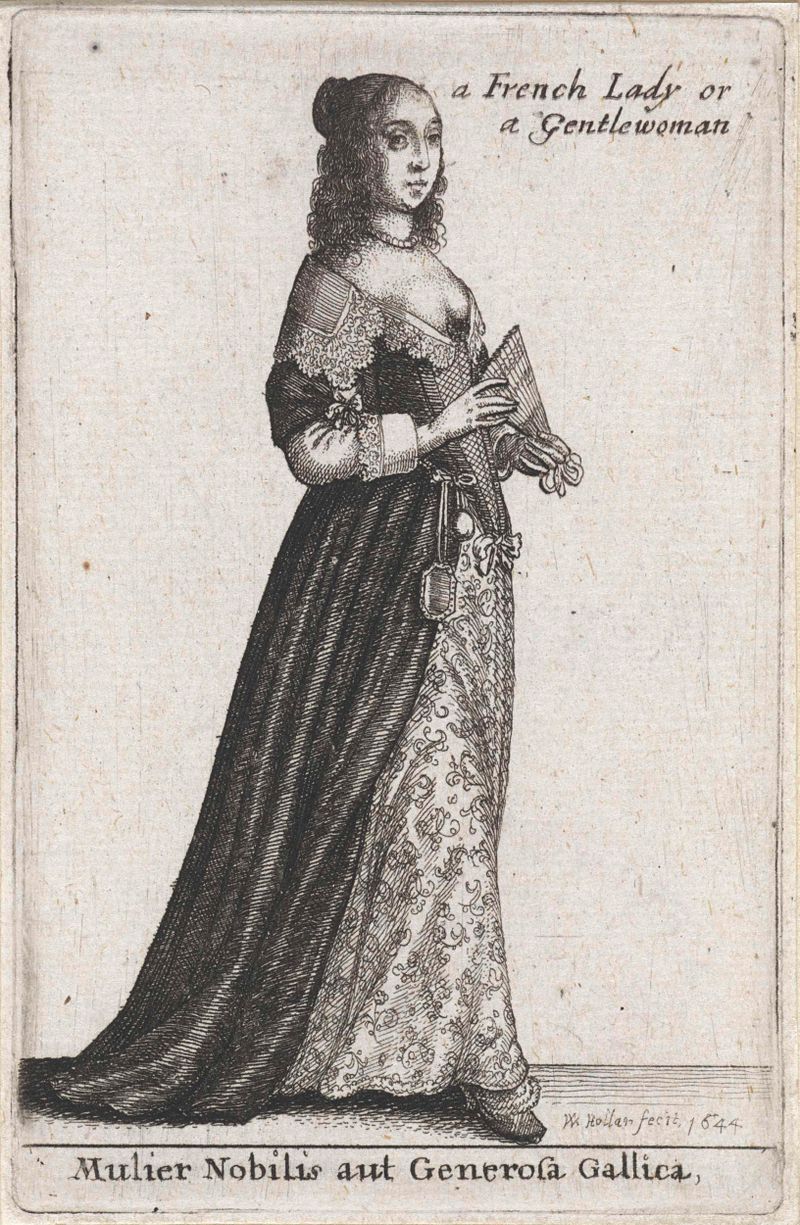
Mulier Nobilis aut Generosa Gallica / a French Lady or Gentlewoman
Wenceslaus Hollar
Titelprent voor: Ornatus Muliebris Anglicanus
Wenceslaus Hollar
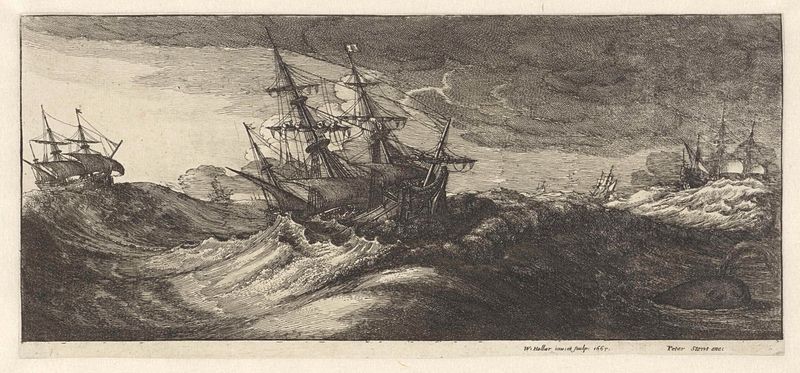
Oorlogsschepen en een walvis in een zeestorm
Wenceslaus Hollar
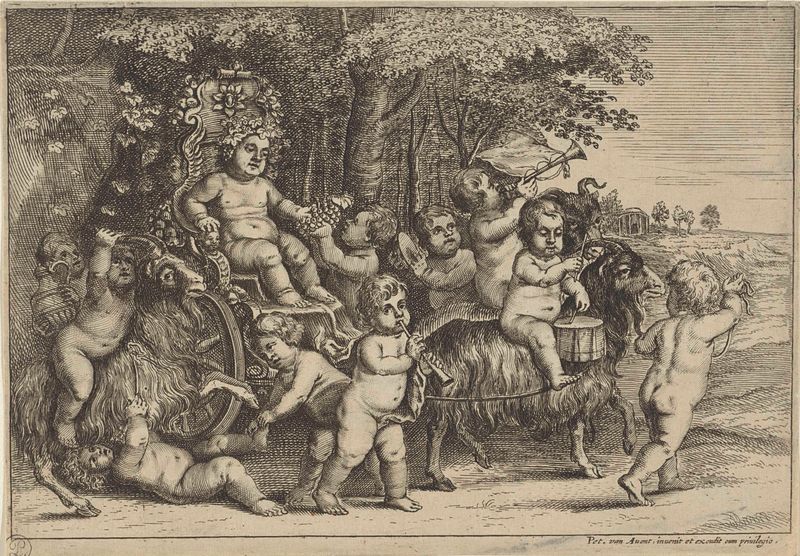
Optocht van bacchant en jongetjes op geiten
Wenceslaus Hollar
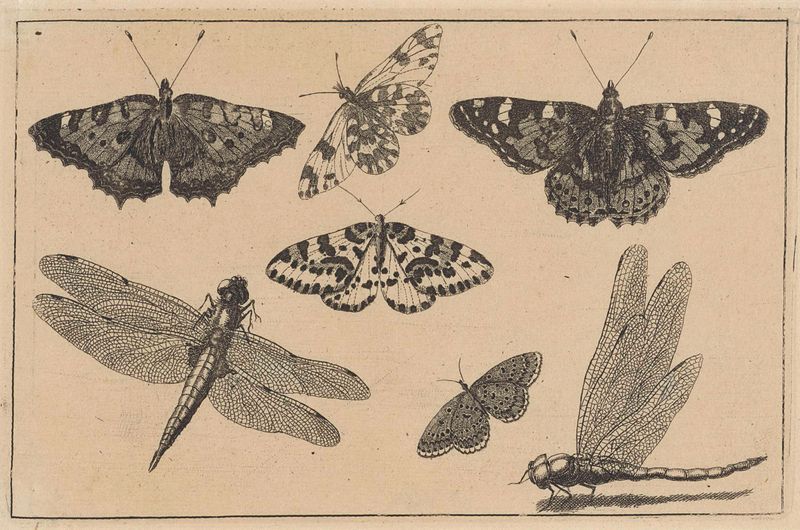
Twee libellen en vijf vlinders
Wenceslaus Hollar
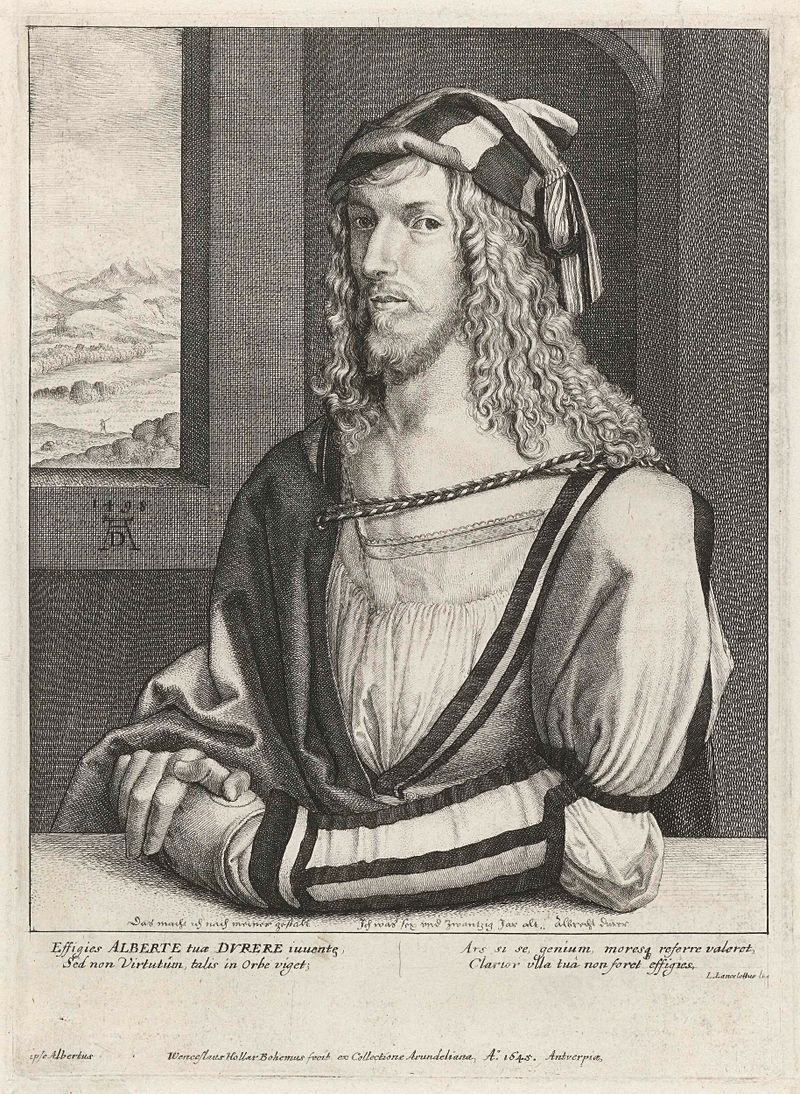
Portret van Albrecht Dürer
Wenceslaus Hollar
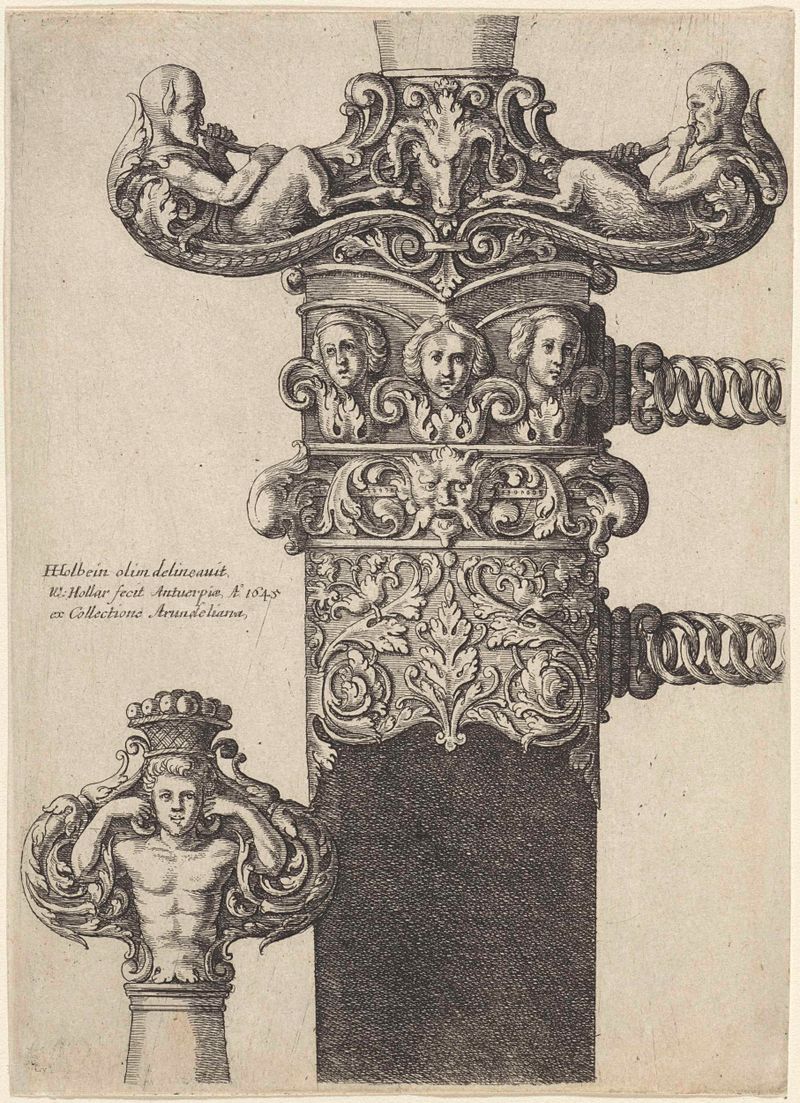
Ornamenteel ontwerp voor een dolk
Wenceslaus Hollar
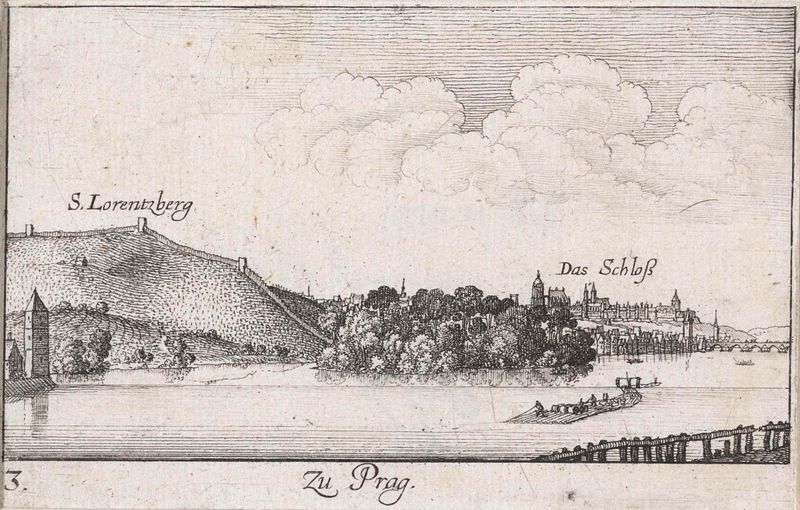
Gezicht op Praag vanaf de Moldau
Wenceslaus Hollar





