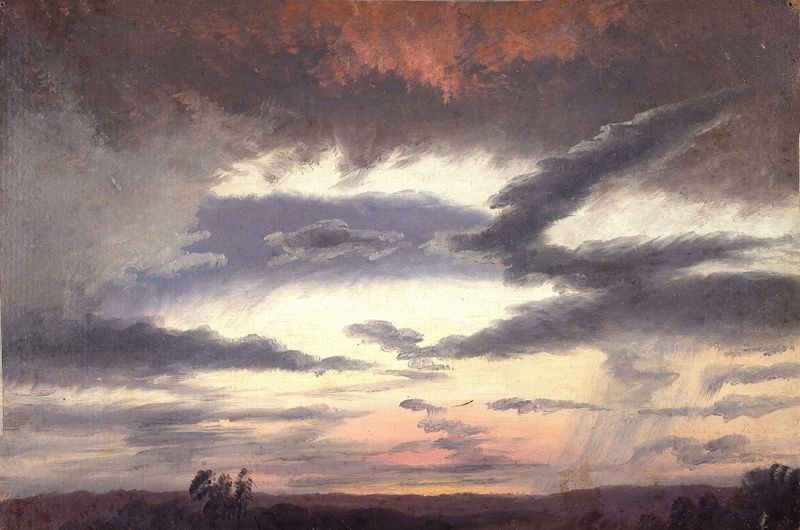
Winter Evening in Dresden — History & Facts
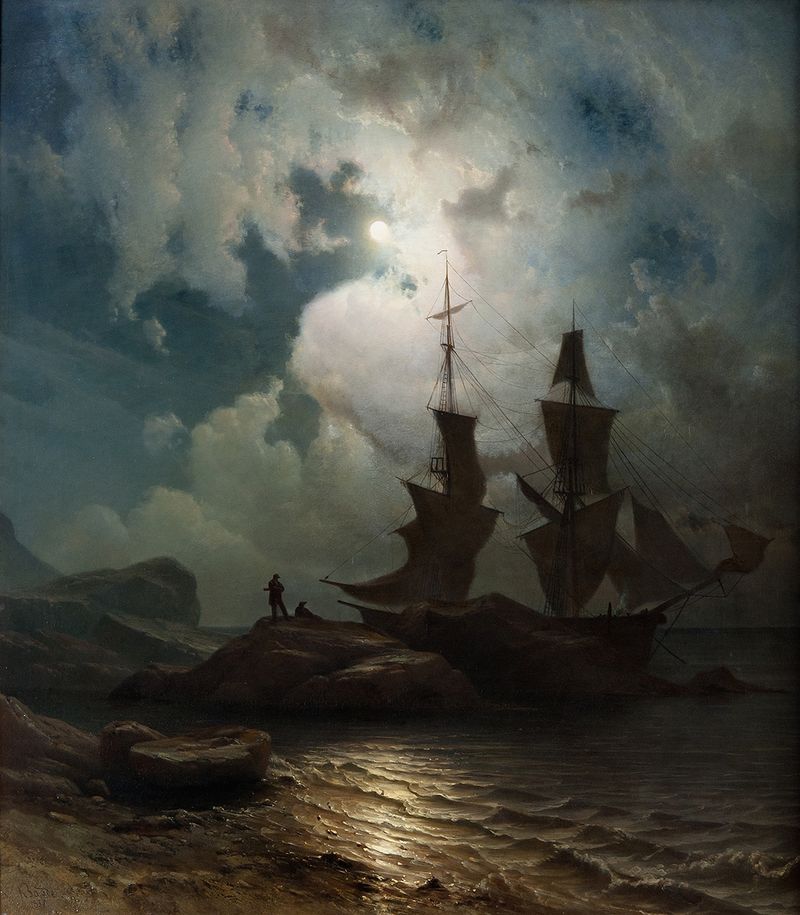
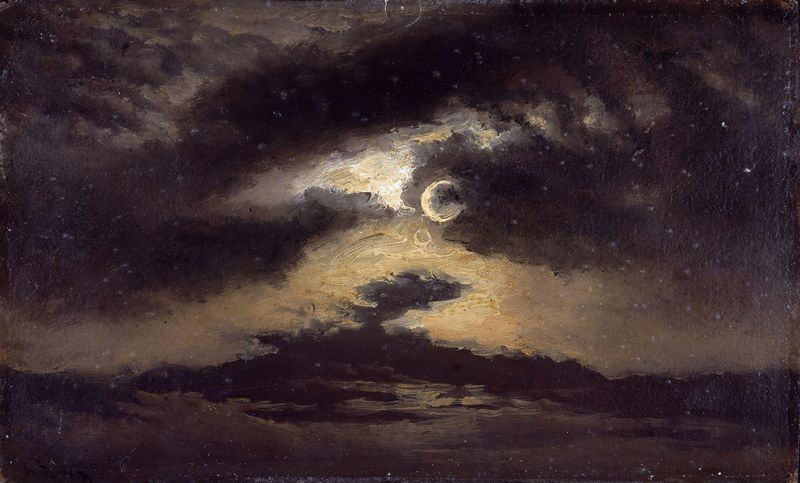
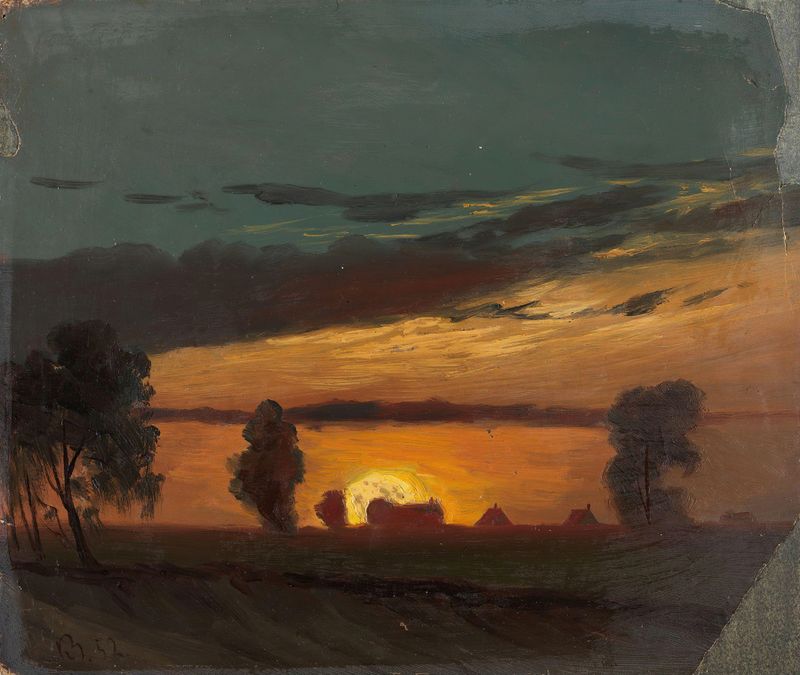
Who listens when art speaks of silence? In the stillness of a winter evening, the weight of mortality hangs in the air, cloaked in the soft embrace of snow. Focus on the delicate layers of paint that Baade meticulously applied, revealing a tranquil yet haunting landscape. Look to the horizon where the dying light of day sinks beneath the silhouettes of trees, their branches heavy with snow. The muted blues and grays interweave with hints of warm amber, suggesting both the chill of winter and the warmth of a fading memory, inviting viewers to ponder the stories encased in that twilight hour. As you delve deeper, notice the contrast between the vibrant life captured in the barely discernible silhouettes of distant figures and the overwhelming stillness of the icy landscape.
This juxtaposition evokes a sense of longing and reflects the fleeting nature of existence. The painting is a meditation on time, where each stroke encapsulates both the beauty and the transience of life, urging us to confront our own mortality amid the serene tableau. Created in 1845, this work emerged during a period when Knud Baade was exploring themes of solitude and reflection, often influenced by the Romantic movement's emphasis on nature and emotion. Living in Dresden, a city rich in artistic heritage, Baade was part of a larger dialogue in the art world that sought to capture not just the visual but the profound emotional experiences of its time, marking a significant moment in his artistic journey.