
Winter landscape — History & Facts
Did the painter know this moment would outlive them? In the heart of winter, life breathes anew beneath a blanket of snow, whispering the promise of rebirth. Focus on the horizon where gentle hills roll into the distance, softly caressed by the chill of the season. The muted palette of whites, pale blues, and soft grays creates a tranquil atmosphere, while the starkness of the bare trees punctuates the composition with delicate silhouettes. As you trace the winding path leading toward an unseen destination, notice how the light dances upon the snow, creating a shimmering effect that invites the viewer into the scene. Beneath this serene surface lies a profound tension between desolation and renewal.
The barren branches, stark against the winter sky, symbolize the stark beauty of loss, while the glimmers of light hint at hope and potential beneath the icy façade. The path suggests a journey—a movement toward the warmth of spring that lies just beyond the horizon, embodying the cycle of life that continually unfolds. In the 1890s, the artist painted this work during a pivotal moment in their career in Poland, as they sought to capture the essence of the natural world. This period marked a growing interest in landscape painting, influenced by the broader European trends of impressionism.
The artist’s engagement with the shifting dynamics of their environment and personal experiences infused Winter landscape with a sense of timelessness, capturing the beauty of nature while also reflecting their own journey as an artist.
More Artworks by Jan Stanisławski
Browse all →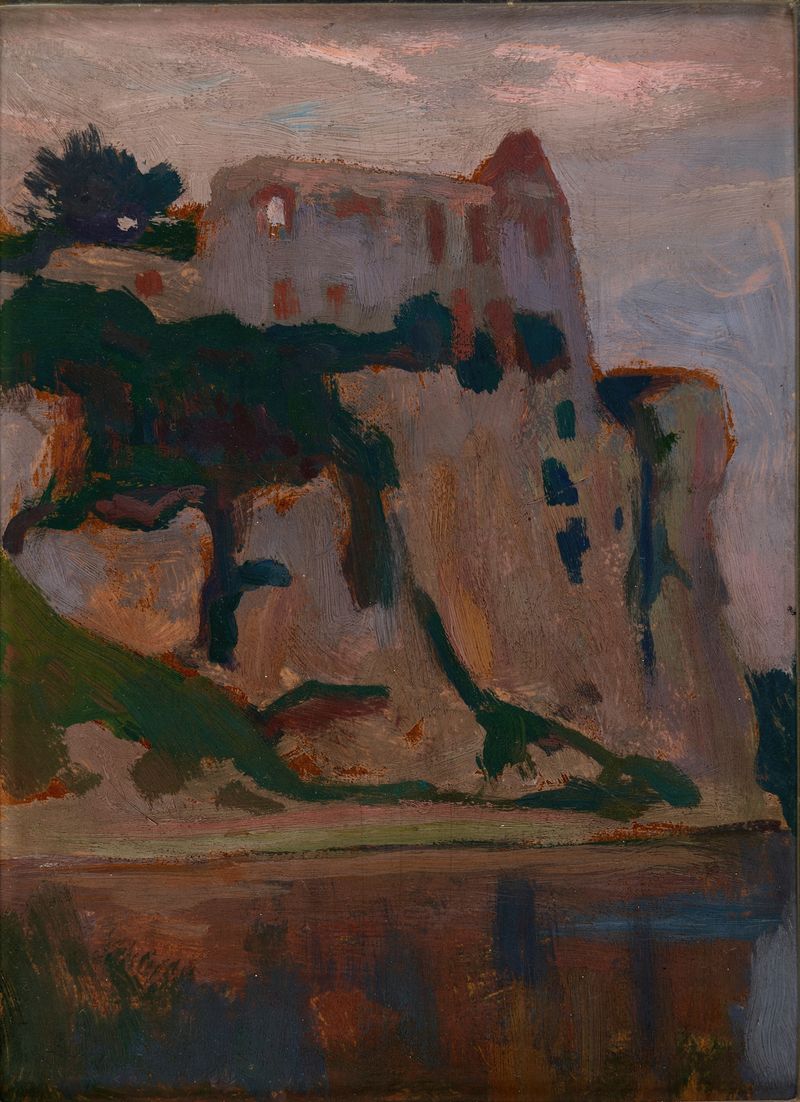
Tyniec at Dawn
Jan Stanisławski
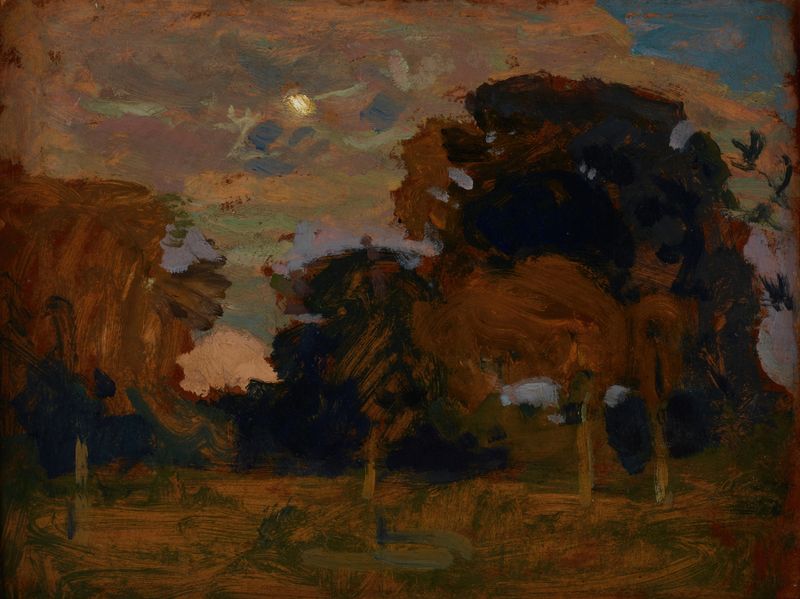
Moon in the Clouds
Jan Stanisławski
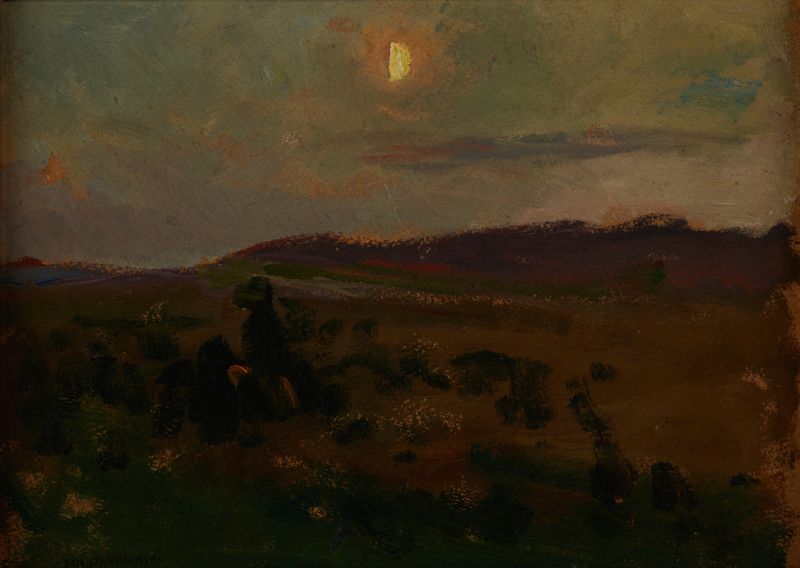
Moonrise
Jan Stanisławski
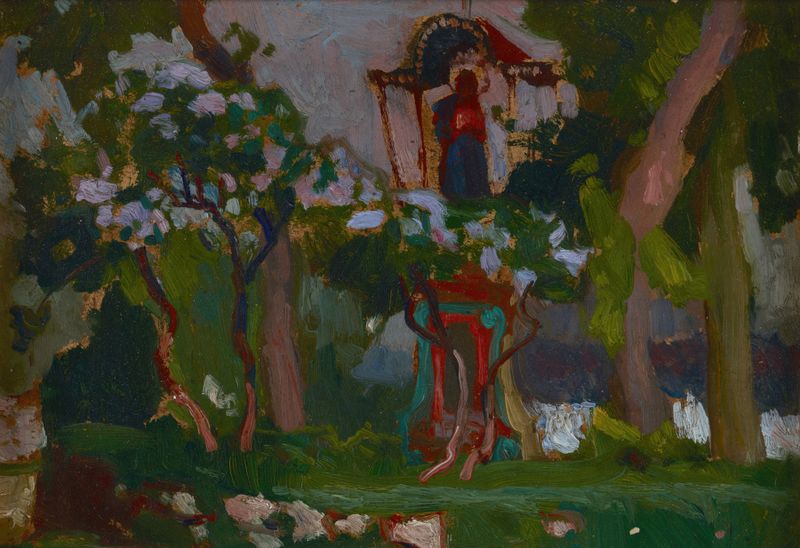
May
Jan Stanisławski
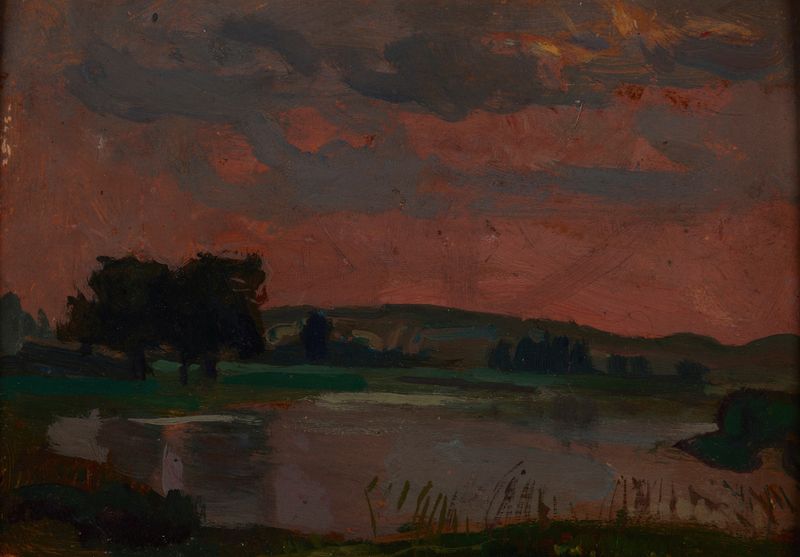
The Vistula in the Twilight
Jan Stanisławski
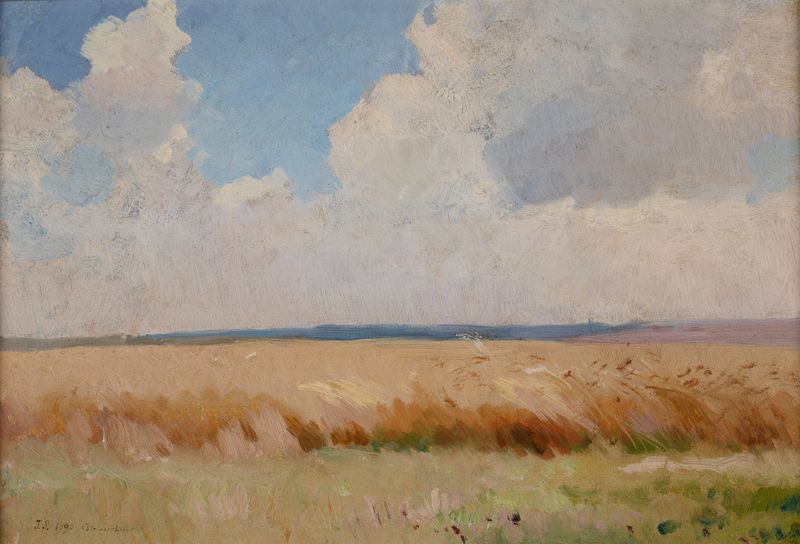
Field at Białocerkiew (Bila Tserkva)
Jan Stanisławski
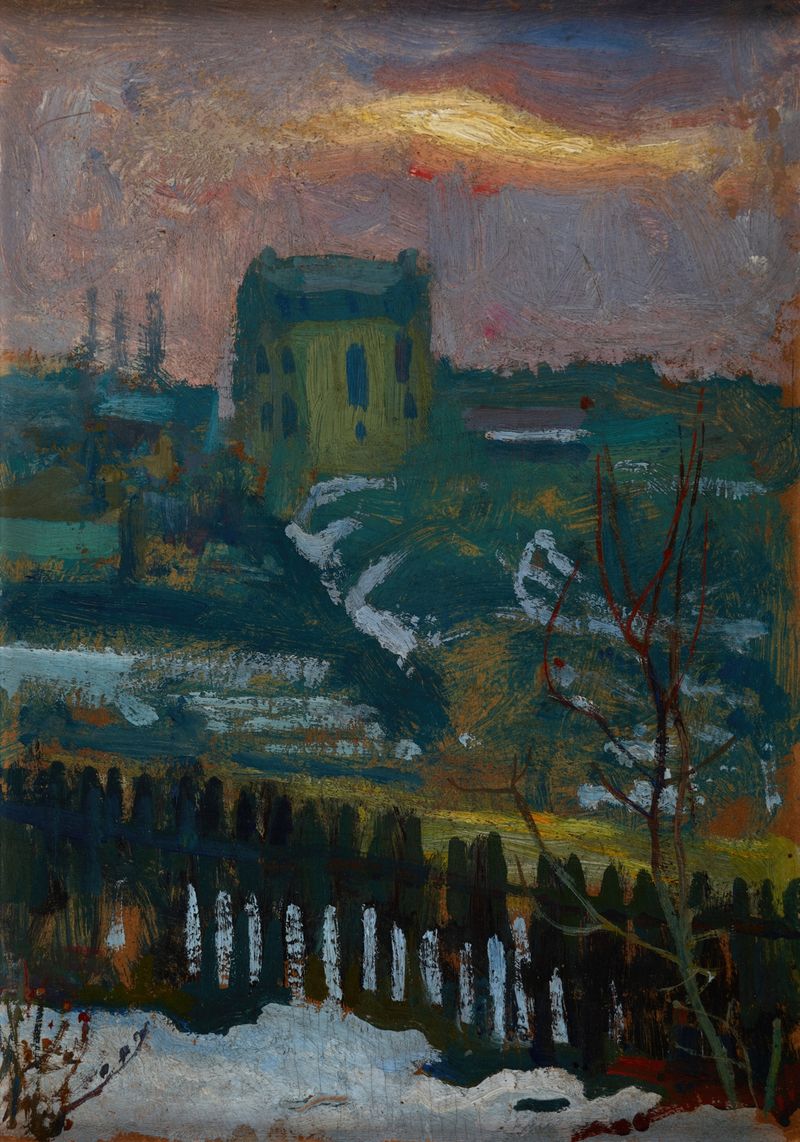
House in Winter
Jan Stanisławski
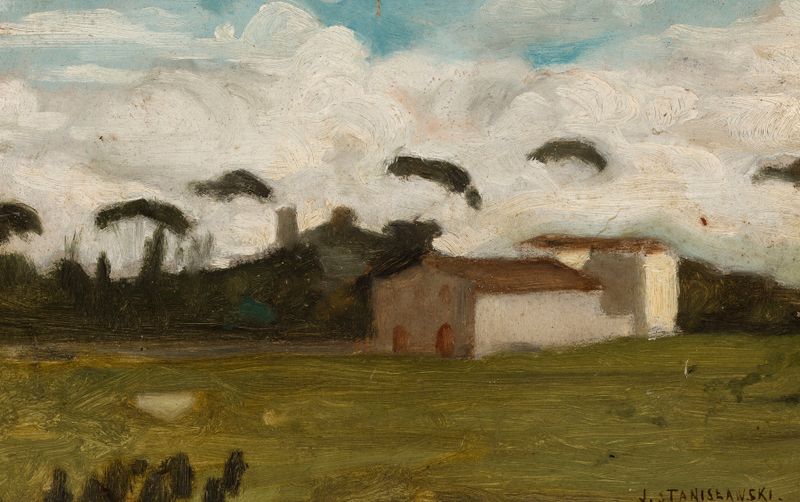
Landscape
Jan Stanisławski
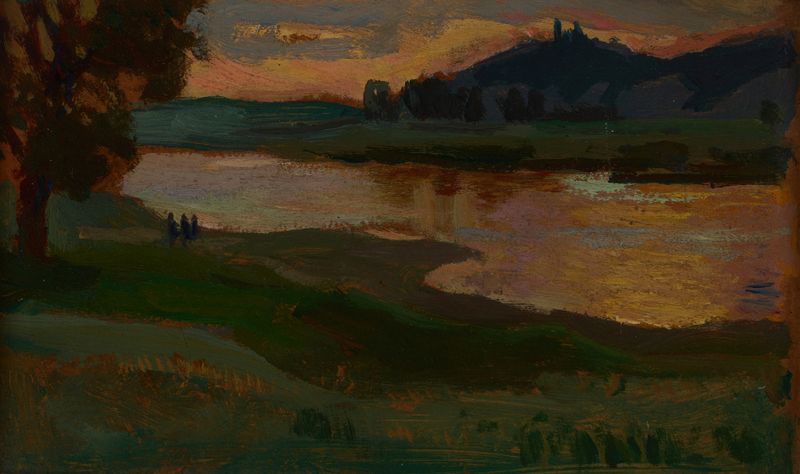
Bielany at Dusk
Jan Stanisławski
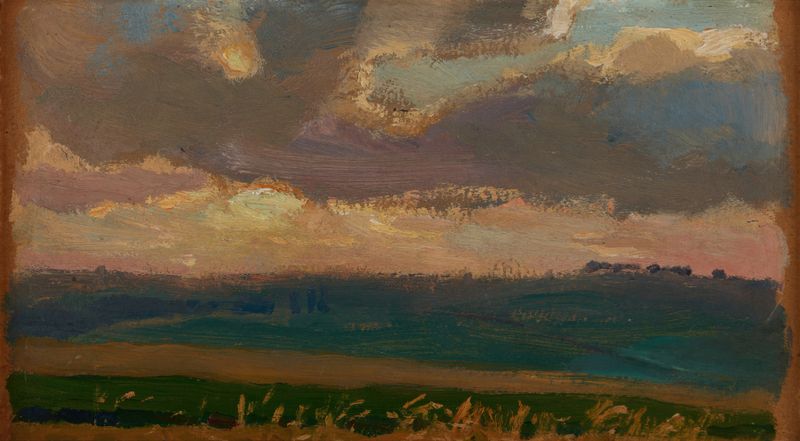
Fields at Proszowice
Jan Stanisławski





