
Winter landscape with a river — History & Facts
Could a single brushstroke hold eternity? In Winter Landscape with a River, each stroke resonates with the promise of rebirth beneath the weight of winter's cold grip. Look to the left at the distant horizon, where the pale blue sky meets the snow-blanketed earth, a delicate balance of color that suggests both tranquility and anticipation. The river winds through the canvas, its flowing water reflecting the crystalline light of a winter sun, which pierces the soft, muted palette of whites and blues. The artist’s brushwork conveys movement, a rhythmic dance that invites the viewer's eye to travel along the water's edge, where the dark trees stand sentinel, their branches heavy with frost. The juxtaposition of the stark winter landscape and the glimmering river symbolizes the duality of stillness and life.
While the trees appear dormant, there is an underlying vitality in the flowing water, signifying resilience and the inevitability of change. This interplay between the harshness of winter and the promise of thaw suggests a deeper meditation on cycles, echoing themes of regeneration and the unyielding passage of time. In 1907, Julian Falat, a Polish painter deeply influenced by the Romantic and Impressionist movements, crafted this piece during a time when art was evolving toward greater emotional expression and connection to nature. Living in a period marked by rapid social change, his work reflects a fascination with the natural world and the human experience within it, an exploration that resonates strongly in the serene yet vibrant depiction of winter's embrace.
More Artworks by Julian Falat
Browse all →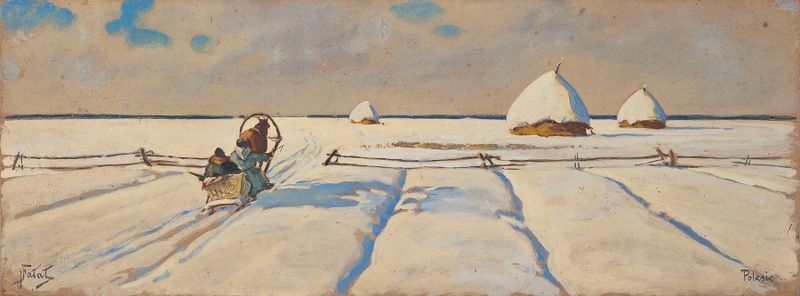
Sleigh in a snowy field – Polesia
Julian Falat
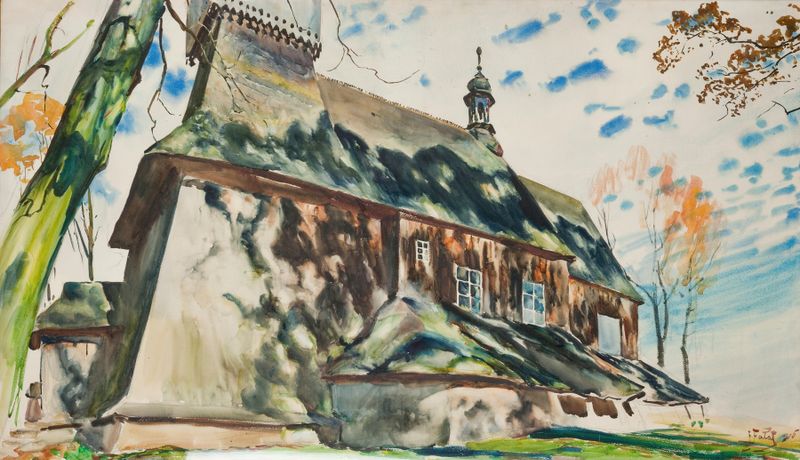
Church in Osiek
Julian Falat
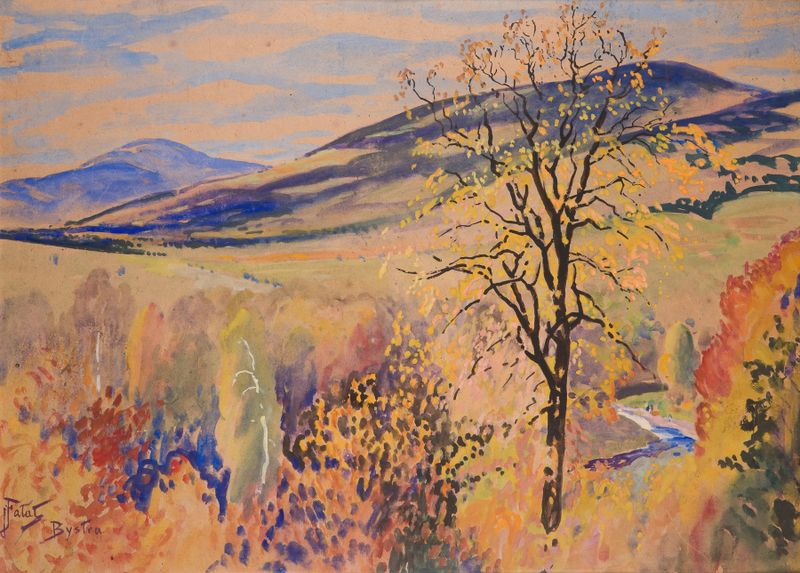
Pejzaż jesienny z Bystrej
Julian Falat
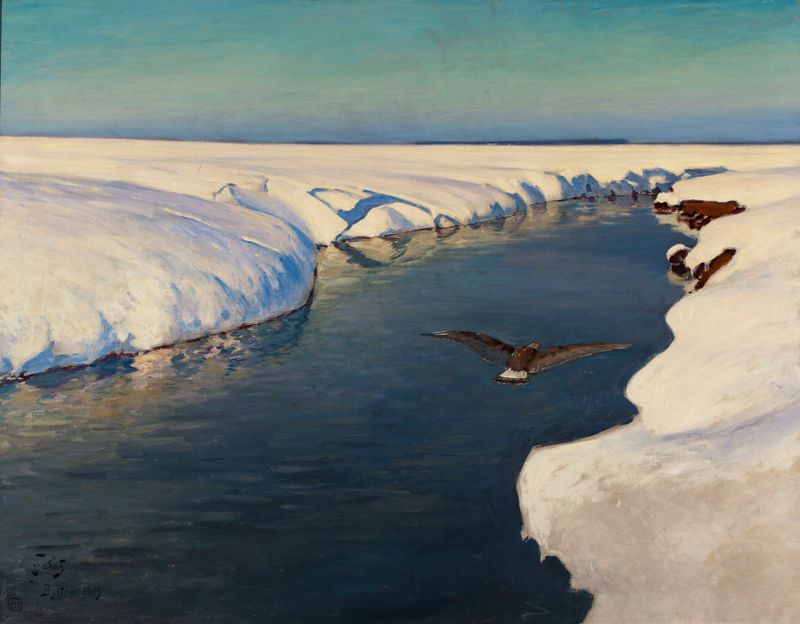
Winter landscape with a river and a bird
Julian Falat
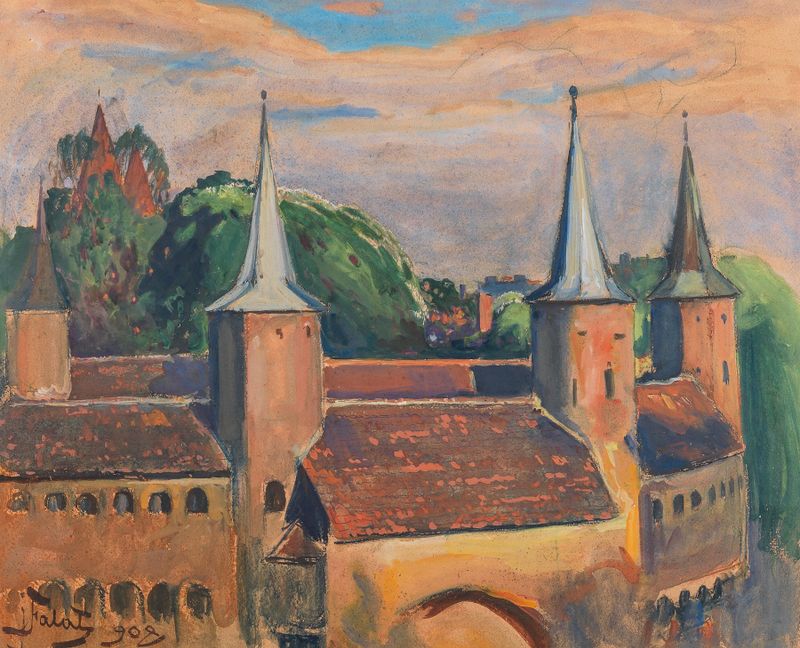
The Kraków Barbican
Julian Falat
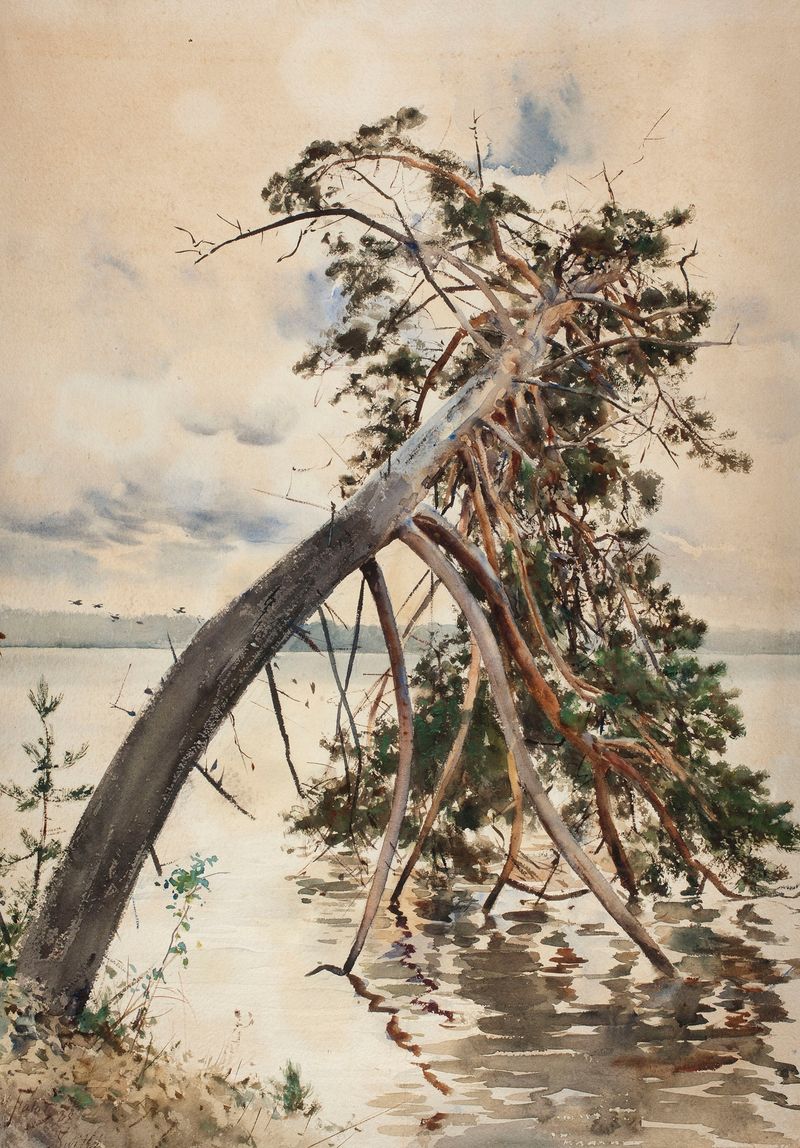
Świteź
Julian Falat
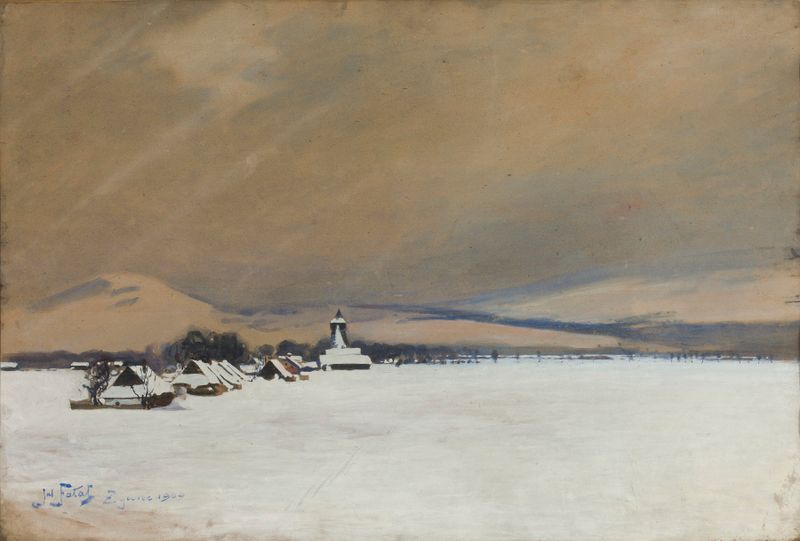
Winter landscape from Żywiec
Julian Falat
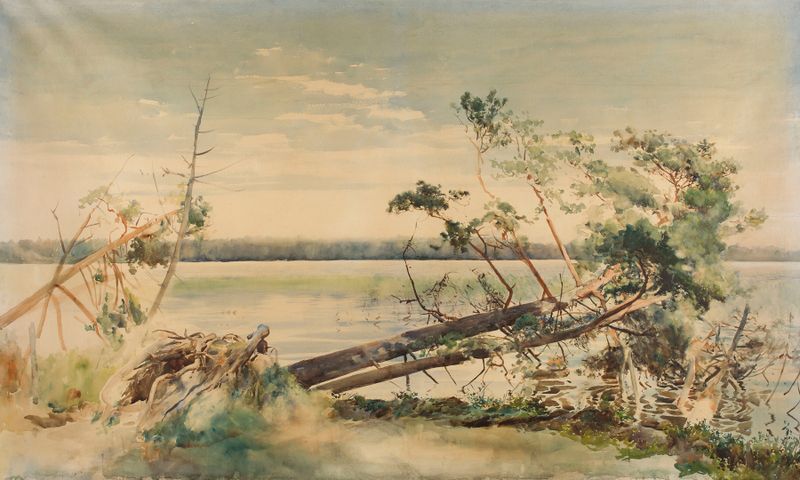
Świteź
Julian Falat
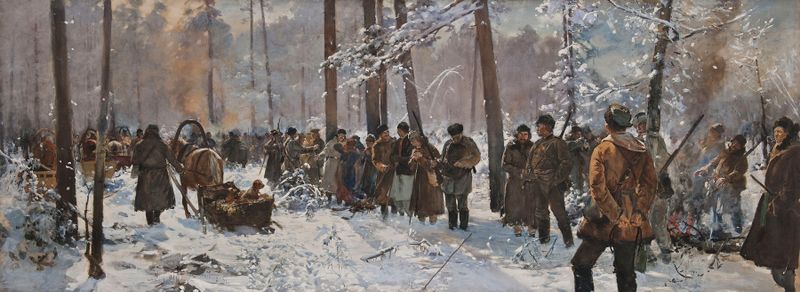
Battue at a hunt in Nieśwież
Julian Falat
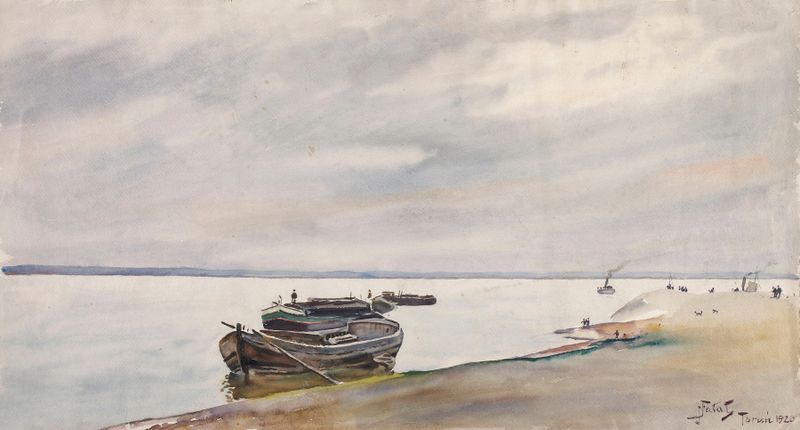
Boats and steamship on the Vistula near Toruń
Julian Falat





