
Winter Sunrise, Monadnock — History & Facts
What first catches the eye in Winter Sunrise, Monadnock is the hush of a moment caught between night and day, where the mountain’s snow-capped summit glows against a pale, awakening sky. The trees in the foreground stand in shadow, their forms merging into a dense, almost impenetrable mass, while the mountain behind them rises in a muted wash of lavender and blue. The light is not merely a backdrop but the main actor: it creeps over the horizon, illuminating the upper slopes and leaving the forest in a lingering darkness.
The painting’s palette, dominated by cool purples and warm creams, draws the viewer’s gaze upward, echoing the daily drama of winter’s dawn. The effect is one of anticipation, as if the world is holding its breath for the first full rays of sun. Created in 1917, this work belongs to a period when American artists were turning their attention to the native landscape, searching for national identity in the wild places of New England and beyond. Paintings like this, often commissioned for private homes or public collections, served as meditations on nature’s quiet power during a time of great social change.
While little is documented about the specific history of this painting, its presence in the Metropolitan Museum of Art’s collection today speaks to the enduring fascination with American scenery and the artists who sought to capture its fleeting moods. The viewer is left to wonder what stories the mountain has witnessed, and to return, again and again, to the silent promise of that winter sunrise.
More Artworks by Abbott Handerson Thayer
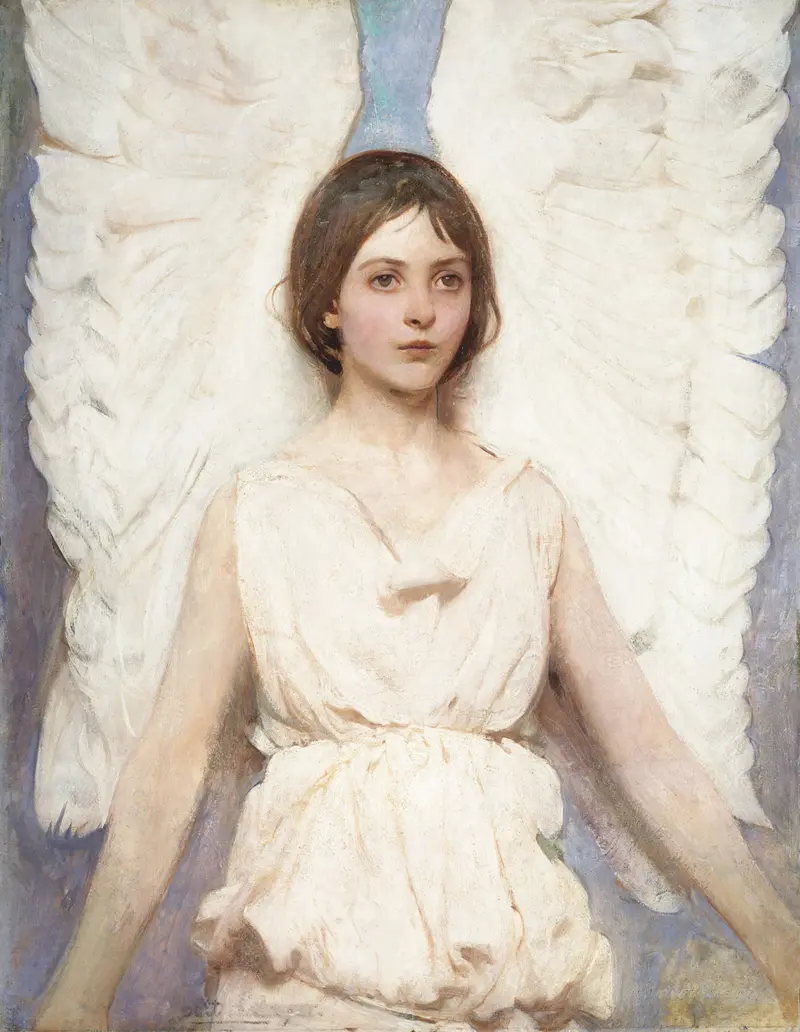
Angel
Abbott Handerson Thayer

Mount Monadnock
Abbott Handerson Thayer
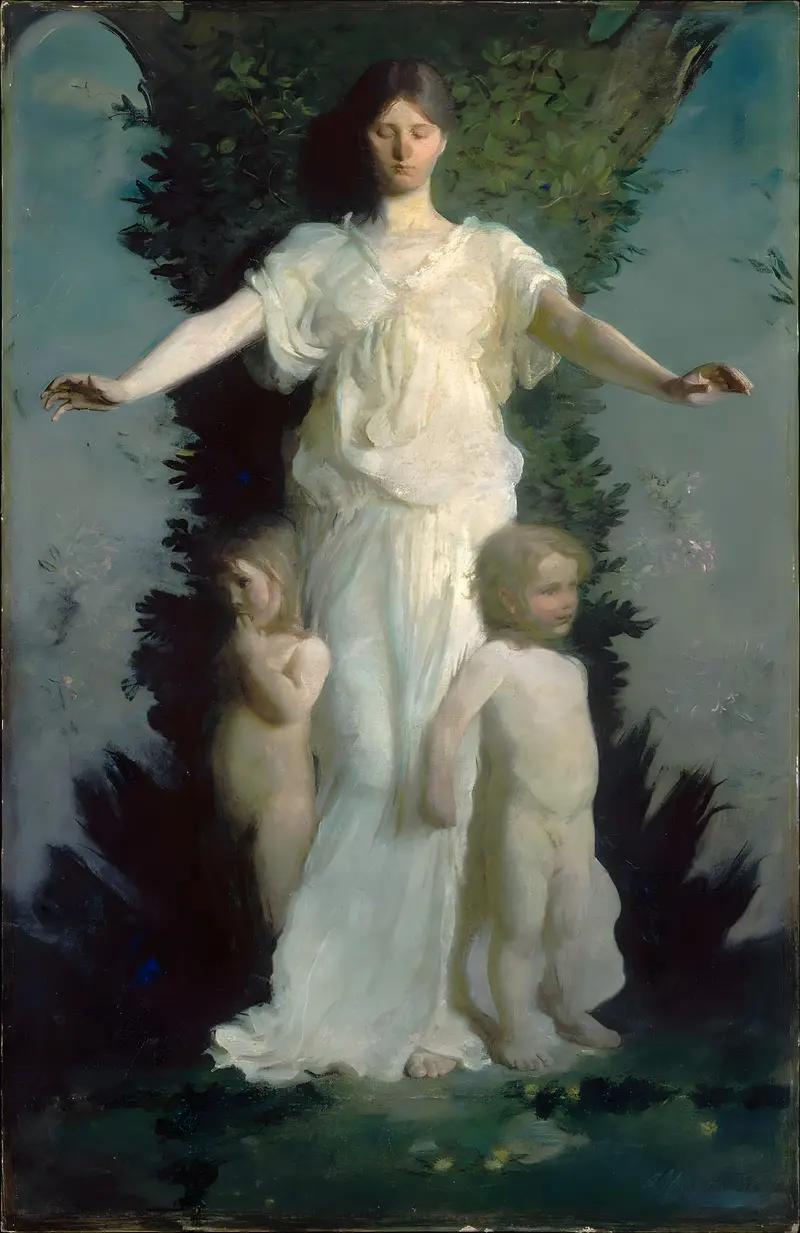
Caritas
Abbott Handerson Thayer

Winter, Monadnock
Abbott Handerson Thayer
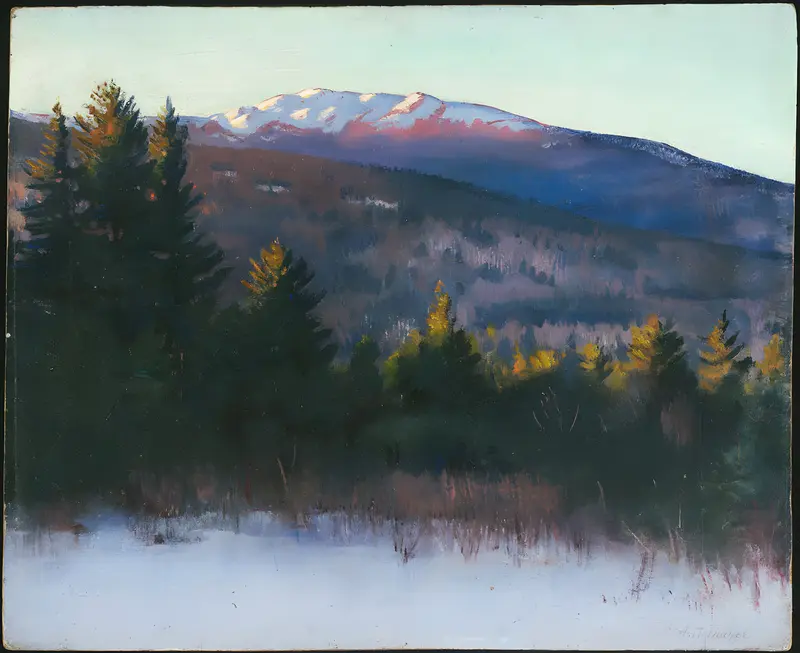
Mount Monadnock
Abbott Handerson Thayer
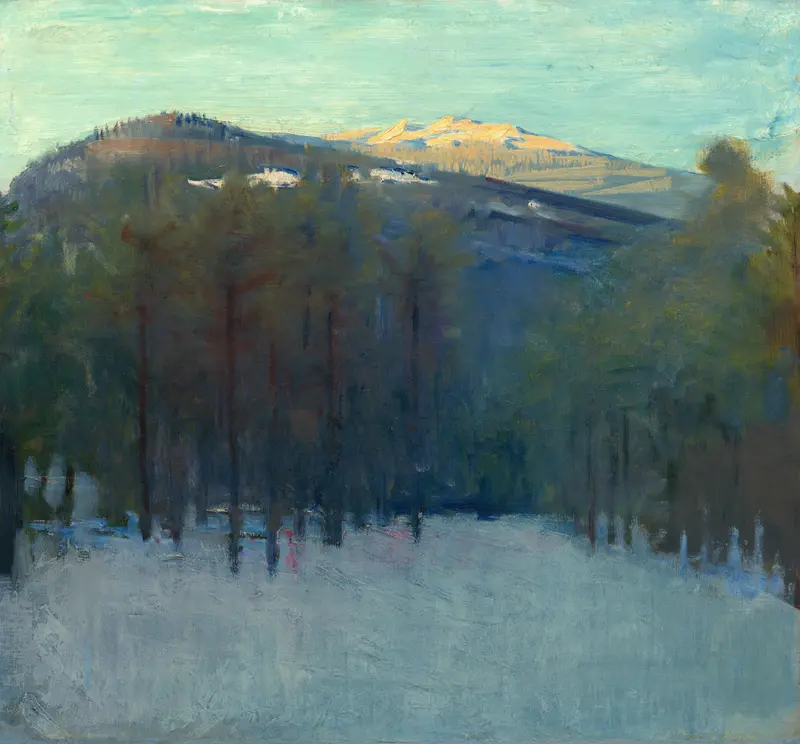
Mount Monadnock
Abbott Handerson Thayer
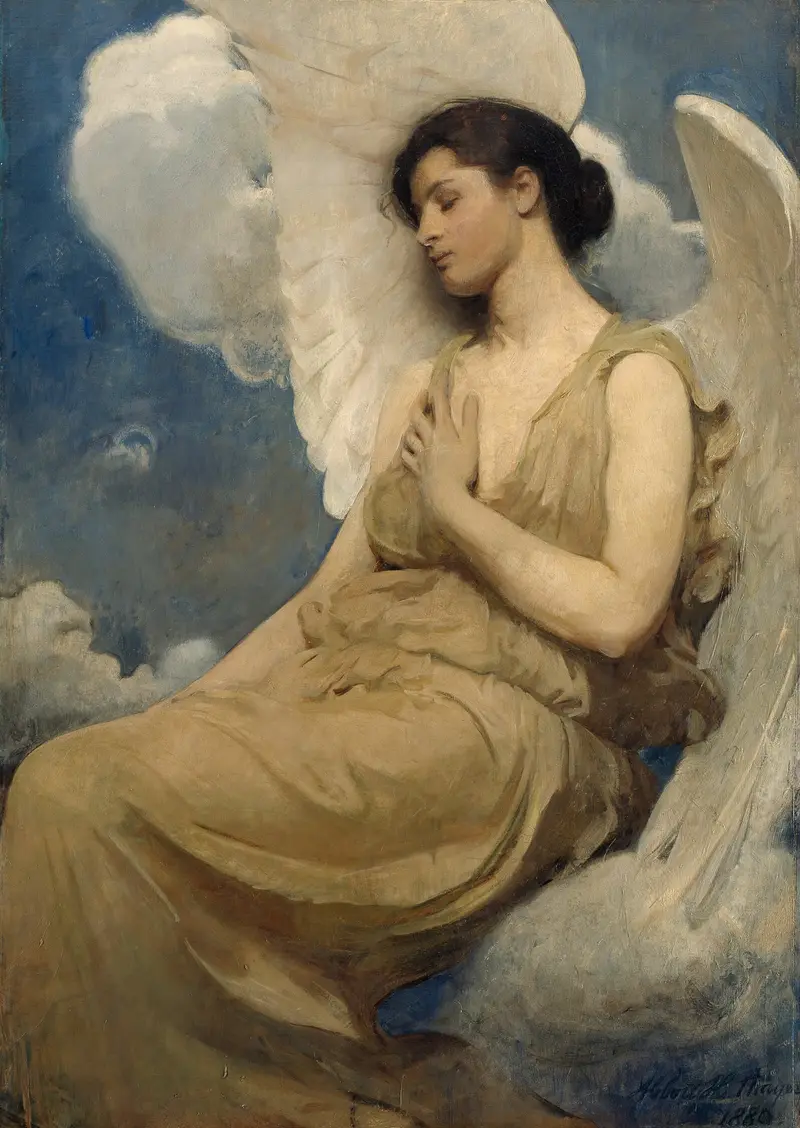
Winged Figure
Abbott Handerson Thayer
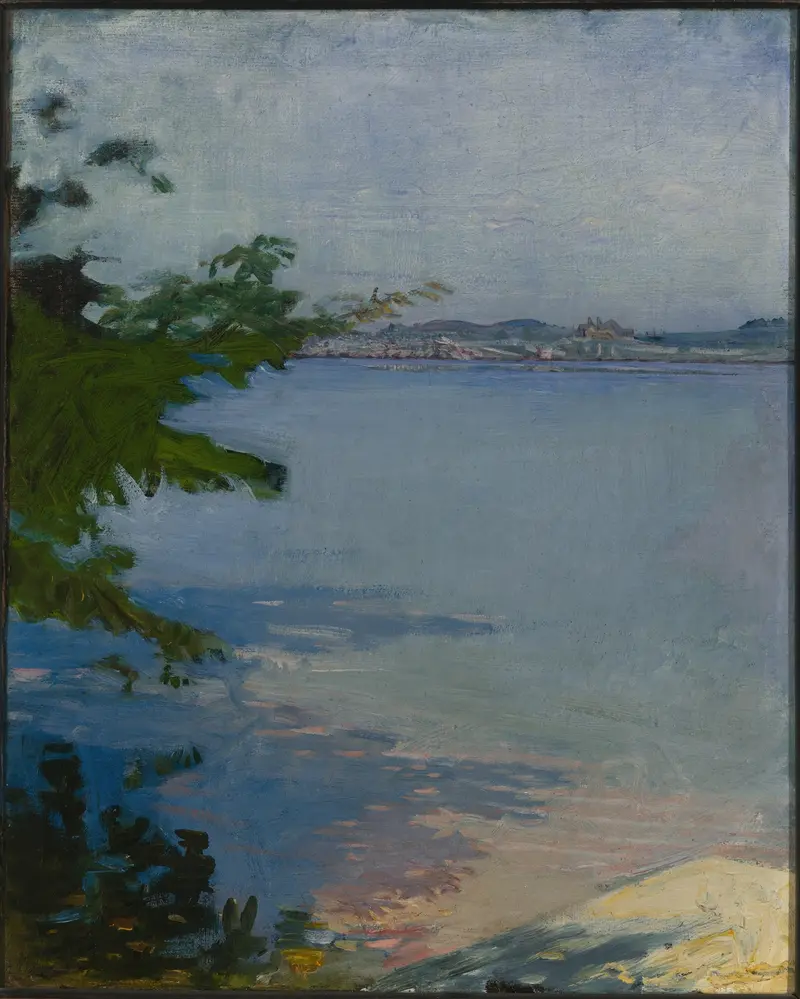
Dublin Pond, New Hampshire
Abbott Handerson Thayer
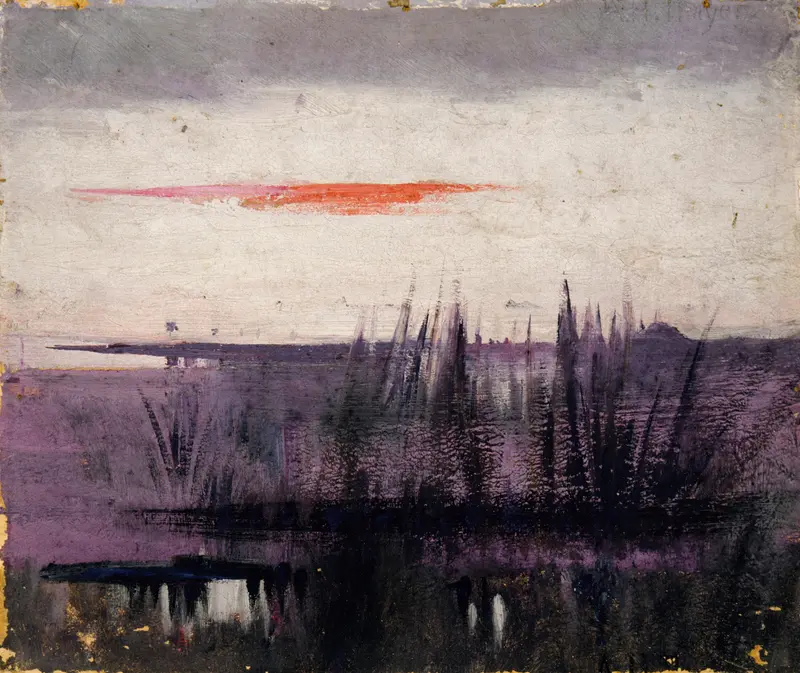
The Sky Simulated By White Flamingoes Study For Book, Concealing Coloration In The Animal Kingdom
Abbott Handerson Thayer
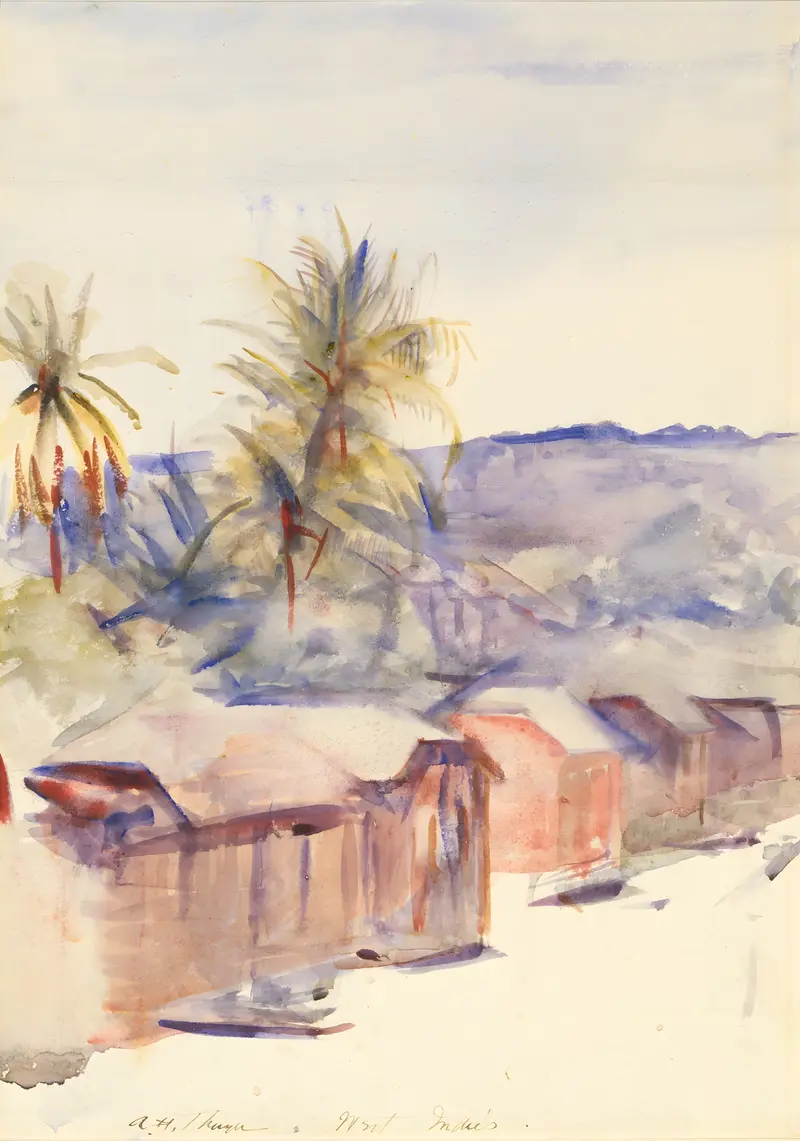
Village Street, Dominica
Abbott Handerson Thayer
More Landscape Art

The Starry Night
Vincent van Gogh

View of Delft
Johannes Vermeer

Water Lilies
Claude Monet

The Grand Canal, Venice, looking north-west from the Ca' Corner to the Ca' Contarini degli Scrigni, with the campanile of Santa Maria della Carità
Canaletto

Windsor Castle
Canaletto

The Grand Canal looking North-East from the Palazzo Dolfin-Manin to the Rialto Bridge
Canaletto