
Winterlandschaft (Winterwald) — History & Facts
What if beauty was never meant to be finished? In the glistening depths of Winterlandschaft (Winterwald), one senses the pulse of nature caught in a moment of potential transformation, urging the viewer to ponder the delicate balance between stillness and chaos. Focus on the foreground, where gentle mounds of snow cradle the tender outlines of darkened tree trunks. The artist employs a subtle palette of whites and grays, interspersed with muted greens that evoke both serenity and a hint of looming turmoil. Notice how the interplay of light breaks through the canopy, casting intricate patterns that dance upon the surface of the untouched snow.
Each brushstroke appears deliberate, yet fluid, drawing us deeper into this wintry realm, inviting contemplation of the season's dual nature—beauty interwoven with the quiet threat of encroaching change. Hidden within this ethereal setting lies a deeper tension: the juxtaposition of tranquility against the starkness of winter’s grasp. The bare branches, stark and reaching, embody a yearning for rebirth, while the stillness enveloping the scene hints at an impending transformation—perhaps a revolution of nature itself. The colors, while cool and subdued, speak volumes of the potential warmth that lies beneath the surface, revealing layers of emotion that challenge our perception of beauty as static. In 1883, Remigius Adrianus van Haanen created this piece during a period marked by a growing appreciation for naturalism in art.
In the context of changing social dynamics and industrial growth, he sought to explore the harmony between landscape and human emotion. Painting in the Netherlands, he captured the essence of winter, reflecting both the external chill and the internal warmth of the human spirit amidst a world on the cusp of transformation.
More Artworks by Remigius Adrianus van Haanen
Browse all →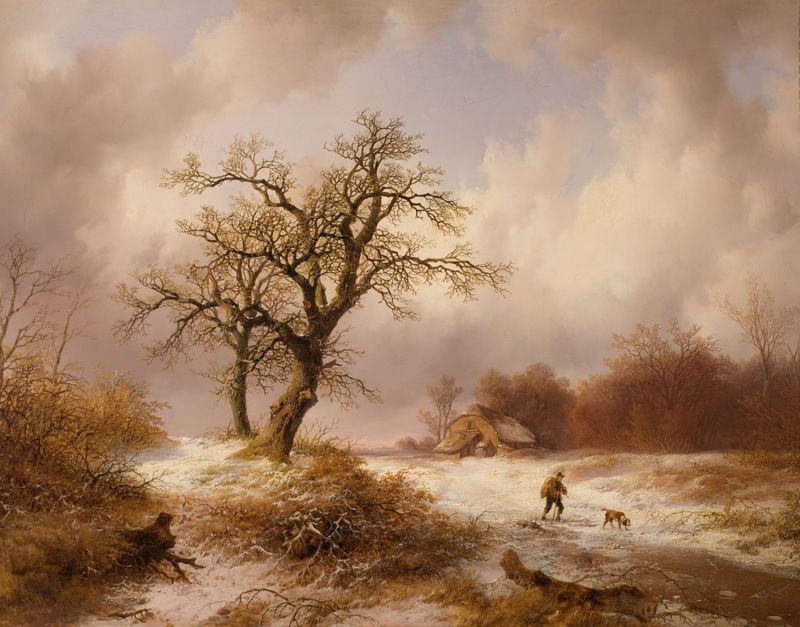
Winterlandschaft
Remigius Adrianus van Haanen
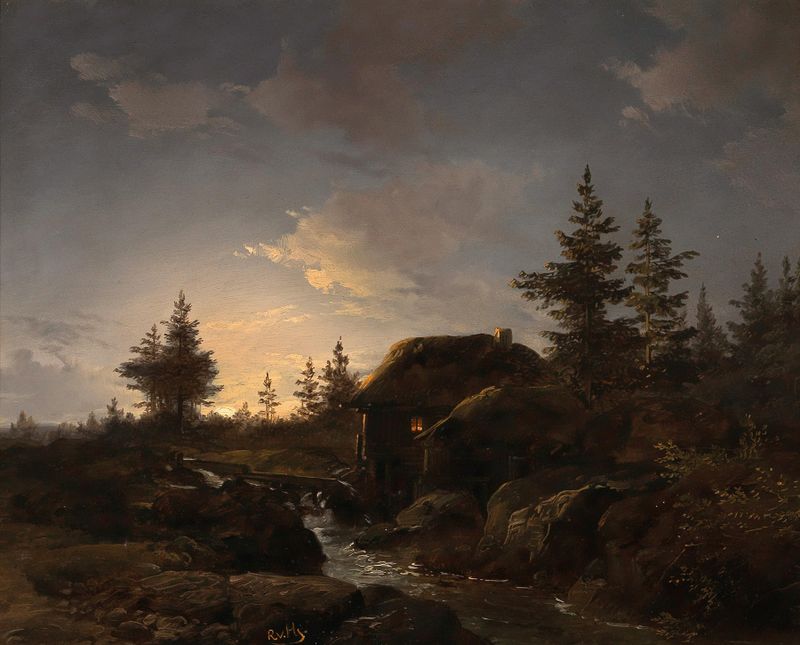
A Moonlit Night
Remigius Adrianus van Haanen
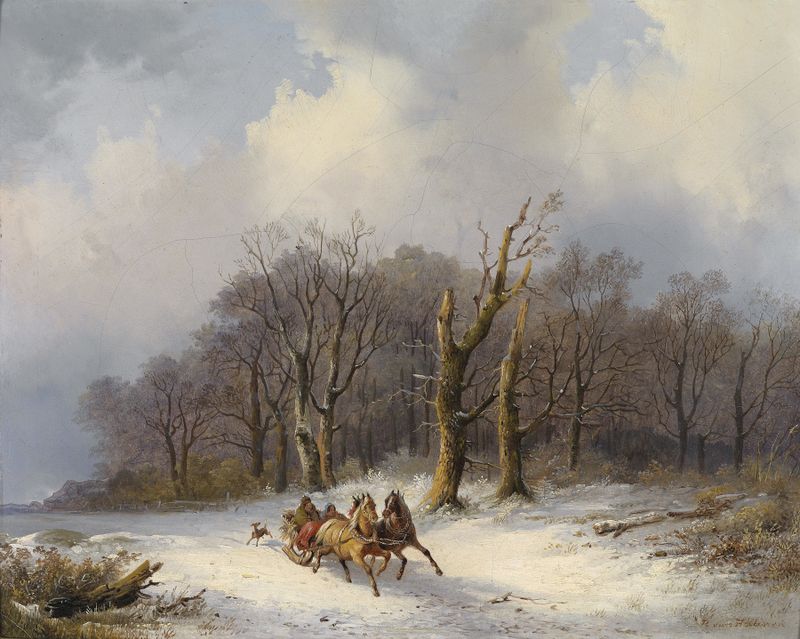
Winterlandschaft mit Pferdeschlitten
Remigius Adrianus van Haanen
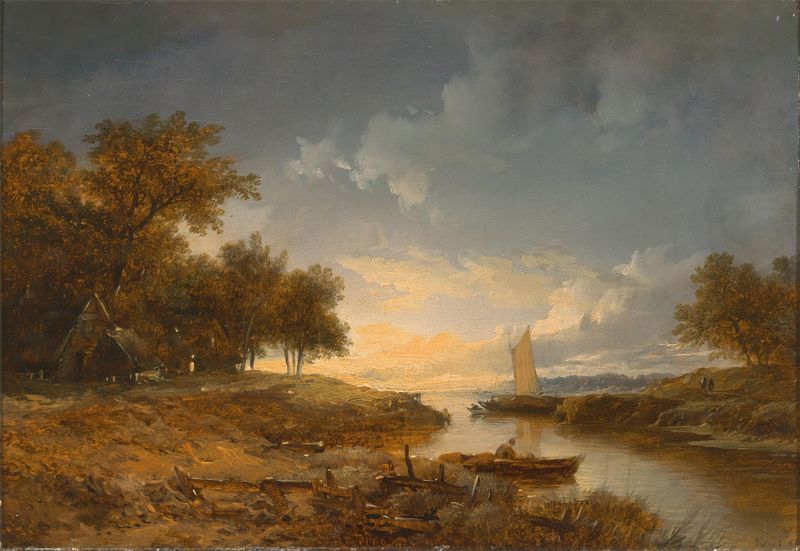
A Dutch River Landscape in the Evening Light
Remigius Adrianus van Haanen
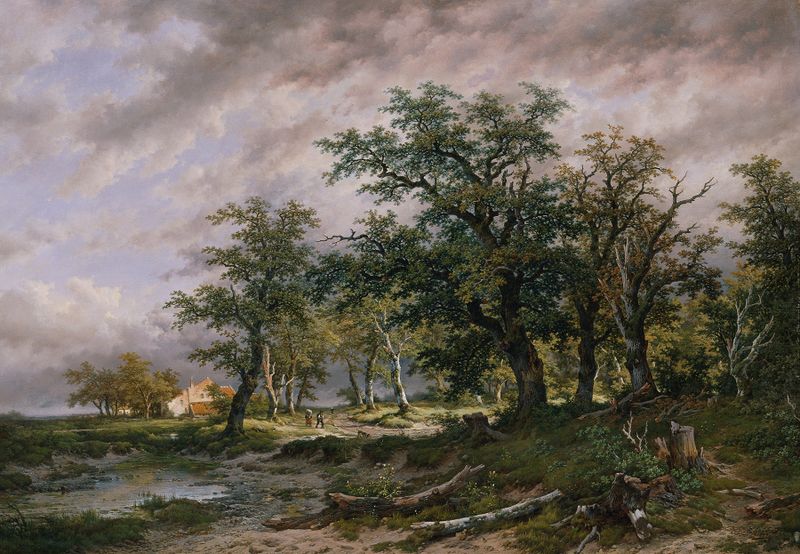
Große holländische Landschaft
Remigius Adrianus van Haanen
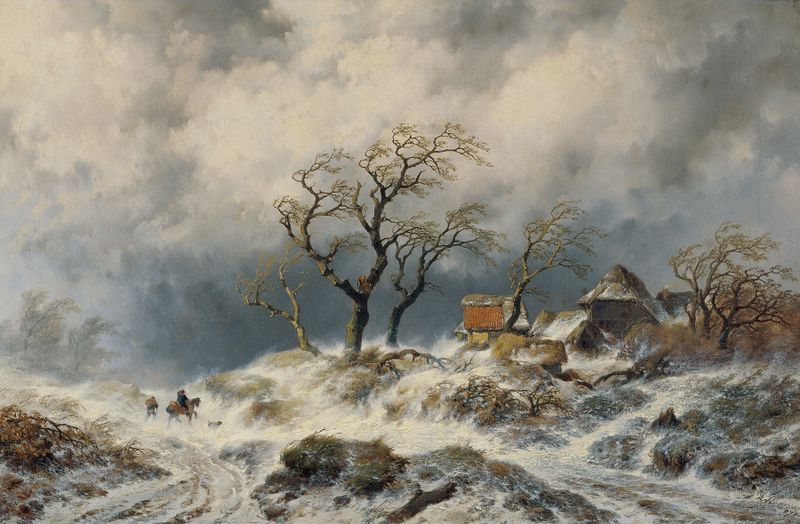
Holländische Winterlandschaft (Schneewehen)
Remigius Adrianus van Haanen
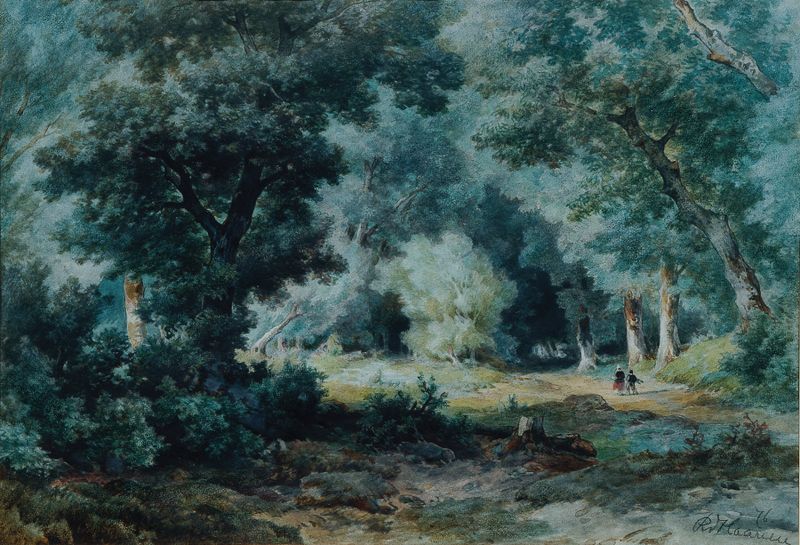
Waldinneres
Remigius Adrianus van Haanen
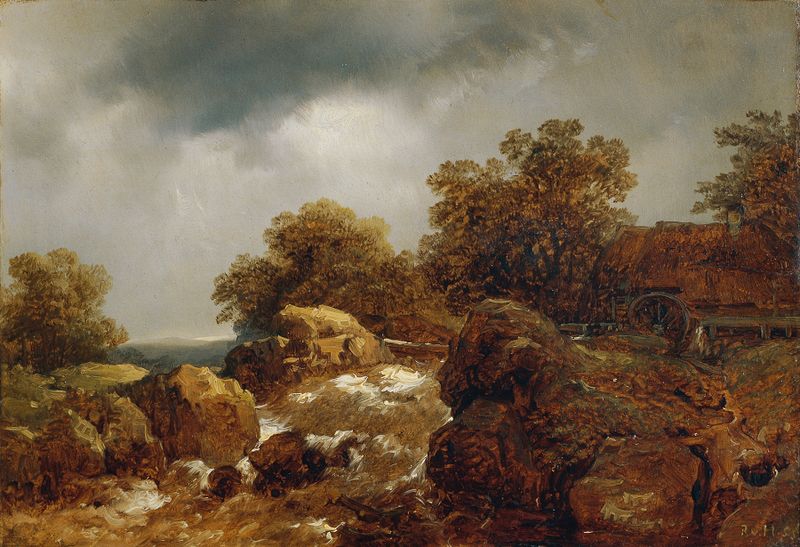
Felsige Landschaft
Remigius Adrianus van Haanen
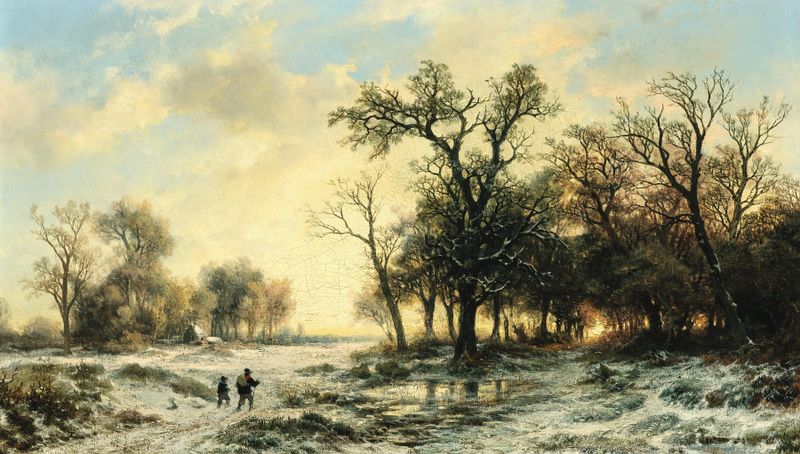
Returning Home at Dusk in Winter
Remigius Adrianus van Haanen
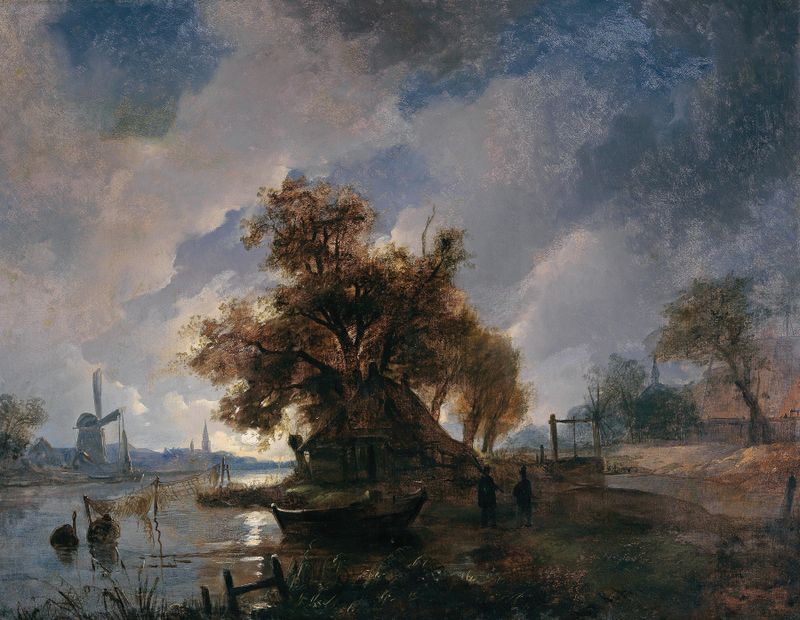
Holländische Flusslandschaft
Remigius Adrianus van Haanen





