
Woman and Child on a River Bank — History & Facts
In the silence of nostalgia, we find ourselves wandering through the fleeting moments of life, where each memory paints its own unique hue. Focus on the gentle curve of the riverbank, where the figures of a woman and child linger in tranquil companionship. The artist's delicate brushwork captures the essence of their intimate connection, while muted greens and pale blues evoke a sense of harmony with nature. Notice how the soft light bathes their faces, illuminating a moment that feels both timeless and fragile.
The flowing water acts as a silent witness, reflecting the serenity of their shared experience. Dig deeper, and you’ll find a poignant contrast between the innocence of the child and the wisdom of the woman, hinting at the passage of time. The rippling water may symbolize the constant flow of life, reminding us that moments like these are ephemeral. Each detail, from the child’s outstretched hand to the woman's gentle gaze, invites contemplation of love, care, and the bittersweet nature of remembrance. In 1823, Johan Christian Dahl painted this poignant scene while residing in Dresden, a city flourishing with artistic innovation.
At the time, romanticism was sweeping through Europe, encouraging artists to depict nature and human emotion in novel ways. Dahl, often regarded as the first Norwegian painter to gain international recognition, sought to capture the beauty of the natural world while reflecting on the deeper connections that bind us to one another.
More Artworks by Johan Christian Dahl
Browse all →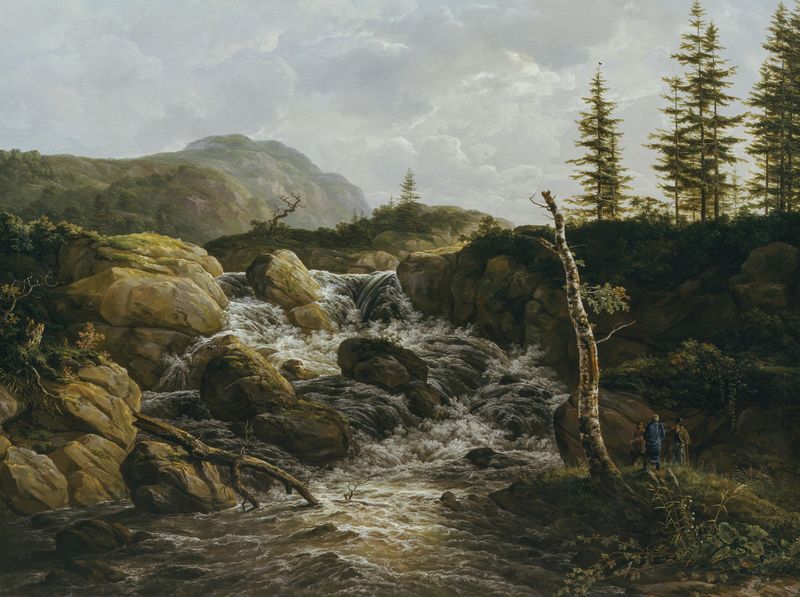
Mountainous Landscape with a Waterfall, Norway
Johan Christian Dahl
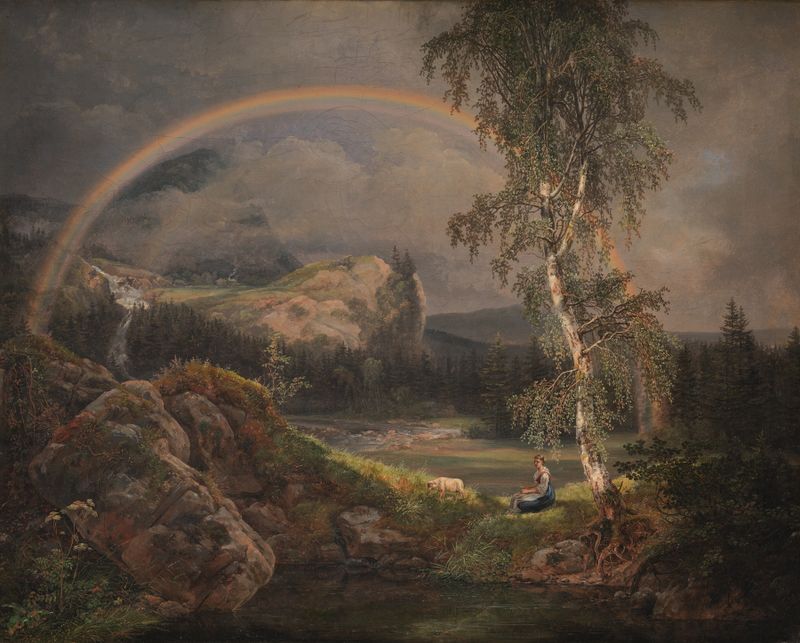
Norwegian Landscape with a Rainbow
Johan Christian Dahl
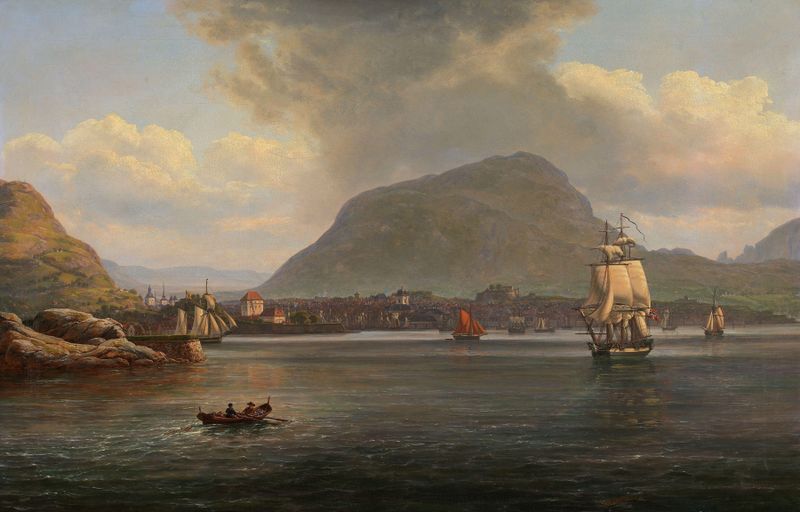
Bergen seen from the northern Inlet
Johan Christian Dahl
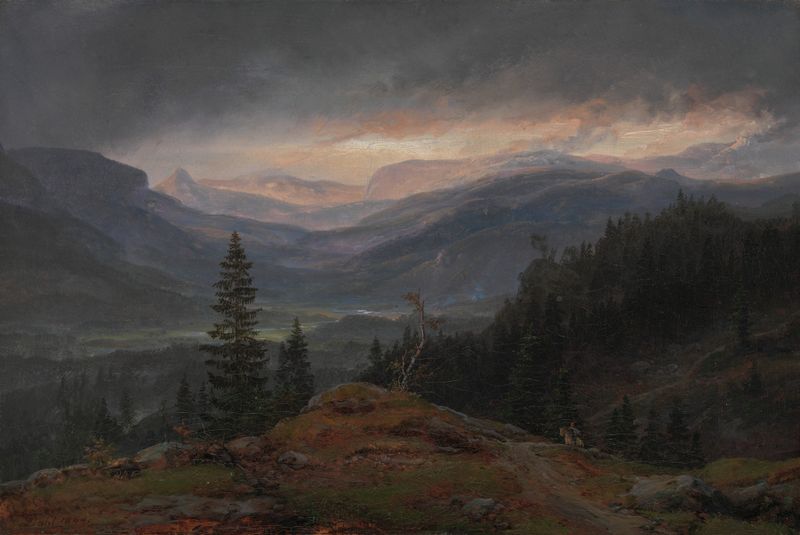
View over Hallingdal
Johan Christian Dahl
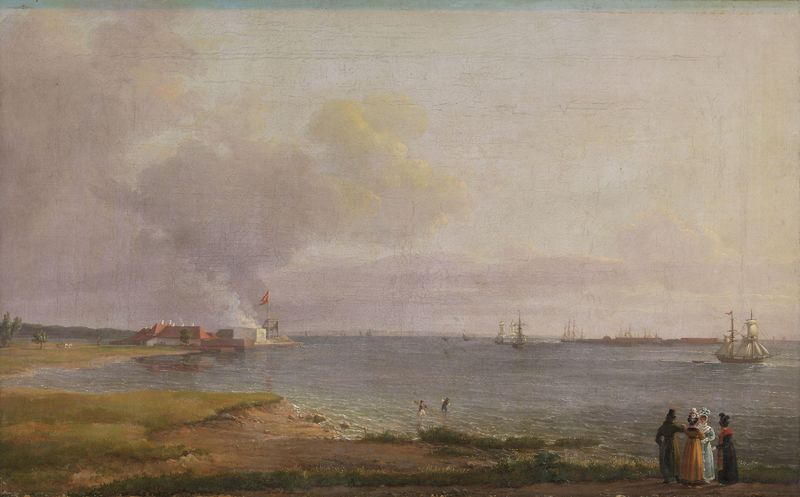
View over Øresund near the Lime Works
Johan Christian Dahl
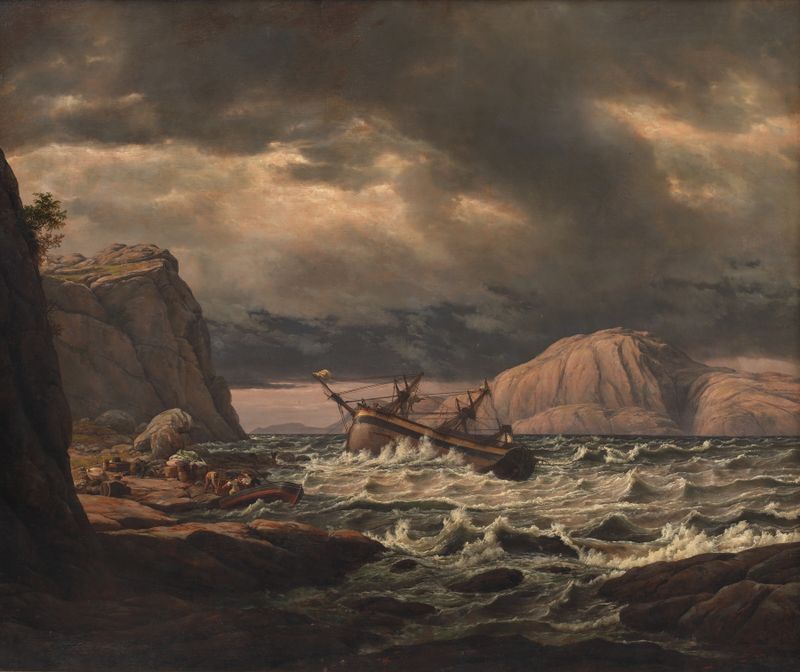
A Shipwreck on the Coast of Norway
Johan Christian Dahl
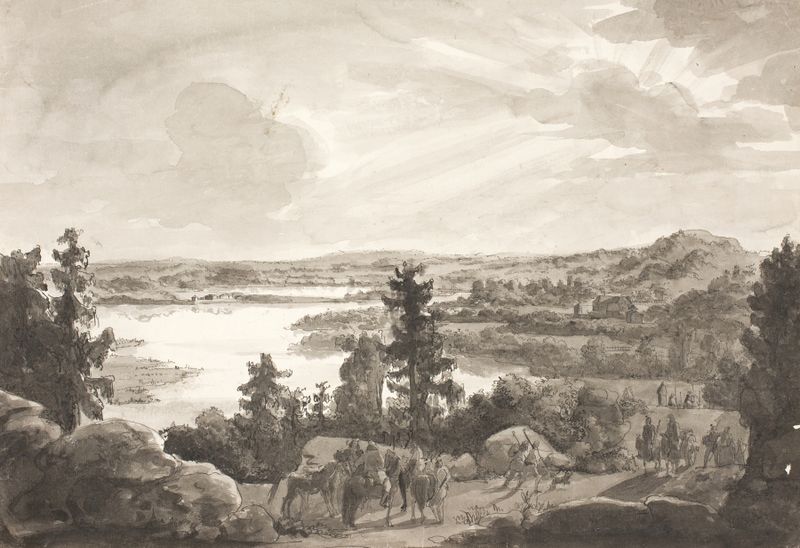
View of a Lake, Norway
Johan Christian Dahl
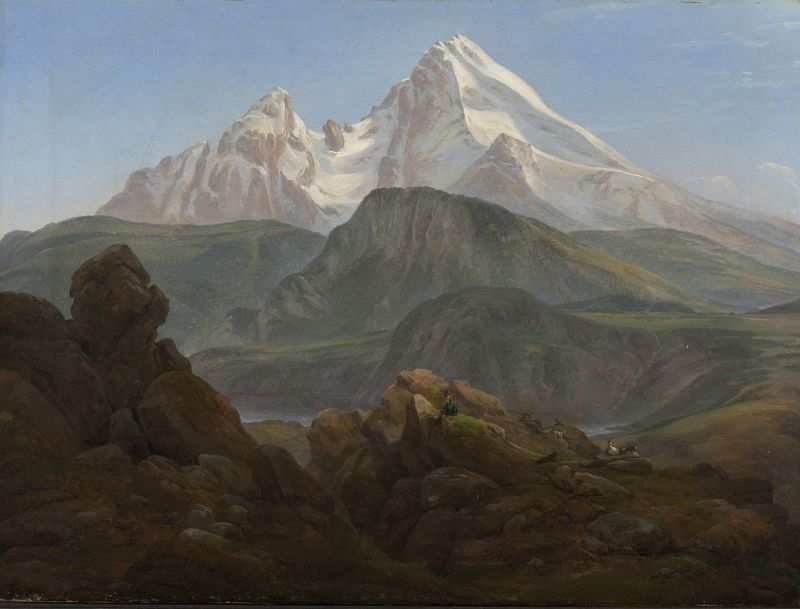
The Watzmann
Johan Christian Dahl
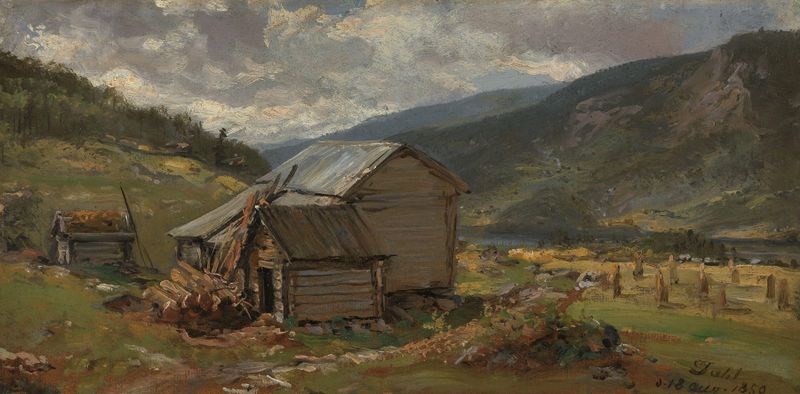
View of Hjelle in Valdres
Johan Christian Dahl

View At Skjolden In Lyster
Johan Christian Dahl





