
Woman at Prayers — History & Facts
Who listens when art speaks of silence? In a world overflowing with noise, the stillness of a solitary figure at prayer reveals an underlying tension, where fear may emerge in the quiet corners of the soul. Look to the left at the woman's bowed head, her expression shrouded in contemplation. Notice how the artist uses rich, earthy tones that envelop her, creating a sanctuary within the canvas. The warm light casts soft shadows, accentuating the contours of her form and the stark simplicity of the space around her.
The depth of color invites the viewer to explore not just the figure but the emotional weight she carries, as if the very air vibrates with unspoken worries. The contrast between her serenity and the palpable sense of isolation speaks volumes. Each brushstroke conveys a potent mix of devotion and vulnerability, illuminating how faith can coexist with an underlying fear—fear of abandonment, of unanswered prayers, or of the unknown. The slight tilt of her shoulders suggests a burden, inviting us into her moment of introspection and shared humanity. Constant Permeke painted Woman at Prayers in 1925, during a period of personal and artistic transformation.
Living in Belgium, he was grappling with the aftermath of World War I and the societal shifts that followed. His work during this time often reflected his fascination with the human condition, capturing the intersection of strength and fragility that characterizes the struggle for meaning amid chaos.
More Artworks by Constant Permeke
Browse all →
Aardappelrooister
Constant Permeke
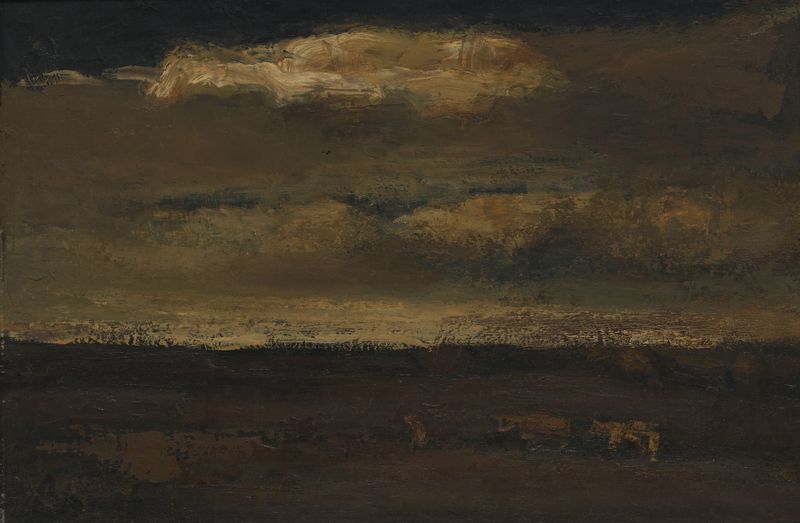
Donker landschap
Constant Permeke

Landschap
Constant Permeke
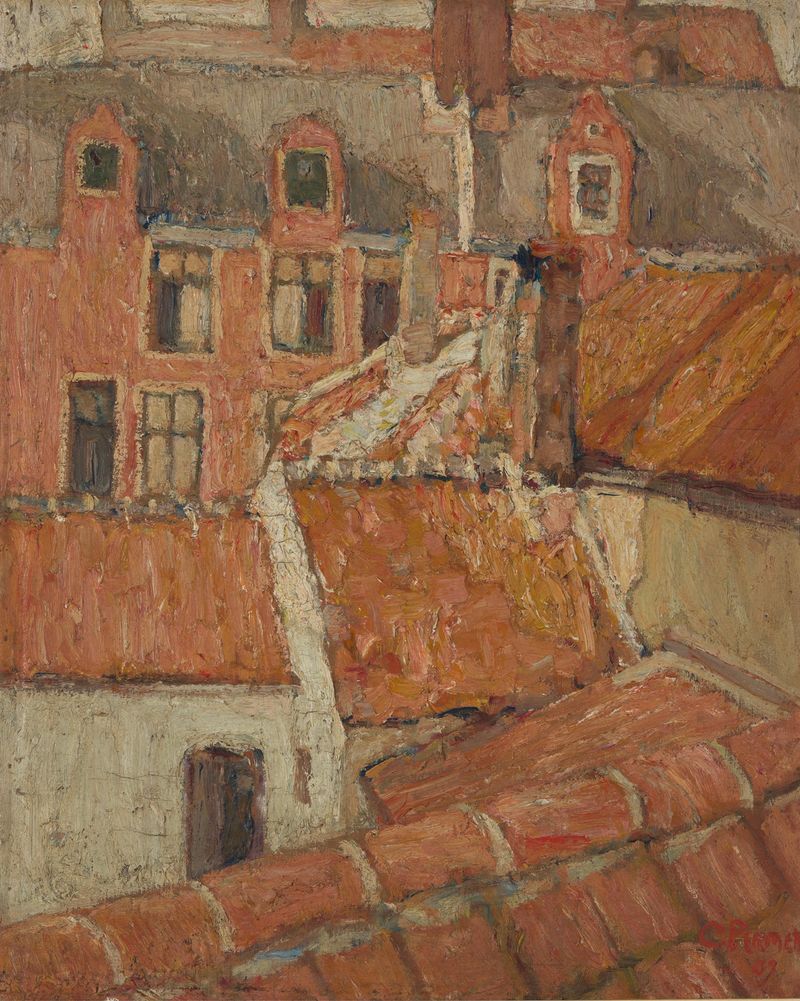
Daken te Oostende
Constant Permeke
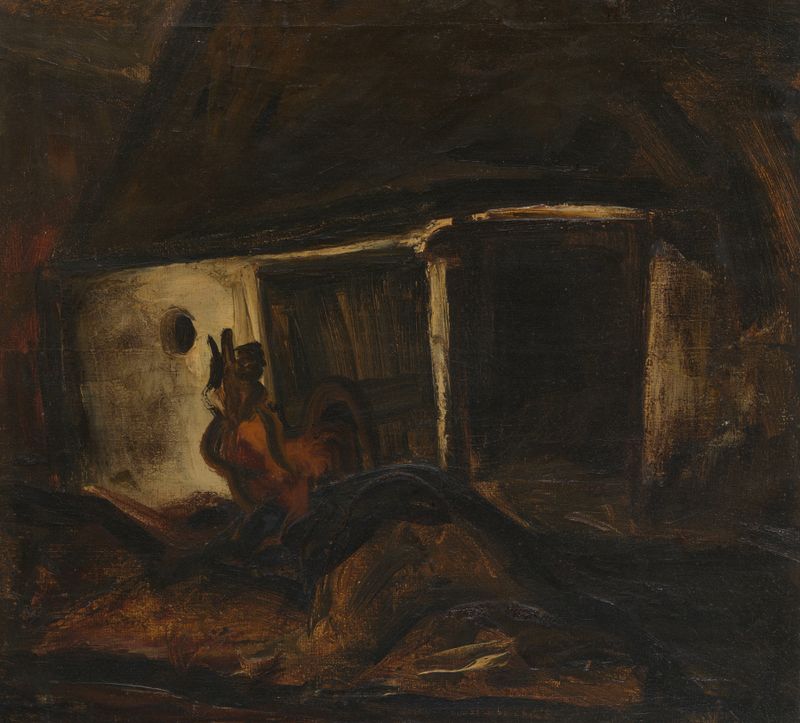
Haan op mesthoop
Constant Permeke
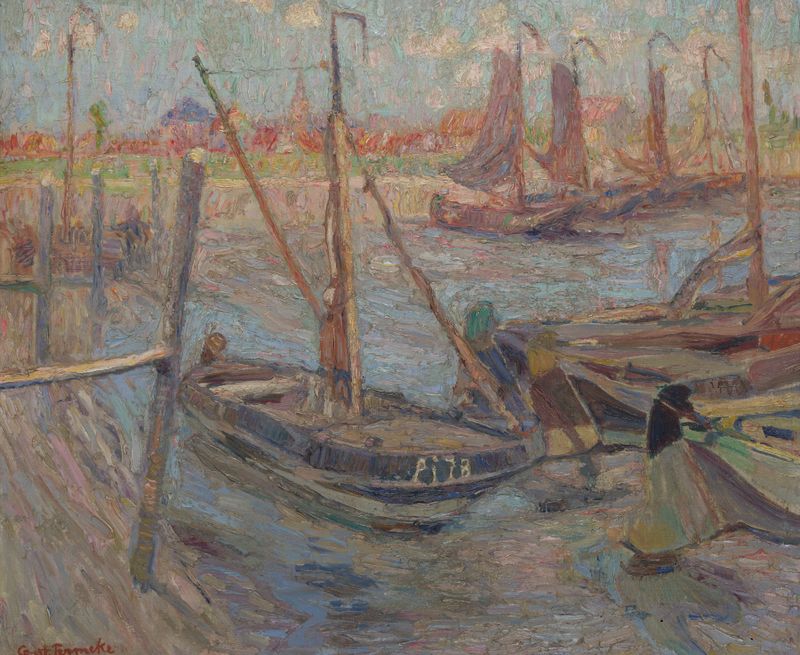
Havendok te Gent-Terneuzen
Constant Permeke

Landschap in februari
Constant Permeke
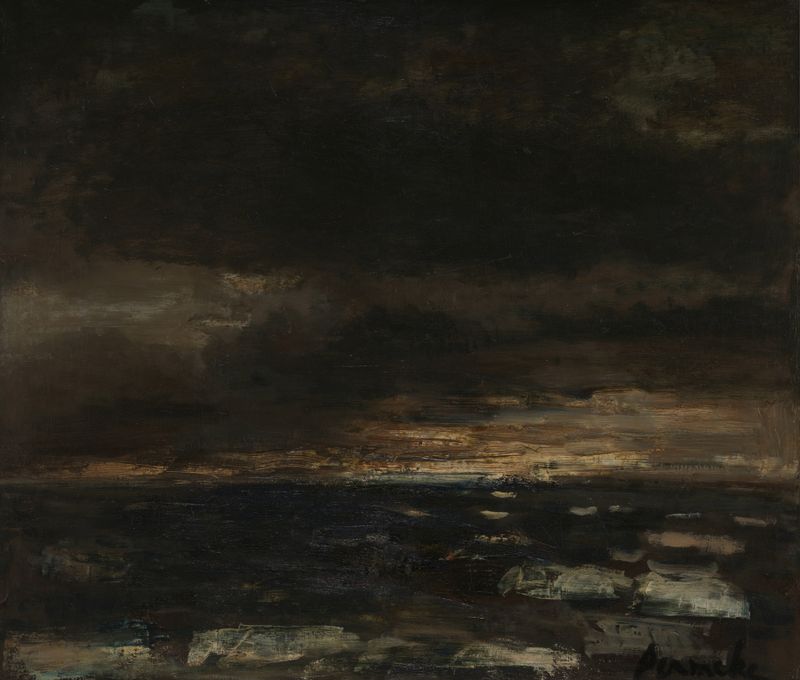
Sombere marine
Constant Permeke

Jabbeke in 1940
Constant Permeke

Sneeuwlandschap in de Ardennen
Constant Permeke
More Religious Art
Browse all →
The Return of the Prodigal Son
Rembrandt van Rijn

The Garden of Earthly Delights
El Bosco

Count Orgaz’ funeral
El Greco

The Hundred Guilder Print: the central piece with Christ preaching, the plate arched
Rembrandt van Rijn

The Descent from the Cross
Rogier van der Weyden

The return of the prodigal son
Rembrandt van Rijn