
Woman bathing her feet at a brook — History & Facts
In Woman bathing her feet at a brook, innocence finds its soft echo within the gentle flow of a quiet stream, capturing a moment suspended between the mundane and the sacred. Look to the center of the canvas, where the woman kneels with a serene grace, her bare feet immersed in the cool water. Notice the meticulously rendered textures of her garments, where soft light dances across the fabric, illuminating the folds and casting delicate shadows. The lush greens surrounding her create a natural frame, contrasting with the subtle earth tones of her attire, grounding her in this tranquil setting. Yet, beyond the serene surface lies a deeper narrative.
The act of bathing signifies not just physical cleansing but an emotional sanctuary, a moment of introspection amidst life’s chaos. Observe the slight dip of her head, hinting at vulnerability and contemplation, while the brook, with its gentle ripples, invites us to ponder the passage of time and innocence lost. The interplay of light and shadow evokes the fragility of this transient moment, a reminder of the beauty found in simplicity. Rembrandt created this piece in 1658 during a period marked by personal and professional trials.
Living in Amsterdam, he faced financial difficulties and the loss of loved ones, yet he continued to explore themes of human emotion and intimacy in his art. This painting reflects his mastery of light and psychological depth, revealing a poignant facet of the human experience that resonates through the ages.
More Artworks by Rembrandt van Rijn
Browse all →
The Night Watch Militia Company of District II under the Command of Captain Frans Banninck Cocq
Rembrandt van Rijn

The Return of the Prodigal Son
Rembrandt van Rijn

The Hundred Guilder Print: the figures leaning on the wall in the centre left
Rembrandt van Rijn

The Hundred Guilder Print: the central piece with Christ preaching, the plate arched
Rembrandt van Rijn

Isaac and Rebecca, Known as ‘The Jewish Bride’
Rembrandt van Rijn
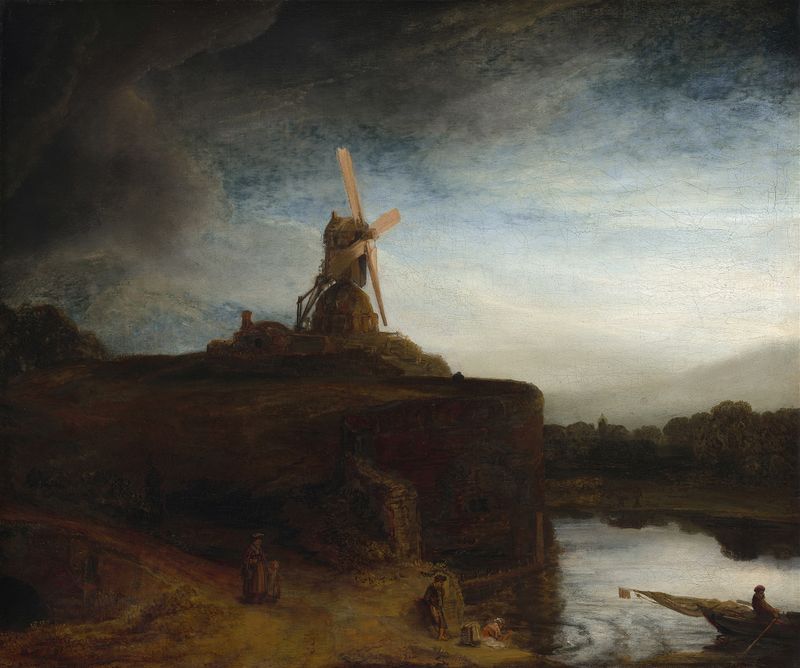
The Mill
Rembrandt van Rijn

The Sampling Officials of the Amsterdam Drapers’ Guild, Known as ‘The Syndics’
Rembrandt van Rijn

The return of the prodigal son
Rembrandt van Rijn
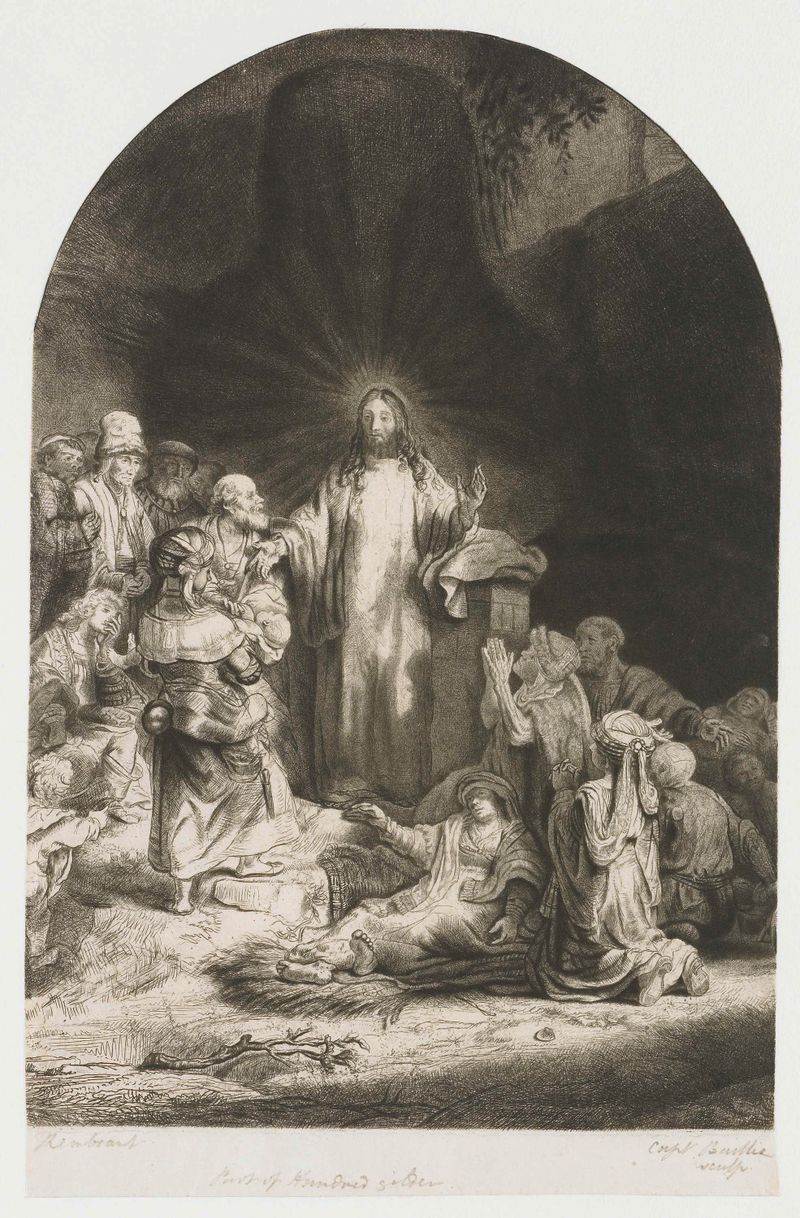
The Hundred Guilder Print: the central piece with Christ preaching, the plate arched
Rembrandt van Rijn

The Hundred Guilder Print: the man seen on the back in the lower left corner
Rembrandt van Rijn





