
Woman on the stairs — History & Facts
A hush seems to hang over the stairwell in Woman on the stairs, as if the very air is waiting for the figure to take her next step. The woman's silhouette, caught in profile and bathed in a warm, golden light, draws the eye upward and into the scene. She pauses, apron gathered in her hands, her face turned just enough to suggest thought or perhaps hesitation.
The deep shadow at the base of the stairs anchors the viewer, while the ascending lines of the walls and steps pull us toward the illuminated landing, creating a quiet tension between movement and stillness. Every detail—the crisp edge of her cap, the careful geometry of the architecture—serves to heighten the sense of a private moment, suspended. Painted around 1825, this work belongs to the world of Caspar David Friedrich, a period when German Romanticism sought to capture not only landscapes but also the inner landscapes of solitude and reflection. While Friedrich is best known for his windswept vistas and lone wanderers, here he turns inward, using the domestic interior as a stage for contemplation.
Such paintings were often made for private homes or collectors who valued scenes of introspective quiet, a counterpoint to the turbulence of the age. The painting’s documented presence in collections ranging from church archives to auction houses and digital libraries speaks to its journey through time, even as the details of its early history remain elusive. The viewer is left to wonder what lies beyond the turn of the stairs—and to linger, just a moment longer, in the golden hush.
More Artworks by Caspar David Friedrich

The Sea of Ice
Caspar David Friedrich
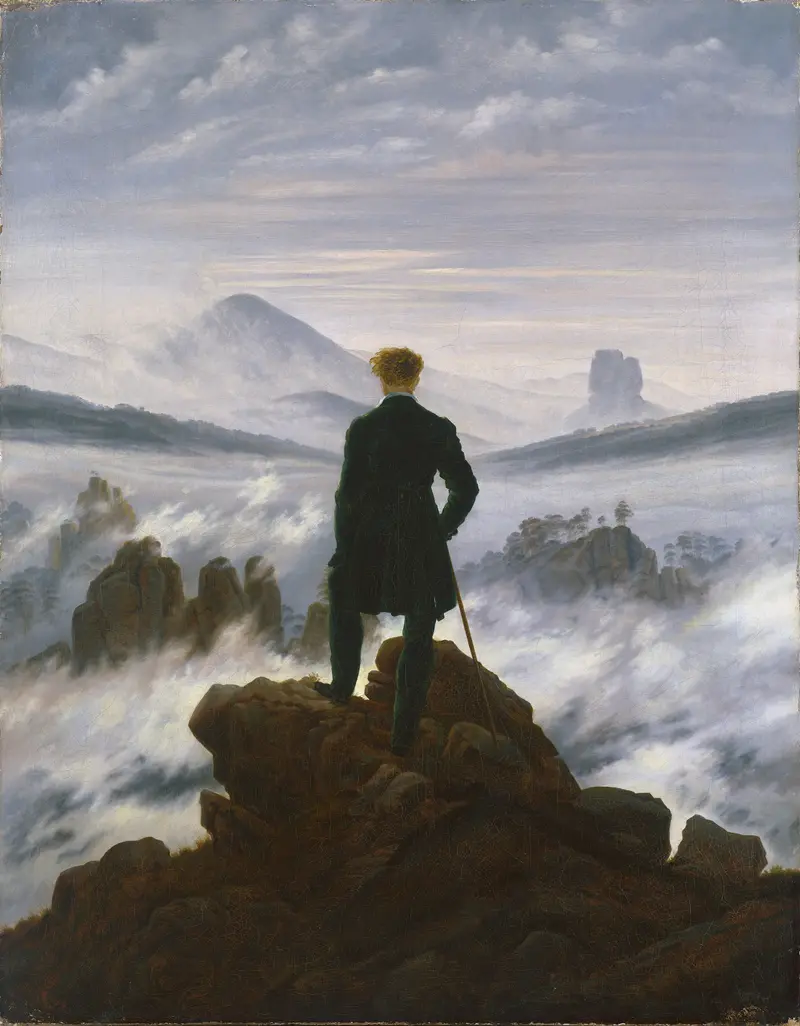
Wanderer above the Sea of Fog
Caspar David Friedrich
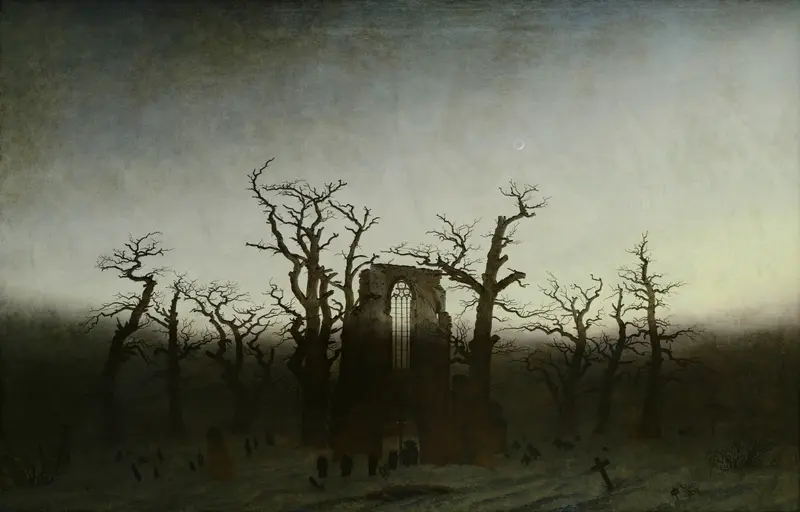
The Abbey in the Oakwood
Caspar David Friedrich
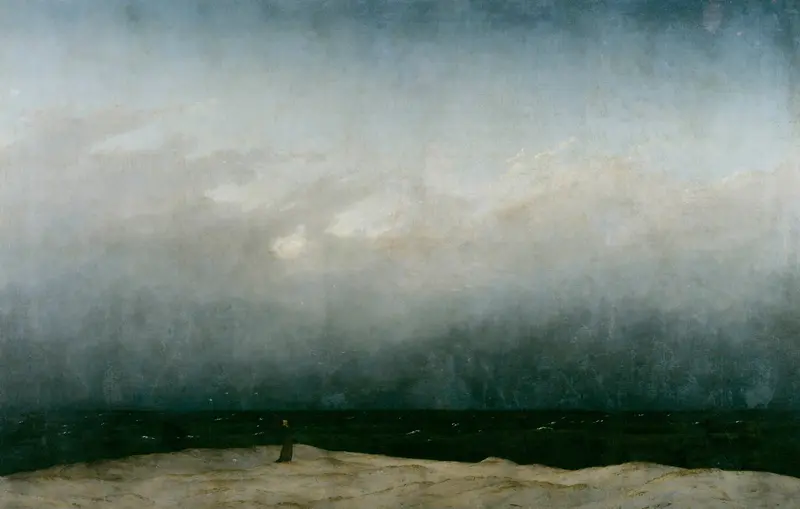
The Monk by the Sea
Caspar David Friedrich
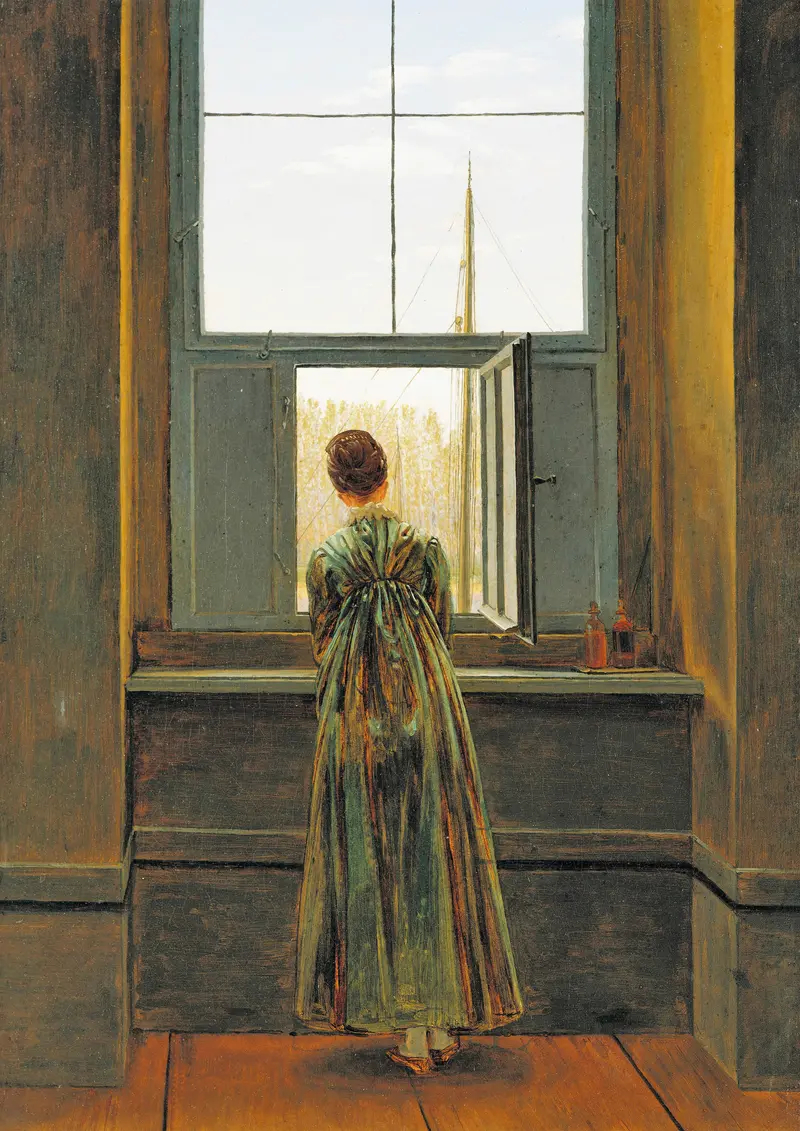
Woman at a Window
Caspar David Friedrich
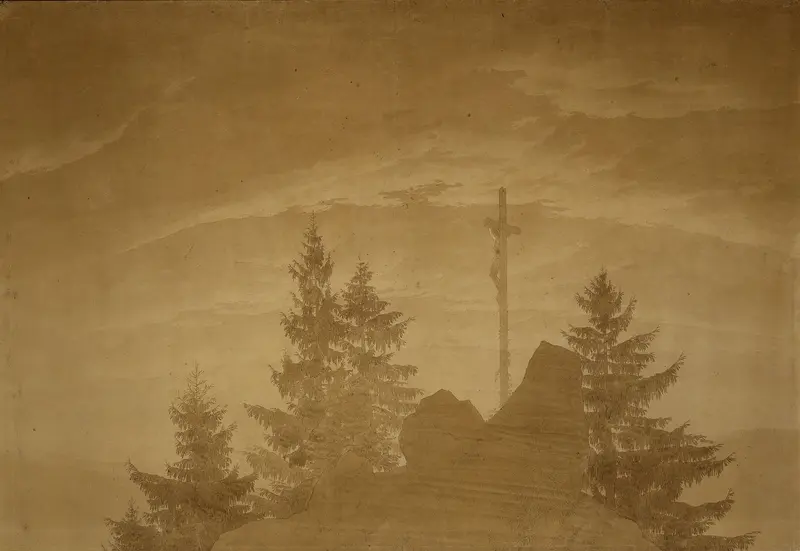
Cross in the Mountains
Caspar David Friedrich
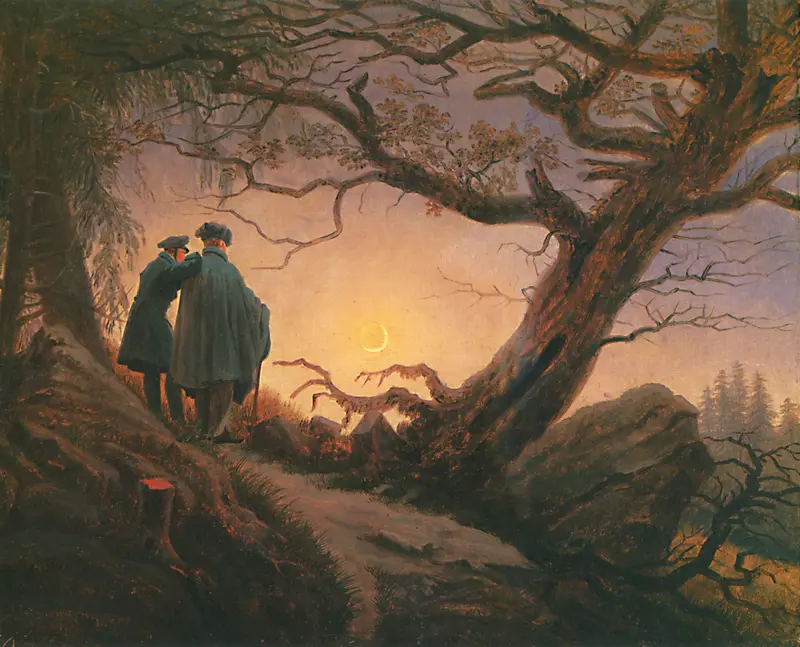
Two Men Contemplating the Moon
Caspar David Friedrich
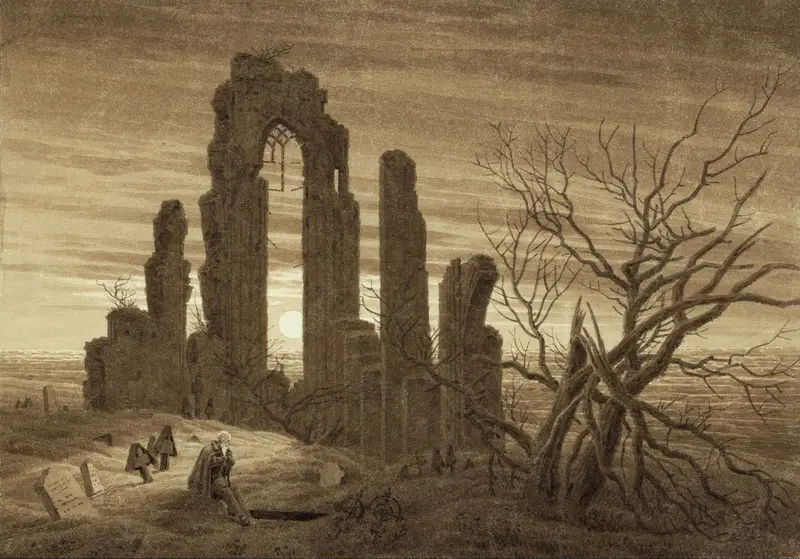
Winter – Night – Old Age and Death (from the times of day and ages of man cycle of 1803)
Caspar David Friedrich
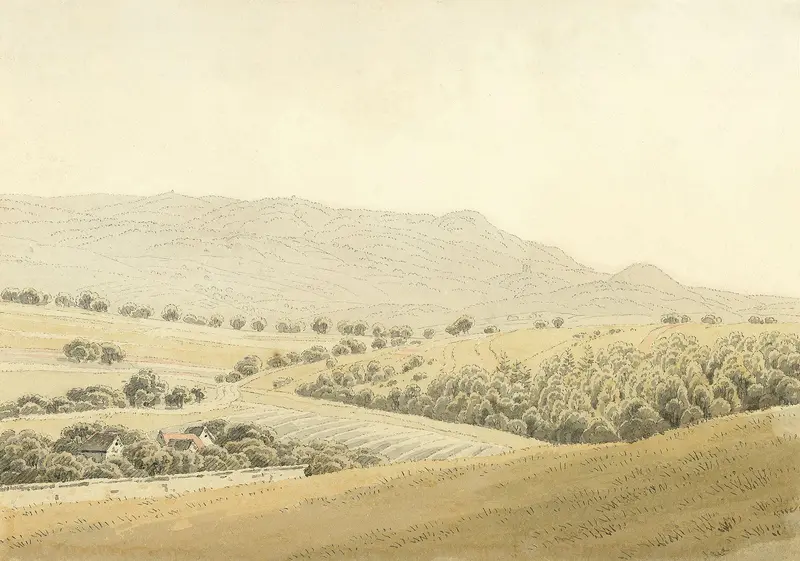
Mittelgebirgslandschaft
Caspar David Friedrich

Landschaft mit gebirgsee, morgen
Caspar David Friedrich





