
Woman Reading — History & Facts
In Woman Reading, we see a woman seated comfortably in an elegant interior. The color palette consists of soft pastels, with warm tones dominating the scene. She is engrossed in a book, her expression reflecting concentration and tranquility.
The setting is adorned with ornate details, characteristic of the Rococo style. The painting is executed in oil on canvas, typical of the period's technique. Lépicié employs delicate brushwork to create texture in the woman's clothing and the surrounding decor. The composition is balanced, with the figure placed centrally, drawing the viewer's eye.
The use of light enhances the serene atmosphere of the scene. Nicolas Bernard Lépicié was a prominent French painter known for his genre scenes. This work, created in the mid-18th century, reflects the Rococo style's emphasis on elegance and leisure. An interesting fact about this painting is that it captures a moment of quiet reflection, a theme that resonates with the values of the Enlightenment era.
Lépicié's focus on everyday life helped to elevate genre painting in the art world.
More Artworks by Nicolas Bernard Lépicié

Brustbild einer niederblickenden Frau mit Kopftuch
Nicolas Bernard Lépicié
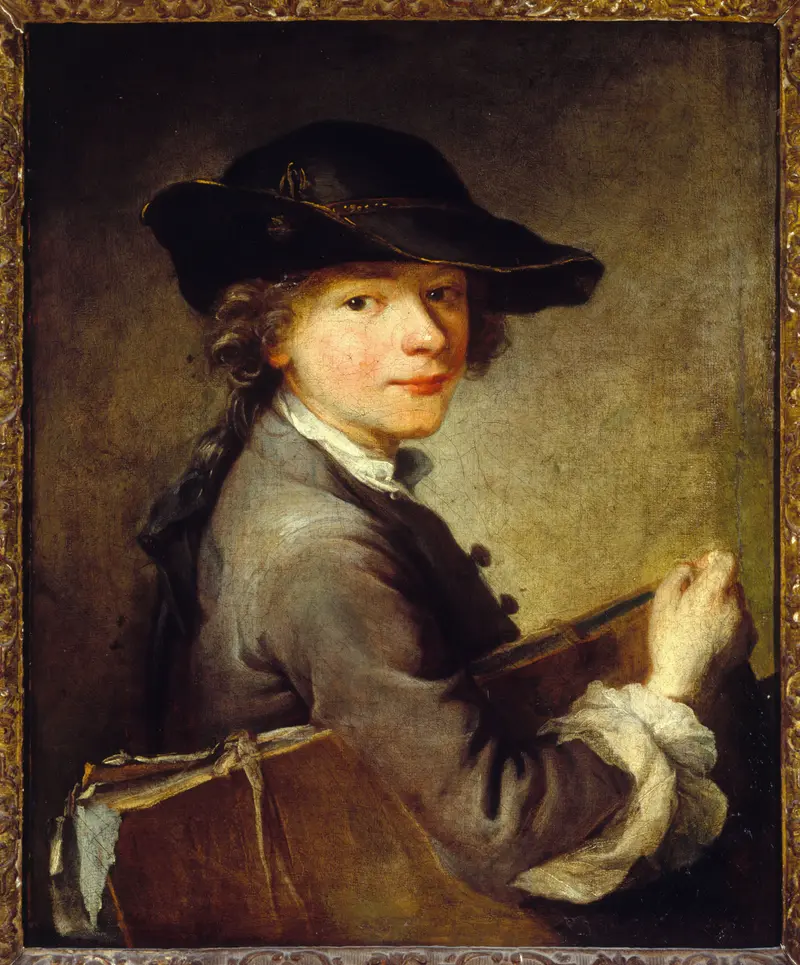
Carle Vernet (1758-1836)
Nicolas Bernard Lépicié
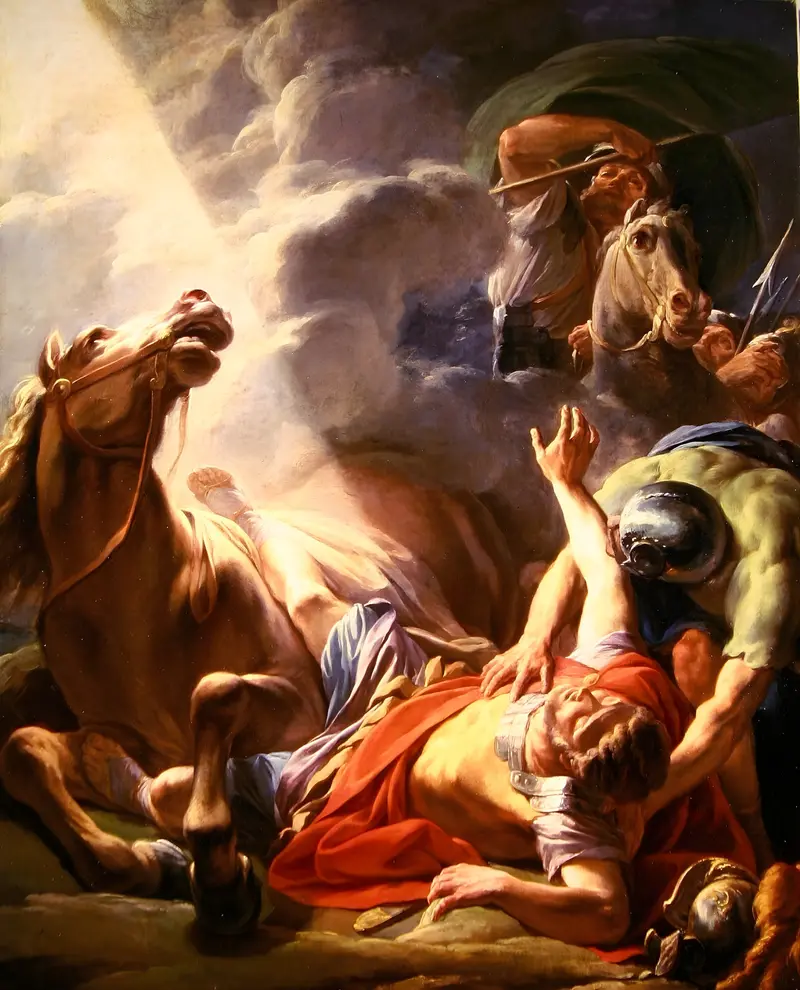
The Conversion Of Saint Paul
Nicolas Bernard Lépicié
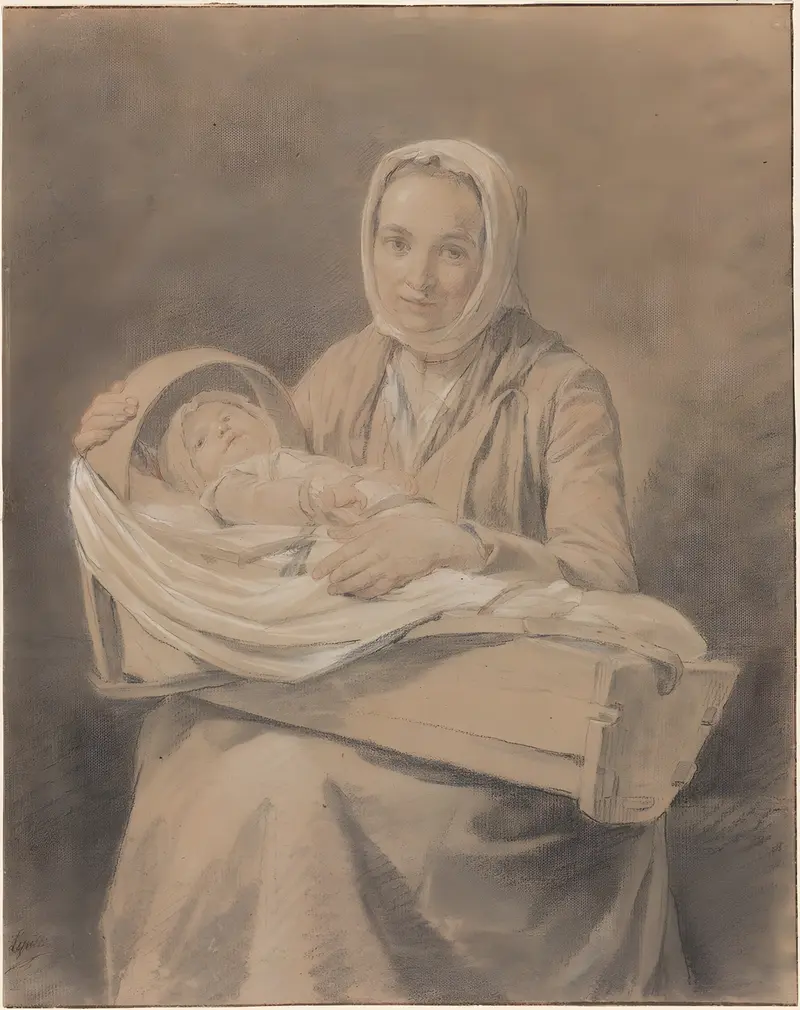
Young Mother Seated, Holding her Baby in a Portable Crib on her Knees
Nicolas Bernard Lépicié
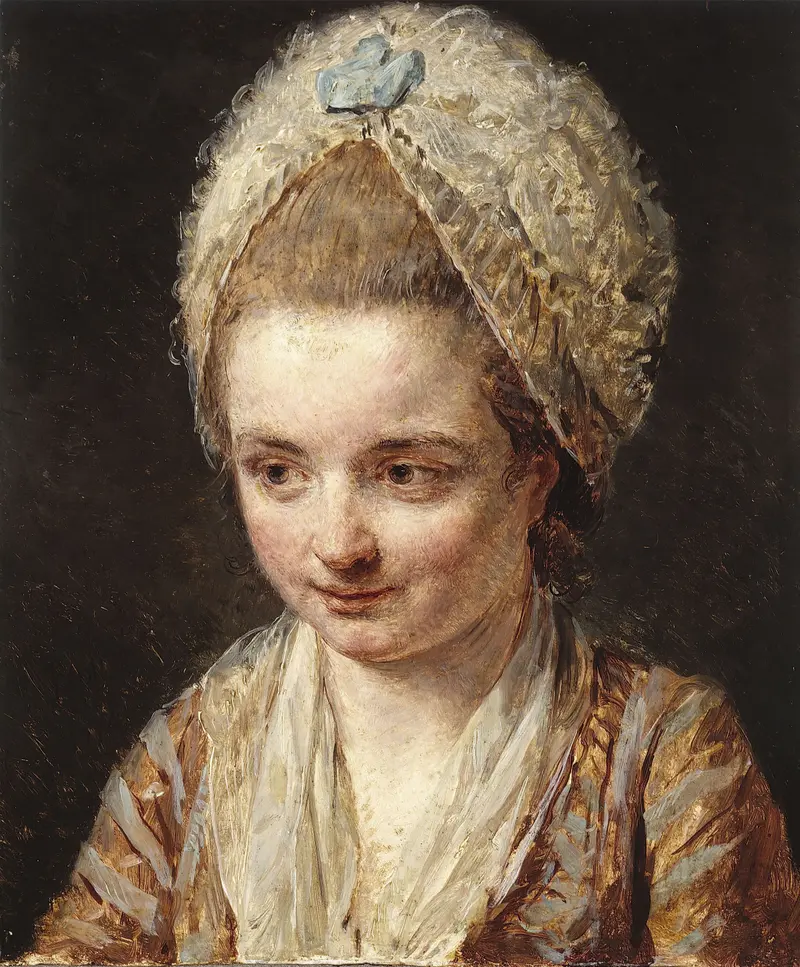
La Coiffe blanche
Nicolas Bernard Lépicié
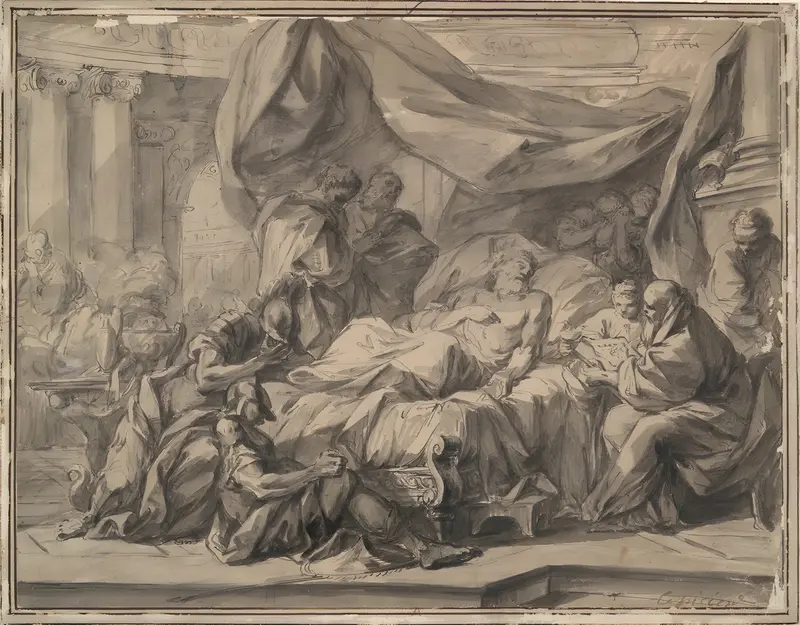
Death of Socrates
Nicolas Bernard Lépicié
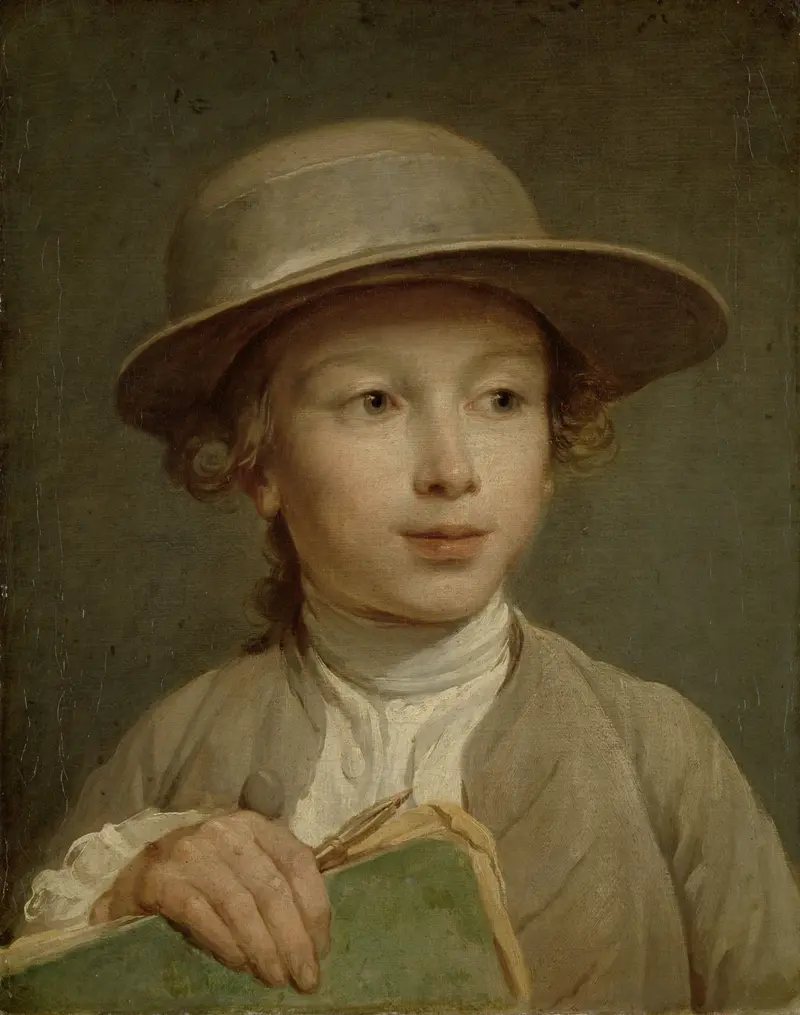
Boy with a Drawing Book
Nicolas Bernard Lépicié

Portrait of a youth, said to be Louis Berthier-Bizy
Nicolas Bernard Lépicié
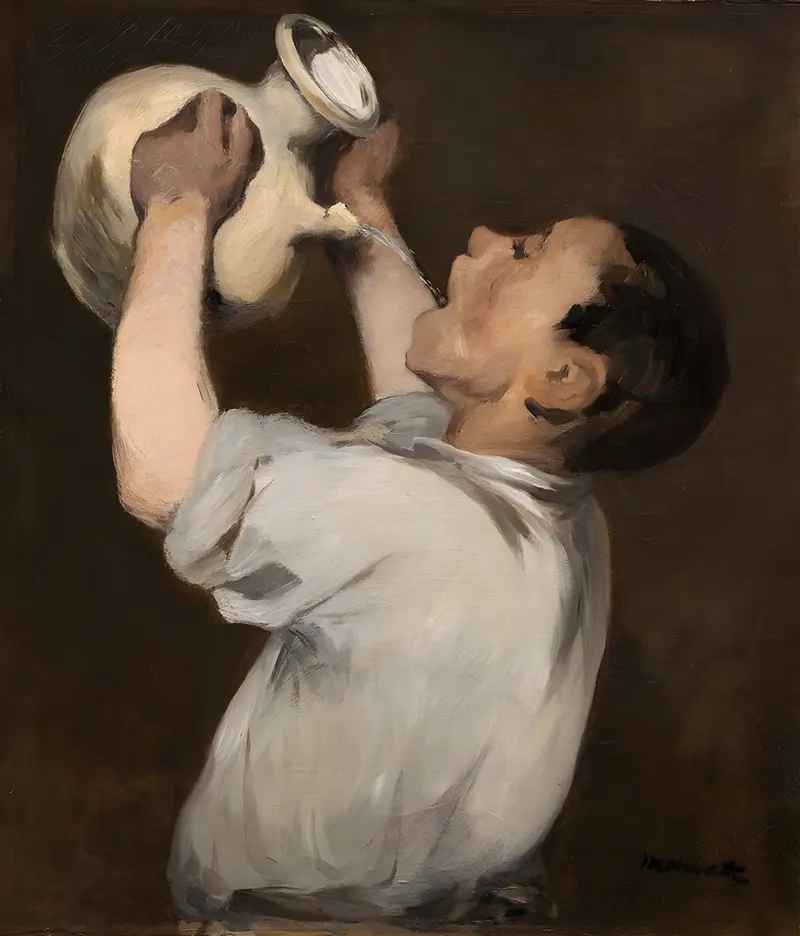
Boy with Pitcher (La Régalade)
Nicolas Bernard Lépicié
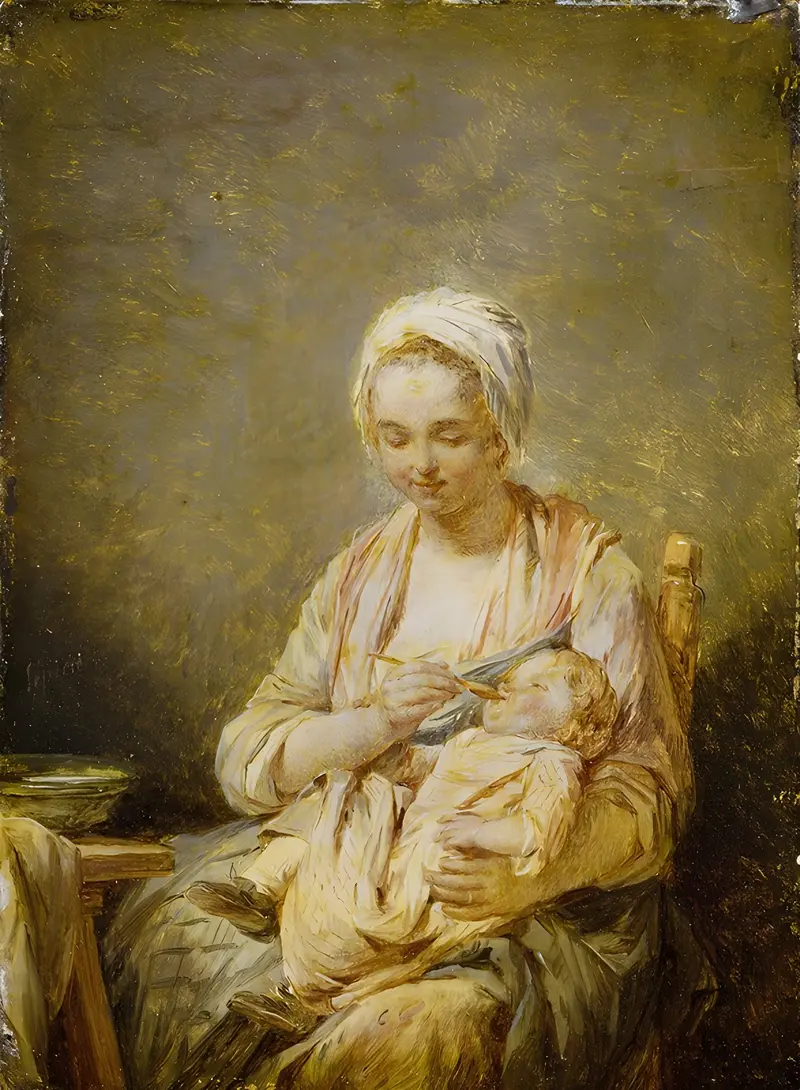
Le devoir maternel (Maternal Duty)
Nicolas Bernard Lépicié
More Genre Scene Art

Banquet of the Officers of the St George Civic Guard
Frans Hals

Rembrandt and Saskia in the Scene of the Prodigal Son
Rembrandt van Rijn

Bal du moulin de la Galette
Pierre-Auguste Renoir

Quadrille at the Moulin Rouge
Henri de Toulouse-Lautrec

A Burial at Ornans
Gustave Courbet

When Will You Marry?
Paul Gauguin