Woman's Head — History & Facts
A face emerges from shadow, her gaze cast just beyond the frame, as if weighing a thought she will never speak aloud. The deep, mossy green of her headscarf draws the viewer’s eye to the planes of her pale face, where the brushwork lingers over the hollows of her cheek and the arch of her brow. In her hands, two apples rest—one bright and red, the other yellow-green—offering a note of color that interrupts the somber palette.
The light, cool and directional, falls across her sleeve and cheek, modeling her features with a sculptor’s care and leaving the background to dissolve into darkness. Every detail, from the rough weave of her garment to the slight parting of her lips, signals a quiet dignity, the kind that invites us to wonder about her story. Woman’s Head belongs to a world where artists like Augustin Théodule Ribot turned their attention to the ordinary, finding drama in the faces of everyday people rather than the grand narratives of history or myth. In the 19th century, such portraits were often painted for private patrons or collectors who valued the truthful depiction of character and mood.
Ribot’s approach—earthy, direct, and attentive to the effects of light—echoes the realism that swept through France in his time, when painters sought to honor the lives of workers, peasants, and the overlooked. This particular work, documented as photographed on 11 November 2021 and held in a private collection, stands as a testament to that tradition. The woman’s steady, enigmatic presence asks us to linger, searching her face for signs of her life and times.
More Artworks by Augustin Théodule Ribot

The Scullion
Augustin Théodule Ribot
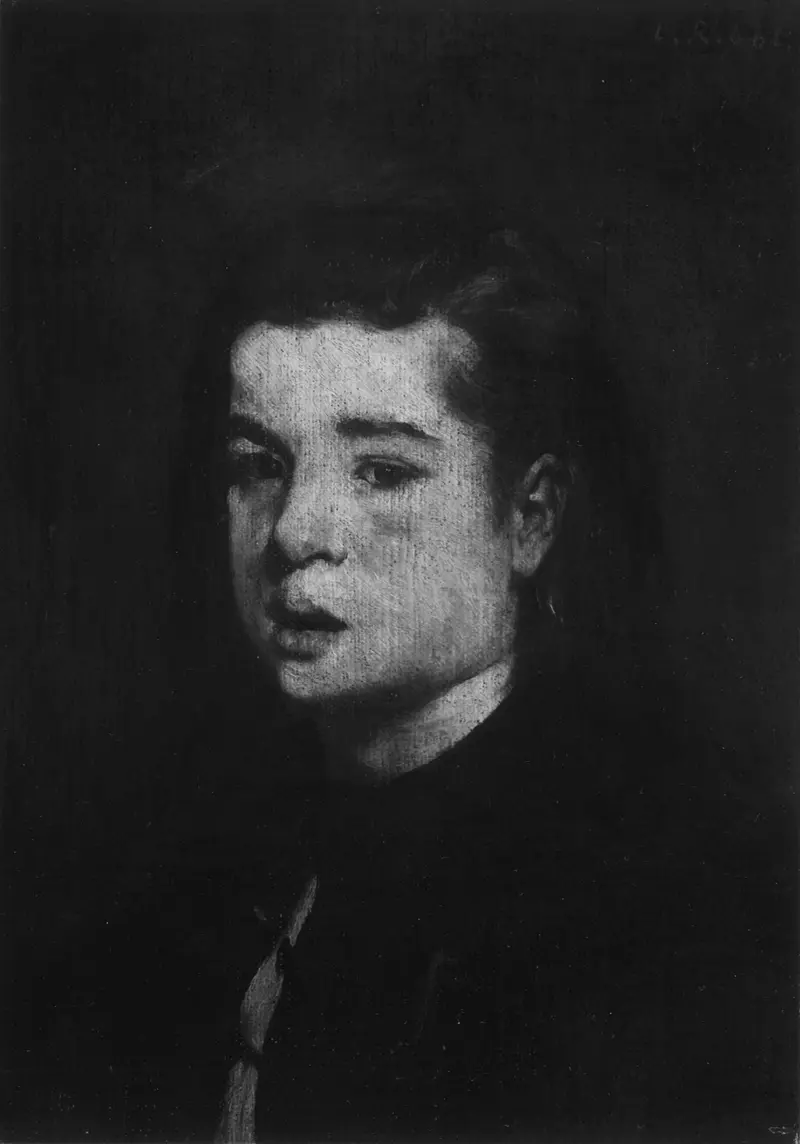
The Artist's Daughter
Augustin Théodule Ribot
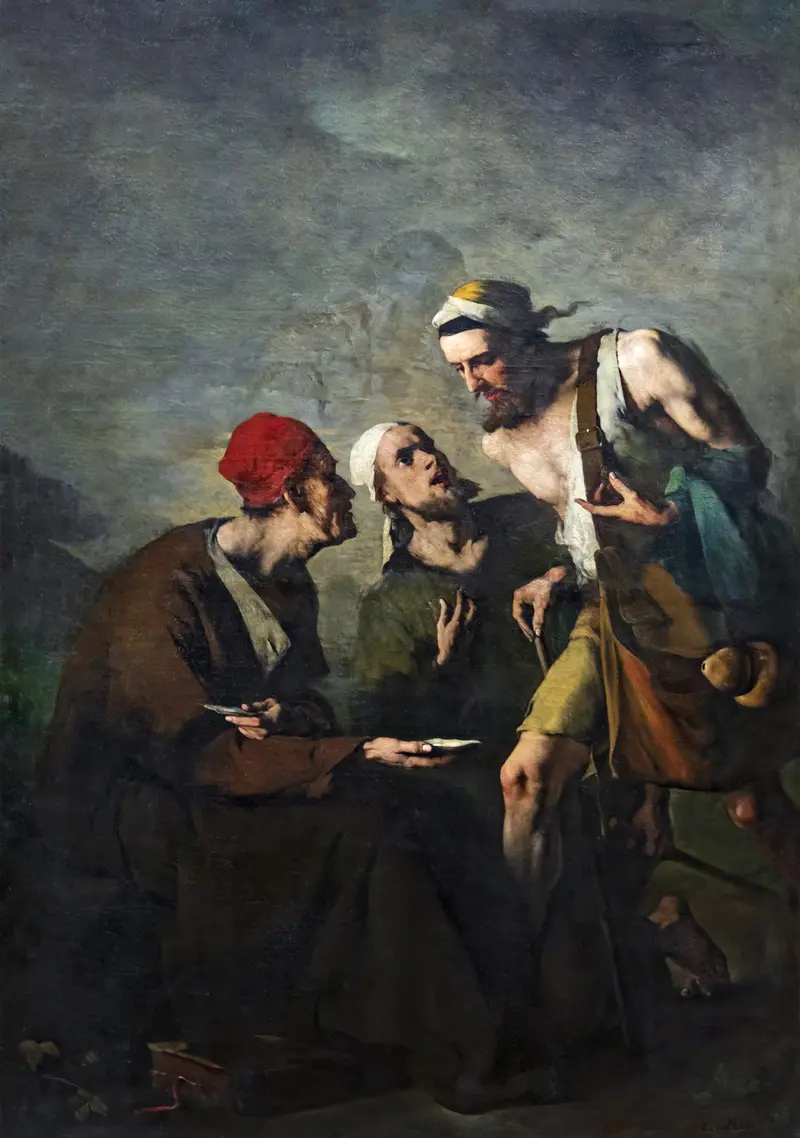
The oyster and the Litigant's
Augustin Théodule Ribot
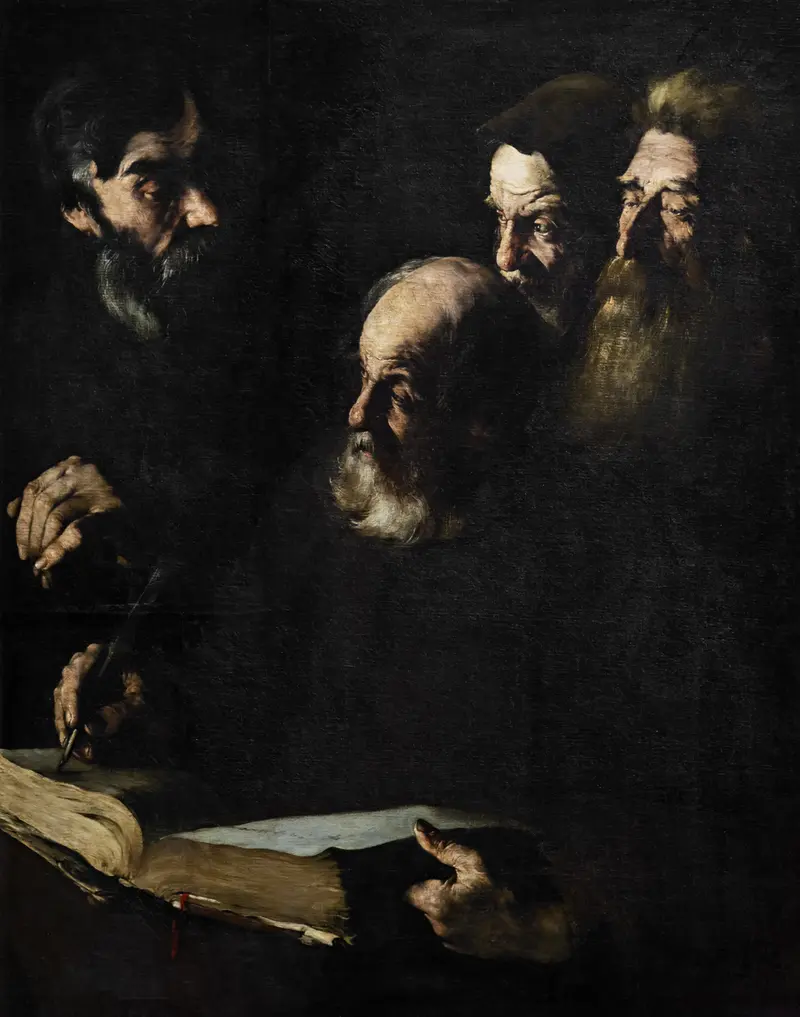
The philosophers
Augustin Théodule Ribot
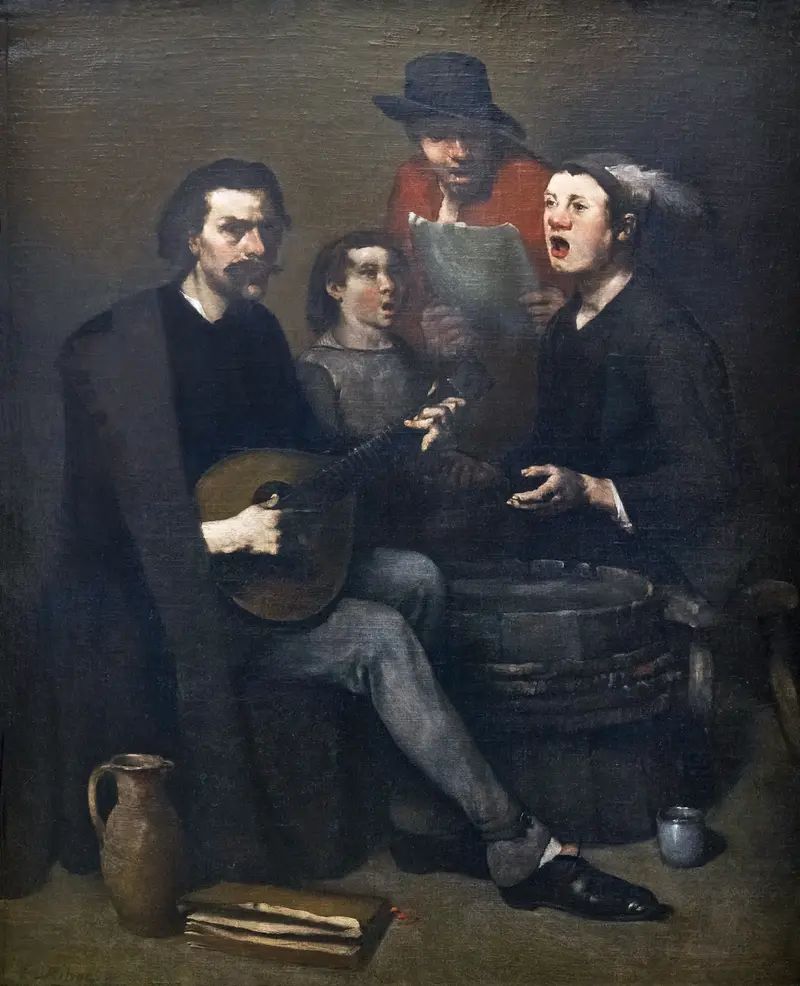
Singers
Augustin Théodule Ribot
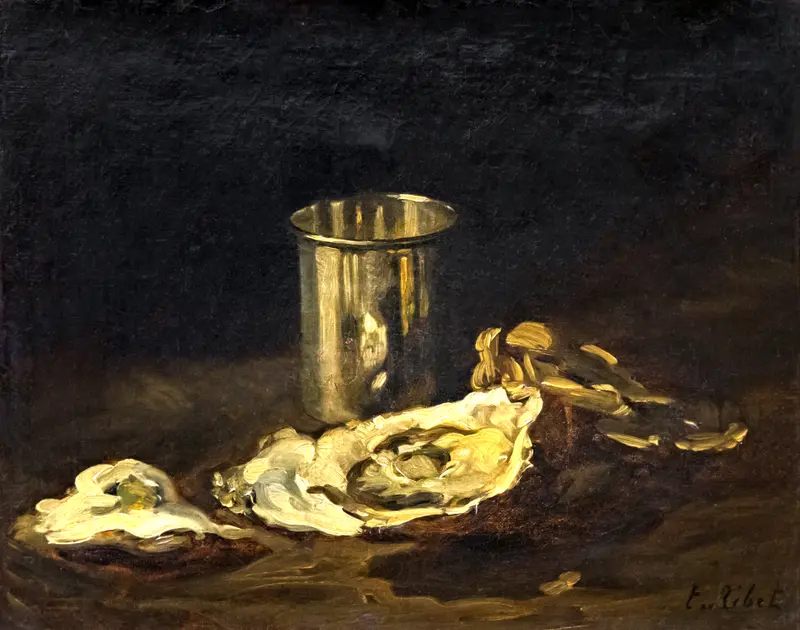
Oyster and timbale
Augustin Théodule Ribot
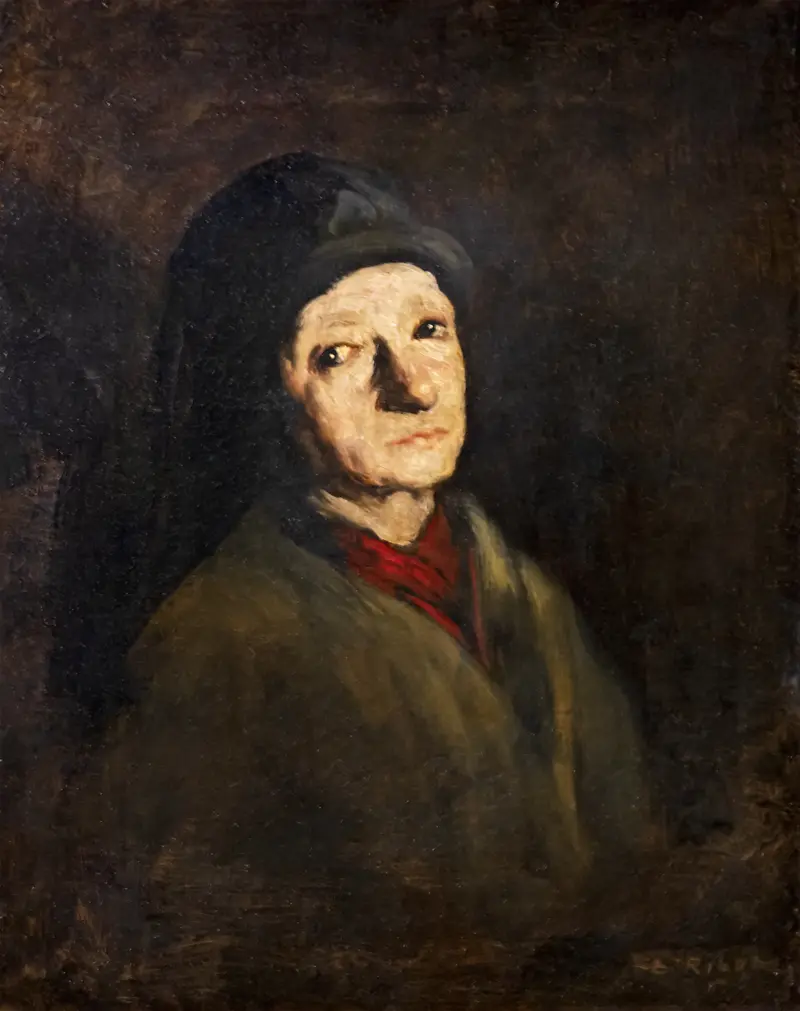
Portrait of the artist's mother
Augustin Théodule Ribot
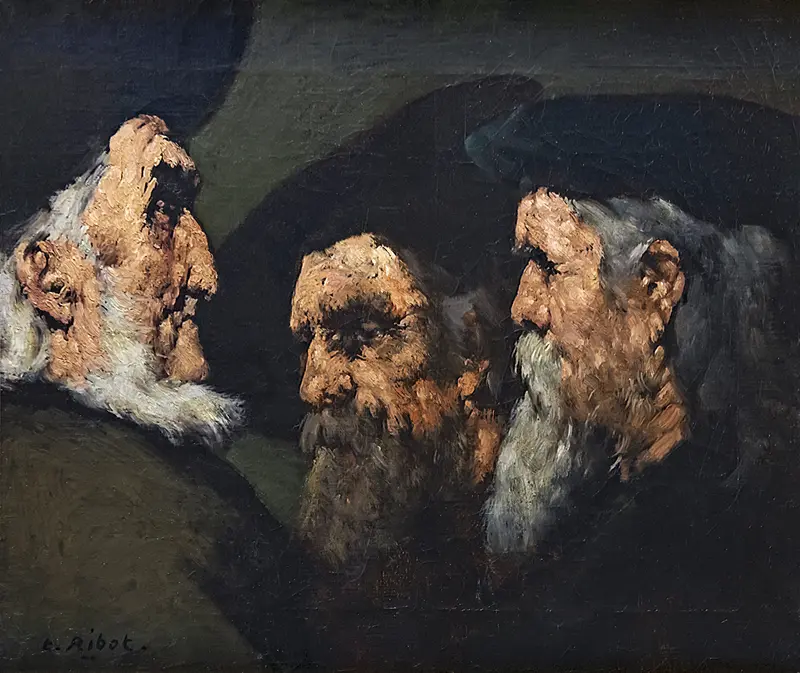
Three old jews
Augustin Théodule Ribot
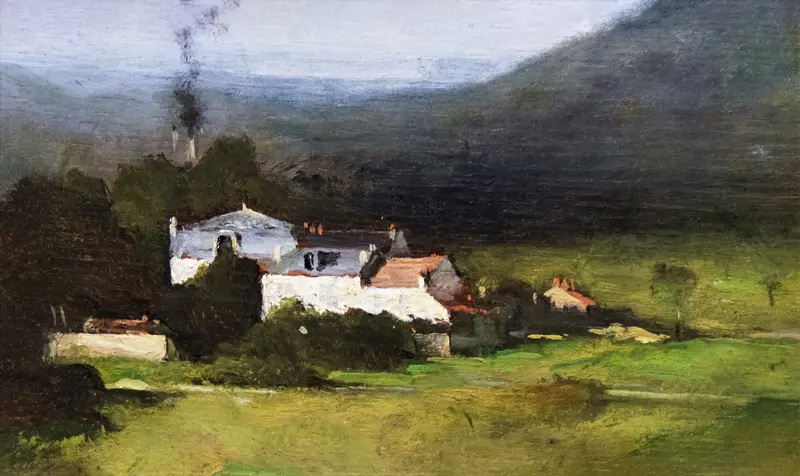
' Landscape ', known as ' La Maison de Corot in Ville-d'Avray '
Augustin Théodule Ribot
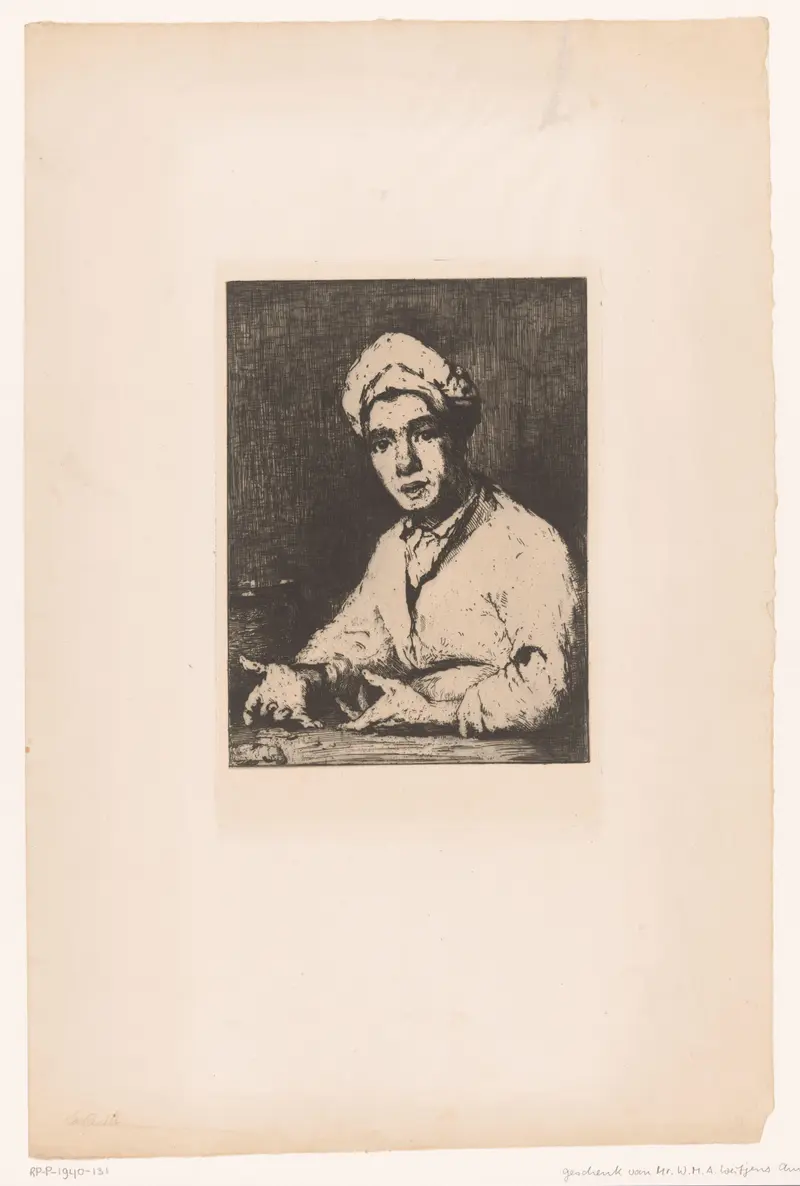
La recette du cuisinier
Augustin Théodule Ribot