
Wooded Landscape — History & Facts
Who listens when art speaks of silence? In Wooded Landscape, the stillness of the scene invites contemplation, blurring the lines between reality and illusion. Focus first on the delicate interplay of light filtering through the trees, illuminating patches of moss and fallen leaves on the forest floor. Notice how the muted palette, comprised of soft greens and browns, creates a sense of tranquility while inviting the viewer’s gaze deeper into the depths of the woods. The subtle brushwork and layered textures evoke a serene, almost ethereal quality that draws one in as if these woods hold untold secrets waiting to be discovered. Digging deeper, the juxtaposition of light and shadow hints at the transient nature of existence, suggesting that every moment in this secluded haven is both fleeting and eternal.
The winding path, barely visible, speaks of journeys taken and those yet to embark, representing a threshold between the known and unknown. This intricate dance of elements embodies a tension between stillness and change, urging viewers to reflect on their personal experiences within the confines of nature. In 1911, Emil Carlsen was based in the United States, where he embraced the tonal landscape tradition while influenced by the impressionist movement. During this period, he sought to capture the elusive qualities of light and atmosphere in nature, and Wooded Landscape reflects his mastery in invoking a sense of calm and introspection amid a world on the brink of modern upheaval.
More Artworks by Emil Carlsen
Browse all →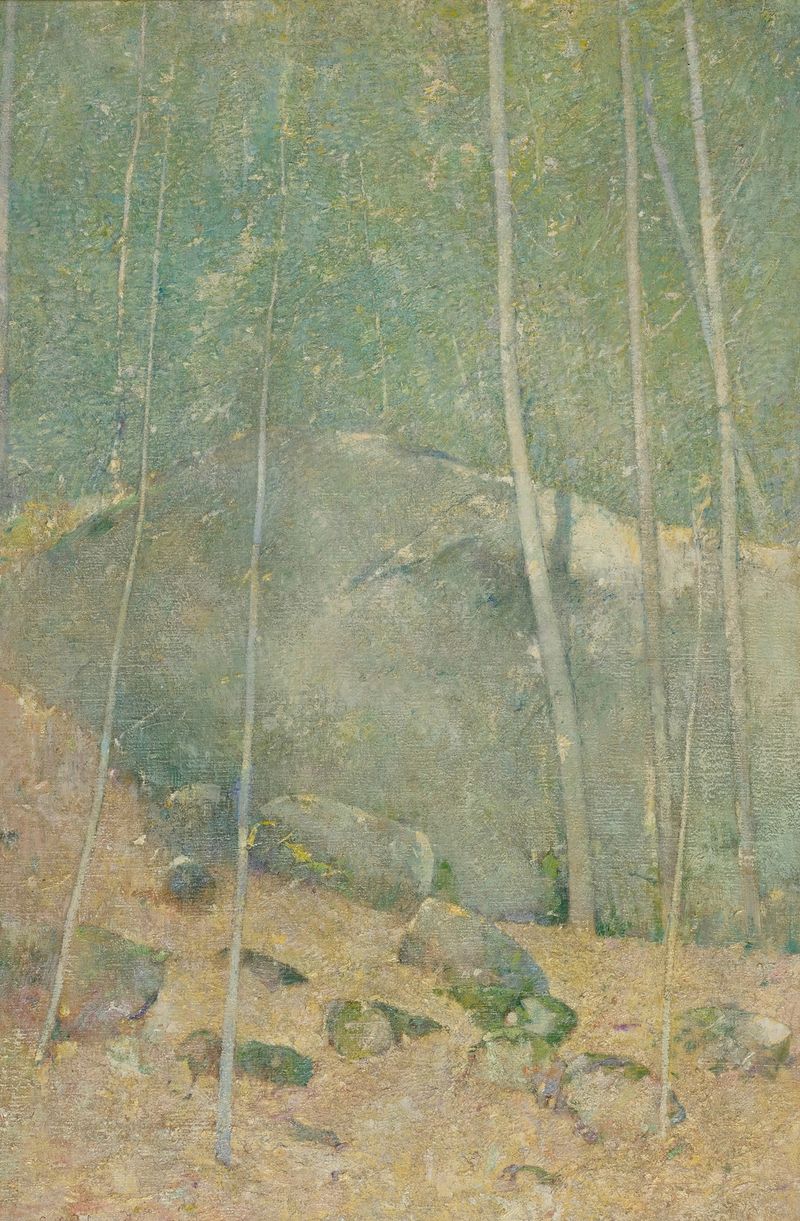
In The Maine Woods
Emil Carlsen
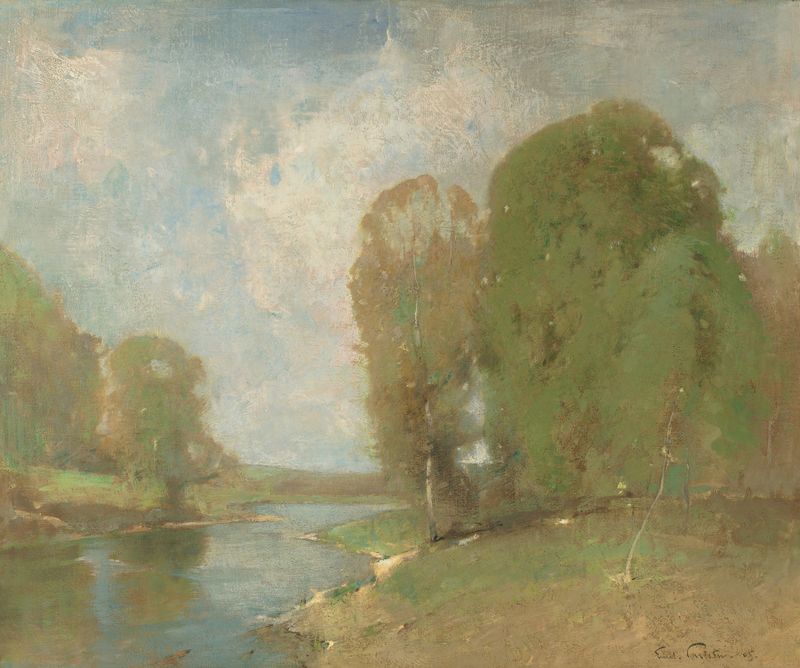
Meadow Brook
Emil Carlsen

Bald Head Cliff, York, Maine
Emil Carlsen
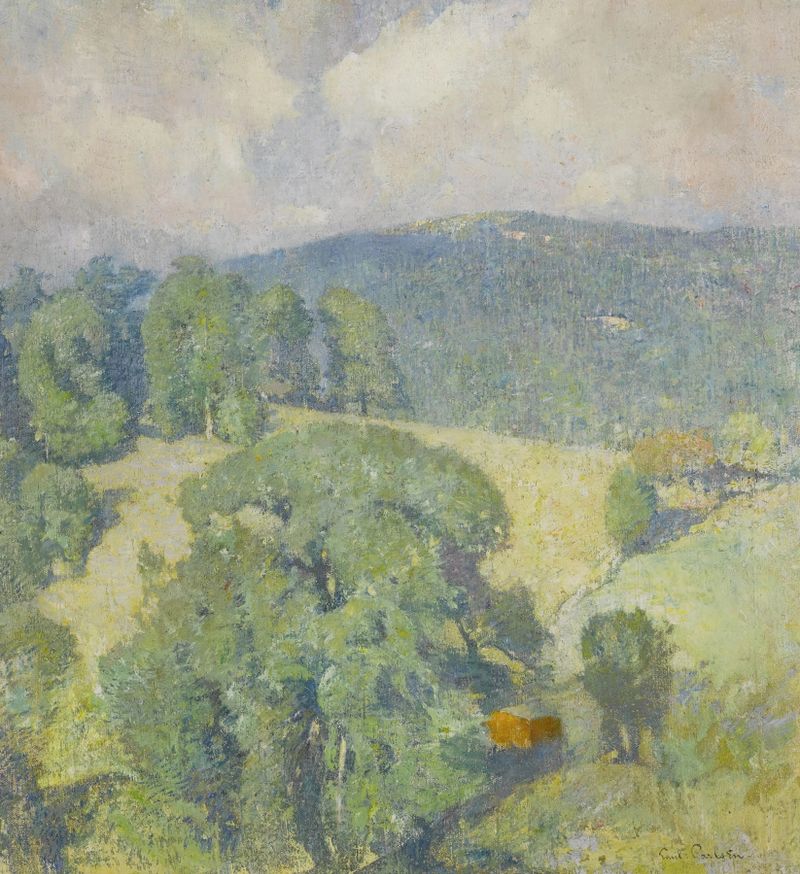
Connecticut Hillside
Emil Carlsen
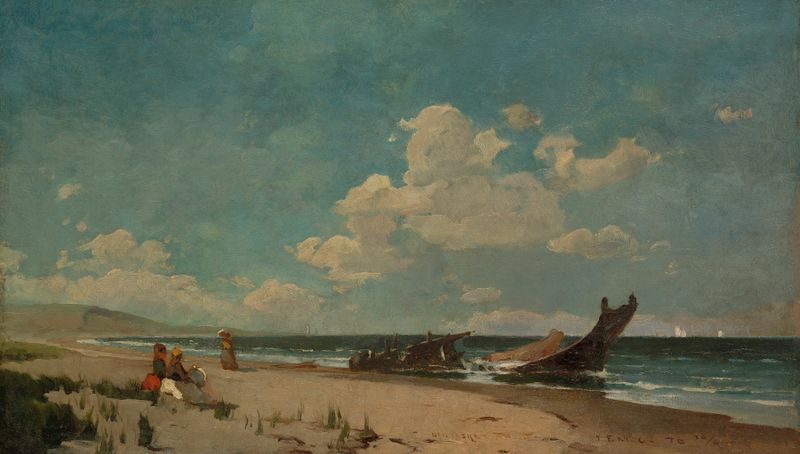
Nantasket Beach
Emil Carlsen

Nantasket Beach
Emil Carlsen

Fishing Boat on Shore
Emil Carlsen
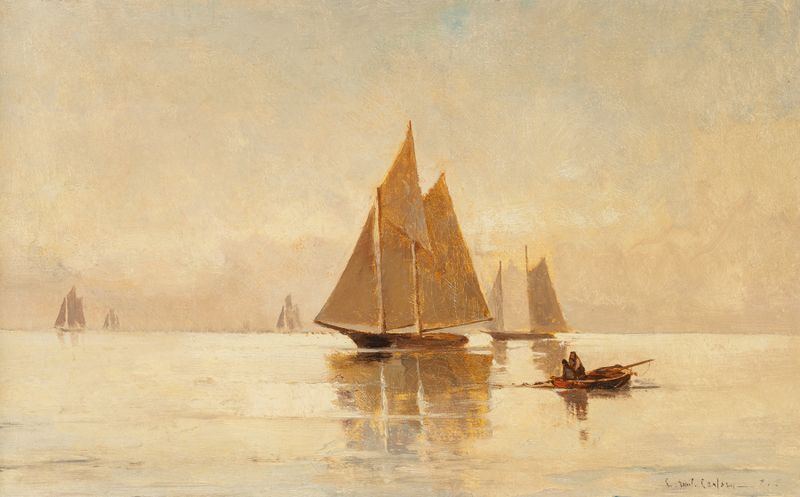
Sailboats in the Evening
Emil Carlsen

The South Strand
Emil Carlsen

In the Pine Woods
Emil Carlsen





