
Wooded Landscape — History & Facts
The stillness of nature often conceals a wildness beneath, a madness that whispers through the trees and shadows. It invites us to peer deeper, to consider what might lurk just beyond the edges of our perception. Look closely at the left side of the canvas, where a dense thicket of trees stretches upward; each gnarled branch speaks of resilience against the passage of time. The rich greens of the foliage contrast with deeper browns, invoking the earth's quiet strength.
The soft interplay of light filtering through leaves casts dappled patterns on the forest floor, creating a sense of movement and life within the stillness. Notice how the horizon holds a faint glow, hinting at an unseen sun, which draws your gaze deeper into the landscape and beckons the viewer to explore the secrets it hides. In this wooded enclave, depths of emotion unfurl between shadow and light. The density of the trees symbolizes both sanctuary and entrapment, suggesting a duality of peace and madness.
Silent creatures of the forest might be racing through the underbrush, unseen yet surely present, embodying the tension that simmers just below the surface. Thus, the painting evokes contemplation on the nature of solitude and hidden turmoil, revealing that beauty can coexist with chaos. Created between 1640 and 1690, this work emerged during a period when the artist was deeply engaged in landscape painting, often drawing inspiration from the serene yet intricate beauty of nature. Waterloo's exploration of natural subjects coincided with the broader Baroque movement that celebrated dramatic contrasts and emotional depth.
As he developed his artistic style, the dense woodlands became a canvas for his observations on nature’s complexity and humanity’s place within it.
More Artworks by Antonie Waterloo
Browse all →
Gezicht op het dorp Soest
Antonie Waterloo

Hagar comforted by the Angel
Antonie Waterloo

Waldbach, der über Felsen stürzt, über die eine Holzbrücke führt
Antonie Waterloo
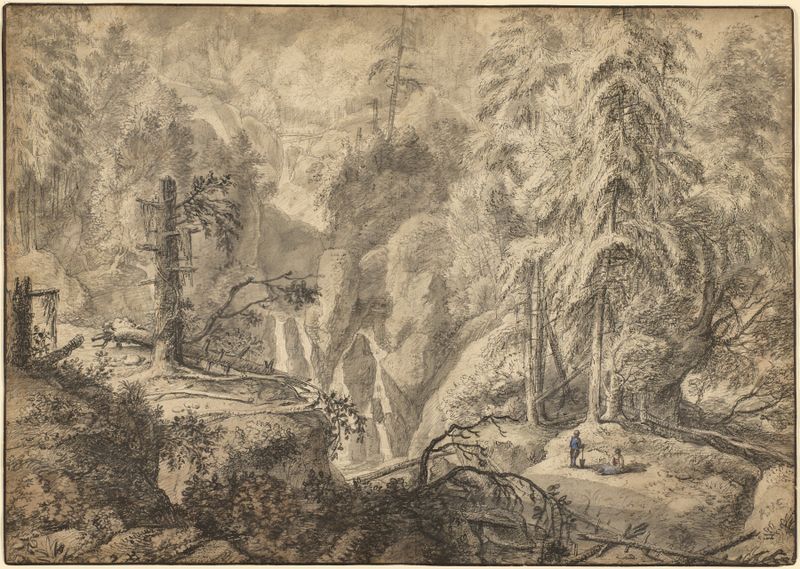
Mountain Landscape, Peasants in a Clearing near a Waterfall
Antonie Waterloo
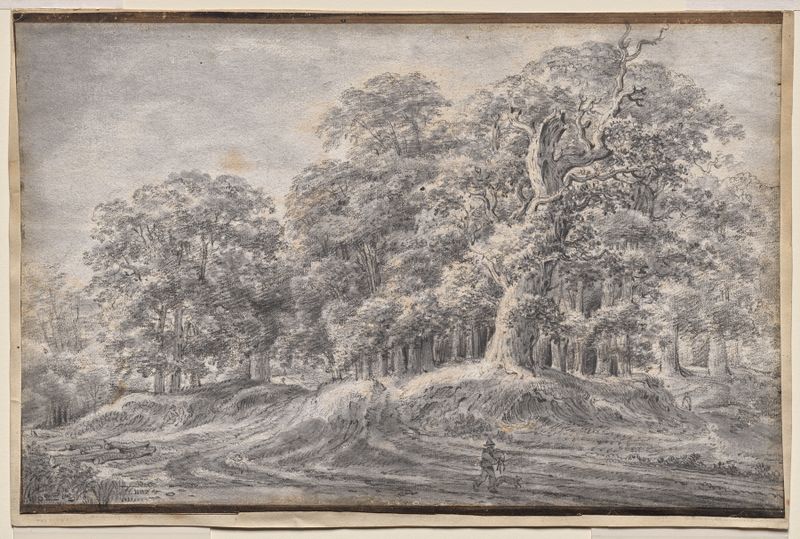
A Track on the Edge of a Wood with a Peasant Carrying Sheep
Antonie Waterloo
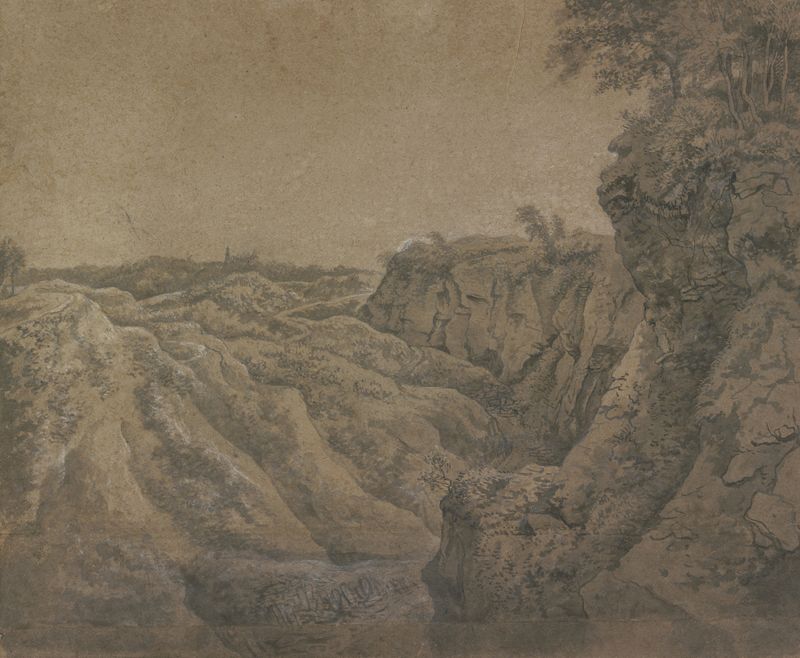
Landscape with a View of Bentheim Castle in the far Distance
Antonie Waterloo
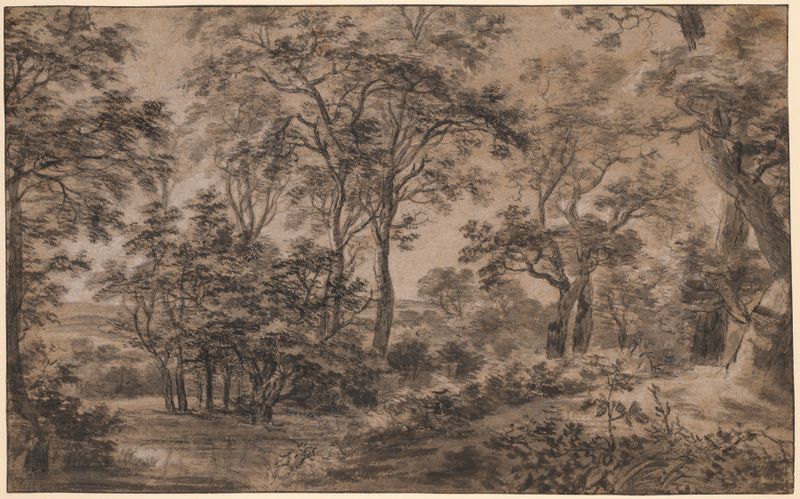
Wooded Landscape
Antonie Waterloo
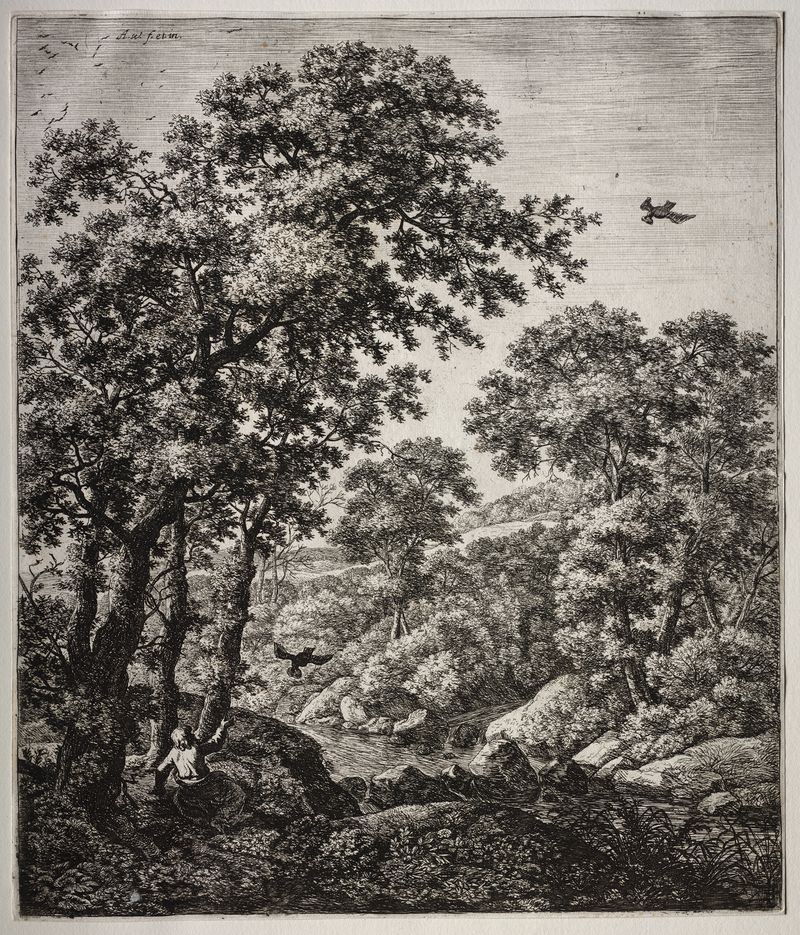
Elijah Fed by the Ravens
Antonie Waterloo
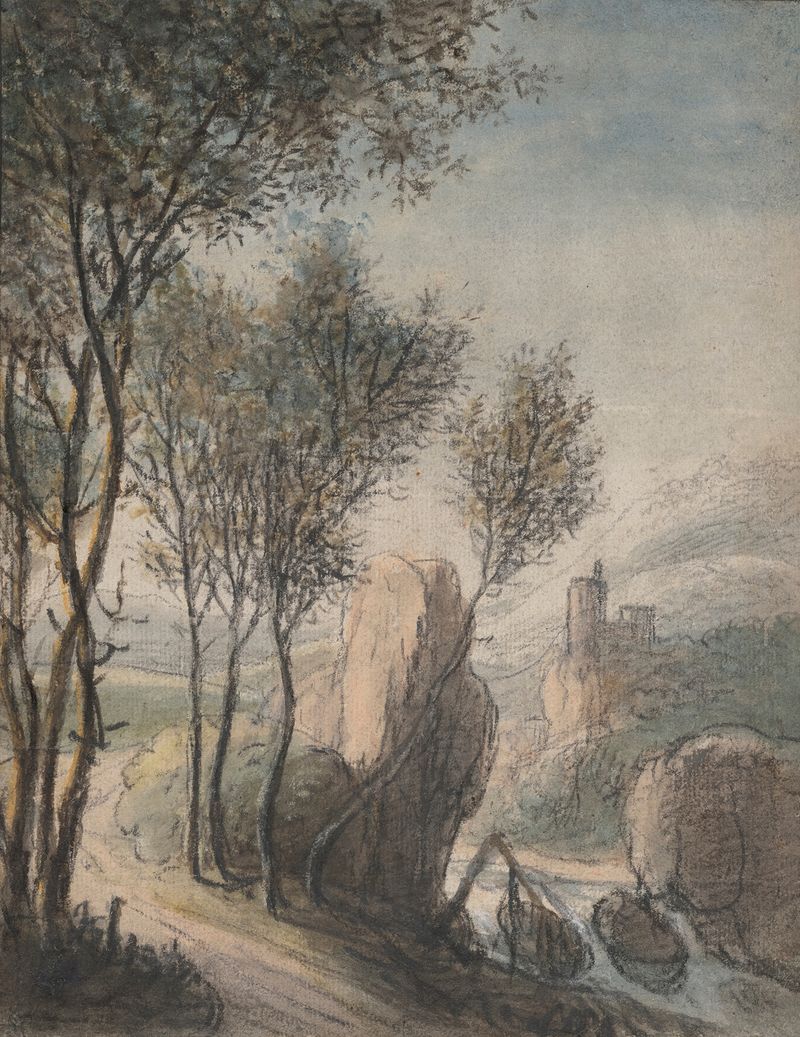
River Landscape with a Castle in the Distance
Antonie Waterloo

Trees and cottages in hilly landscape
Antonie Waterloo





