
Woodland Scene — History & Facts
What if beauty was never meant to be finished? In Woodland Scene, nature is poised in quiet contemplation, inviting us to reflect on the fleeting moments of perfection that exist within its embrace. Look to the foreground where vibrant greens interlace with dappled sunlight, casting intricate shadows that dance across the forest floor. The artist’s deft brushstrokes create a textured tapestry of leaves and bark, drawing the eye upward toward the majestic trees that stand as guardians of this tranquil haven. Notice how the gentle light filters through the canopy, illuminating patches of moss and guiding our gaze deeper into the woodland’s heart. Beneath the surface tranquility lies a tension between the known and the unknown.
The interplay of light and shadow evokes a sense of yearning, as if we are on the cusp of discovering hidden secrets within the woods. Each tree, with its unique shape and character, symbolizes individuality, while the unity of the forest suggests a collective yet untamed beauty. This duality prompts us to ponder the transience of our experiences in nature and the moments we strive to capture. Frederic Edwin Church painted Woodland Scene during a transformative era in American art, specifically from 1870 to 1880.
As a leading figure in the Hudson River School, he sought to elevate landscape painting by emphasizing its emotional resonance and immersive quality. During this time, the artist was deeply influenced by his travels and the rising appreciation for the American wilderness, capturing the sublime beauty and spiritual essence of nature in a period marked by rapid industrialization and change.
More Artworks by Frederic Edwin Church
Browse all →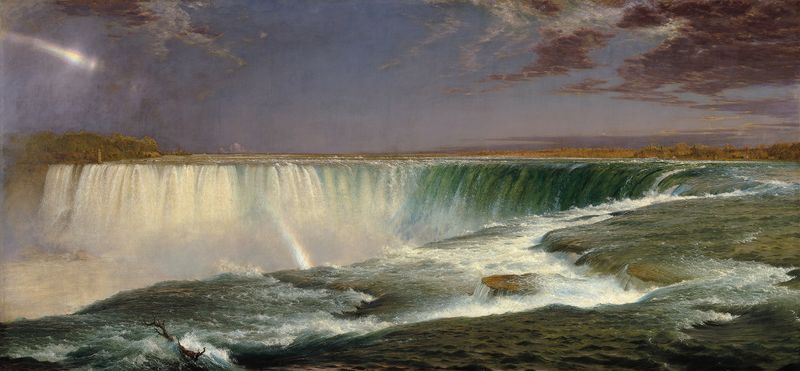
Niagara
Frederic Edwin Church
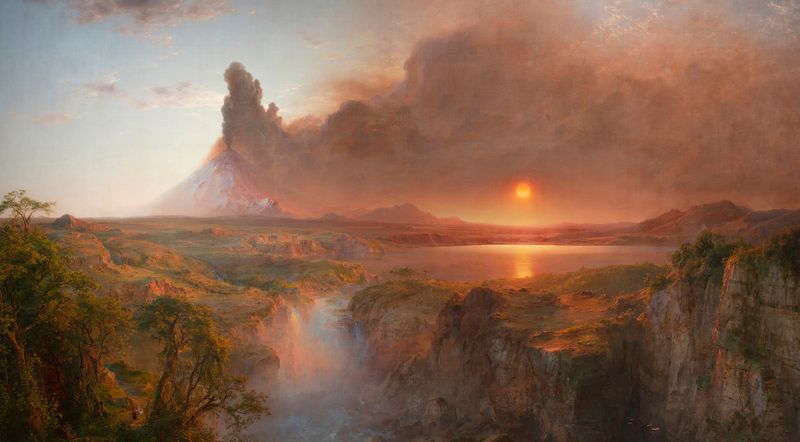
Cotopaxi
Frederic Edwin Church
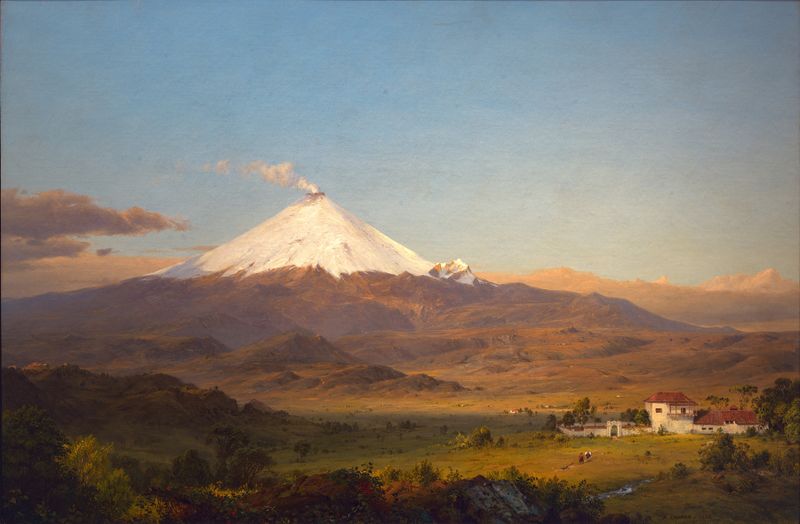
Cotopaxi
Frederic Edwin Church
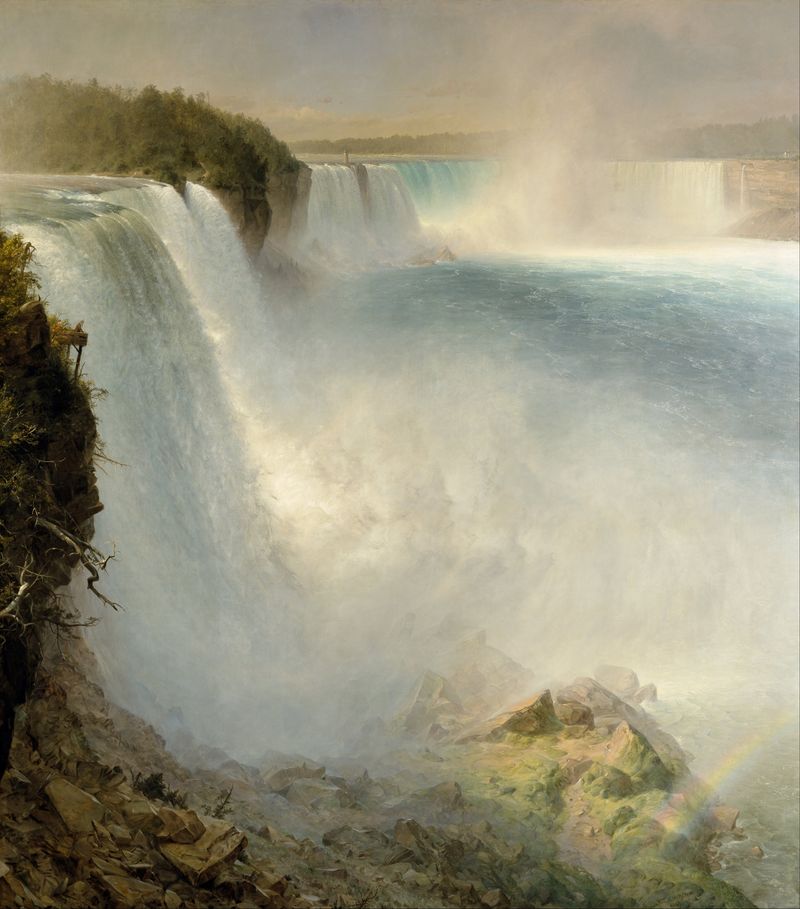
Niagara Falls, from the American Side
Frederic Edwin Church
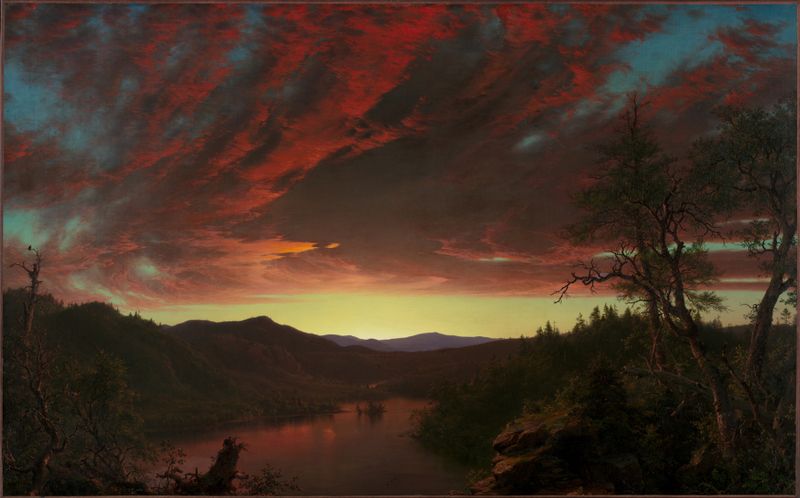
Twilight in the Wilderness
Frederic Edwin Church
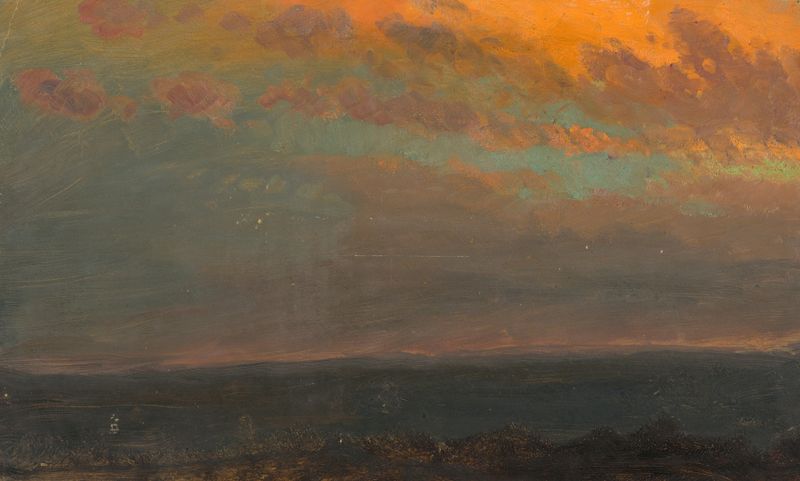
Hudson Valley at Sunset
Frederic Edwin Church
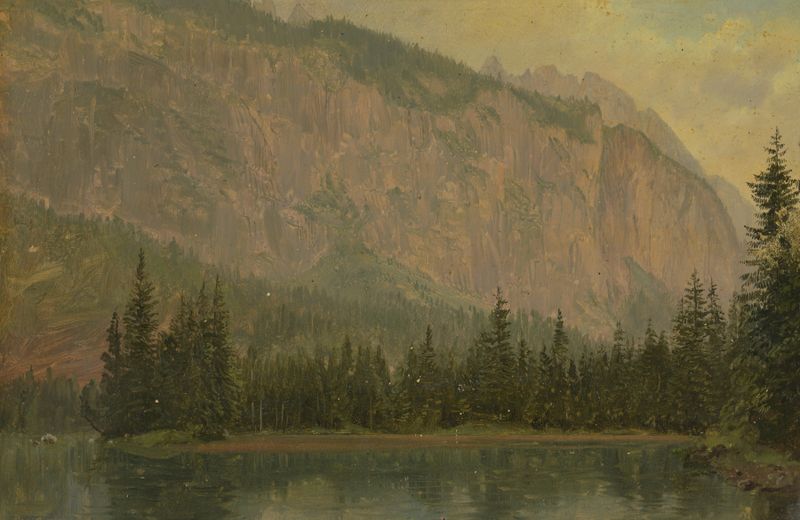
The Hintersee, near Berchtesgaden, Bavaria
Frederic Edwin Church
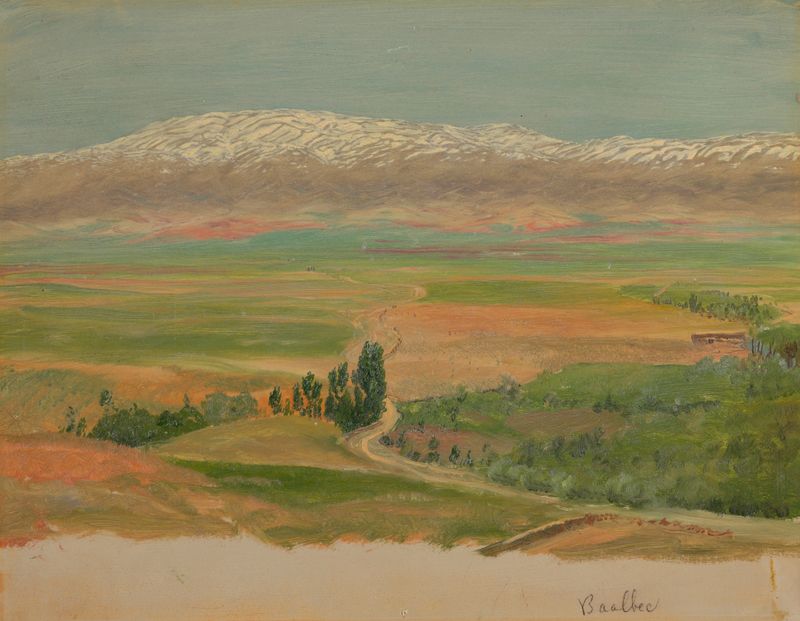
Mountains near Baalbec
Frederic Edwin Church
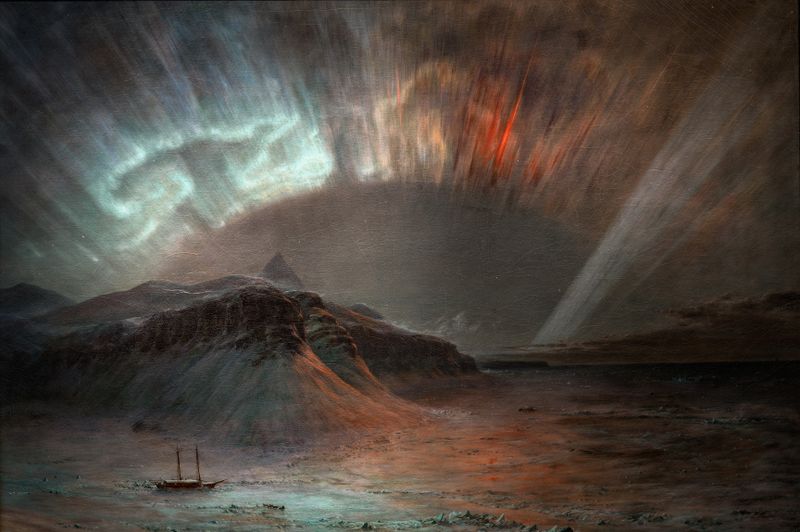
Aurora Borealis
Frederic Edwin Church
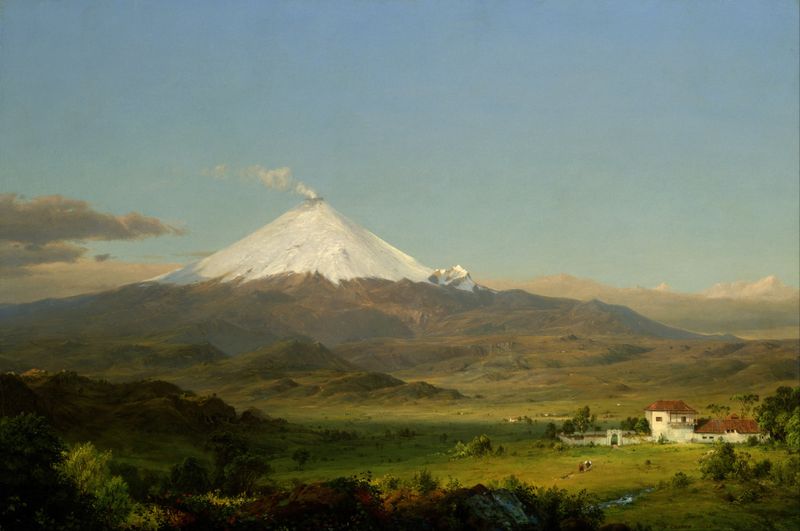
Cotopaxi
Frederic Edwin Church





