Woodland Scene at Alife in the Abruzzo (Italy) — History & Facts
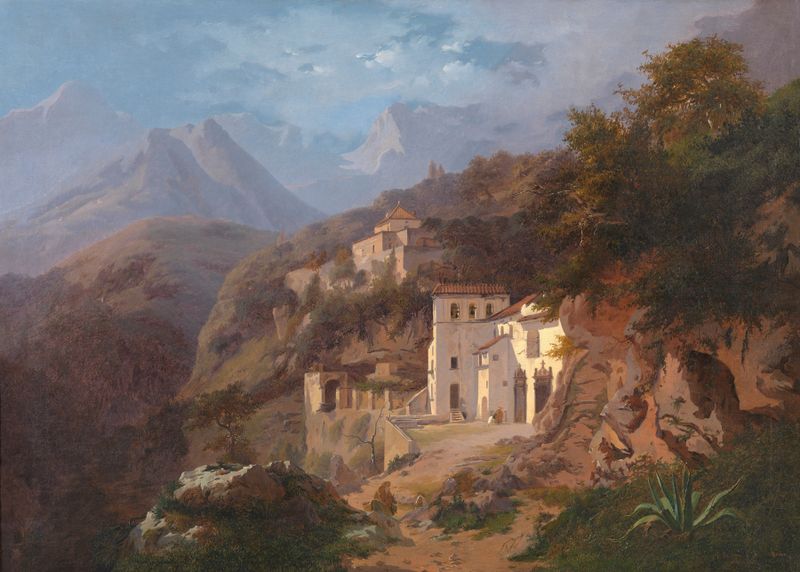
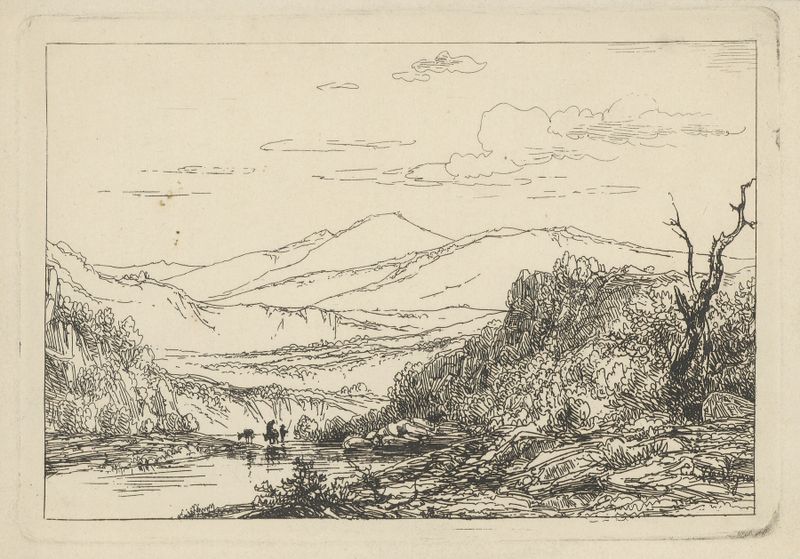
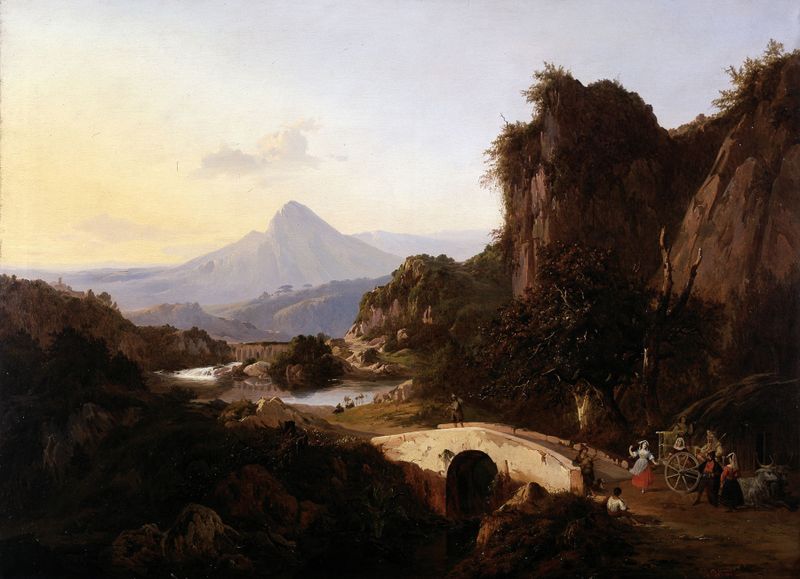
Who listens when art speaks of silence? In the tranquility of Woodland Scene at Alife in the Abruzzo, chaos whispers through verdant leaves and dappled sunlight, creating a serene sanctuary that belies the commotion of life beyond its borders. Look to the left at the dense canopy, where sunlight filters through the intertwined branches, casting soft patterns on the forest floor. Notice how the artist employs a palette of deep greens and earthy browns, crafting a lush tapestry that invites you to wander into the scene. The brushwork, fluid yet deliberate, captures the gentle sway of the trees, embodying both movement and stillness in a harmonious dance. As you explore further, consider the juxtaposition of light and shadow.
The bright patches illuminate hidden pathways, suggesting a journey through nature, while the darker corners evoke mystery and the unknown. Each stroke contributes to a narrative of coexistence—of serenity among the chaos of the world outside the woodland. The tranquility is a subtle reminder that beauty often flourishes amid disorder. Created during the 19th century, this work reflects the burgeoning Romantic movement, which emphasized nature's beauty and emotional power.
At this time, the artist was deeply influenced by a growing appreciation for the natural world, coinciding with a broader societal shift toward leisure and reflection. In a world transitioning from tumult to tranquility, this piece stands as a testament to the restorative power of nature.