
Woodland Scene — History & Facts
A single figure pauses at the edge of a winding wooden path, dwarfed by the tangled, ancient trees that crowd the foreground. The eye is drawn first to the gnarled trunk at left, its twisting branches framing the scene like a living archway, before drifting toward the distant mountains softened by a gentle haze. Every detail in Woodland Scene by August Cappelen seems designed to invite the viewer into the hush of the forest: the careful gradation of shadow and light, the subtle layering of foliage, and the way the path zigzags into the unknown.
The muted palette, nearly monochrome, heightens the sense of quiet and introspection, making the lone wanderer’s presence feel both tentative and deeply connected to the land. Created sometime between 1827 and 1852, this work belongs to a period when Northern European artists turned with new intensity to their native landscapes, seeking not just beauty but a sense of national identity and personal reflection. Painters like Cappelen found in the wild forests and misty mountains a subject that was both familiar and mysterious, often intended for collectors who valued these scenes as emblems of cultural pride or meditations on nature’s power. Now held by the National Museum of Art, Architecture and Design, Woodland Scene stands as a quiet testament to that era’s fascination with the untamed world—a painting that asks viewers to linger, look deeper, and perhaps imagine their own path into the woods.
More Artworks by August Cappelen

Landscape Study with a Precipice
August Cappelen

Decaying forest
August Cappelen
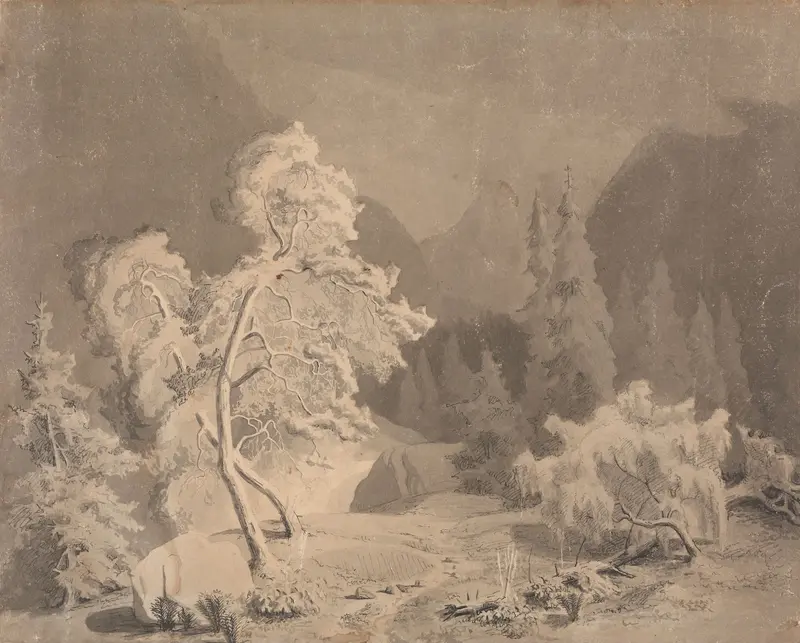
Forest Landscape
August Cappelen
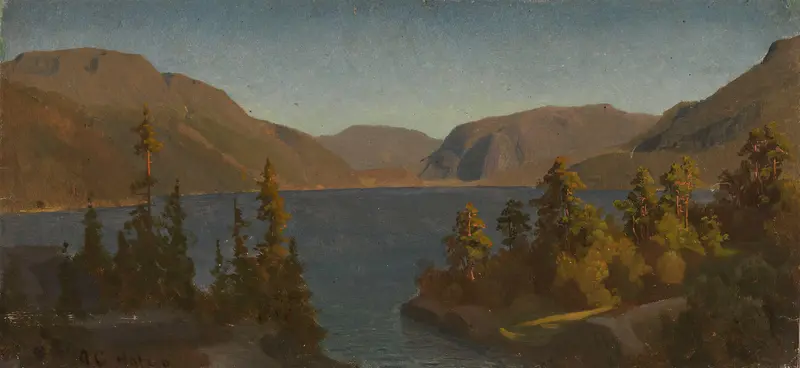
Lake in Telemark
August Cappelen
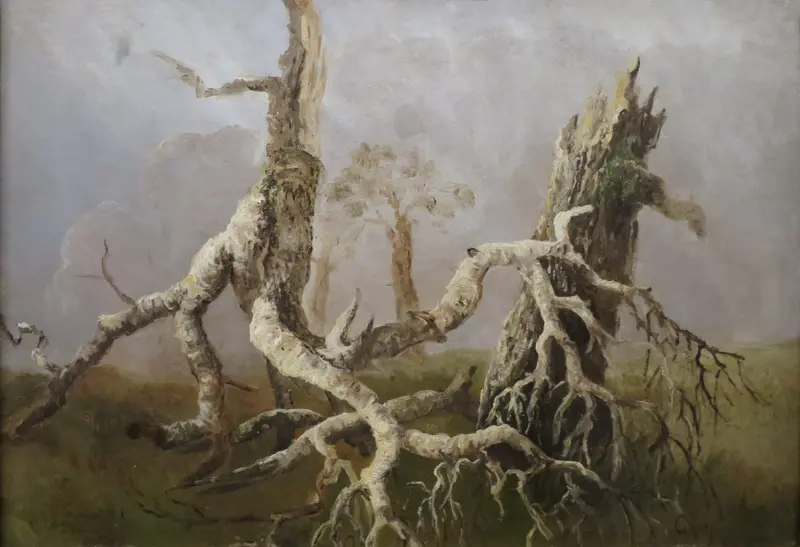
Dying Trees
August Cappelen
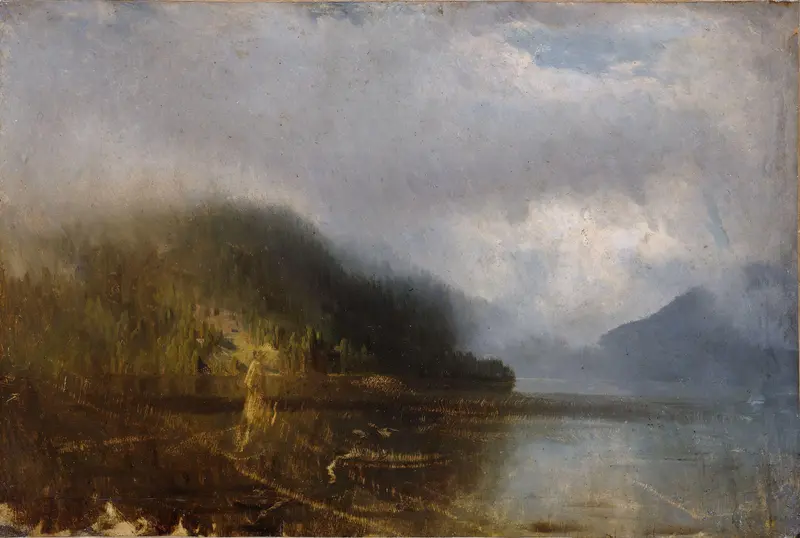
Lake in Fog
August Cappelen
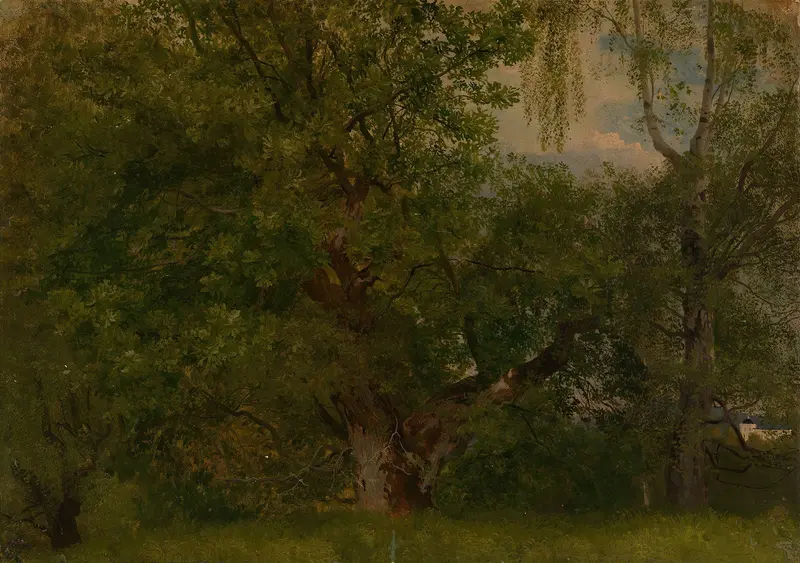
Wood near Ulefoss
August Cappelen
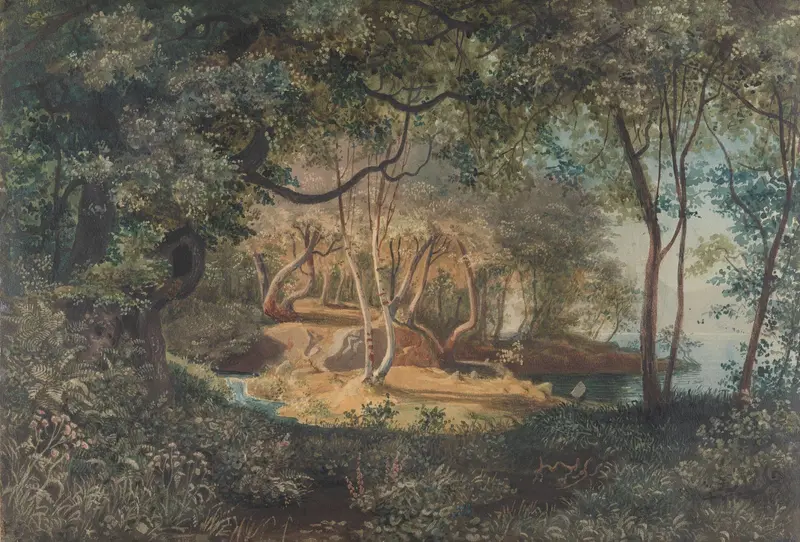
Woodland by the Fjord
August Cappelen
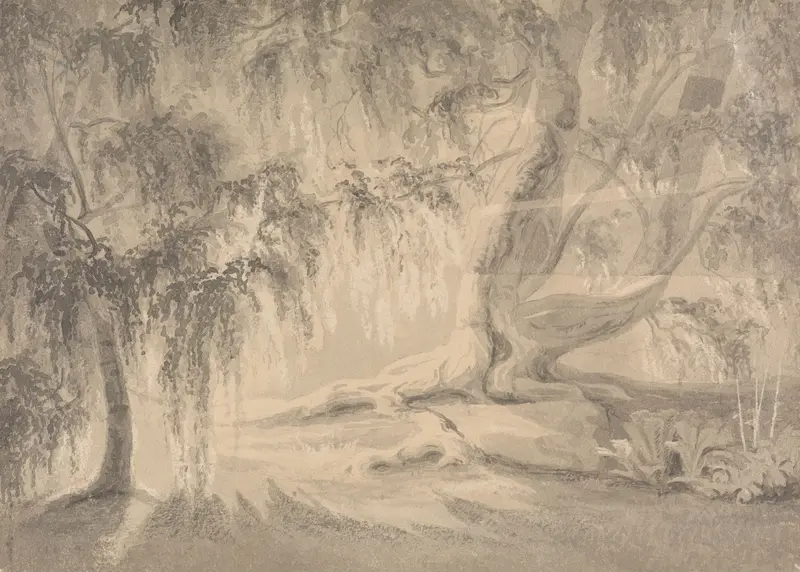
Forest Landscape with Sun Rays
August Cappelen
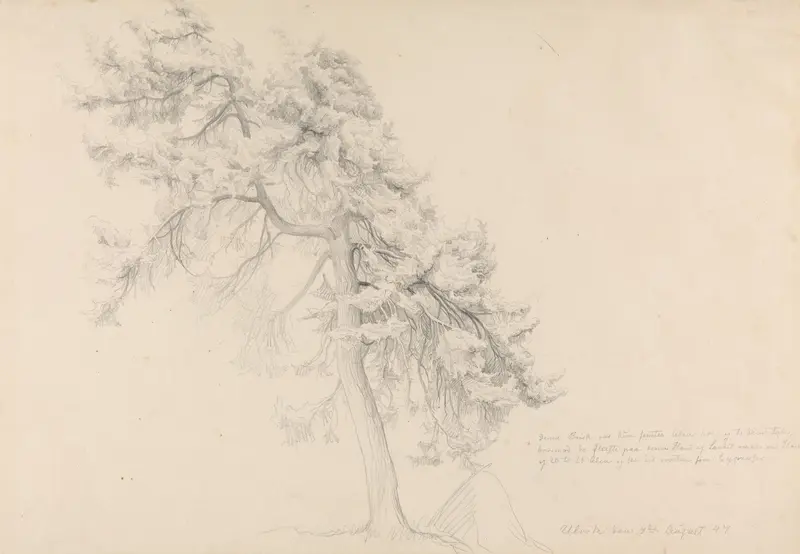
Juniper, Ulvik
August Cappelen
More Landscape Art

The Starry Night
Vincent van Gogh

View of Delft
Johannes Vermeer

Water Lilies
Claude Monet

The Grand Canal, Venice, looking north-west from the Ca' Corner to the Ca' Contarini degli Scrigni, with the campanile of Santa Maria della Carità
Canaletto

Windsor Castle
Canaletto

The Grand Canal looking North-East from the Palazzo Dolfin-Manin to the Rialto Bridge
Canaletto