
Woodland Scene in Autumn (Hudson, New York or Maine) — History & Facts
Did the painter know this moment would outlive them? In the hushed embrace of autumn, where time seems to linger just a heartbeat longer, melancholy seeps into every leaf that drapes from the trees. Here, nature's palette bursts forth in hues of gold, amber, and deep crimson, whispering secrets of transience and change. Look to the center of the canvas where light filters through a dense canopy, illuminating a winding path that beckons the viewer to wander deeper into the scene. Notice how the artist captures the intricate textures of bark and foliage, each brushstroke revealing a careful attention to detail.
The interplay of shadow and light creates a rhythm, guiding the eye from the golden leaves above to the rich earth below, inviting a reflection on the passage of time. Within this tranquil woodland, contrasts emerge—the vibrant colors of decay juxtaposed against the tranquil blue sky, a reminder of beauty intertwined with loss. The stillness of the scene suggests a fleeting moment, where life and death coexist in harmony. Each element—the rustling leaves, the distant shadows—tells a story of the inevitable cycle of nature, evoking a sense of bittersweet nostalgia for what must inevitably fade. Frederic Edwin Church created this masterpiece in the 1860s, during a period of great transformation in both his personal life and the broader art world.
Residing in New York, he was a key figure in the Hudson River School, a movement that celebrated America's natural beauty. This painting reflects not only his deep appreciation for landscape but also the growing sentiment of environmental awareness emerging in an industrializing world, marking a poignant moment in the history of American art.
More Artworks by Frederic Edwin Church
Browse all →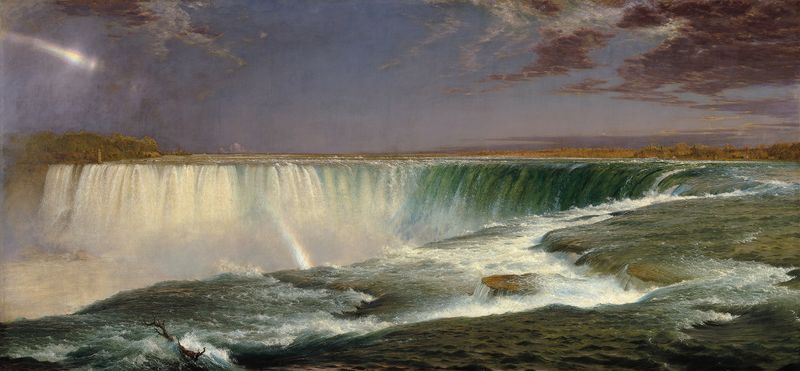
Niagara
Frederic Edwin Church
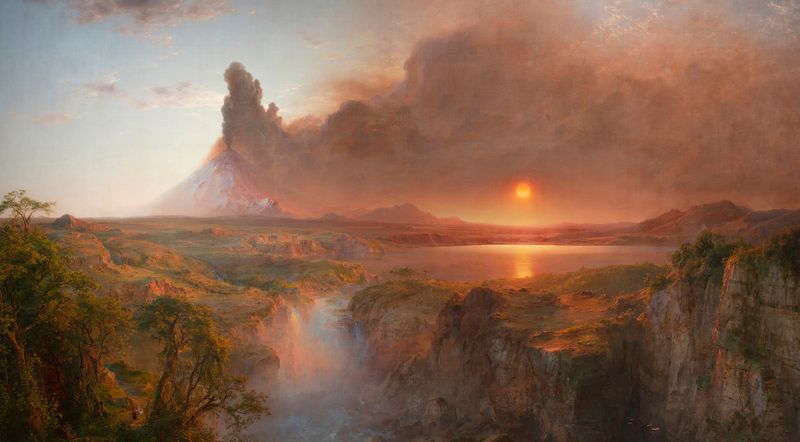
Cotopaxi
Frederic Edwin Church
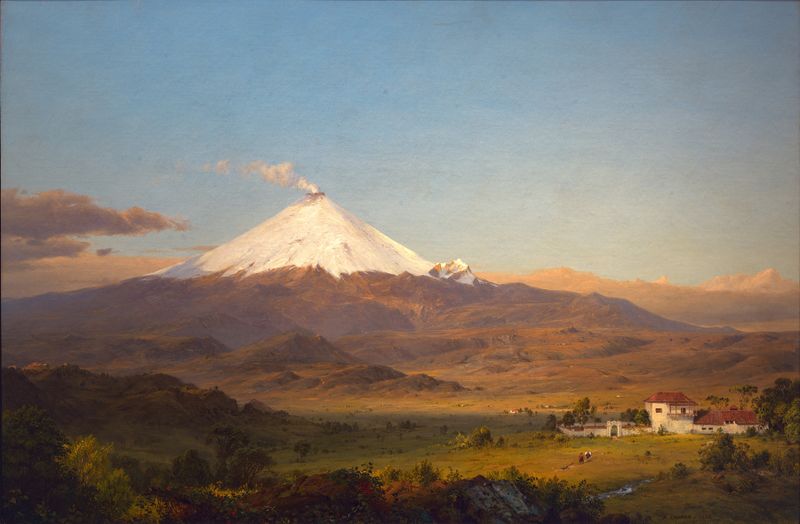
Cotopaxi
Frederic Edwin Church
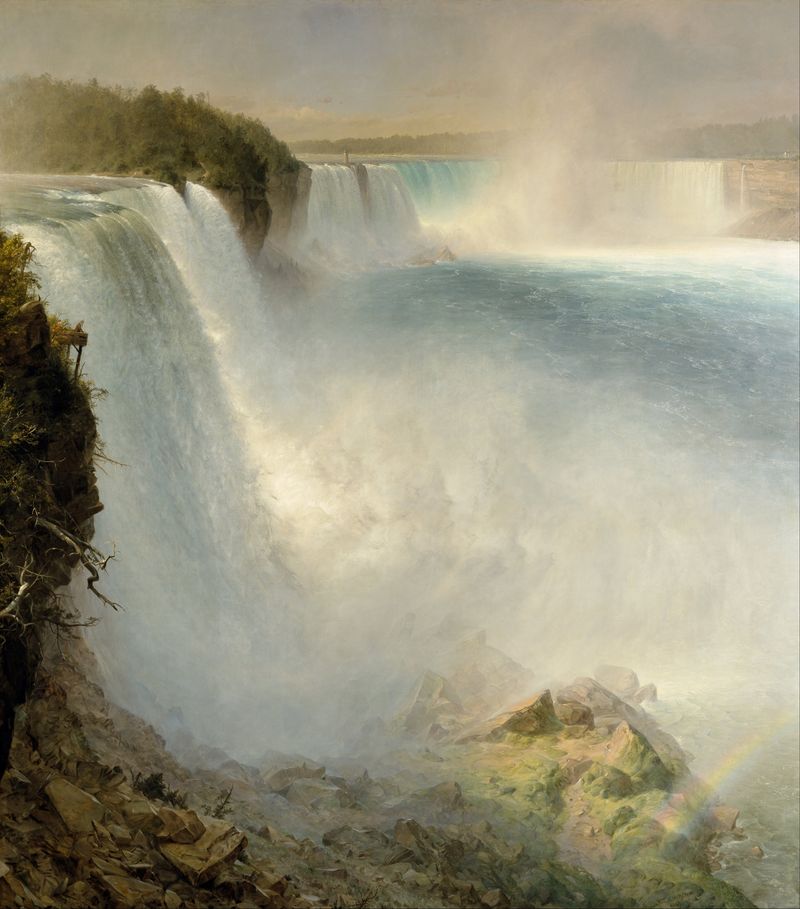
Niagara Falls, from the American Side
Frederic Edwin Church
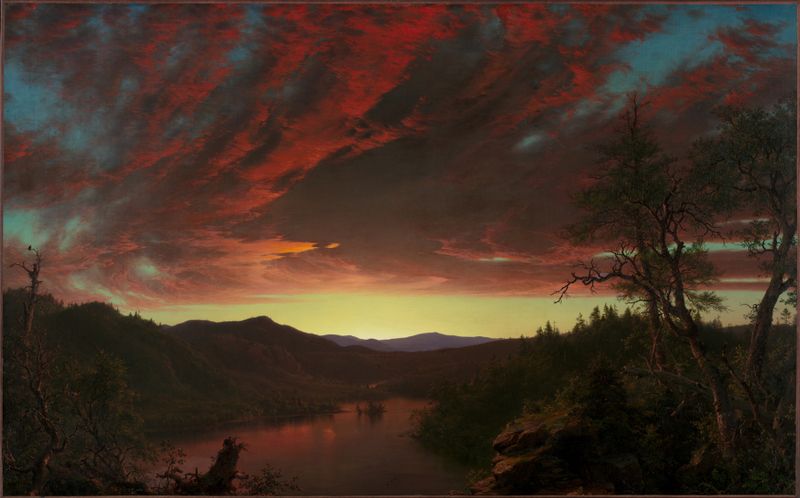
Twilight in the Wilderness
Frederic Edwin Church
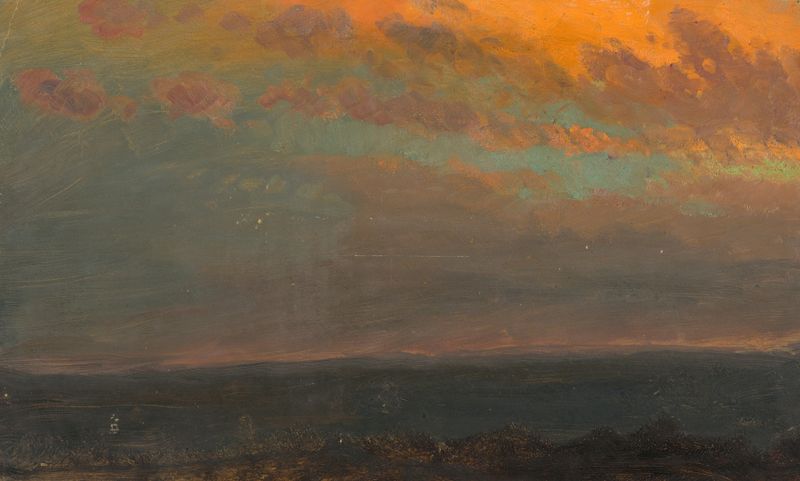
Hudson Valley at Sunset
Frederic Edwin Church
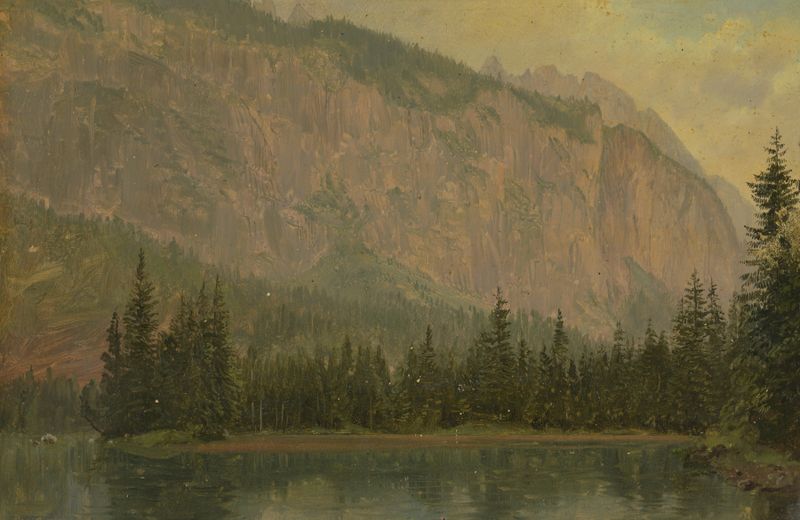
The Hintersee, near Berchtesgaden, Bavaria
Frederic Edwin Church
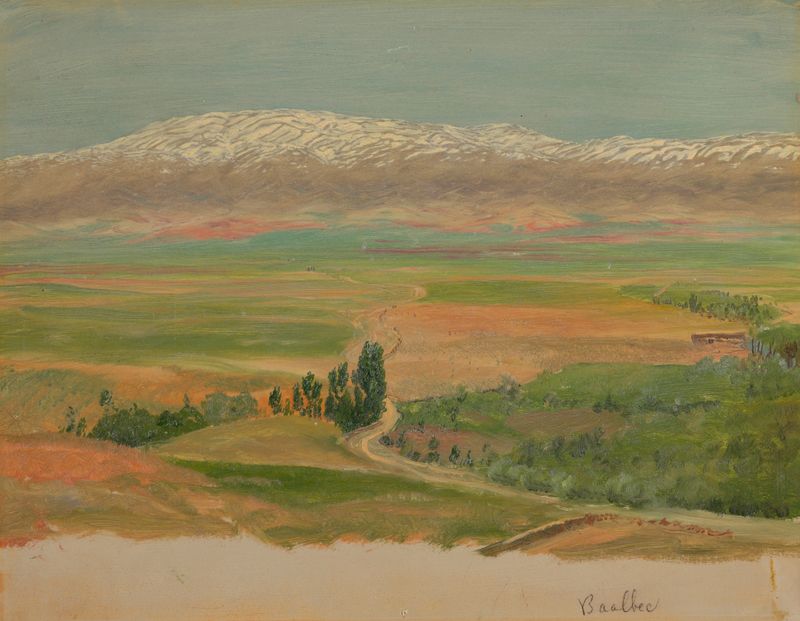
Mountains near Baalbec
Frederic Edwin Church
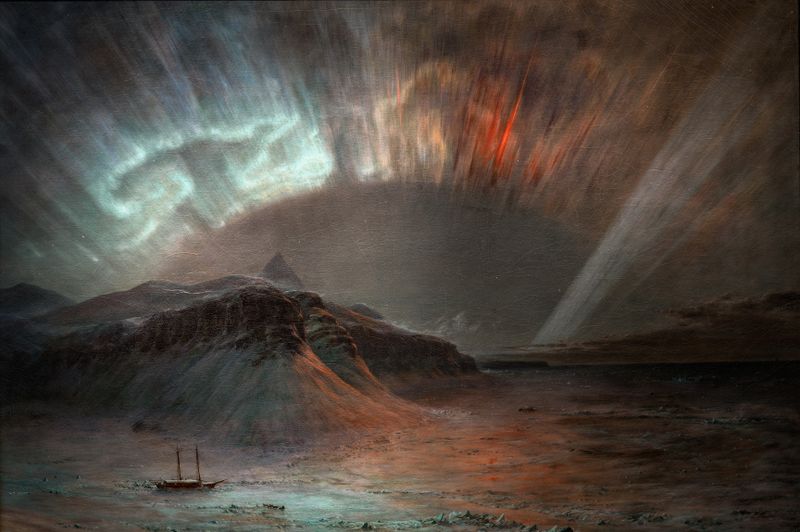
Aurora Borealis
Frederic Edwin Church
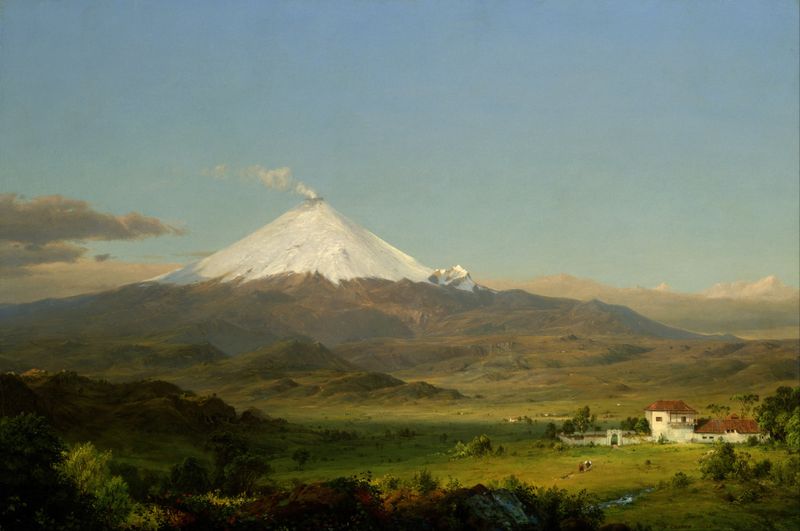
Cotopaxi
Frederic Edwin Church





