
Woodland stream — History & Facts
In the depths of nature’s embrace, ecstasy finds its home, whispering through rustling leaves and shimmering waters. Focus on the gentle flow of the stream that draws the viewer's eye across the canvas, a serpentine silver thread winding through the lush greenery. The vibrant greens and earthy browns pulse with life, while dappled sunlight spills through the canopy, illuminating the scene and creating a vibrant contrast. Notice how the brushstrokes dance, each one a delicate caress that conveys movement, inviting you to step closer and feel the coolness of the water. Beneath the surface, there exists a subtle tension between serenity and wildness.
The harmony of the idyllic setting is both inviting and untamed, hinting at the duality of nature’s beauty—its capacity for both tranquility and chaos. The interplay of light and shadow suggests fleeting moments, as if each glance could reveal an entirely different story hidden within the foliage. Here, ecstasy is not merely a sensation but an experience, a reminder of nature’s complex emotional landscape. Frederic Edwin Church painted Woodland Stream between 1850 and 1860, during a period of profound change in the American art scene.
Amidst the burgeoning Romantic movement, he sought to capture the sublime beauty of the natural world. Tapping into the transcendentalist ethos prevalent at the time, Church's work reflects his personal journey and the wider cultural embrace of landscape painting, emphasizing nature’s power to uplift the human spirit.
More Artworks by Frederic Edwin Church
Browse all →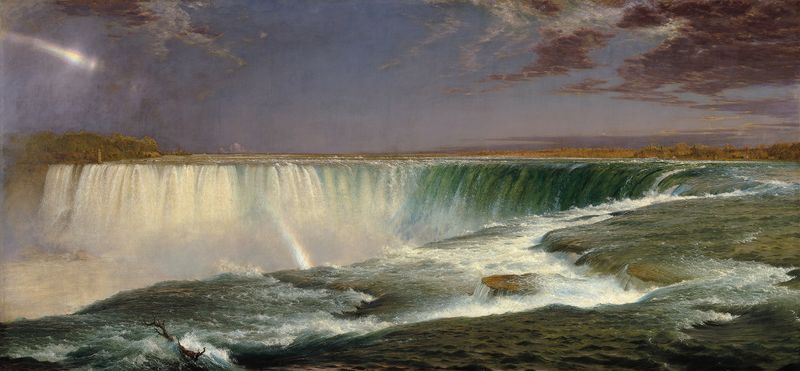
Niagara
Frederic Edwin Church
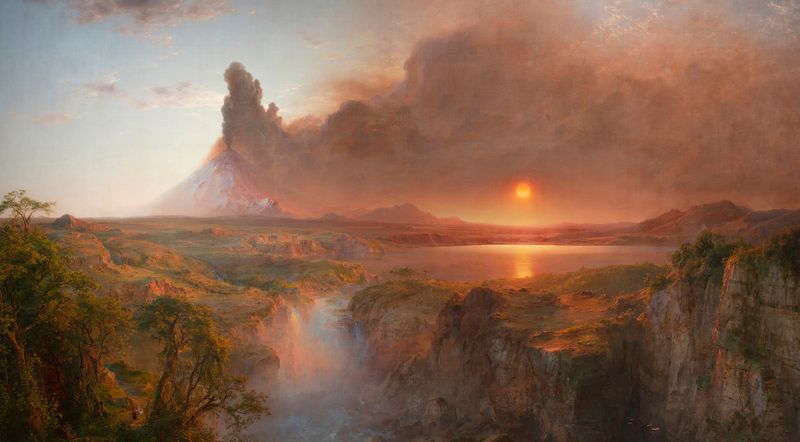
Cotopaxi
Frederic Edwin Church
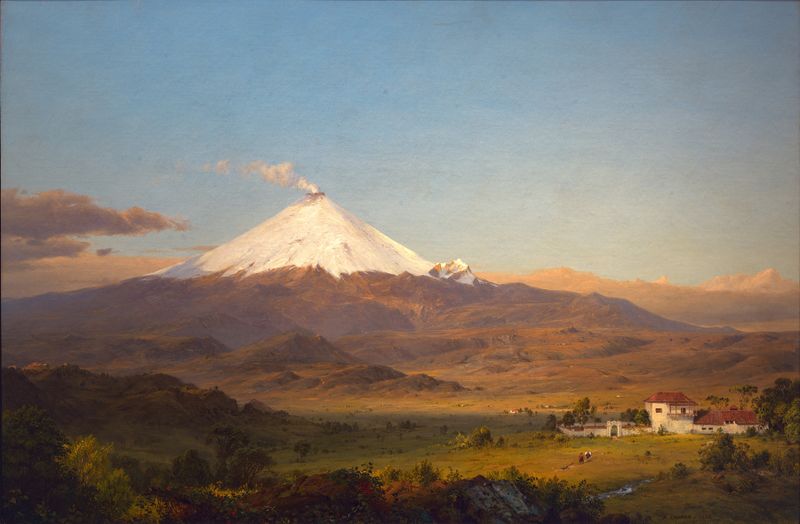
Cotopaxi
Frederic Edwin Church
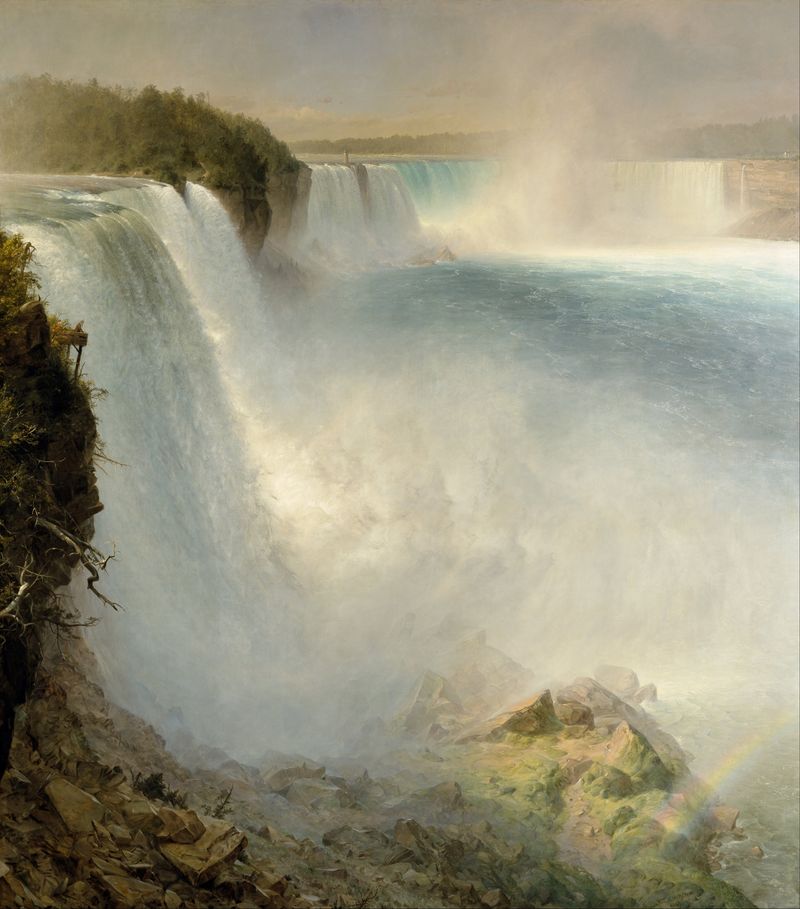
Niagara Falls, from the American Side
Frederic Edwin Church
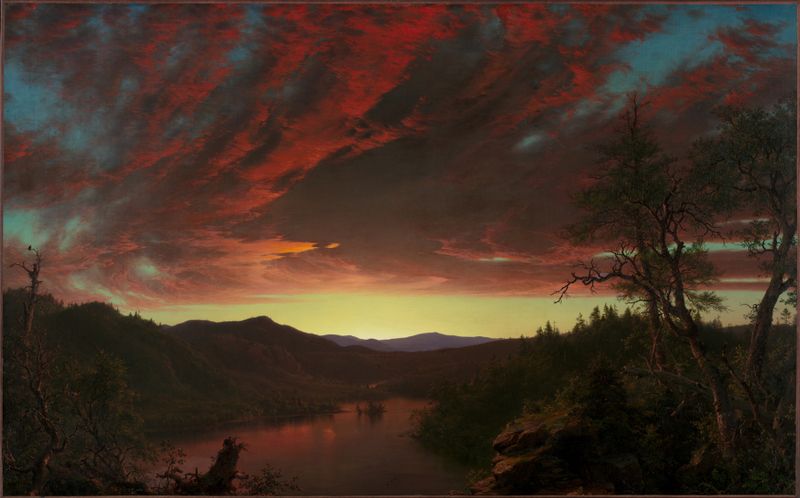
Twilight in the Wilderness
Frederic Edwin Church
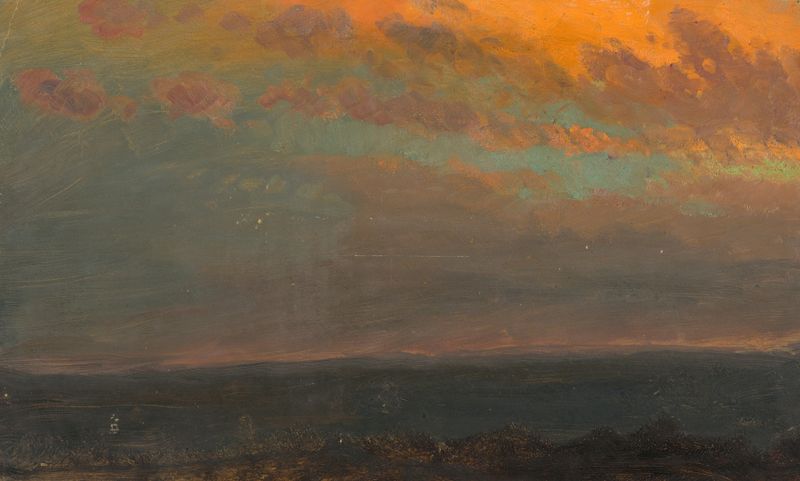
Hudson Valley at Sunset
Frederic Edwin Church
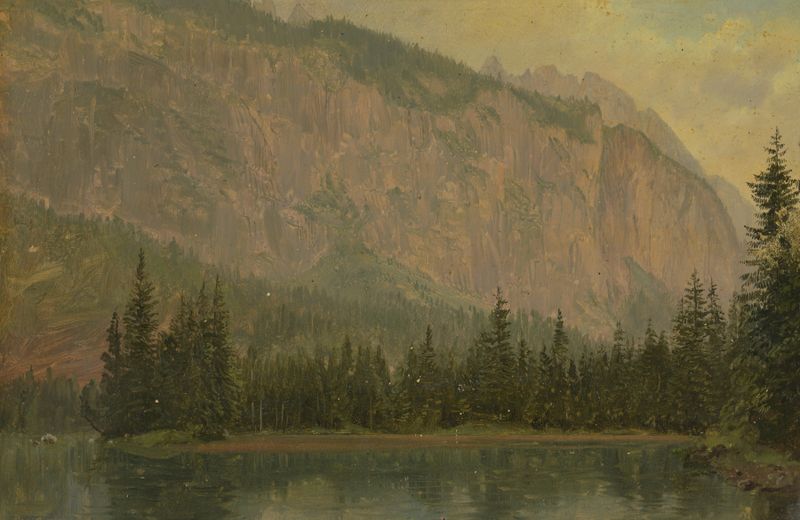
The Hintersee, near Berchtesgaden, Bavaria
Frederic Edwin Church
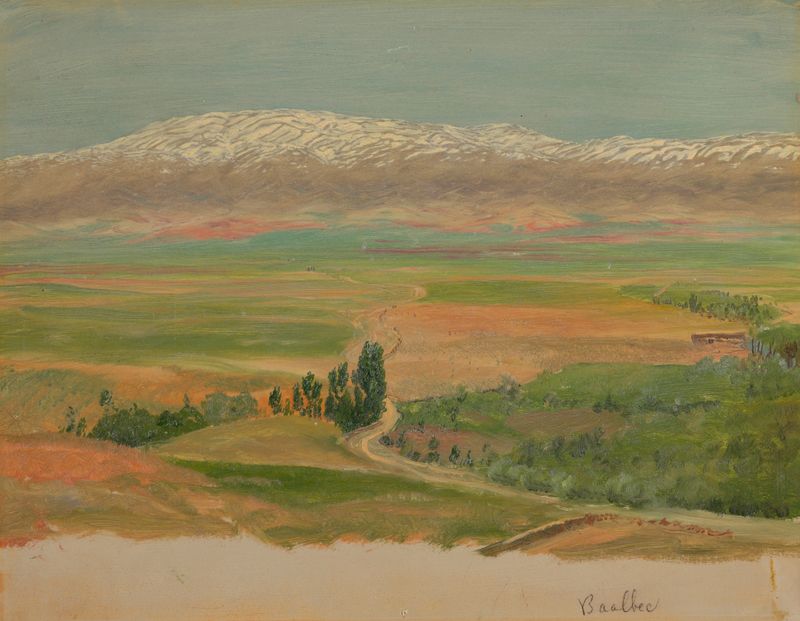
Mountains near Baalbec
Frederic Edwin Church
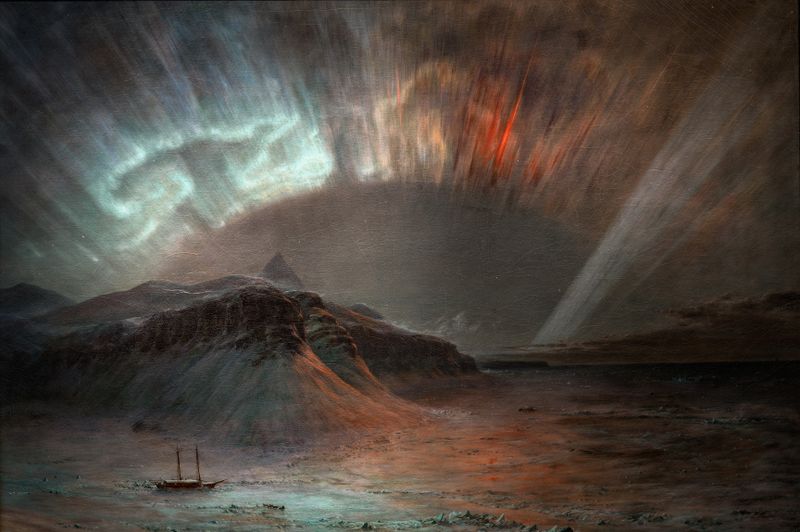
Aurora Borealis
Frederic Edwin Church
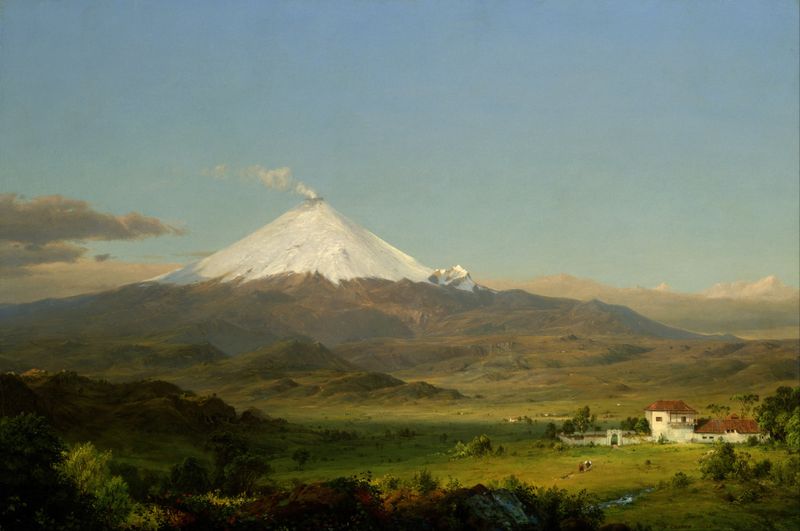
Cotopaxi
Frederic Edwin Church





